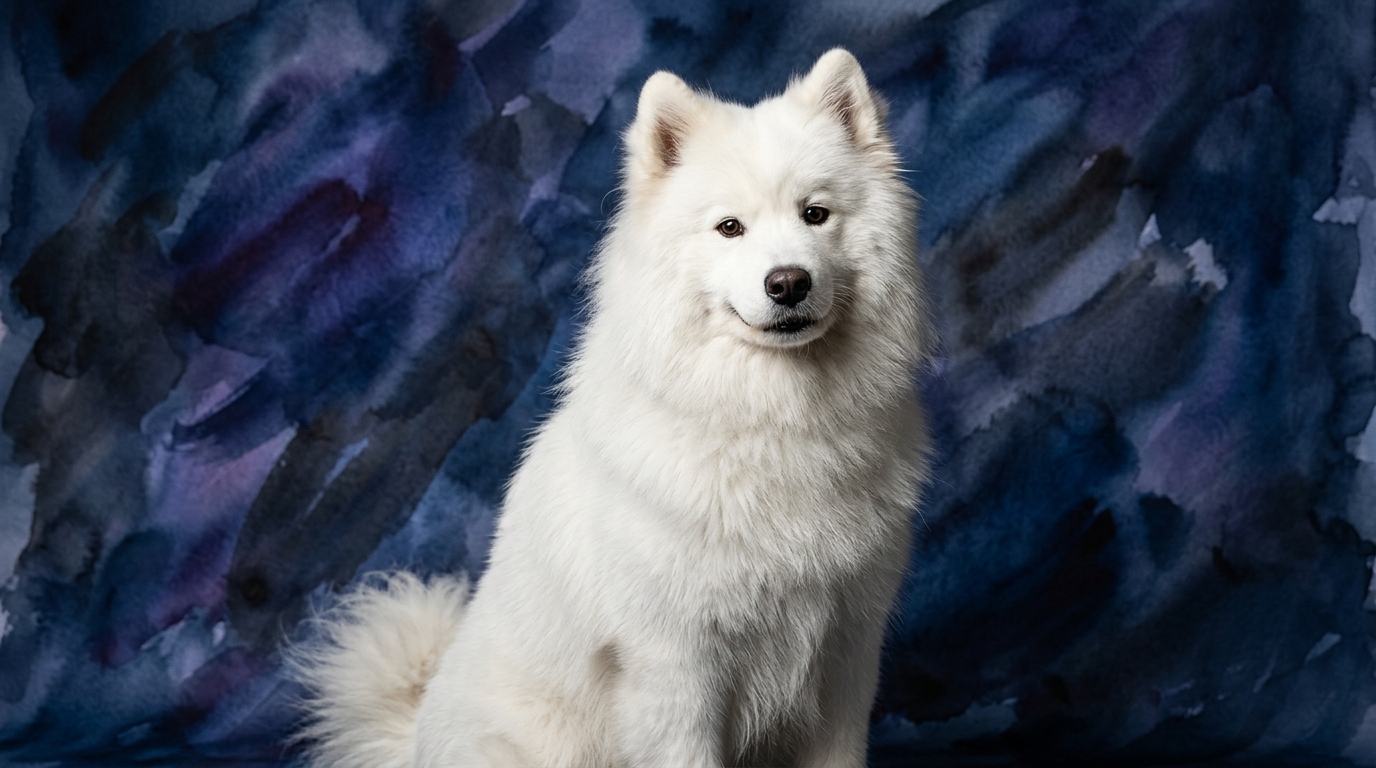
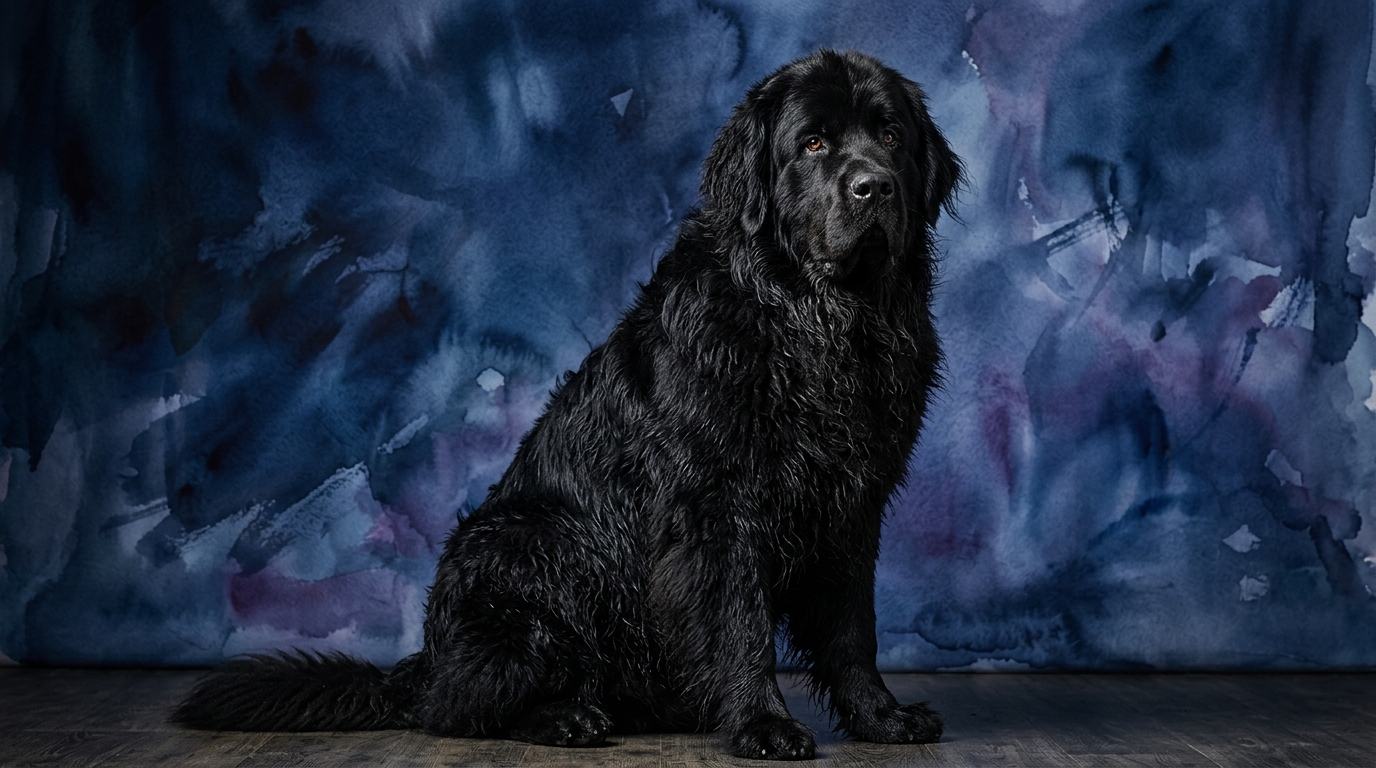
Side-by-Side Cognitive Profiles: Samoyed vs. Newfoundland
At The Cosmic Pet Pet IQ Lab, we dissect canine cognition across five key dimensions: problem-solving, training speed, social intelligence, instinctive drive, and memory. While both the Samoyed and Newfoundland are working breeds, their specific scores illuminate unique mental landscapes that shape their interactions and learning.
When assessing Problem Solving, both breeds score an identical 3 out of 5. This indicates a moderate capacity for navigating novel situations and figuring out solutions to environmental challenges. Both will show resourcefulness, but the *manner* of their approach might differ, with the Samoyed often displaying more independent thought while the Newfoundland might lean into more methodical, cooperative solutions.
Training Speed reveals the first notable difference: the Samoyed scores 3 out of 5, while the Newfoundland achieves 4 out of 5. This dimension measures how quickly a dog grasps and responds to new commands. The Newfoundland's slightly higher score suggests they generally pick up new behaviors with fewer repetitions, potentially making initial obedience training a smoother process.
Social Intelligence is a shared strength, with both breeds earning a perfect 5 out of 5. This signifies an exceptional ability to understand and respond to human emotions, body language, and social cues. Both the Samoyed and Newfoundland are deeply attuned to their family members, making them naturally empathetic companions who thrive on connection.
Instinctive Drive highlights another divergence: the Samoyed scores 4 out of 5, contrasted with the Newfoundland's impressive 5 out of 5. This dimension reflects the inherent motivation to perform tasks aligned with their breed's historical purpose. The Newfoundland’s perfect score points to an extremely strong, innate desire to work and assist, often manifesting as a profound sense of duty and purpose. Finally, Memory shows the Newfoundland again with an edge at 4 out of 5 compared to the Samoyed's 3 out of 5, indicating better retention of learned behaviors and experiences over time.
Where the Samoyed Shines Cognitively
Despite some lower scores, the Samoyed's cognitive profile emphasizes a unique blend of independence and social perceptiveness. Their 3/5 in problem-solving often manifests as creative, self-directed solutions, particularly when faced with challenges in their environment. This isn't about rote learning, but about ingenuity; a Samoyed might devise an unexpected way to reach a favorite toy or navigate a new obstacle, reflecting their history as independent decision-makers on the frozen tundra.
The Samoyed’s strong instinctive drive (4/5) is deeply tied to their heritage of pulling sleds and herding reindeer, tasks that required significant stamina and self-reliance. This drive, combined with their moderate memory and training speed, means they excel when tasks are framed as engaging, interactive 'puzzles' rather than simple commands. They are not merely following orders; they are participating in an activity, often contributing their own flair.
Their perfect 5/5 in social intelligence, when paired with their independent streak, creates a dog that is deeply connected to its human family but not overly reliant. A Samoyed understands your mood and desires, but might choose to express its affection or cooperation on its own terms, offering a partnership based on mutual respect rather than strict obedience. This makes them incredibly charming and often surprisingly clever in their interactions.
Where the Newfoundland Excels Cognitively
The Newfoundland's cognitive strengths lie in its remarkable capacity for cooperative learning and unwavering dedication. Their higher scores in Training Speed (4/5) and Memory (4/5) mean they absorb and retain information more efficiently than the Samoyed. This makes them highly responsive to consistent training, quickly building a repertoire of reliable behaviors. They are often eager to please and find satisfaction in understanding and executing human directives.
Central to the Newfoundland's cognitive profile is its exceptional Instinctive Drive (5/5). This isn't just about energy; it's about an inherent, powerful desire for purpose and service. Historically bred for water rescue and hauling, Newfoundlands possess a profound genetic inclination to assist and protect. This drive translates into a deep motivation for tasks, making them incredibly dedicated partners in activities ranging from therapy work to advanced obedience.
Their excellent social intelligence (5/5) synergizes perfectly with their strong memory and drive, allowing them to form deep, understanding bonds with their families. A Newfoundland often acts as a thoughtful, gentle presence, capable of anticipating needs and responding with calm competence. This makes their problem-solving (3/5) often appear more methodical and cooperative, as they are inclined to work *with* their humans rather than independently.
Which is Easier to Train and Why?
Based on their cognitive profiles, the Newfoundland generally presents as the easier breed to train. Their higher Training Speed (4/5) means they typically acquire new commands with fewer repetitions, and their superior Memory (4/5) ensures these lessons are retained more effectively over time. This combination results in a dog that is often more consistent and predictable in its learned behaviors, reducing the need for constant reinforcement.
The Newfoundland's powerful Instinctive Drive (5/5), rooted in a history of purposeful work, further contributes to their trainability. They possess an innate desire to be useful and to collaborate with their human companions, making them highly motivated by positive reinforcement and a sense of shared accomplishment. This intrinsic motivation often translates into a more eager and less challenging training experience for the owner.
In contrast, the Samoyed's Training Speed (3/5) and Memory (3/5) suggest that while capable, they require more patience and consistent, engaging methods. Their independent problem-solving nature, though a cognitive strength, can sometimes be interpreted as stubbornness during training sessions. They might require more creative motivation and a deeper understanding of 'why' a command is relevant, rather than simply complying. Training a Samoyed often becomes a partnership, requiring the owner to be as clever and persistent as the dog.
Which Suits Active Owners vs. Relaxed Owners?
Considering their cognitive makeup and energy levels, both breeds have distinct suitability for different owner lifestyles. For active owners, the Samoyed, with its robust instinctive drive (4/5) for activity and a history of covering vast distances, often requires more consistent physical and mental engagement. Their independent problem-solving means they need outlets for their intelligent curiosity, making them a superb match for owners who enjoy regular adventures, dog sports, or extensive outdoor exploration. An active owner can truly channel the Samoyed's spirited energy and intellectual needs.
Conversely, the Newfoundland, while needing regular exercise due to its substantial size, can often thrive with a more relaxed owner, provided its profound social and instinctive needs are met. Its higher training speed and memory contribute to a more predictable temperament, making it less prone to destructive behaviors born from boredom if its moderate exercise requirements are consistently fulfilled. These gentle giants are often content with daily walks, playtime, and, crucially, a strong sense of inclusion and purpose within the family structure.
The Newfoundland's deep social intelligence (5/5) and powerful instinctive drive (5/5) mean they excel when given responsibilities, even if those are simple 'jobs' around the house or accompanying their owner on errands. This inherent desire to be useful and close to their humans makes them adaptable to a less intensely active lifestyle, as long as they feel valued and connected. They offer a calm, steadfast presence for owners seeking a devoted companion without the constant demand for high-octane activities.
The Verdict
Choose a Samoyed if you value a clever, independent companion who thrives on engaging challenges and a partnership built on mutual respect and playful interaction.
Opt for a Newfoundland if you desire a highly trainable, devoted friend with a strong sense of purpose, eager to please and integrate seamlessly into family life with a calm, steadfast presence.
🧠 Find Your Pet's IQ Score
Our Pet IQ Lab assessment covers 25+ tests across 5 cognitive dimensions — personalized to your breed.
Take the Full IQ Test →Frequently Asked Questions
Are Samoyeds harder to train than Newfoundlands?
Based on their cognitive profiles, Samoyeds (training speed 3/5, memory 3/5) generally require more patience and creative motivation than Newfoundlands (training speed 4/5, memory 4/5). Their independent nature means they might need more engaging methods to stay focused and retain commands.
Do both breeds need a lot of mental stimulation?
Yes, both breeds benefit from mental stimulation, but in different ways. Samoyeds, with their independent problem-solving, thrive on puzzles and activities that challenge their ingenuity. Newfoundlands, with their strong instinctive drive, benefit from purposeful tasks and cooperative learning that fulfill their desire to assist.
Which breed is better with children based on their social intelligence?
Both breeds score a perfect 5/5 in social intelligence, indicating exceptional empathy and understanding of social cues. This makes both Samoyeds and Newfoundlands typically excellent with children, though supervision is always essential with any dog-child interaction.