Side-by-Side Cognitive Profiles: The Cosmic Pet IQ Lab Assessment
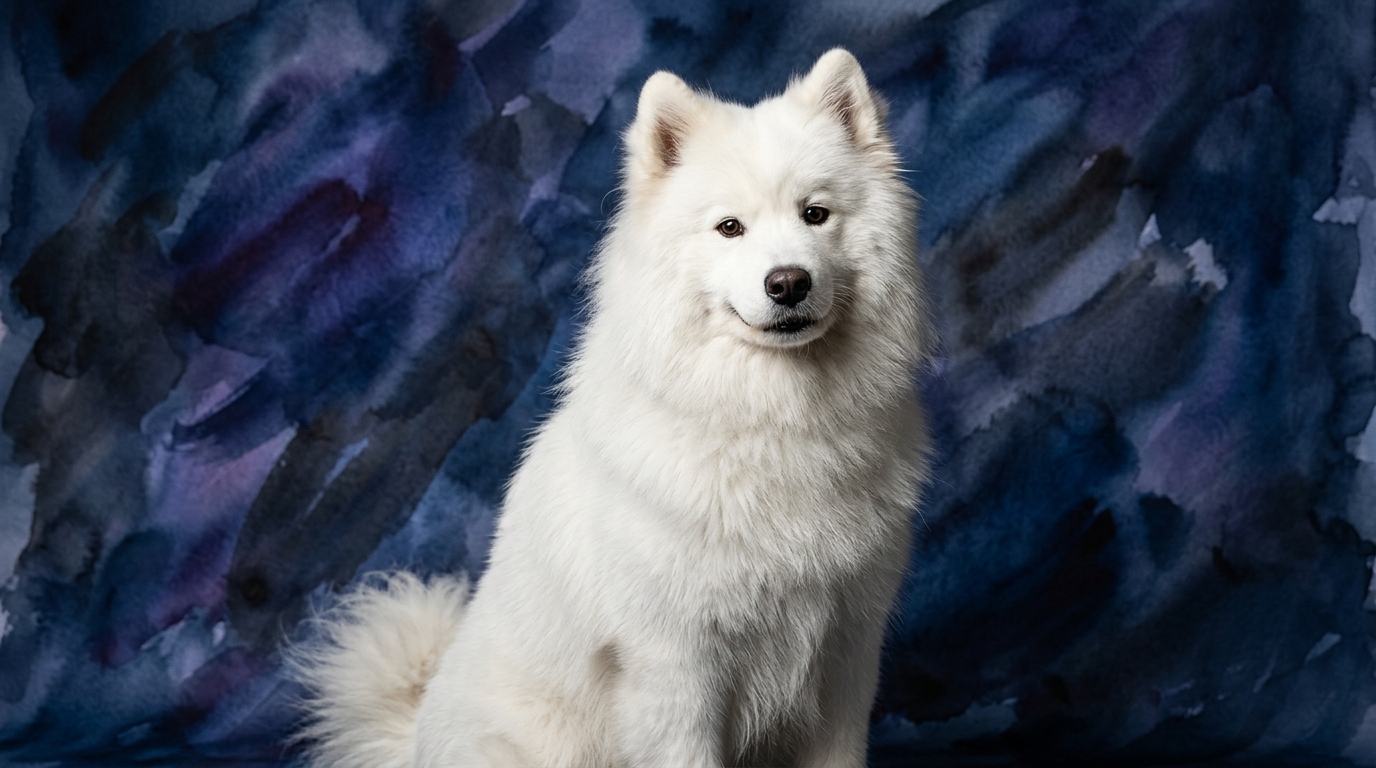
The Samoyed, ranking at Coren #33, presents a robust cognitive profile built for purpose and interaction. Their problem-solving and training speed both register at 3/5, indicating a capacity for learning and adapting to moderately complex tasks, though perhaps not with spontaneous brilliance. Where the Samoyed truly excels is in social intelligence, scoring a perfect 5/5, reflecting an exceptional ability to understand and respond to human emotions and cues, fostering deep, empathetic bonds.
Complementing this, their instinctive drive is strong at 4/5, a clear echo of their heritage as working sled dogs, manifesting as a desire for engagement and activity. Their memory, at 3/5, provides a solid foundation for retaining learned behaviors and social experiences, ensuring consistency in their interactions. This combination paints a picture of a dog that is engaged, responsive, and thrives on shared purpose and companionship.
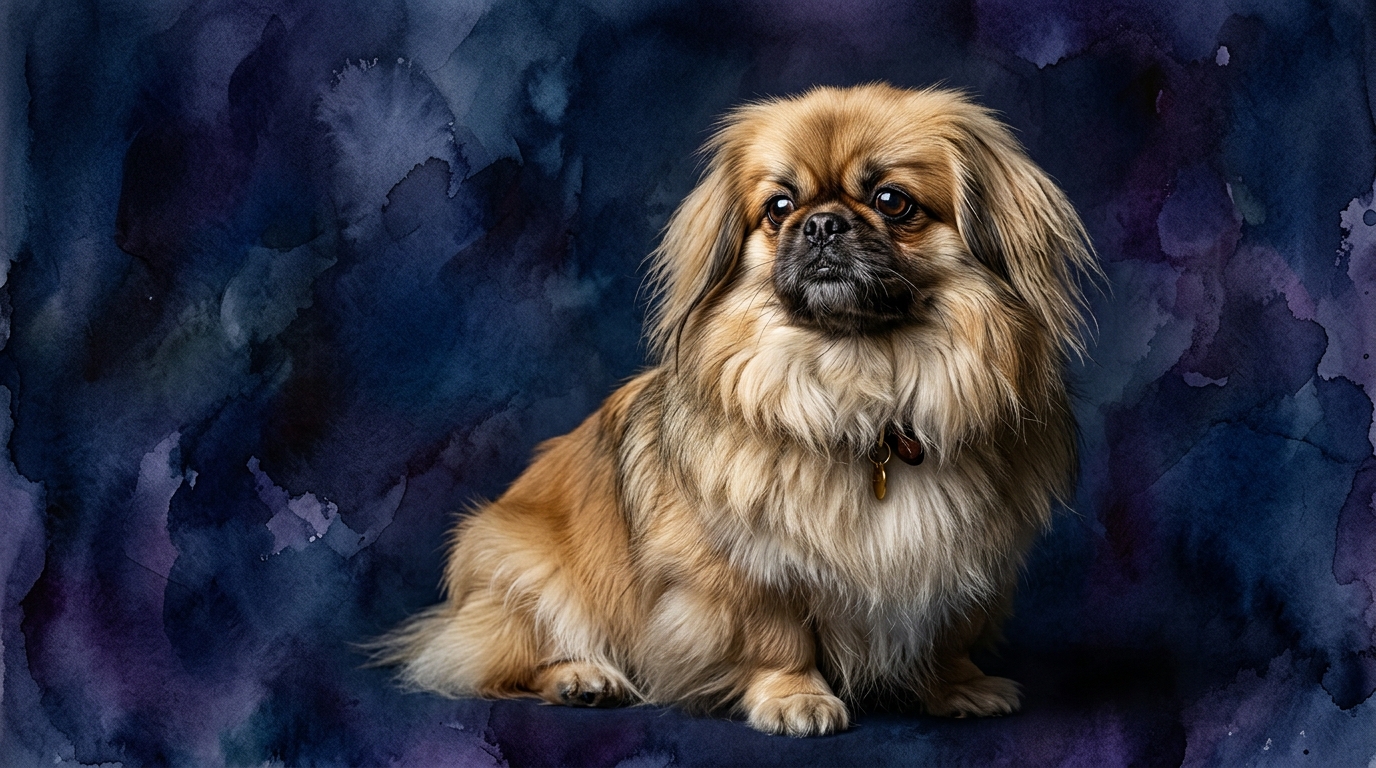
In contrast, the Pekingese, with a Coren rank of #77, offers a cognitive blueprint tailored for refined companionship rather than strenuous work. Their problem-solving and training speed, mirroring the Samoyed at 3/5, suggest they are capable learners, but often with a distinct independent streak. Their social intelligence is rated 3/5, indicating strong, often exclusive bonds with their inner circle, rather than a broad, effusive sociability.
The Pekingese's instinctive drive, also 3/5, is moderated, focusing more on guarding their immediate person and territory than on large-scale tasks. Their memory, like the Samoyed, stands at 3/5, allowing them to recall routines and preferences, which contributes significantly to their consistent presence as a devoted, if sometimes particular, companion. This profile describes a dog that is discerning, loyal, and masters the art of comfortable domesticity.
Where the Samoyed's Cognition Shines Brightest
The Samoyed's preeminent cognitive advantage lies in its exceptional social intelligence, rated a perfect 5/5. This isn't merely friendliness; it's a sophisticated capacity to interpret subtle human emotional states, body language, and vocal inflections with remarkable accuracy. A Samoyed might instinctively nuzzle a hand when sensing distress or initiate a playful bow when detecting a joyful mood, demonstrating an innate attunement that fosters profound human-animal connections, making them highly responsive partners in daily life.
Furthermore, their robust instinctive drive, scoring 4/5, directly reflects their heritage as resilient working dogs. This drive manifests as a deep-seated desire for purpose and engagement, whether it's participating in family hikes, learning a new “job” like carrying a pack, or even enthusiastically “herding” children during playtime. This inherent motivation translates into a sustained capacity for physical and mental activity, making them eager participants in adventures and tasks that fulfill their innate need for contribution, a trait less pronounced in breeds selectively bred for a more sedentary existence.
The Pekingese's Unique Cognitive Strengths
The Pekingese, despite its lower Coren rank of 77, possesses a distinct set of cognitive strengths perfectly adapted to its role as a regal companion. Their problem-solving and training speed, both 3/5, are applied with a unique twist: they often master the art of “managing” their environment and humans to their advantage. A Pekingese might not rapidly learn complex obedience commands, but they are adept at figuring out precisely how to gain attention, secure a comfortable spot, or signal their preferences through subtle yet persistent cues, demonstrating a pragmatic intelligence focused on personal comfort and influence.
Their social intelligence, rated 3/5, is not broadly effusive but intensely focused, leading to incredibly strong, often exclusive bonds with their primary caregivers. This selective attachment allows them to develop an intricate understanding of their chosen human's routines, moods, and desires, often anticipating needs for affection or a lap perch with uncanny accuracy. Their instinctive drive of 3/5, rather than manifesting as a need for strenuous activity, translates into a dedicated vigilance over their immediate territory and beloved people, making them surprisingly alert and protective guardians within their domestic sphere, a testament to their focused loyalty.
Training Dynamics: Samoyed vs. Pekingese
Training a Samoyed, with its 3/5 training speed, requires consistent, positive reinforcement that taps into their high social intelligence (5/5) and instinctive drive (4/5). While they grasp concepts, their independent streak, often misconstrued as stubbornness, means they might weigh the value of a command against their own interests. For example, a Samoyed might quickly learn “come” if it means joining a fun activity, but might “selectively hear” it if they are engrossed in an interesting scent, demonstrating their working dog focus and sometimes independent decision-making.
The Pekingese, also with a 3/5 training speed, presents a different set of challenges rooted in their strong will and historical role as pampered companions. They are perfectly capable of learning, but often on their own terms, applying their 3/5 problem-solving to achieve desired outcomes rather than strict obedience. A Pekingese might master “sit” for a favored treat, but may choose to ignore it if no immediate reward is perceived, or if they simply aren't in the mood. Success with a Pekingese hinges on immense patience, understanding their motivations for comfort and affection, and making training feel like a collaborative, rather than commanding, endeavor.
Matching Cognitive Profiles to Lifestyles: Active vs. Relaxed Owners
For active owners seeking a dynamic partner, the Samoyed's cognitive profile is a superb match. Their 4/5 instinctive drive demands regular physical and mental outlets, making them ideal for individuals or families who enjoy hiking, running, dog sports, or simply long, engaging walks. Their 5/5 social intelligence means they thrive on being integral parts of family activities, requiring consistent interaction and shared experiences to fulfill their deep need for connection and purpose, preventing boredom that could lead to less desirable problem-solving behaviors.
Conversely, the Pekingese is an exquisite fit for more relaxed owners who appreciate a devoted, less physically demanding companion. Their moderate 3/5 instinctive drive and social intelligence mean they are content with a quieter, primarily indoor lifestyle, valuing close proximity and shared tranquil moments over strenuous activity. Their mental stimulation often comes from observing their surroundings, engaging in short, focused play sessions, and enjoying the comforts of home life, making them perfect for those seeking a charming, independent presence without the need for extensive daily exertion.
The Verdict
The Samoyed is an ideal companion for active individuals or families who value a highly social, purpose-driven dog eager to participate in adventures and demanding consistent engagement. Their profound social intelligence and robust drives flourish with owners who provide ample physical and mental challenges.
The Pekingese excels as a devoted, discerning companion for those seeking a more relaxed lifestyle, appreciating a dog whose intelligence is expressed through selective affection, territorial vigilance, and a charming, independent spirit. They thrive in calm environments where their unique personality can be cherished.
🧠 Find Your Pet's IQ Score
Our Pet IQ Lab assessment covers 25+ tests across 5 cognitive dimensions — personalized to your breed.
Take the Full IQ Test →Frequently Asked Questions
How do their problem-solving abilities compare in a home setting?
Both breeds rate 3/5 in problem-solving. A Samoyed might figure out how to open a gate to join family activities, driven by social connection, while a Pekingese might solve the “problem” of getting a favorite toy from under furniture by persistent nudging, motivated by comfort.
Which breed is more adaptable to new environments or people?
The Samoyed's high social intelligence (5/5) generally makes them more adaptable and welcoming to new people and environments, thriving on broad social interaction. The Pekingese, with a social intelligence of 3/5, tends to be more reserved and selective, preferring familiar surroundings and a smaller, trusted social circle.
Do their memory scores (3/5 for both) mean they learn at the same rate?
While both have a 3/5 memory, their training speed and drives influence learning. Samoyeds might retain complex sequences if they align with their working instincts, while Pekingese might remember routines for comfort, but both require consistent reinforcement to solidify learning, adapting to their distinct motivations.