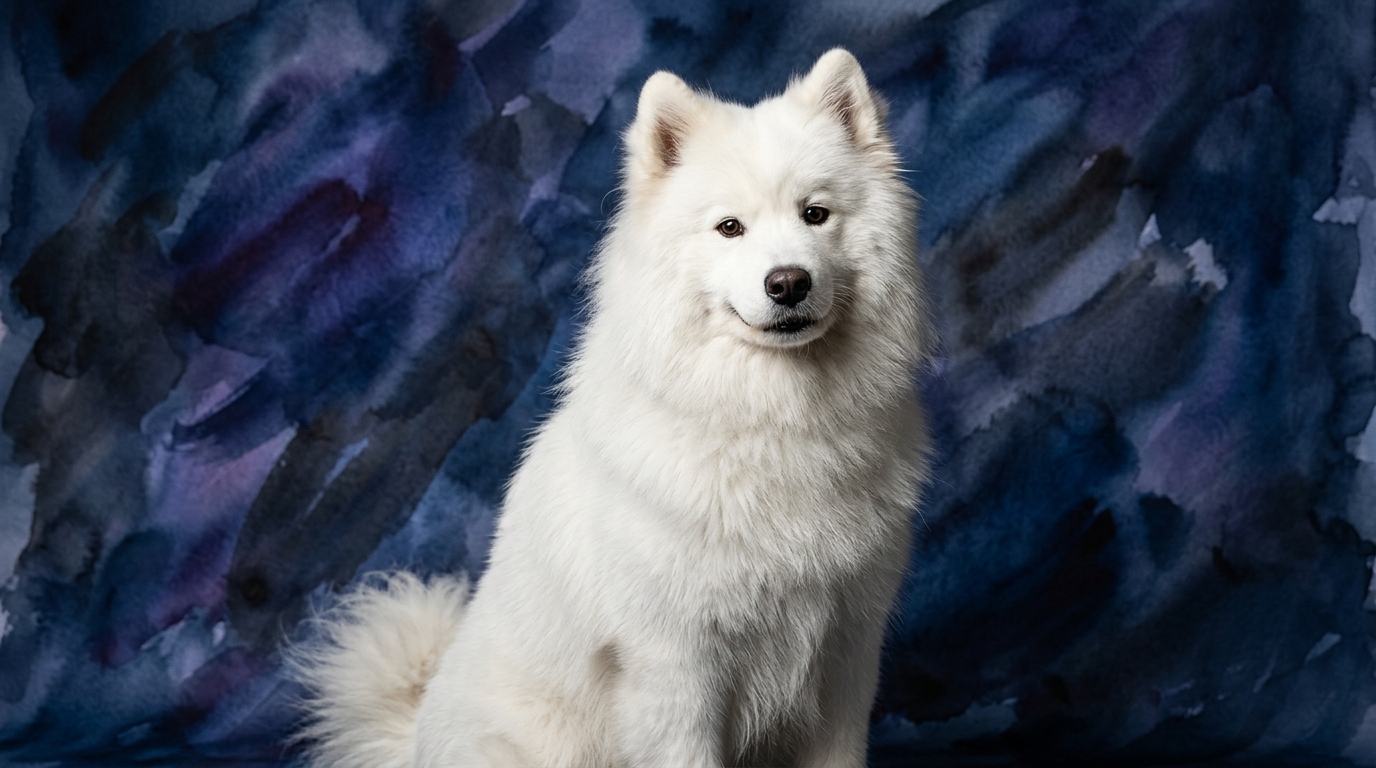
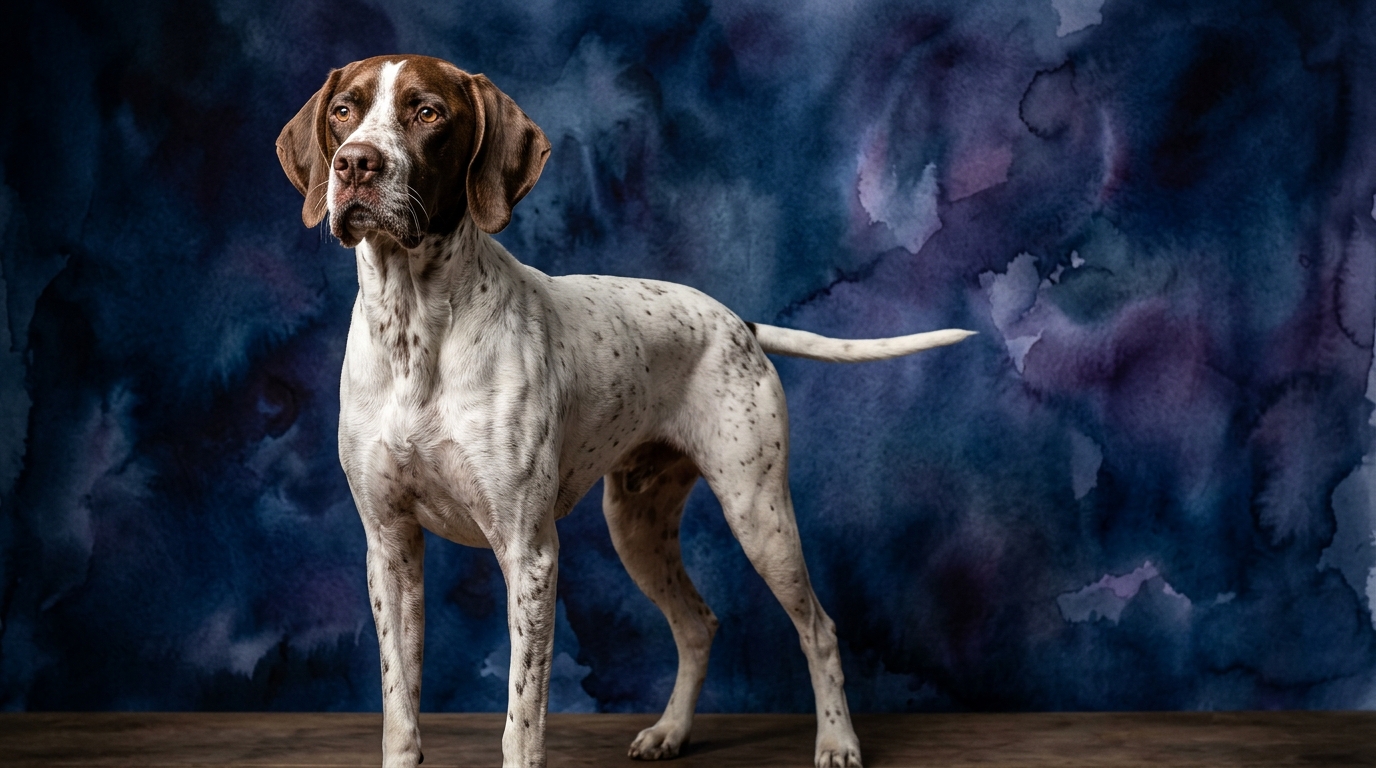
Side-by-Side IQ Profile: Samoyed vs. Pointer
The Cosmic Pet Pet IQ Lab provides a five-dimensional framework for understanding canine intelligence, offering a detailed look at how the Samoyed and Pointer compare across key cognitive areas.
For the **Samoyed**, a dog from the Working Group, the profile is: **Problem Solving (3/5)**, indicating a resourceful nature that can figure out solutions, particularly when motivated by interaction or a clear purpose. **Training Speed (3/5)** suggests they learn commands at a moderate pace, often requiring consistent, engaging methods to maintain their interest. Their **Social Intelligence (5/5)** is exceptional, demonstrating a profound understanding of human emotions and social cues, thriving on companionship and interaction. **Instinctive Drive (4/5)** reflects their strong heritage in herding and sledding, manifesting as a desire for purposeful activity and often a vocal expression. Finally, **Memory (3/5)** shows they retain learned behaviors and routines effectively, making them reliable once a skill is established.
The **Pointer**, a member of the Sporting Group, presents a slightly different cognitive architecture: **Problem Solving (3/5)**, similar to the Samoyed, indicates they are capable of solving practical challenges, especially those related to their field work, but may not be inclined towards abstract puzzles. Their **Training Speed (3/5)** is also moderate, with learning often accelerated when tasks align with their natural prey drive or desire to work alongside a handler. **Social Intelligence (3/5)** suggests they are affectionate with their family but may focus more on their environment or potential prey than on subtle human emotional shifts. **Instinctive Drive (3/5)** is specialized, centered around their strong pointing and retrieving behaviors, which can be highly focused but less broadly applied than a working breed's drives. **Memory (3/5)** allows them to recall hunting routes, learned commands, and field experiences efficiently, particularly those tied to their specific sporting roles.
Where the Samoyed Wins Cognitively
The Samoyed's standout cognitive advantage lies in its remarkable **Social Intelligence (5/5)**, a score significantly higher than the Pointer's (3/5). This means a Samoyed possesses a superior capacity to interpret human body language, tone of voice, and emotional states, making them incredibly attuned companions. They are adept at integrating into family dynamics, often seeking to participate in shared activities and offering comfort or playful engagement based on their perception of human mood. Their strong social drive also contributes to a desire to please and cooperate within a family unit, fostering deep bonds.
Furthermore, the Samoyed's **Instinctive Drive (4/5)**, rooted in herding and sledding, provides a broader scope of purposeful engagement compared to the Pointer's more specialized drive. This translates to a dog that often seeks a 'job' or structured activity, whether it's participating in dog sports, carrying packs, or simply being a vigilant, interactive family member. Their inclination for working alongside humans, coupled with their social acumen, makes them particularly responsive to collaborative tasks and complex routines that require understanding nuanced cues.
Where the Pointer Wins Cognitively
While the Pointer's individual IQ scores may appear similar or slightly lower in some areas, their cognitive strengths are highly specialized and effective within their intended purpose. The Pointer's **Instinctive Drive (3/5)**, though numerically lower than the Samoyed's, is intensely focused on scent detection, pointing, and retrieving. This specialization means that within the context of field work or similar scent-based activities, their problem-solving and training speed excel. Their ability to concentrate on a single task, like tracking a scent trail or holding a point for extended periods, demonstrates a unique cognitive focus that is unparalleled.
Their **Problem Solving (3/5)** and **Training Speed (3/5)**, while moderate in a general context, are exceptionally efficient when applied to tasks that tap into their innate prey drive. Pointers can quickly learn complex commands and patterns related to hunting scenarios, exhibiting a swift understanding of spatial relationships and environmental cues relevant to finding game. This dedicated cognitive efficiency in their specific sporting domain is where the Pointer truly shines, allowing them to perform intricate tasks with precision and endurance in the field.
Which is Easier to Train and Why
Both the Samoyed and the Pointer score a **Training Speed of 3/5**, indicating a moderate learning pace, yet the nuances of their behavioral differences significantly impact the training experience. The Samoyed's training can be influenced by their independent working dog heritage and strong vocalization. While their high social intelligence means they genuinely want to connect and please, their self-reliant nature can lead them to question commands or offer their own interpretations of a task. This requires a trainer who is patient, consistent, and adept at making training fun and rewarding, using positive reinforcement to channel their purposeful drive. They might be prone to 'selective hearing' if a command doesn't align with their immediate interest or perceived value.
The Pointer, despite the same training speed score, presents different challenges. Their powerful instinctive drive for scenting and prey can make them highly distractible, especially in outdoor environments. A sudden scent or movement can override learned commands, demanding a trainer who can maintain focus and provide clear, concise instructions. Proofing commands in various environments is crucial for a Pointer, as their attention can easily be pulled away by their environment. While they are eager to work, particularly when tasks involve their natural predispositions, overcoming environmental distractions and maintaining consistent recall in the face of strong instincts requires dedicated effort and specialized training techniques.
Which Suits Active Owners vs. Relaxed Owners
Neither the Samoyed nor the Pointer are suitable for truly relaxed owners, as both breeds demand a significant commitment to physical activity and mental stimulation. However, the *type* of activity they thrive on differs, making them suitable for different kinds of active owners.
The **Samoyed** is ideal for owners who are active and seek a highly interactive companion for shared adventures. Their working background means they need more than just a walk; they require purposeful engagement like hiking, skijoring, dog sports, or long interactive play sessions. Their high social intelligence means they excel when included in family activities and thrive on companionship, making them perfect for owners who want a partner in all their active pursuits and are prepared for a dog that needs constant mental and social stimulation.
The **Pointer** is best suited for owners with an active lifestyle centered around endurance and outdoor exploration, particularly those who enjoy running, hiking, or field sports. Their sporting heritage dictates a profound need for extensive physical exercise, often involving long periods of running or fast-paced activity. They are less focused on constant social interaction during exercise and more on the physical act itself, making them excellent companions for dedicated runners or hunters who can provide ample opportunities for them to stretch their legs and engage their specialized instincts in open spaces.
The Verdict
Choose a Samoyed if you seek an empathetic, highly interactive companion who thrives on shared purposeful activities and excels at understanding human social cues, and you are prepared for their independent streak and vocal nature.
Opt for a Pointer if your lifestyle involves extensive outdoor physical activity, especially running or field work, and you appreciate a focused, energetic partner with a strong, specialized drive for scent-based exploration and retrieving.
🧠 Find Your Pet's IQ Score
Our Pet IQ Lab assessment covers 25+ tests across 5 cognitive dimensions — personalized to your breed.
Take the Full IQ Test →Frequently Asked Questions
Are Samoyeds good family dogs?
Yes, Samoyeds generally make excellent family dogs due to their exceptional social intelligence. They are attuned to human emotions and thrive on being an integrated part of family life, often forming strong bonds with all members.
Do Pointers need a lot of exercise?
Absolutely, Pointers require a significant amount of daily exercise due to their sporting background and strong instinctive drive. They thrive on long runs, extensive walks, or field activities that allow them to burn energy and engage their specialized instincts.
Which breed is more prone to independent thinking?
Both breeds can exhibit independent thinking, though for different reasons. Samoyeds, with their working breed heritage, might make their own decisions if not properly motivated, while Pointers' strong prey drive can lead them to follow a scent over a command, requiring consistent training to manage these instincts.