Side-by-Side IQ Profile
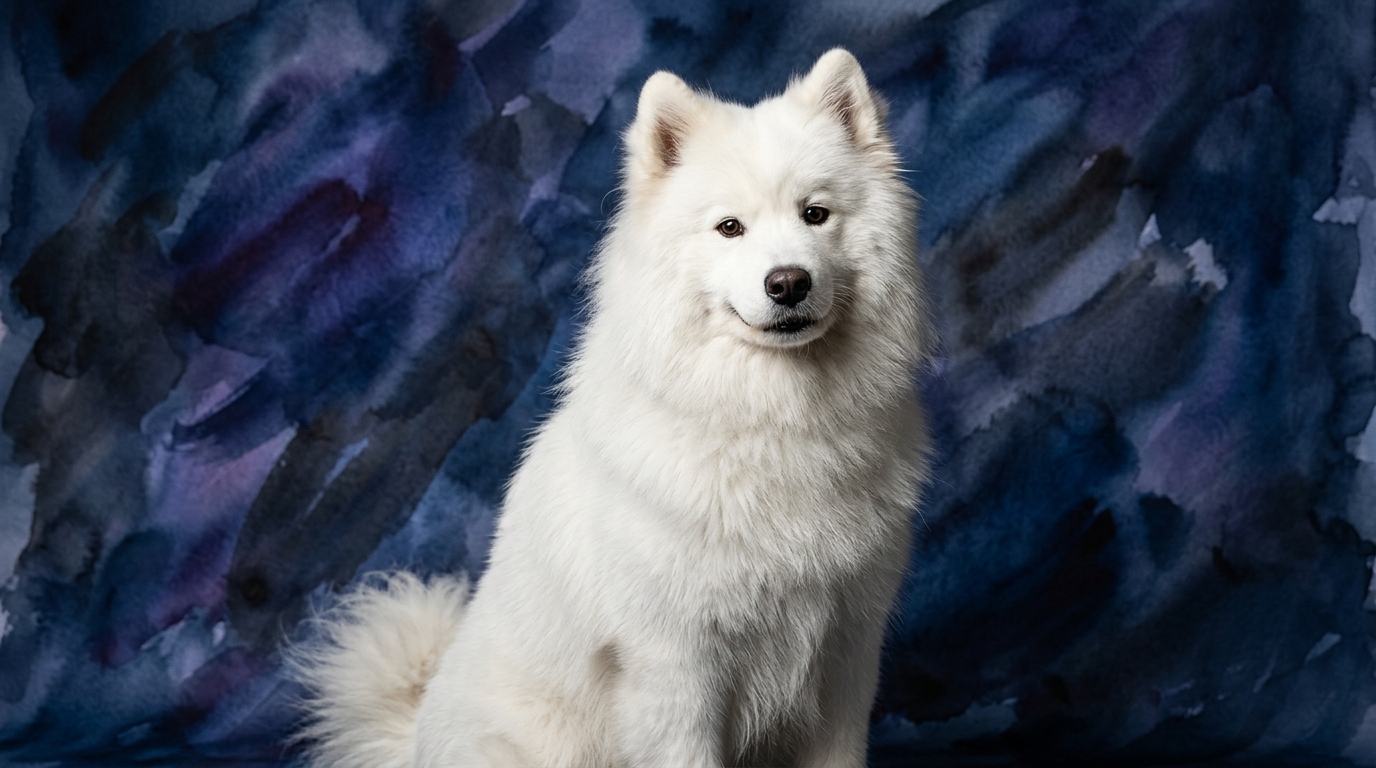
The Cosmic Pet Pet IQ Lab provides a detailed lens through which to examine the distinct cognitive architectures of the Samoyed and the Pug, moving beyond anecdotal observations to specific behavioral and learning capacities. For the Samoyed, a breed whose lineage is deeply intertwined with demanding work in arctic conditions, their Coren rank of #33 positions them as capable learners and problem-solvers. Their Problem Solving is rated 3/5, indicating a moderate yet reliable ability to independently navigate challenges and devise solutions, a trait crucial for their historical roles. This is complemented by a Training Speed of 3/5, suggesting a steady assimilation of new commands and routines. A defining characteristic is their exceptional Social Intelligence, scoring a perfect 5/5, which highlights their profound attunement to human cues and a strong desire for cooperative interaction. Furthermore, a robust Instinctive Drive of 4/5 underpins their natural inclination for purposeful activity and engagement with their environment, while their Memory stands at a solid 3/5, facilitating effective retention of learned experiences.
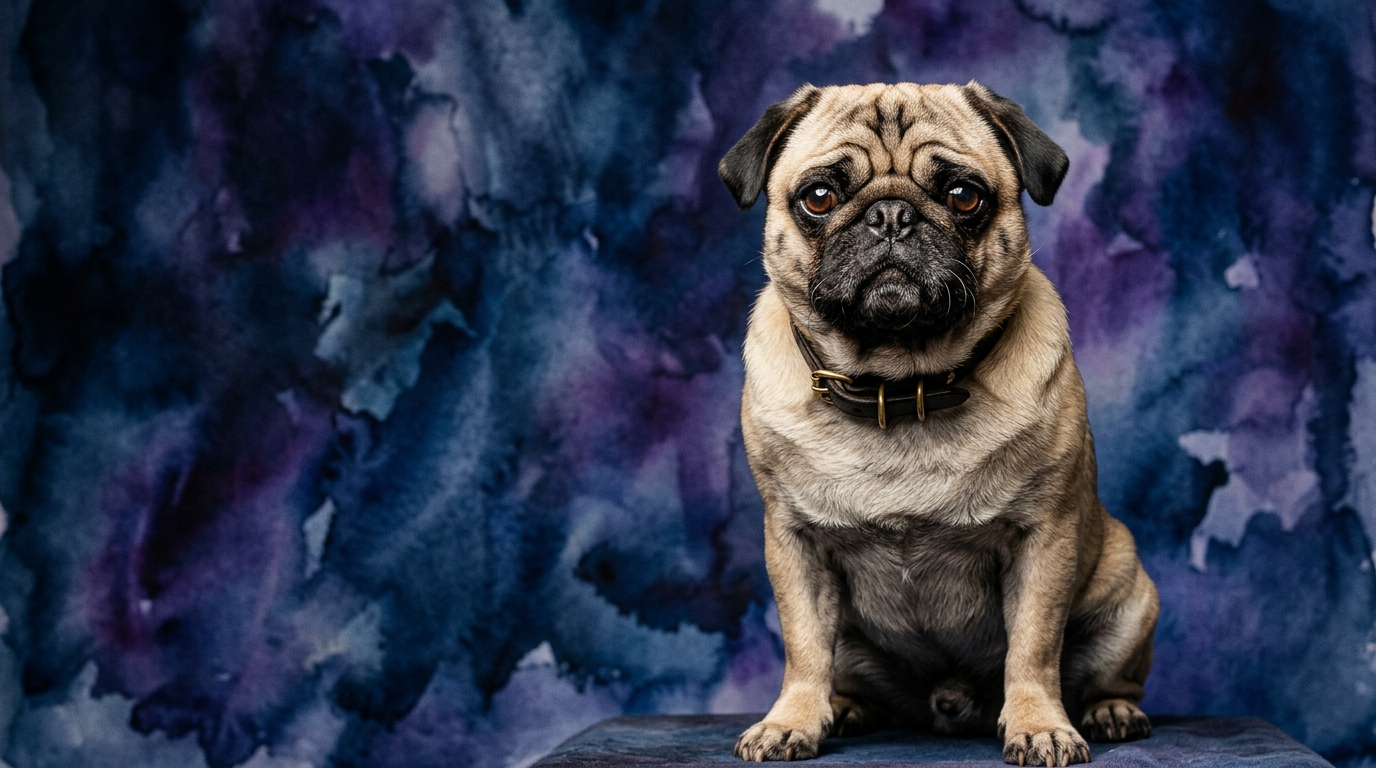
In stark contrast, the Pug, a charming Toy breed cultivated over centuries primarily for companionship and lap-warming, occupies a Coren rank of #57, reflecting a cognitive profile optimized for a different set of priorities. Their Problem Solving capability is rated 2/5, indicating a general preference for human assistance over independent strategizing when faced with obstacles, aligning with their role as a dependent companion. Similarly, their Training Speed is rated 2/5, suggesting a more unhurried approach to skill acquisition, often requiring patience and consistent, engaging methods. Yet, like the Samoyed, the Pug shines in Social Intelligence, also earning a perfect 5/5, underscoring their innate capacity for deep emotional connection and their ability to effortlessly integrate into human social structures. Their Instinctive Drive is notably lower at 2/5, indicating a reduced impulse for self-directed, task-oriented behaviors, which often translates into a more relaxed demeanor. Their Memory, at 3/5, matches the Samoyed, allowing them to recall routines and familiar faces with ease.
Where Samoyed Wins Cognitively
The Samoyed's cognitive framework clearly demonstrates superiority in areas demanding proactive engagement and autonomous decision-making, attributes directly linked to their working heritage. Their Problem Solving score of 3/5, synergizing with a potent Instinctive Drive of 4/5, equips them with a significant capacity for independent thought and action. This means a Samoyed is more likely to analyze a situation, such as a closed door or a hidden toy, and attempt to manipulate their environment to achieve a desired outcome, rather than simply waiting for human intervention. This problem-solving prowess was essential for tasks like herding reindeer, where they needed to make quick judgments in dynamic situations, or pulling sleds across varied terrain, demanding navigation and obstacle avoidance. Their moderate Training Speed (3/5) allows them to quickly internalize complex sequences and commands, translating into efficiency in canine sports or service roles. The Samoyed's cognitive strengths are fundamentally geared towards purposeful work and intelligent interaction with their surroundings, making them adept at learning and applying skills in practical, often challenging, contexts.
Where Pug Wins Cognitively
While not excelling in the traditional "working dog" metrics, the Pug's cognitive strengths are profoundly optimized for their role as exceptional companions, where their unique profile truly shines. Their shared 5/5 Social Intelligence with the Samoyed is a cornerstone, but for Pugs, this acute social awareness is coupled with a lower Instinctive Drive (2/5) and Problem Solving (2/5), creating a cognitive advantage for their specific purpose. This combination fosters a dog that is exquisitely sensitive to human emotions and needs, content to be a passive, affectionate presence rather than seeking independent activities that might conflict with a quiet home life. Their cognitive design minimizes the impulse for complex, self-directed endeavors, making them perfectly satisfied with simply being present and engaging in intimate social bonding. A Pug's cognitive "win" lies in their unparalleled ability to integrate seamlessly into a human family as a devoted, low-demand companion, requiring less mental stimulation in terms of challenging tasks and instead thriving on consistent affection and close social interaction, which they instinctively seek and reciprocate.
Which is Easier to Train and Why
The perceived "ease" of training between a Samoyed and a Pug largely hinges on an owner's expectations and training methodology, given their distinct cognitive motivations. The Samoyed's Training Speed of 3/5, combined with their robust 4/5 Instinctive Drive, means they are often eager to learn and excel in structured training environments, especially when tasks align with their natural drives for collaboration and purposeful activity. They respond well to consistent positive reinforcement and typically find intrinsic satisfaction in mastering new commands or performing a desired behavior, often approaching training as a joint venture with their human. However, their moderate Problem Solving (3/5) and strong independent drive can sometimes lead to moments of selective hearing or a preference for their own methods, necessitating patient, engaging, and consistent leadership from their owner to channel their intelligence productively.
The Pug, with a Training Speed of 2/5 and a lower Instinctive Drive of 2/5, generally presents a different set of training considerations. They may require more repetitions to solidify new commands and benefit from shorter, more frequent training sessions to maintain their focus and enthusiasm. Their exceptional Social Intelligence (5/5) means they are highly motivated by positive attention and gentle praise from their owner, eager to please those they are bonded with. However, their lower drive for independent work means they might lack the inherent motivation to perform complex tasks for their own sake, often preferring comfort or food over strenuous mental effort. Pugs are frequently highly food-motivated, which can be an effective training lever, but their potential for charming stubbornness, stemming from a low intrinsic desire to "work," means an owner must be creative, consistent, and make training feel like a fun, low-pressure interaction rather than a demanding chore. While Samoyeds often show a quicker uptake for task-oriented learning, Pugs thrive on relationship-based motivation and a playful approach.
Which Suits Active Owners vs Relaxed Owners
The Samoyed's comprehensive cognitive and physical energy profile makes them an exemplary match for active owners who are prepared to provide extensive and consistent mental and physical outlets. Their 3/5 Problem Solving and 4/5 Instinctive Drive mean they are not merely capable of but actively thrive on structured activities that engage both their bodies and minds. This includes demanding pursuits like agility courses, advanced obedience trials, hiking over varied terrain, or even participating in traditional dog sports such as sled pulling. An owner who embraces an outdoor lifestyle, enjoys long, brisk walks, or dedicates time to ongoing training will discover an enthusiastic and willing partner in a Samoyed. Without adequate mental and physical stimulation, a Samoyed's inherent drives and problem-solving inclinations can manifest in less desirable behaviors, such as creatively redesigning garden landscapes or independently exploring kitchen counters.
Conversely, the Pug's distinctive cognitive profile aligns perfectly with a more relaxed, home-centric lifestyle. Their 2/5 Problem Solving and 2/5 Instinctive Drive indicate that they do not possess a strong inherent drive for complex tasks or extensive physical exertion, making them an excellent choice for individuals or families seeking a devoted companion who is content with a moderate activity level. Their physical limitations, such as their brachycephalic (short-nosed) structure, also naturally limit their capacity for intense exercise. While Pugs still benefit from mental engagement through puzzle toys, scent games, or simple, fun training sessions, their primary cognitive needs are met through consistent social interaction, affectionate cuddles, and comfortable routines. This makes them a relatively low-maintenance choice for owners who prefer a calmer domestic pace and value companionship over demanding physical or mental engagement.
The Verdict
For owners seeking a collaborative partner for complex tasks and outdoor adventures, who are ready to engage a dog with a strong working drive and problem-solving inclination, the Samoyed is the ideal choice.
For those desiring a devoted, charming companion content with a more relaxed pace and whose primary cognitive need is social connection and affection, the Pug offers an unmatched fit.
🧠 Find Your Pet's IQ Score
Our Pet IQ Lab assessment covers 25+ tests across 5 cognitive dimensions — personalized to your breed.
Take the Full IQ Test →Frequently Asked Questions
Do Samoyeds require more mental stimulation than Pugs?
Yes, Samoyeds generally require more mental stimulation due to their higher Problem Solving (3/5) and Instinctive Drive (4/5) scores, stemming from their working breed heritage. They thrive on tasks, training, and activities that challenge their minds, whereas Pugs are typically content with less complex mental engagement.
Is a Pug's 5/5 Social Intelligence different from a Samoyed's 5/5 Social Intelligence?
While both breeds score 5/5 in Social Intelligence, its manifestation differs due to their overall cognitive profiles. For Samoyeds, it often fuels their desire for cooperative work, while for Pugs, it is primarily directed towards close companionship and seeking comfort or attention, making them exceptionally attuned to their human's emotional state.
Can a Pug be trained for complex tasks like a Samoyed?
A Pug's lower Training Speed (2/5) and Problem Solving (2/5) mean they are less inclined and generally less capable of mastering complex, multi-step tasks compared to a Samoyed. While Pugs can learn basic obedience and tricks, their cognitive design is not geared towards the sustained, independent problem-solving required for advanced working roles.