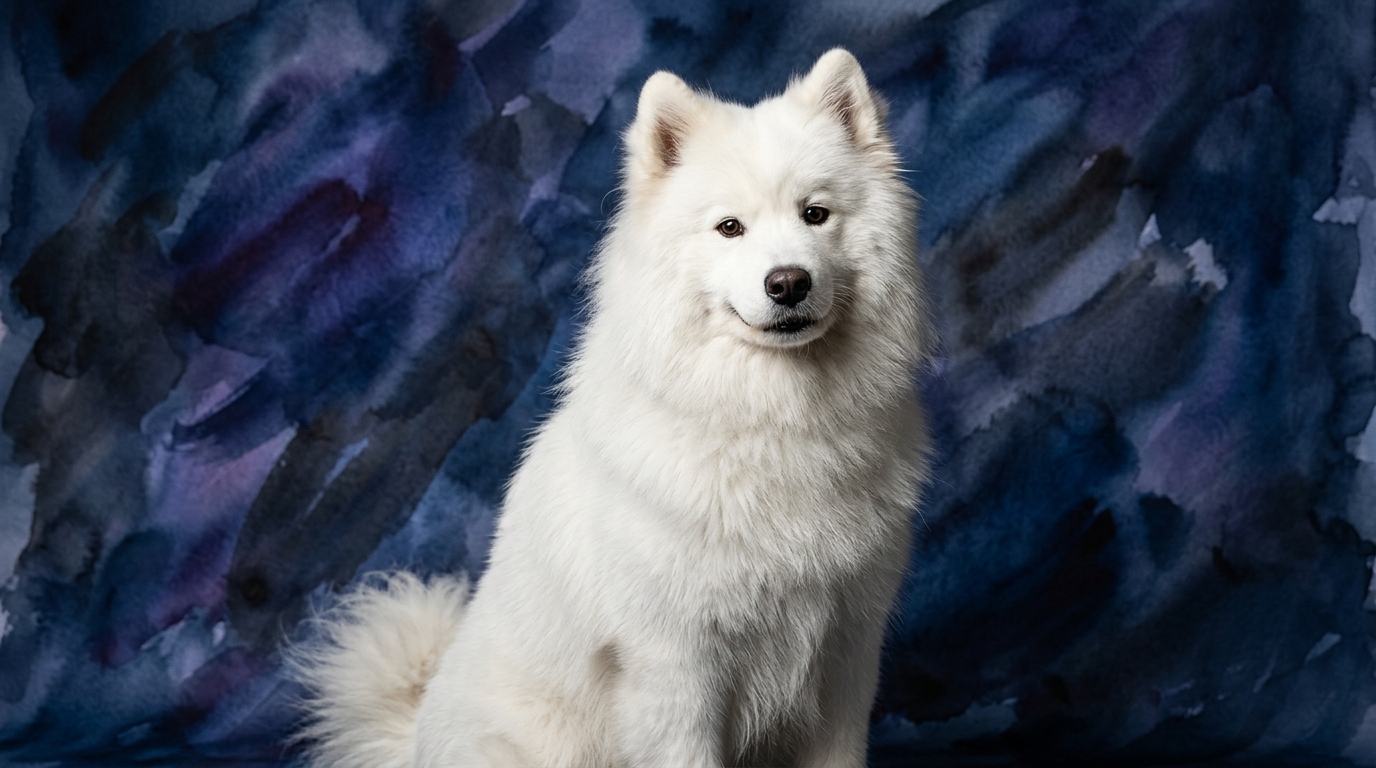
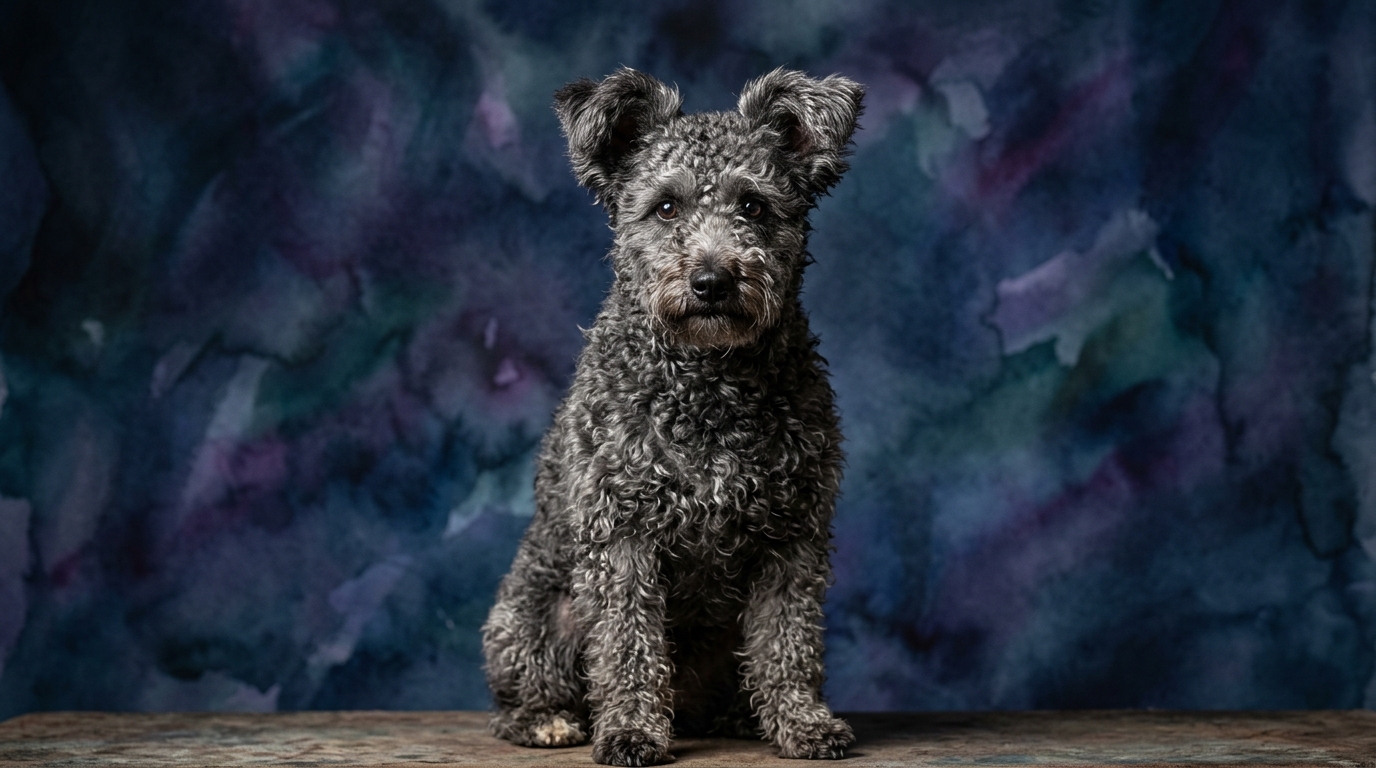
Side-by-Side IQ Profile: Samoyed vs. Pumi
The Cosmic Pet Pet IQ Lab employs five key dimensions to map a breed's cognitive architecture, providing a nuanced understanding beyond simple rankings. For the Samoyed, a breed with a Coren rank of #33, we observe a balanced yet distinctly socially-oriented profile. Their Problem Solving is rated 3/5, indicating competence in navigating novel situations, but perhaps not exceptional innovation. Training Speed also sits at 3/5, suggesting they grasp new commands at a moderate pace, requiring consistent and engaging methods. Where the Samoyed truly shines is in Social Intelligence, earning a perfect 5/5; this reflects their deep capacity for empathy, understanding human cues, and forming strong, collaborative bonds. Their Instinctive Drive is a robust 4/5, tied to their historical role as working sled dogs and companions, exhibiting a strong desire to participate and contribute. Memory is rated 3/5, sufficient for retaining learned behaviors and routines, but not extraordinary.
The Pumi, a dynamic herding breed not listed in Coren's rankings, presents a different cognitive blueprint. Their Problem Solving mirrors the Samoyed at 3/5, indicating an ability to figure things out, often with a practical, task-oriented approach. Training Speed is also 3/5, meaning they learn at a similar rate, though their independent herding nature might influence how quickly they *comply* rather than *learn*. Pumi's Social Intelligence is 3/5, reflecting a capable connection with their human counterparts but perhaps lacking the profound, almost telepathic bond often seen in Samoyeds; they are more independent in their interactions. Instinctive Drive for the Pumi is 3/5, focused acutely on their herding origins and the impulse to manage livestock, rather than the broader working drive of the Samoyed. Their Memory is also 3/5, allowing them to recall complex sequences of commands and tasks relevant to their work.
Where the Samoyed Wins Cognitively
The Samoyed's primary cognitive advantage lies in its exceptional Social Intelligence (5/5). This isn't merely about being friendly; it signifies a deep, intuitive understanding of human emotions, intentions, and social dynamics. Samoyeds are adept at reading subtle cues, making them highly empathetic companions who often anticipate their owner's needs or moods. This social acumen translates into a profound desire for connection and collaboration, making them naturally inclined to work *with* their humans rather than merely *for* them. Their Instinctive Drive (4/5) further enhances this, channeling their natural working energy into cooperative tasks, whether it's pulling a sled or participating in family activities. They possess a strong intrinsic motivation for companionship and shared purpose, which is a powerful cognitive asset for integrating into human family structures and thriving on social interaction.
Where the Pumi Wins Cognitively
The Pumi's cognitive strengths are rooted in their heritage as agile, quick-thinking herding dogs. While their Problem Solving is rated 3/5, similar to the Samoyed, the *nature* of their problem-solving is distinct. Pumis excel at on-the-spot decision-making, particularly in dynamic, fast-paced environments like herding, where they must constantly assess and react to moving targets. Their cognitive advantage lies in their mental and physical agility, allowing them to process information rapidly and execute complex maneuvers with precision. This quickness of thought, combined with a tenacious independent streak, makes them adept at tasks requiring initiative and self-direction. While their Instinctive Drive is 3/5, it's highly specialized and potent within its context, providing the relentless focus and energy needed for demanding herding or dog sport activities. They are masters of rapid assessment and decisive action.
Which is Easier to Train and Why
Despite both breeds having a Training Speed rating of 3/5, the Samoyed is generally perceived as easier to train due to their superior Social Intelligence (5/5). Samoyeds possess an inherent desire to please their human companions and thrive on positive reinforcement and close interaction. Their high social drive means they are deeply motivated by praise, attention, and the opportunity to bond during training sessions. They are eager to understand what is expected of them and will work diligently to achieve shared goals. While they can have an independent streak, their strong connection to their owners makes them highly receptive to guidance, often making the training process feel more collaborative and rewarding. Their 4/5 Instinctive Drive, when channeled appropriately, can also be a significant asset in motivation.
The Pumi, with its 3/5 Social Intelligence and 3/5 Instinctive Drive, can present a different training dynamic. While capable of learning quickly, their independent herding nature means they are often more focused on the task at hand or their own interpretation of a situation rather than solely on pleasing their owner. They require clear, consistent, and engaging training that respects their intelligence and provides an outlet for their energy and problem-solving skills. Pumis can be very responsive to positive reinforcement, but their self-reliant tendencies mean they might challenge commands or seek to do things their own way if not consistently motivated and directed. Their quickness and agility mean they learn complex sequences well, but their independent spirit might require more innovative and stimulating training approaches to maintain engagement and compliance.
Which Suits Active Owners vs. Relaxed Owners
For owners seeking an active yet deeply social companion, the Samoyed is often a fitting choice. While they require regular exercise – daily walks, playtime, and mental stimulation to prevent boredom – their activity needs are typically met with moderate-intensity engagement. They thrive on being an integral part of family life and participating in activities alongside their humans, whether it's hiking, sledding, or simply extended playtime in the yard. Their social intelligence means they are not content to be left alone for long periods; they need consistent interaction and companionship. They are ideal for owners who enjoy an active lifestyle but also value significant downtime for cuddling and social connection, appreciating a dog that is always ready for an adventure but equally happy to relax by their side.
The Pumi, by contrast, is distinctly suited for highly active owners who can provide substantial physical and mental engagement. These dogs possess an abundance of energy and a strong drive that necessitates regular, vigorous exercise. They excel in dog sports such as agility, flyball, obedience, and, of course, herding, where their quickness, focus, and problem-solving abilities are fully utilized. A Pumi needs a 'job' or consistent structured activity to prevent boredom and destructive behaviors. They are not typically suited for relaxed, sedentary lifestyles. Owners who are committed to daily high-intensity exercise, advanced training, and providing ample mental challenges will find a Pumi to be an incredibly rewarding and dedicated partner, thriving on constant engagement and purposeful activity.
The Verdict
Choose a Samoyed if you prioritize a deeply empathetic, highly social companion who thrives on collaborative interaction and moderate, shared activities.
Opt for a Pumi if you lead a highly active lifestyle, enjoy dog sports or advanced training, and can provide consistent, rigorous mental and physical challenges for an independent, agile partner.
🧠 Find Your Pet's IQ Score
Our Pet IQ Lab assessment covers 25+ tests across 5 cognitive dimensions — personalized to your breed.
Take the Full IQ Test →Frequently Asked Questions
Are Samoyeds difficult to train because of their independent streak?
Samoyeds are generally receptive to training due to their strong social drive and desire to please. While they can exhibit an independent streak, their high social intelligence means they respond well to positive reinforcement and bond-based training, making them feel easier to work with than their 3/5 training speed might suggest.
What kind of activities does a Pumi excel at, given its cognitive profile?
Pumis excel in activities that leverage their agility, quick decision-making, and high energy. They are outstanding in dog sports like agility, flyball, competitive obedience, and, naturally, herding, where their instinctive drive and problem-solving skills are put to optimal use.
How do their cognitive profiles impact their family life and interaction?
A Samoyed's high social intelligence means they integrate deeply into family life, seeking constant interaction and offering profound companionship and empathy. A Pumi, while affectionate, is more independent; they thrive with active family members who engage them in purposeful activities, but might be less inclined to constant close physical contact, preferring to be 'working' alongside their humans.