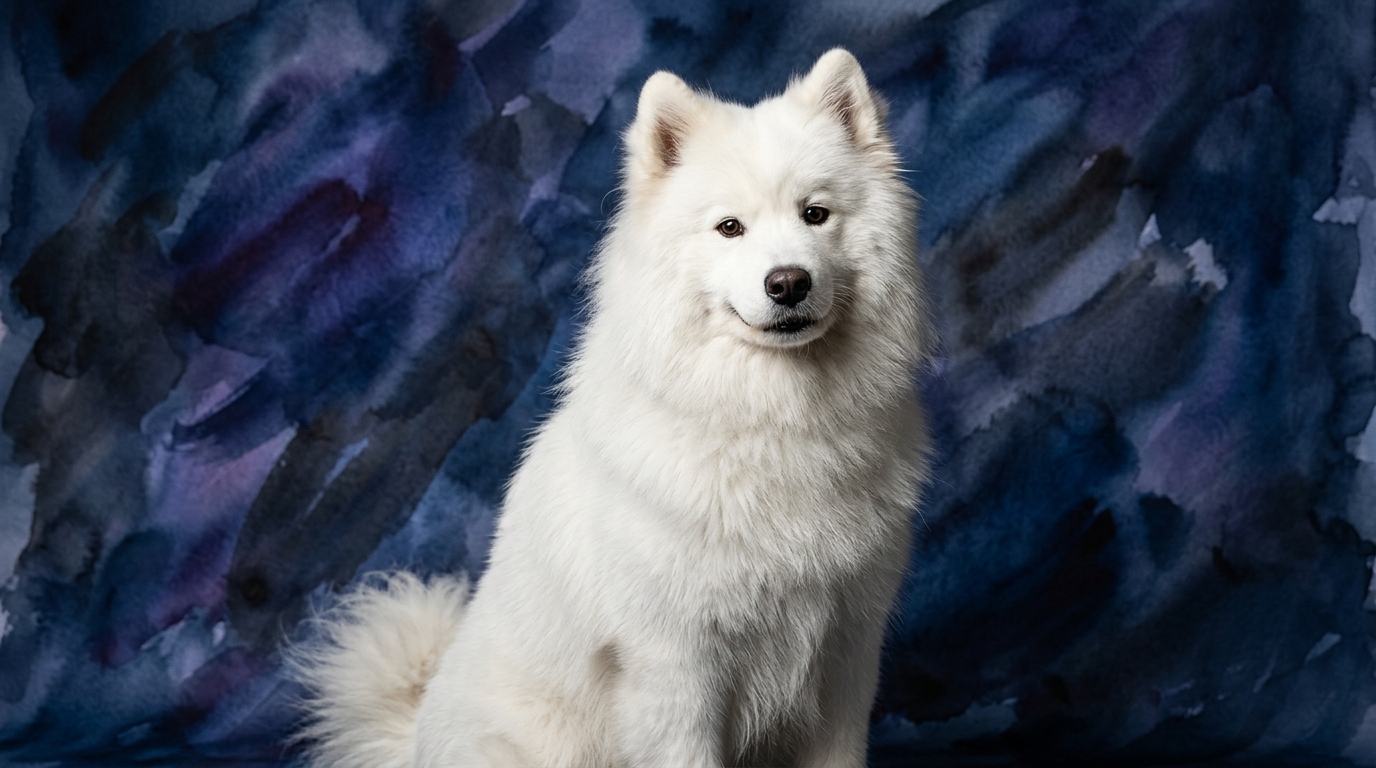
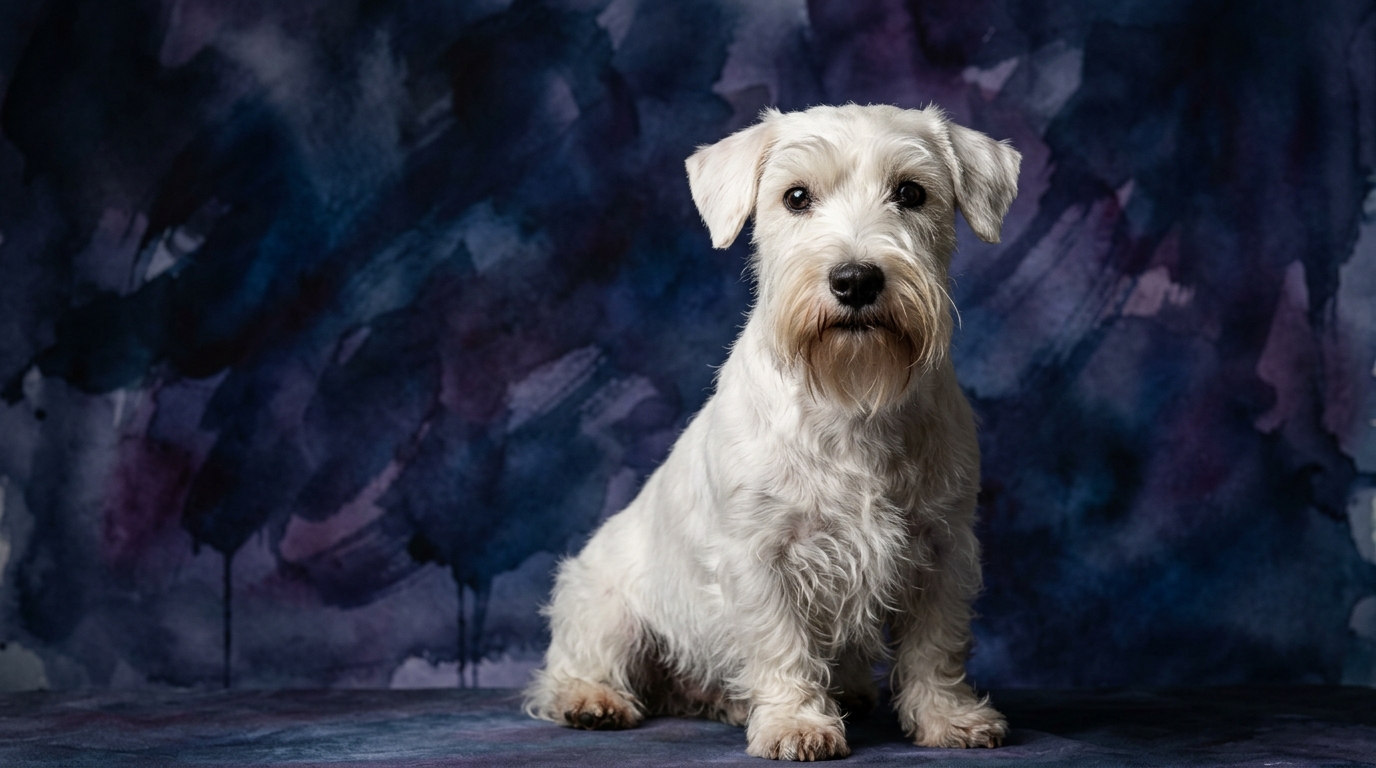
Side-by-Side Cognitive Profile
The Cosmic Pet Pet IQ Lab employs a five-dimensional framework to assess canine intelligence, offering a granular view of how breeds process information and interact with their environment. For the Samoyed, a northern working breed, its profile reveals a moderate capacity for Problem Solving (3/5), indicating an ability to navigate moderately complex tasks without being a master strategist. Its Training Speed (3/5) suggests an average pace of learning new commands, requiring consistent and engaging methods to solidify behaviors. A standout trait is its Social Intelligence (5/5), which denotes an exceptional ability to understand and respond to human emotions and social cues, fostering deep companionship. The Samoyed's Instinctive Drive (4/5) is robust, reflecting its heritage in tasks like pulling and herding, demanding outlets for this innate motivation. Finally, its Memory (3/5) is moderate, meaning learned behaviors benefit from regular reinforcement.
The Sealyham Terrier, a plucky terrier breed, shares some cognitive scores with the Samoyed but manifests them differently. Its Problem Solving (3/5) is on par, often relying on persistence and determination to overcome challenges rather than intricate planning. Training Speed (3/5) is also similar, with new tasks grasped at an average rate, though its independent nature can sometimes make compliance less immediate. Its Social Intelligence (3/5) is moderate; while affectionate with its family, it tends to be less overtly people-focused than the Samoyed, often preferring a smaller, familiar social circle. The Sealyham's Instinctive Drive (3/5) is moderate and largely centered around its vermin-hunting heritage, manifesting as curiosity, digging, and chasing. Like the Samoyed, its Memory (3/5) is moderate, benefiting from consistent practice to counteract its independent streak.
Where the Samoyed Wins Cognitively
The Samoyed's cognitive profile distinctly shines in the realm of social intelligence, scoring a perfect 5/5. This indicates an exceptional capacity for understanding and responding to human emotions, intentions, and complex social dynamics within a family unit. Unlike breeds that might merely follow commands, a Samoyed often anticipates needs, offers comfort, and integrates seamlessly into human social structures, demonstrating a profound empathy and connection. This superior social attunement means they often excel in roles requiring close partnership, such as therapy work or even simply being an incredibly responsive family companion, where their ability to read and react to subtle human signals is paramount.
Furthermore, their higher instinctive drive at 4/5, compared to the Sealyham's 3/5, represents a cognitive advantage in specific contexts. This drive isn't just about physical energy; it signifies a robust inherent motivation to engage in goal-oriented tasks, often rooted in their historical role as herders and sled pullers. This cognitive predisposition makes them naturally inclined towards activities that provide purpose and structure, allowing them to channel their mental energy into productive endeavors like advanced obedience, agility, or even complex scent work. Their cognitive 'win' here lies in their inherent readiness to apply their mental faculties towards cooperative, structured tasks, often with a clear understanding of their 'job.'
Where the Sealyham Terrier Wins Cognitively
While the Sealyham Terrier's individual scores might not exceed the Samoyed's in any specific cognitive dimension, their unique combination and moderate expression of these traits present distinct advantages for particular lifestyles. Their problem-solving ability and training speed, both at 3/5, match the Samoyed, indicating an equal capacity for learning and figuring things out, albeit through a different lens. The Sealyham often employs tenacious persistence in problem-solving, a cognitive strength that allows them to overcome obstacles through sheer willpower and repeated attempts, rather than relying on social cues or extensive planning. This makes them formidable in tasks requiring independent thought and resolve, such as navigating complex scent trails or persisting with a difficult puzzle toy.
The Sealyham's moderate social intelligence (3/5) can be considered a cognitive 'win' for owners who appreciate a dog with a more independent spirit. Unlike the Samoyed's intense need for social interaction and approval, the Sealyham's cognitive makeup allows them to be content with less constant human validation. They form strong bonds but are less prone to anxiety when left alone, demonstrating a self-assuredness that is cognitively distinct. Their instinctive drive, also at 3/5, is focused and manageable, primarily revolving around their historical purpose of hunting small quarry. This means their cognitive energy is directed towards specific, tangible tasks like exploring and digging, without the broad, demanding 'work ethic' seen in many working breeds, making their drives easier to satisfy within a typical household setting.
Training Aptitude: Samoyed vs. Sealyham Terrier
When evaluating ease of training, the Samoyed generally presents a more straightforward path for most owners, primarily due to its exceptional social intelligence (5/5). This breed actively seeks to understand and please its human companions, making them highly receptive to positive reinforcement and eager to engage in cooperative learning. Their high social attunement means they are quick to pick up on subtle cues from their trainer, adapting their behavior to meet expectations. While their training speed is 3/5, indicating an average pace of learning, their strong desire to connect and work with people significantly smooths the training process. They thrive on interaction and praise, which acts as a powerful motivator, often leading to a more willing and enthusiastic participant in training sessions, even when faced with distractions. Their inclination to be part of a 'pack' means they inherently look to their human for guidance and direction, streamlining the communication aspect of training.
Conversely, the Sealyham Terrier, despite also scoring 3/5 in training speed, often presents a greater challenge due to its more independent nature and moderate social intelligence (3/5). While capable of learning at the same pace, their terrier tenacity and self-reliance mean they are less inclined to automatically defer to human instruction. They possess a strong will and can be highly opinionated, requiring a trainer who understands how to make training feel like a partnership rather than a command-and-obey dynamic. Their instinctive drive (3/5), though moderate, is often focused on independent pursuits like scenting and digging, which can distract from structured training. Effective training for a Sealyham requires patience, consistency, and creative methods to keep them engaged, often leveraging their natural curiosity and making tasks feel like a 'game' they choose to participate in. An owner must earn their cooperation, rather than simply expecting it, making the process more demanding for those new to independent breeds.
Matching Breeds to Lifestyles: Active vs. Relaxed Owners
For active owners seeking a canine partner for adventures and consistent engagement, the Samoyed is often the more suitable choice. Their robust instinctive drive (4/5) signifies a deep-seated need for purpose and activity, stemming from centuries of working alongside humans in demanding environments. These dogs thrive when given opportunities to engage their bodies and minds in structured activities like hiking, jogging, sledding, or participating in dog sports such as agility and obedience. Their high social intelligence (5/5) means they genuinely enjoy sharing these experiences with their human companions, making them eager participants in family activities. They require consistent mental stimulation and physical exercise to remain content and well-behaved, making them an ideal match for individuals or families who embrace an energetic lifestyle and are committed to providing ample outlets for their working heritage. A Samoyed with insufficient engagement may become restless or channel its drives into less desirable behaviors.
The Sealyham Terrier, while possessing the characteristic terrier energy, generally aligns better with owners seeking a more relaxed yet still engaging companion. Their instinctive drive is moderate (3/5), primarily manifesting in bursts of activity related to exploration, scenting, and playful antics, rather than sustained, high-intensity endurance. They enjoy walks, playtime in the yard, and interactive games, but typically do not demand the same rigorous daily exercise regimen as a Samoyed. Their moderate social intelligence (3/5) means they are affectionate but also appreciate their own space, making them less prone to constant demands for attention. This balance makes them a good fit for owners who enjoy regular, moderate activity and mental challenges like puzzle toys or short training sessions, but who also appreciate a dog that is content to relax by their side for extended periods. They are spirited companions for those who enjoy playful interaction without the need for an all-consuming commitment to canine athletic pursuits.
The Verdict
Choose the Samoyed if you seek a highly socially attuned companion eager to work alongside you, thriving on cooperative tasks and shared adventures. Their profound connection with humans makes them exceptional partners for active, engaged owners who value a deeply integrated family member.
Opt for the Sealyham Terrier if you appreciate an independent, tenacious companion with a focused drive, suitable for a moderately active lifestyle and enjoying engaging, self-directed play. They are a good fit for owners who value a spirited yet less overtly demanding canine presence.
🧠 Find Your Pet's IQ Score
Our Pet IQ Lab assessment covers 25+ tests across 5 cognitive dimensions — personalized to your breed.
Take the Full IQ Test →Frequently Asked Questions
Are Samoyeds difficult to train due to their independence?
While Samoyeds have an independent streak, their high social intelligence means they are generally receptive to training when approached with positive reinforcement and consistency. Their desire to please and connect with their human partners often outweighs their independence in a structured training environment.
Do Sealyham Terriers require a lot of exercise?
Sealyham Terriers need regular exercise to satisfy their moderate instinctive drive, but typically not the intense, sustained activity required by some working breeds. Daily walks, playtime, and mental stimulation through toys or short training sessions are usually sufficient to keep them content.
Which breed is better for families with children?
The Samoyed's exceptional social intelligence often makes them wonderful family dogs, forming strong bonds and demonstrating patience with children, though supervision is always advised. Sealyham Terriers can also be good family pets, but their more independent nature means they might prefer slightly older, respectful children who understand canine boundaries.