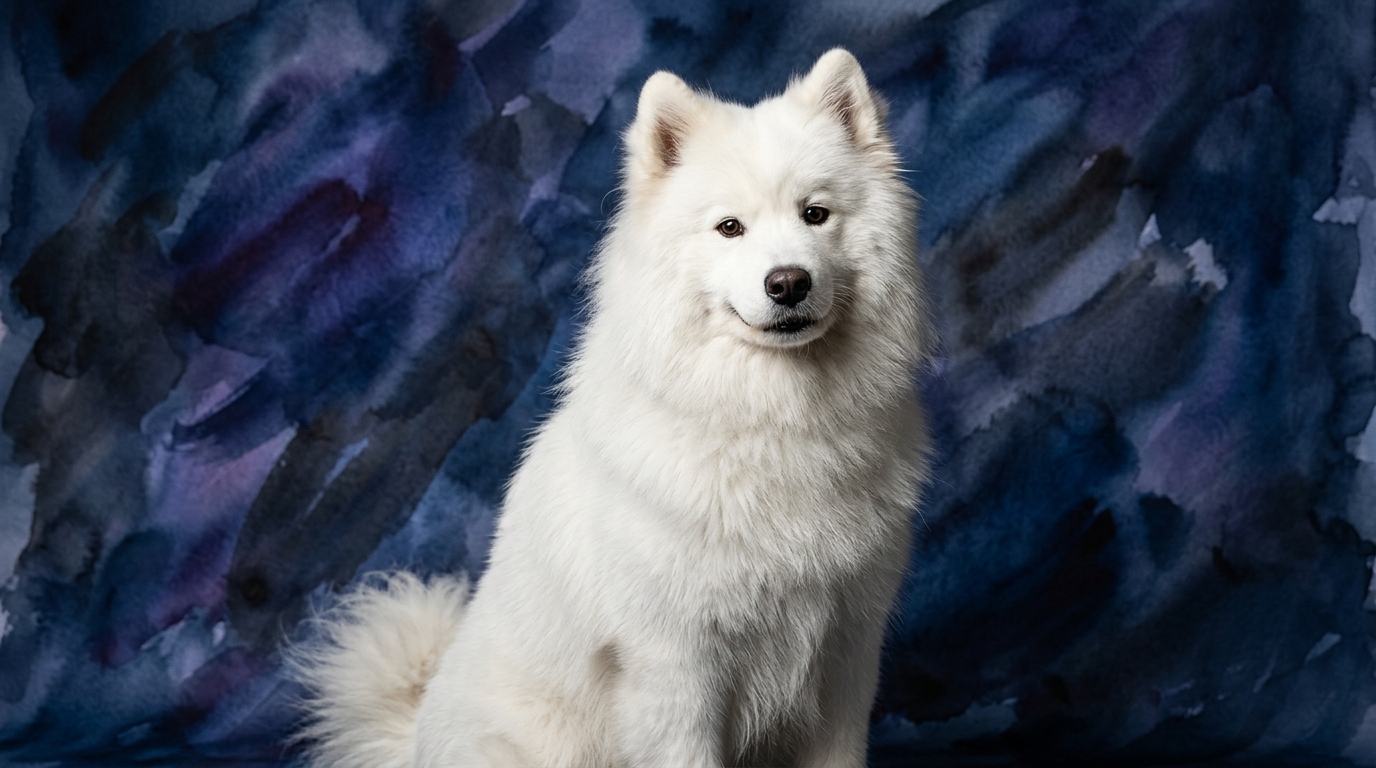
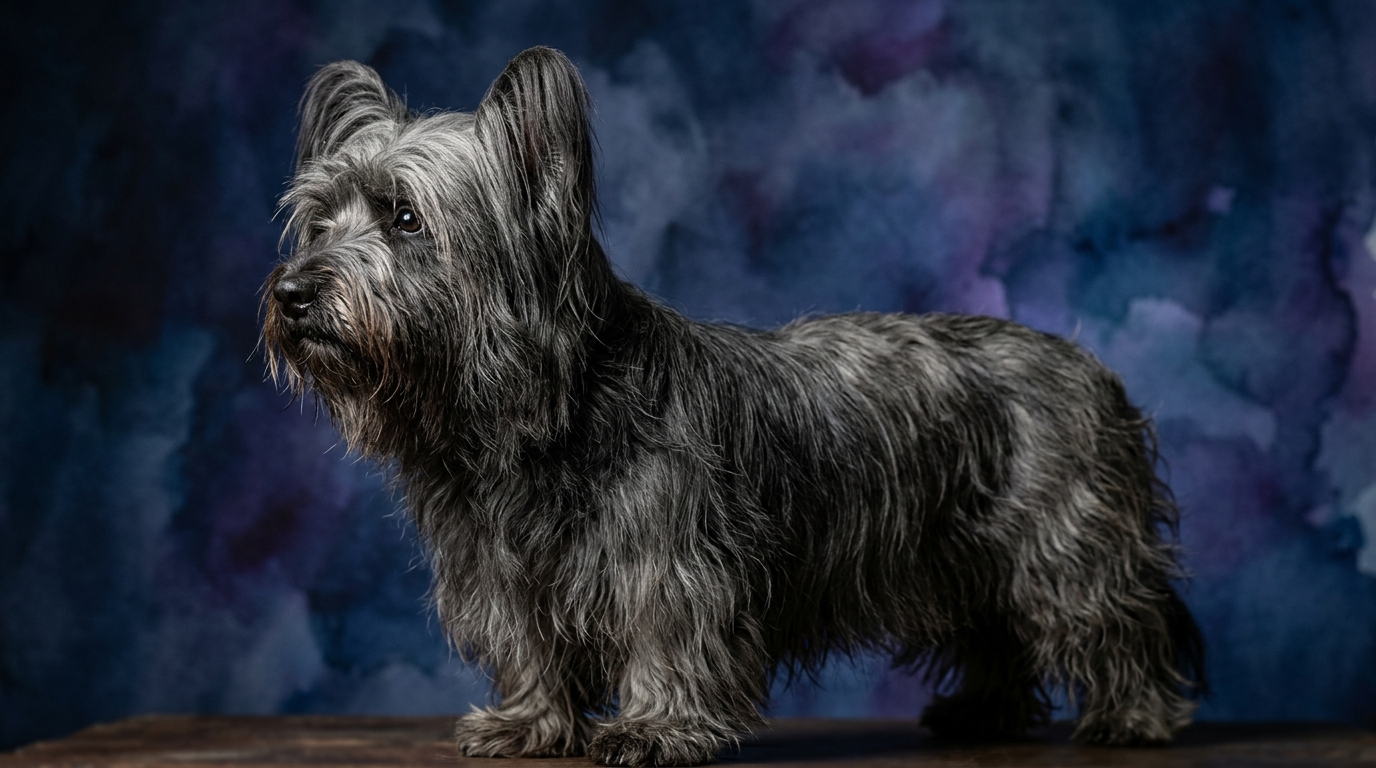
Side-by-Side IQ Profile: Samoyed vs. Skye Terrier
The Cosmic Pet Pet IQ Lab provides a detailed lens through which to view the cognitive strengths of these two distinct breeds. The Samoyed, a Working breed, is Coren-ranked #33, while the Skye Terrier, a Terrier, is not Coren-ranked. Despite this difference in overall ranking, a deeper look at their individual cognitive dimensions reveals nuanced insights.
The Samoyed's Cognitive Blueprint: The Samoyed demonstrates a Problem Solving capacity rated at 3/5. While not typically initiating complex solutions spontaneously, they possess sufficient cognitive flexibility to learn and execute multi-step routines, especially when a clear reward or communal goal is involved. Their Training Speed is also 3/5; their learning curve is steady, but their historical role as independent decision-makers in a team context means training requires consistent, engaging methods to maintain their focus and cooperation, rather than rote repetition. Where Samoyeds truly shine is in Social Intelligence, scoring an exceptional 5/5. This unparalleled capacity allows them to effortlessly interpret subtle human body language, vocal inflections, and emotional states, fostering an incredibly deep and intuitive bond that underpins their cooperative nature. Their Instinctive Drive is a robust 4/5; this drive is deeply ingrained, pushing them towards activities that mimic their ancestral roles, such as pulling, herding, or participating in structured group tasks, seeking purpose and partnership. Finally, their Memory is a reliable 3/5; their recall for established commands and routines is solid, and they can remember past interactions and environments, contributing to consistent behavior and strong associative learning.
The Skye Terrier's Cognitive Blueprint: The Skye Terrier presents a Problem Solving ability of 3/5. Their problem-solving is often practical and goal-oriented, particularly when it comes to accessing confined spaces or manipulating objects to achieve a desired outcome, reflecting their historical role in vermin control. Their Training Speed is rated 3/5; while capable learners, their training speed is often influenced by their strong individual will and a discerning approach to obedience. They require highly engaging, reward-based methods and clear motivation to maintain engagement and ensure consistent responses. Their Social Intelligence stands at 3/5. This translates into a selective approach to social interaction; they form profound, almost exclusive bonds with their primary caregivers but can be aloof or indifferent towards strangers, valuing their personal space. An Instinctive Drive of 3/5 reflects their inherent terrier tendencies for digging, scent-following, and a keen observational awareness of their surroundings, rather than a strong impetus for cooperative work. Their Memory is a steady 3/5; they possess a solid memory for routines, learned boundaries, and significant past events, which contributes to their consistent character and ability to navigate their familiar environment with confidence.
Where the Samoyed Wins Cognitively
The Samoyed's distinct cognitive advantage lies in its unparalleled Social Intelligence (5/5) and its robust Instinctive Drive (4/5) when channeled towards cooperation. This breed possesses an extraordinary capacity to read and respond to human intent, making them exceptional partners in activities requiring synchronized effort, from advanced obedience to complex dog sports like agility or canicross. Their inherent desire to be part of a "pack" and contribute fosters a unique cognitive receptiveness to collaborative learning, allowing them to anticipate human needs and respond to subtle cues with remarkable attunement. This deep social understanding enables a partnership where the Samoyed actively seeks to engage and cooperate, translating into a greater willingness to learn and perform tasks for the benefit of the group, rather than solely for personal reward. Their cognitive architecture is geared towards mutual understanding and collective achievement, making them adept at navigating nuanced social dynamics within a family unit and forming incredibly strong, responsive bonds.
Where the Skye Terrier Wins Cognitively
While the Samoyed excels in cooperative social cognition, the Skye Terrier's cognitive strengths manifest in a different, more independent vein, particularly within their Problem Solving (3/5) and Instinctive Drive (3/5). Despite similar numerical scores in problem-solving, the Skye Terrier often exhibits a tenacious, singular focus when confronted with a challenge, especially if it involves an object, a scent, or a perceived "prey." Their cognitive process is marked by an unwavering determination to overcome obstacles through persistent effort and focused attention until a self-directed objective is met. This tenacious drive allows them to methodically work through complex environmental puzzles, such as finding a hidden toy or navigating an intricate scent trail, demonstrating a unique form of resilient, independent cognitive application that sets them apart. Their ability to concentrate intently on a task, often with impressive stamina, allows them to excel in specific, self-initiated endeavors where perseverance is key, rather than relying solely on external guidance.
Which is Easier to Train and Why
When considering ease of training for cooperative tasks, the Samoyed, despite sharing a 3/5 Training Speed score with the Skye Terrier, often presents a more straightforward experience due to their exceptional Social Intelligence (5/5). Samoyeds are inherently motivated by the desire to please their human companions and participate in shared activities, making them highly responsive to positive reinforcement and eager to engage in the learning process. Their strong instinctive drive, when channeled appropriately through engaging activities, can be leveraged for focused training, as they find purpose in working alongside their person. They are more likely to offer behaviors and seek guidance, making the training process feel collaborative and rewarding. In contrast, the Skye Terrier's 3/5 Social Intelligence and inherent terrier tenacity mean training can be more of a negotiation. While intelligent and capable of learning, they possess a strong independent streak and a discerning nature; they will learn, but often on their own terms or if the perceived reward is exceptionally high. Their motivation comes less from social approval and more from self-interest or a strong desire for the specific outcome. This means Skye Terriers require more patience, consistency, and a profound understanding of their independent terrier mindset, where clear expectations and highly motivating rewards are paramount to success. While both breeds learn, the Samoyed's social inclination often makes the training journey feel more collaborative and less challenging from a compliance perspective.
Which Suits Active Owners vs. Relaxed Owners
The choice between a Samoyed and a Skye Terrier largely depends on an owner's lifestyle and their preferred level of interaction and activity. Samoyeds, with their strong Instinctive Drive (4/5) for purposeful work and high Social Intelligence (5/5), thrive with active owners who can provide ample mental stimulation and physical engagement. They excel in activities like hiking, dog sports such as agility or canicross, long vigorous walks, or even carting, and their profound need for companionship means they flourish when involved intimately in family life. A Samoyed requires an owner who is prepared for consistent interaction, training, and activity to prevent boredom and channel their energy productively into constructive outlets. The Skye Terrier, while not sedentary, has an Instinctive Drive (3/5) that manifests in bursts of intense activity and focused exploration rather than sustained endurance. They suit owners who appreciate a dog with a strong, independent personality and are content with moderate daily exercise, such as regular walks and engaging playtime that taps into their natural curiosity. While they enjoy outdoor adventures, they are often equally content with indoor companionship and a comfortable routine, making them a good fit for more relaxed owners who still provide consistent attention, mental puzzles, and opportunities for independent exploration without necessarily needing an intense, constant activity partner.
The Verdict
For owners seeking a highly social, cooperative companion eager to engage in joint activities and thrive on strong human-canine bonds, the Samoyed's cognitive profile aligns perfectly, offering a deeply interactive and rewarding partnership.
For those who appreciate a discerning, independent thinker with a tenacious spirit, capable of deep loyalty to their inner circle and a determined approach to challenges, the Skye Terrier offers a unique and rewarding partnership that values individuality.
🧠 Find Your Pet's IQ Score
Our Pet IQ Lab assessment covers 25+ tests across 5 cognitive dimensions — personalized to your breed.
Take the Full IQ Test →Frequently Asked Questions
Do Samoyeds respond well to positive reinforcement?
Yes, Samoyeds, with their high social intelligence, generally respond very well to positive reinforcement methods. They thrive on praise, treats, and engaging play as rewards, which strengthens their bond and willingness to cooperate in training.
Are Skye Terriers good watchdogs?
Skye Terriers can be effective watchdogs, often alerting their owners to strangers or unusual sounds with their distinctive bark and discerning nature. While not typically aggressive, their reserved social intelligence with outsiders makes them good at identifying unfamiliar presence and sounding the alarm.
How do their grooming needs impact their owner's routine?
Samoyeds require significant grooming due to their thick double coat, needing regular brushing several times a week to prevent mats and maintain skin health, especially during shedding seasons. Skye Terriers also have demanding grooming requirements; their long, flowing double coat needs frequent brushing, often daily, to prevent tangles and keep them comfortable and looking their best.