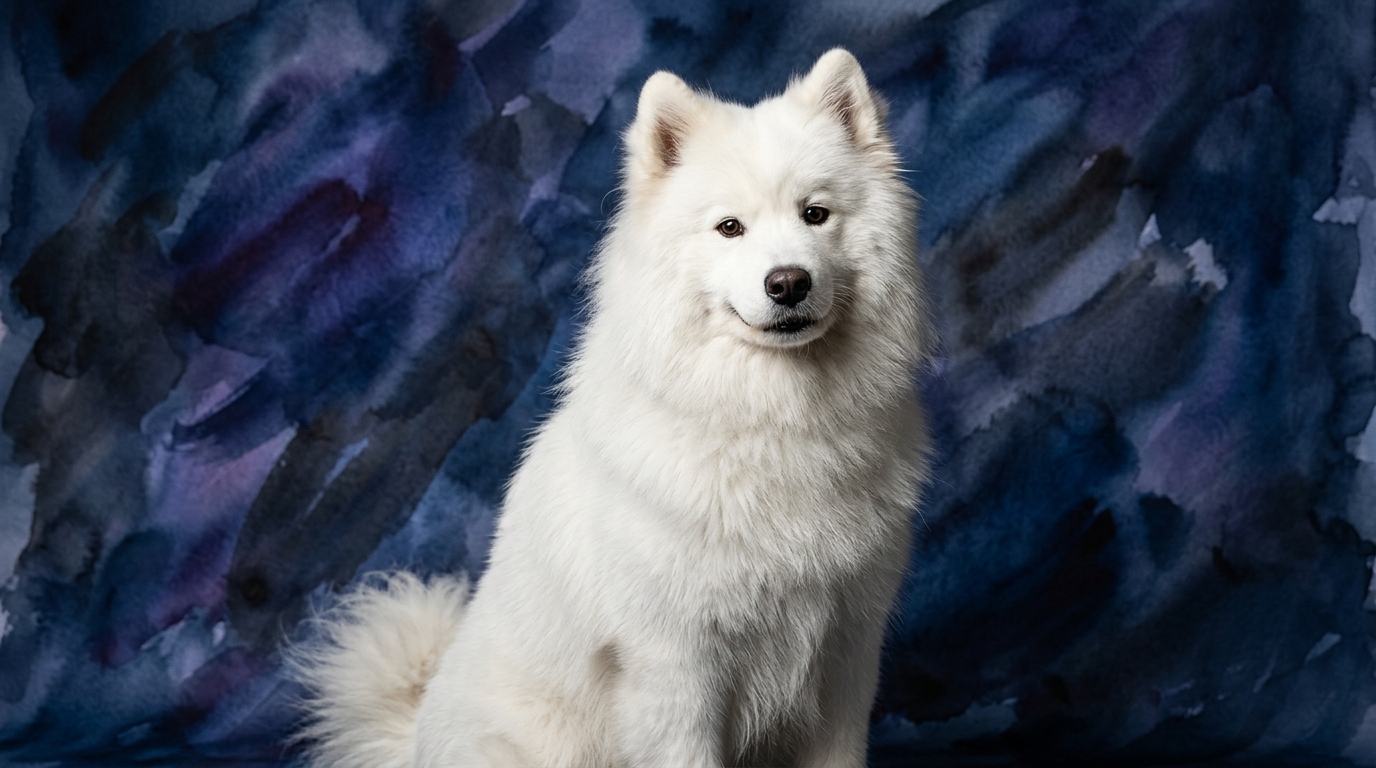
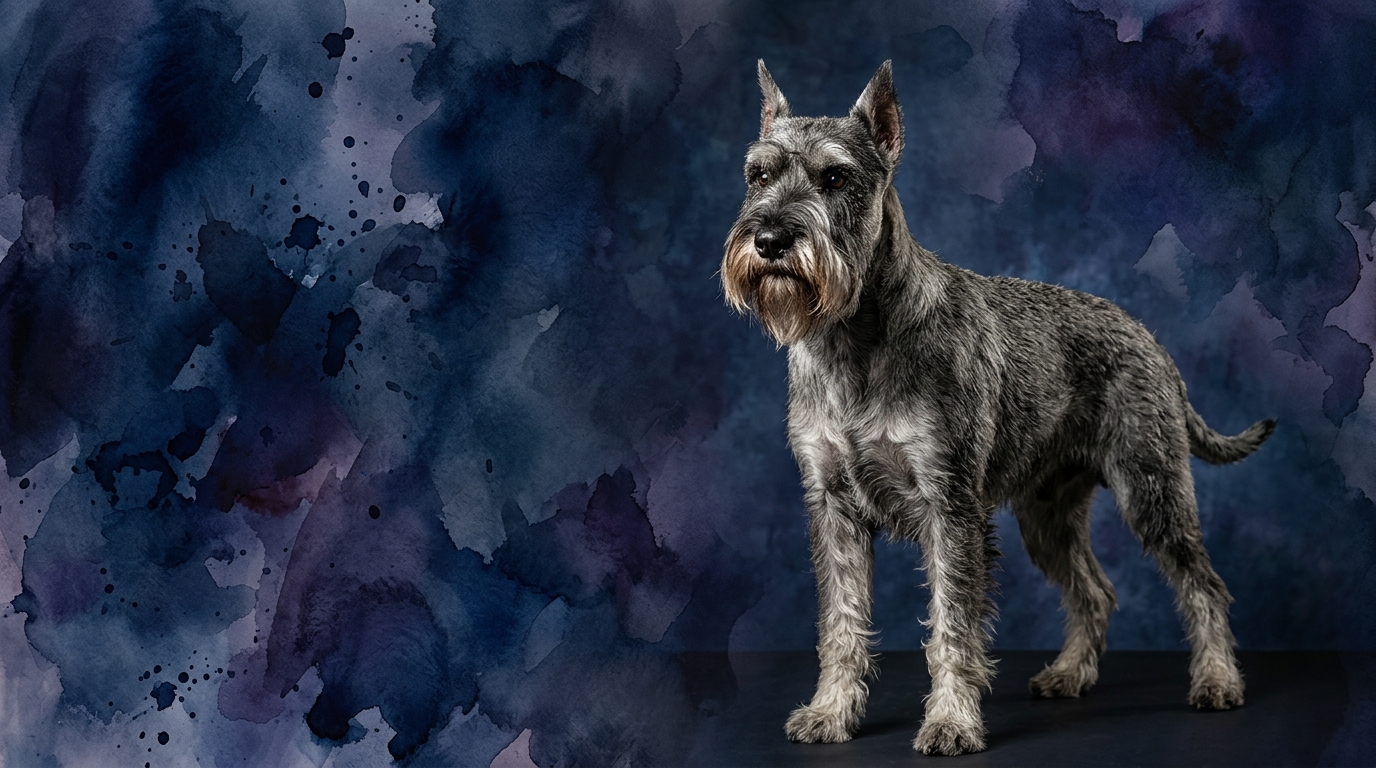
Side-by-Side IQ Profile: Samoyed vs. Standard Schnauzer
The Cosmic Pet Pet IQ Lab employs a five-dimensional framework to assess canine intelligence, moving beyond simple obedience scores to reveal a breed's full cognitive tapestry. For the Samoyed, a proud descendant of Arctic working dogs, its Problem Solving score sits at 3/5. This suggests a moderate capacity for independent thought when faced with novel challenges; while they can certainly figure things out, they might benefit from more explicit human guidance in truly complex scenarios, often preferring to collaborate. Their Training Speed, also 3/5, indicates they learn new commands at a steady, consistent pace, requiring patience and positive reinforcement to solidify lessons. Where the Samoyed truly shines is in Social Intelligence, earning a perfect 5/5. This reflects an extraordinary ability to read human emotions, understand subtle cues, and forge profound emotional connections with their families, often acting as intuitive emotional barometers. Instinctive Drive, at 4/5, highlights their inherent predispositions for activities like pulling, herding, or vocalizing, which can be harnessed for purpose or managed with consistent training. Finally, their Memory is rated 3/5, meaning they retain information and routines reasonably well, but benefit from regular practice to keep commands sharp and prevent them from fading.
In contrast, the Standard Schnauzer, a robust German farm dog known for its versatility, presents a different cognitive emphasis. Its Problem Solving ability scores higher at 4/5, indicating a strong aptitude for independent thinking and a resourceful approach to overcoming obstacles. This breed often enjoys the mental challenge of figuring things out on its own, demonstrating a capacity for strategic thought. Their Training Speed matches this, also at 4/5, signifying a quicker grasp of new commands and a general eagerness to learn, often thriving on the mental stimulation training provides. The Standard Schnauzer’s Social Intelligence is 3/5, showing a good understanding of human interactions and family dynamics, though perhaps with a more reserved or observant style compared to the Samoyed's effusive nature. Its Instinctive Drive is 3/5, often manifesting as a keen sense of watchfulness, guarding tendencies, or a drive to 'work' alongside its owner in a practical capacity. Their Memory is a notable 4/5, suggesting they efficiently store and recall learned information, making them reliable in retaining complex command sequences and routines over time, even with less frequent reinforcement. Comparing these profiles reveals how each breed's evolutionary history has shaped its unique approach to cognition and interaction.
Where the Samoyed Wins Cognitively
The Samoyed’s preeminent cognitive strength lies in its exceptional Social Intelligence, scoring a rare 5/5. This isn't just about being friendly; it signifies a profound capacity for emotional attunement and empathy. A Samoyed can often sense a shift in its owner’s mood, offering comfort or adapting its behavior without explicit commands, demonstrating a sophisticated understanding of human non-verbal communication. This makes them extraordinarily intuitive companions, excelling in roles where a deep, reciprocal bond is paramount, such as therapy work, emotional support, or simply being a devoted family member who understands the unspoken nuances of a household. Their high Instinctive Drive (4/5) also represents a cognitive win when channeled appropriately. This isn't brute force, but an innate inclination to engage in purposeful, cooperative activities, whether it's pulling a sled, participating in carting, or simply being an active, integrated part of the family 'pack.' This drive, combined with their social acumen, means they thrive when given a role and feel connected to their human counterparts, making them highly motivated by social interaction and shared experiences rather than purely task-oriented rewards. Their cognitive strengths make them masters of companionship.
Where the Standard Schnauzer Wins Cognitively
The Standard Schnauzer showcases its cognitive prowess primarily through its superior Problem Solving (4/5), Training Speed (4/5), and Memory (4/5). This combination makes them highly adept at navigating and mastering complex tasks. Their problem-solving ability means they are less likely to simply wait for direction and more inclined to assess situations and devise solutions independently, which can be invaluable in dog sports like agility or advanced obedience where quick, independent decisions are rewarded. They possess a strategic mind, often analyzing their environment for opportunities. The accelerated Training Speed means new concepts and commands are absorbed efficiently, reducing repetition and making training sessions engaging and productive for both dog and owner. Coupled with a strong Memory, the Schnauzer reliably retains a vast repertoire of commands and learned behaviors, ensuring consistency in performance even after breaks. This cognitive profile lends itself exceptionally well to owners who enjoy structured training, competitive canine activities, and working with a dog that relishes mental challenges and can execute multi-step commands with precision and a focused drive. They are often described as 'thinking dogs' who enjoy using their intellect.
Which is Easier to Train and Why
When evaluating ease of training, the Standard Schnauzer generally holds an edge, primarily due to its higher Training Speed (4/5) and Memory (4/5). Schnauzers often approach training with a focused determination, quickly grasping new concepts and committing them to memory. They tend to enjoy the process of learning and the mental engagement that comes with mastering new commands, making them enthusiastic participants in structured training sessions. Their strong problem-solving skills also mean they can often generalize learned behaviors to new situations more readily, understanding the underlying principles rather than just rote memorization. This makes them excellent candidates for progressive training, where skills build upon each other. In contrast, the Samoyed, with a Training Speed of 3/5 and Memory of 3/5, learns at a more moderate pace. While their exceptional Social Intelligence (5/5) makes them eager to please their beloved humans and form strong bonds, they also possess a degree of independent thought and a strong instinctive drive (4/5) that can sometimes translate into a 'what's in it for me?' attitude or a charming stubbornness if not adequately motivated. For example, a Samoyed might learn 'stay' quickly but decide to break it if a more interesting social interaction or scent presents itself, requiring consistent, engaging reinforcement and a deep understanding of their motivations. The Schnauzer, while also possessing independent thought, often channels this into solving the task at hand, making the training journey potentially smoother for owners seeking rapid progress and reliable command execution, especially in competitive disciplines. Their desire for a clear 'job' often translates into a keen focus during training.
Which Suits Active Owners vs. Relaxed Owners
Both the Samoyed and the Standard Schnauzer are working breeds, meaning neither is ideally suited for truly 'relaxed' owners who prefer minimal engagement. Their cognitive profiles, however, suggest nuances in the type of activity they thrive on. The Samoyed, with its high Social Intelligence and Instinctive Drive, requires an owner who is prepared for extensive social interaction and consistent physical exercise. They need to feel deeply integrated into family life and thrive on shared activities like long walks, hiking, or even pulling a cart. Their physical stamina is considerable, but their mental stimulation often comes from companionship, cooperative play, and purposeful interaction within the family unit rather than complex, structured tasks for tasks' sake. For the active owner who enjoys a deeply connected, energetic companion and can provide ample social engagement and outdoor adventures, the Samoyed is an excellent fit, particularly if they appreciate a dog that is an emotional anchor. The Standard Schnauzer, conversely, with its higher problem-solving aptitude, quicker training speed, and strong memory, suits an active owner who enjoys structured mental challenges and physical activity. They excel in dog sports like agility, obedience, or rally, where their cognitive strengths are fully utilized, finding joy in mastering intricate commands and navigating obstacles. They need consistent mental stimulation to prevent boredom and potential destructive behaviors. While they enjoy companionship, their need for 'work' often leans towards intellectual engagement and purposeful training, making them ideal for owners who are active participants in canine activities and enjoy a dog that can master intricate tasks and learn continuously. They are partners in problem-solving.
The Verdict
Choose a Samoyed if you prioritize a deeply emotionally connected, intuitive companion who thrives on social interaction and shared adventures, and you are prepared to channel their strong instinctive drives into cooperative activities.
Choose a Standard Schnauzer if you desire a sharp, quick-witted partner for structured training, dog sports, and appreciate a dog with strong problem-solving skills, a reliable memory, and a keen focus on mastering complex tasks.
🧠 Find Your Pet's IQ Score
Our Pet IQ Lab assessment covers 25+ tests across 5 cognitive dimensions — personalized to your breed.
Take the Full IQ Test →Frequently Asked Questions
Do Samoyeds get bored easily?
Samoyeds, with their strong instinctive drive and high social intelligence, can indeed become bored or restless if not adequately stimulated. They thrive on companionship and purposeful activity, needing daily exercise and inclusion in family life to prevent undesirable behaviors.
Are Standard Schnauzers good family dogs?
Standard Schnauzers can be excellent family dogs, especially for active households that appreciate their keen intellect and protective instincts. They form strong bonds and enjoy participating in family activities, though their social intelligence is more reserved than a Samoyed's.
What kind of mental stimulation do Samoyeds need?
Samoyeds benefit greatly from mental stimulation that involves social interaction and channeling their natural drives. This includes interactive play with family members, puzzle toys, opportunities for "work" like pulling, and consistent, engaging training sessions that leverage their desire to please.