Side-by-Side Cognitive Profiles
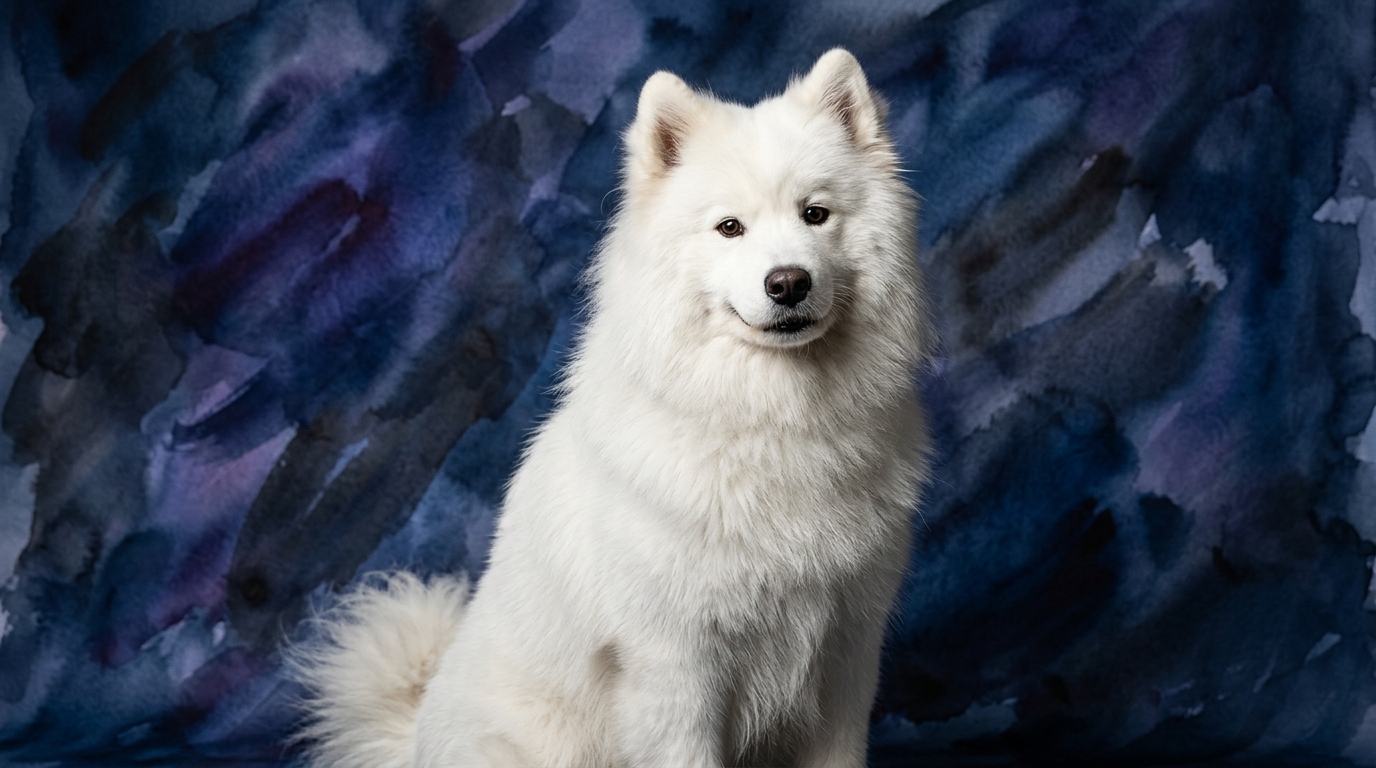
The Cosmic Pet Pet IQ Lab employs five key dimensions to assess canine intelligence, offering a nuanced view beyond a simple 'smart' label. For the Samoyed, a Working group dog with a Coren rank of #33, their cognitive profile paints a picture of a socially adept companion with a strong work ethic. Their Problem Solving is rated at 3/5, indicating a capacity to handle familiar challenges competently but not an inclination for complex, abstract intellectual puzzles. They excel when tasks are clearly defined, rather than requiring independent, novel solutions. Training Speed also sits at 3/5; Samoyeds learn new commands at a moderate pace, often requiring consistent, engaging methods. Their historical role demanded a degree of independence, meaning they respond best to training that feels collaborative and rewarding, rather than rote memorization. However, their Social Intelligence is a standout 5/5, reflecting an exceptional ability to understand and respond to human emotions and social cues, fostering deep, empathetic bonds. Instinctive Drive is strong at 4/5, rooted in their sled-pulling and herding ancestry, manifesting as a desire for purposeful activity and often a robust prey drive. Finally, their Memory is 3/5, solid for retaining routines and commands with repetition, though not for intricate, multi-layered sequences.
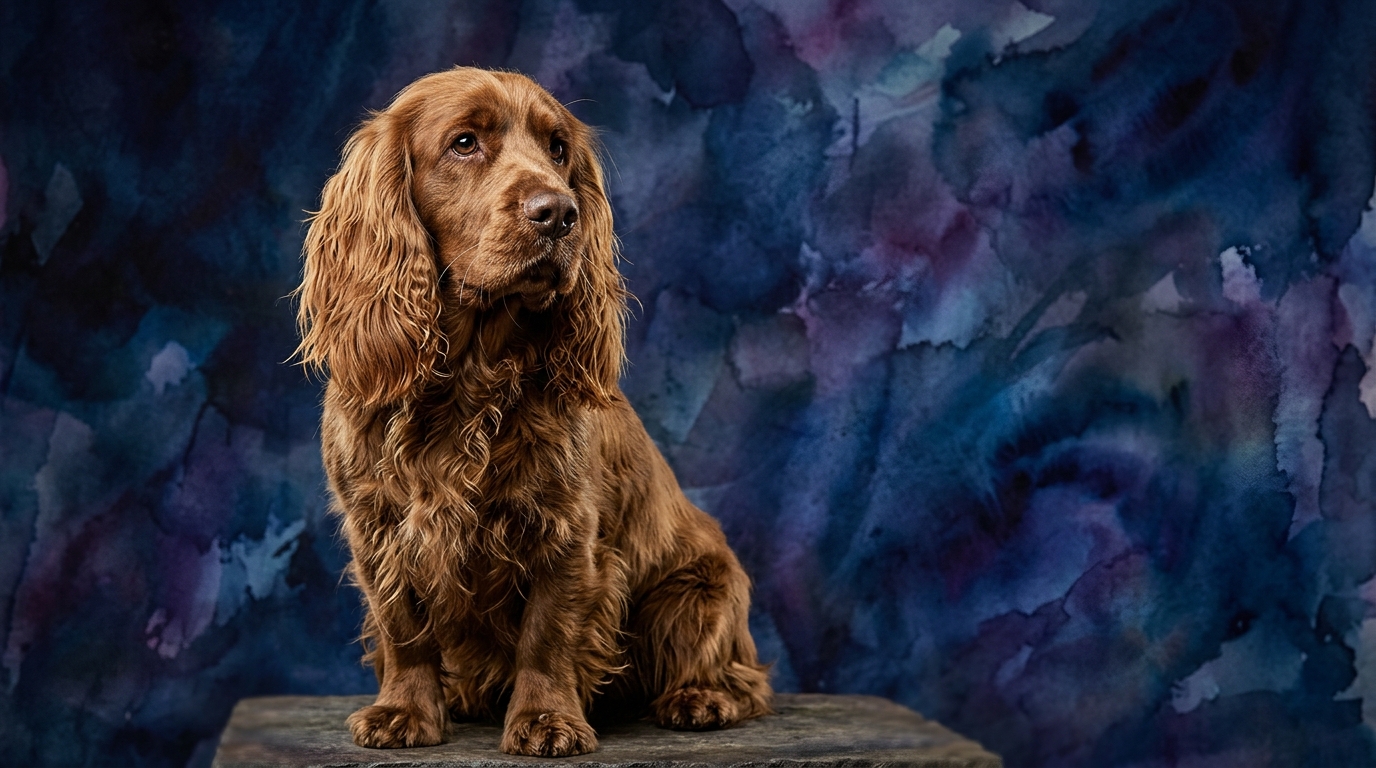
In contrast, the Sussex Spaniel, a Sporting group dog with a Coren rank of #62, presents a more uniformly moderate cognitive landscape tailored to its specific historical function. Their Problem Solving is also 3/5, indicating they are capable of navigating their environment effectively, particularly in scenting and flushing game, but they don't typically seek out or excel at abstract intellectual challenges without clear direction. Their Training Speed is likewise 3/5; Sussex Spaniels learn at a moderate pace, benefitting greatly from patient, positive reinforcement. Their desire to please their handler aids in this process, though their focus can sometimes be captured by intriguing scents. Social Intelligence for the Sussex Spaniel is 3/5, meaning they are affectionate with their families but might not possess the same intuitive grasp of subtle human emotional states or complex social dynamics as the Samoyed. Their Instinctive Drive is 3/5, primarily focused on their sporting heritage of methodical scenting and flushing, which is present but less overtly energetic than some other working or sporting breeds. Lastly, their Memory is 3/5, reliable for retaining commands and routines with consistent practice, particularly those related to their field work, but not a standout strength for highly complex, multi-step behaviors.
Where the Samoyed Shines Cognitively
The Samoyed demonstrably holds a cognitive advantage in the realm of social intelligence, scoring a perfect 5/5 compared to the Sussex Spaniel’s 3/5. This isn't merely about being friendly; it signifies a profound capacity for emotional attunement. A Samoyed can often read subtle shifts in human mood, anticipate needs, and offer comfort with an almost intuitive understanding, making them incredibly empathetic and deeply connected companions. This high social acumen translates into a dog that thrives on interactive engagement and forms strong, reciprocal bonds, often feeling like a true conversational partner in their own non-verbal way. For owners seeking a dog that is deeply integrated into the family's emotional fabric, the Samoyed's social intelligence is a significant win.
Furthermore, the Samoyed’s robust Instinctive Drive of 4/5, versus the Sussex Spaniel’s 3/5, provides a distinct cognitive edge for specific tasks. This strong drive, deeply rooted in their heritage of herding reindeer and pulling sleds, means they possess an innate, powerful motivation for purposeful activity. While this can manifest as a strong desire to pull on a leash or pursue small animals, it also means they are more inclined to engage in tasks that provide a sense of utility and challenge. When channeled appropriately through activities like dog sports (e.g., canicross, agility, drafting) or advanced obedience, this deep-seated drive translates into exceptional persistence and focus. This inherent wellspring of internal motivation allows Samoyeds to sustain effort and enthusiasm for demanding physical and mental tasks in a way that the more moderately driven Sussex Spaniel might not match, making them highly capable partners for active, task-oriented owners.
Where the Sussex Spaniel Shows Unique Strengths
While the raw scores might suggest fewer outright cognitive “wins” for the Sussex Spaniel, their nuanced profile offers distinct advantages for specific lifestyles and owner preferences. The Sussex Spaniel’s Instinctive Drive, rated at 3/5, is specifically tailored for methodical field work, contrasting with the Samoyed’s more expansive 4/5 drive. This means their inherent drive, while present and requiring outlets, is often less overwhelming and more contained than the Samoyed’s robust working impulses. For owners seeking a companion whose instincts are primarily focused on scenting and flushing, without the intense pulling, herding, or high-energy output, the Sussex offers a more predictable and manageable working impulse. This controlled drive translates into a dog that, while still needing engagement for its sporting nature, is less likely to present challenges stemming from excessive, unfocused energy or an overwhelming desire to roam or pull. They are driven, but in a more precise, less frantic manner.
Additionally, the Sussex Spaniel’s moderate Social Intelligence (3/5) can be perceived as a strength for owners who appreciate a dog that is affectionate and connected but perhaps less intensely demanding of constant human emotional engagement. While Samoyeds thrive on deep social connection and emotional mirroring, the Sussex Spaniel is content with a more balanced interaction, offering steadfast companionship without the same level of emotional anticipation or subtle responsiveness. This can be less emotionally taxing for some owners, allowing for a dog that is present and loving, yet slightly more independent in its emotional landscape compared to the highly attuned Samoyed. It’s not a deficit, but rather a different relational style that suits human personalities who prefer a more understated yet deeply loyal canine presence.
Ease of Training: A Divergent Path
Despite both breeds scoring an identical 3/5 for Training Speed, the practical ease of training diverges significantly due to their other cognitive traits and behavioral predispositions. The Samoyed's exceptional Social Intelligence (5/5) means they are profoundly motivated by human approval and positive interaction. They respond well to training that feels like a shared, engaging activity and thrive on the bond formed during these sessions. However, their strong Instinctive Drive (4/5) and historical independence, bred for working long hours without constant direct human command, mean they can be easily distracted by novel stimuli or their own agenda. Training a Samoyed requires creativity, consistency, and making the process feel like a collaborative game. If training isn't consistently stimulating and rewarding, their independent streak can manifest as selective hearing or a tendency to follow their own compelling instincts, particularly their strong desire to pull, explore, or chase.
The Sussex Spaniel, also rated 3/5 for training speed, approaches learning with a different set of internal motivators. Their moderate Social Intelligence (3/5) means they are less intensely focused on subtle human emotional cues than a Samoyed, but their inherent desire to please their primary handler is still a significant factor. Their more contained Instinctive Drive (3/5), primarily focused on scenting and flushing, means they are less prone to the high-energy, independent pulling behaviors seen in Samoyeds. However, this strong sense of smell can be a powerful distraction in training environments, often overriding other stimuli. They require patient, consistent training with a strong emphasis on positive reinforcement, and often benefit from training methods that incorporate their natural scenting abilities to keep them engaged and prevent boredom. While not as prone to independent 'freethinking' as the Samoyed, a Sussex Spaniel might require more repetition to solidify commands, particularly if compelling scents are present. Therefore, neither is 'easy' in a generic sense, but the Samoyed thrives on socially interactive training, while the Sussex Spaniel excels with consistent, scent-aware methods.
Lifestyle Match: Active vs. Relaxed Owners
For active owners seeking a true adventure partner, the Samoyed is often a more natural and rewarding fit. Their 4/5 instinctive drive and heritage as working dogs mean they thrive on consistent, vigorous physical activity and engaging mental challenges. They are built for endurance, enjoying long walks, runs, hiking, and participating enthusiastically in dog sports such as agility, canicross, or drafting. Owners who can consistently provide daily outlets for their substantial energy and opportunities to 'work' or solve problems—even if it's just a challenging puzzle toy or a complex training routine—will find a Samoyed to be a joyful, engaged, and well-behaved companion. Their high social intelligence also means they deeply enjoy activities that involve their human family, making them excellent partners for shared adventures. A Samoyed requires an owner ready to commit to substantial daily exercise and ongoing interactive engagement to prevent boredom, which can lead to undesirable behaviors.
Conversely, the Sussex Spaniel aligns better with owners seeking a more relaxed pace, though by no means a sedentary lifestyle. While they are sporting dogs with a 3/5 instinctive drive, their activity level is generally more moderate and methodical compared to the Samoyed. They thoroughly enjoy regular, moderate walks, especially where they can engage their keen noses in interesting scents, and benefit from supervised time in a securely fenced yard. They are less inclined to sustained, high-intensity activities and are often content to relax with their family after a good sniff-walk or a focused training session. Their lower demand for frantic physical output makes them suitable for owners who prefer leisure activities that don't always involve high-impact exercise, but who are still committed to daily mental stimulation and moderate physical activity, perhaps in the form of scent games or short, engaging training sessions. They are an excellent choice for those who appreciate a calm, affectionate presence in the home without the intense, demanding energy output of a true working breed.
The Verdict
Choose the Samoyed if you are an active individual or family seeking a highly social, empathetic companion eager to engage in demanding physical and mental activities, and you appreciate a dog deeply attuned to your emotions.
Opt for the Sussex Spaniel if you desire a steadfast, affectionate companion with a more moderate energy level, who enjoys leisurely walks and a calmer home environment, and you appreciate their methodical, scent-driven approach to the world.
🧠 Find Your Pet's IQ Score
Our Pet IQ Lab assessment covers 25+ tests across 5 cognitive dimensions — personalized to your breed.
Take the Full IQ Test →Frequently Asked Questions
Are Samoyeds good family dogs?
Yes, Samoyeds, with their exceptional social intelligence (5/5), are typically wonderful family dogs. They thrive on interaction and connection, forming deep bonds with their human family members and often being very patient and gentle with children when properly socialized and trained.
Do Sussex Spaniels need a lot of exercise?
Sussex Spaniels require moderate, consistent exercise. While their instinctive drive is 3/5, they are not high-energy dogs like some other sporting breeds. Daily walks where they can explore scents, along with some playtime, are usually sufficient to keep them content and healthy.
Which breed is more independent, Samoyed or Sussex Spaniel?
The Samoyed tends to exhibit more independence, a trait stemming from their working heritage where they often operated with less direct human supervision. While very social, their problem-solving (3/5) and training speed (3/5) can be influenced by their independent streak, whereas the Sussex Spaniel, though also moderate in training speed, often has a stronger desire to work cooperatively with its handler.