Side-by-Side IQ Profile: Samoyed vs. Swedish Vallhund
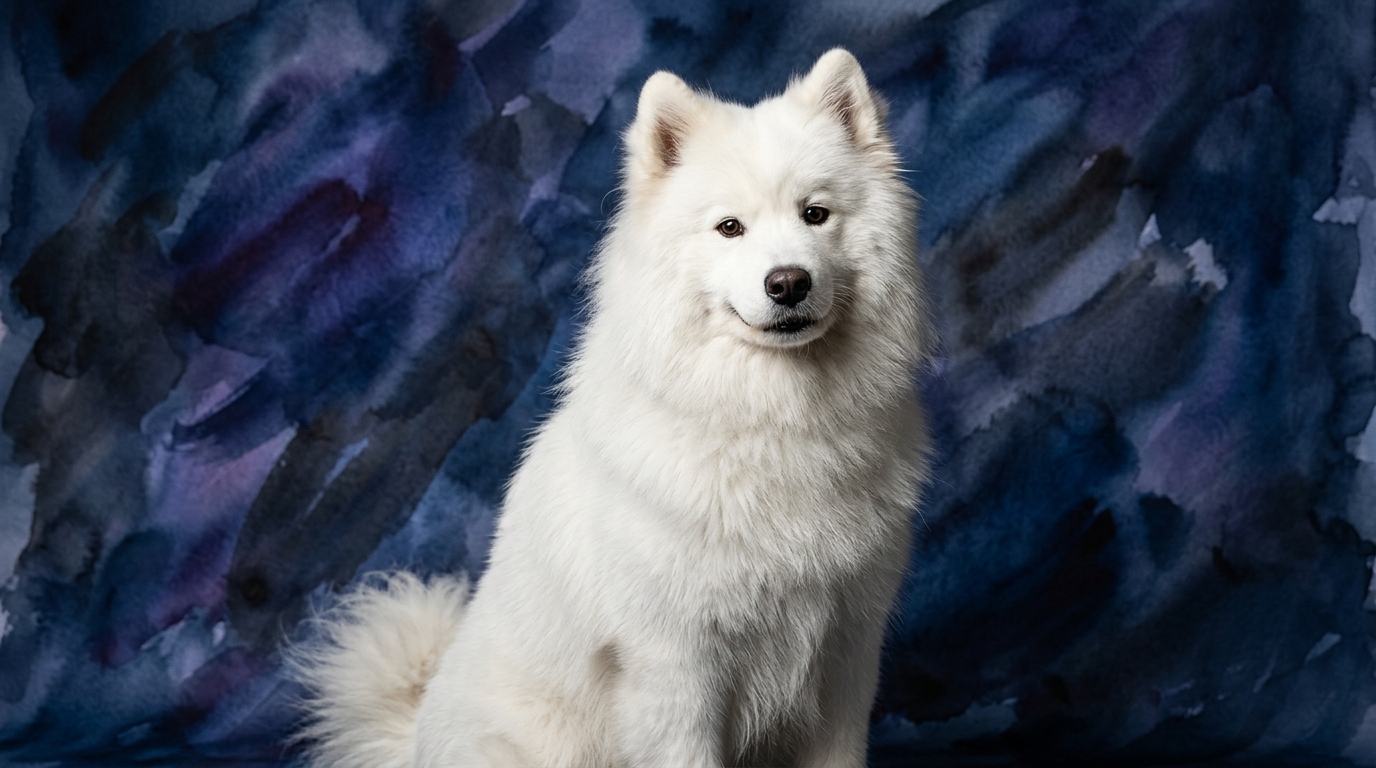
The Samoyed, a majestic dog from the Working Group, is known for its endurance and companionship. Its cognitive profile includes:
Problem Solving (3/5): Samoyeds demonstrate moderate problem-solving, often favoring practical solutions linked to social dynamics or immediate needs rather than extensive abstract reasoning. Their solutions tend to be direct, especially when involving their human family.
Training Speed (3/5): Their training speed is adequate, learning new commands and routines effectively, though their independent spirit demands consistent, positive reinforcement to maintain engagement and solidify learning.
Social Intelligence (5/5): Samoyeds possess exceptional social intelligence, forming deep, empathetic connections and expertly reading human emotions and social cues, making them highly attuned family members.
Instinctive Drive (4/5): A powerful instinctive drive, rooted in their sled dog and herding heritage, fuels strong impulses for pulling, exploring, and pack interaction, necessitating purposeful group activity and engagement.
Memory (3/5): Their memory is solid, enabling them to recall learned commands, routines, and social interactions, contributing to consistent behavior patterns and long-term relationship maintenance.
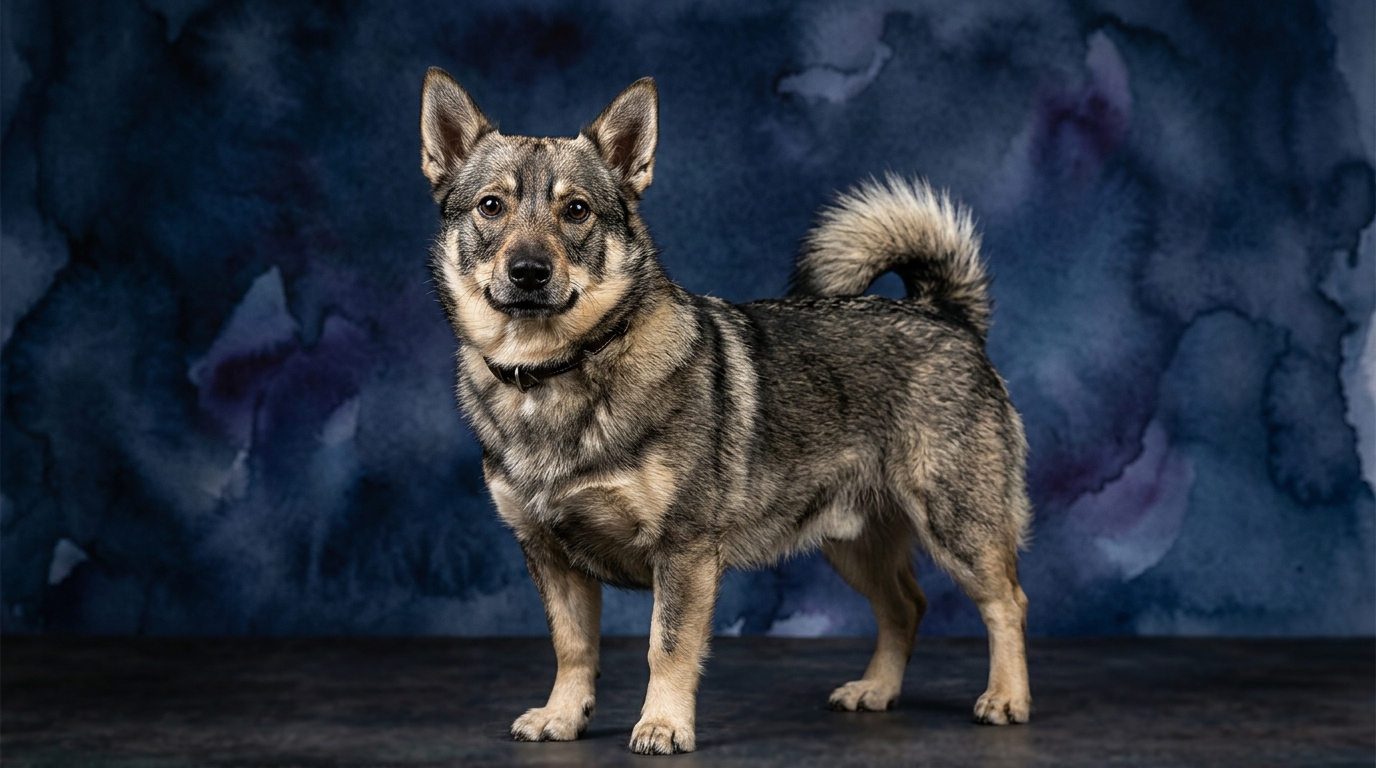
The Swedish Vallhund, a spirited dog from the Herding Group, offers a different set of cognitive strengths:
Problem Solving (3/5): Swedish Vallhunds exhibit moderate problem-solving, employing a clever, opportunistic approach with practical solutions grounded in their herding need for quick adaptability and environmental awareness.
Training Speed (3/5): With moderate training speed, Vallhunds are capable learners, but their strong will and independent streak require patient, engaging methods to keep them focused and motivated.
Social Intelligence (3/5): Vallhunds have good social intelligence, forming strong family bonds and understanding basic social dynamics, though their focus is often on their immediate unit rather than broader social circles.
Instinctive Drive (3/5): Their well-developed instinctive drive centers on herding, manifesting as a desire to gather and control movement, often channeled into specific activities like agility or competitive sports.
Memory (3/5): Vallhunds possess reliable memory, retaining training, routines, and past experiences, which ensures consistency in their behavior and navigation of familiar environments and interactions.
Where the Samoyed Wins Cognitively
The Samoyed's primary cognitive advantage is its unparalleled social intelligence, earning a perfect 5/5. They possess an extraordinary capacity to read and respond to human emotions, displaying a profound empathy that fosters exceptionally deep, intuitive bonds. This allows them to integrate seamlessly into complex family dynamics, often anticipating needs or offering comfort without explicit prompts, such as subtly adjusting play to a child's energy. This superior social processing makes them highly effective in roles demanding close human-animal partnerships, like therapy work, where sensitivity to human emotional states is paramount.
While their problem-solving and training speed are average, their ability to 'tune in' to their human companions provides a unique pathway for cooperation, often learning best when training is framed within a social context and driven by their desire to please their beloved people. This, coupled with their robust instinctive drive for group activity (4/5), means they thrive in environments where they are integral members of a 'pack,' whether human or canine, making collective endeavors highly motivating for them.
Where the Swedish Vallhund Wins Cognitively
The Swedish Vallhund's cognitive strengths lean into a practical intellect, particularly evident in their balanced instinctive drive and problem-solving skills, both rated 3/5. Their herding background infuses their approach with distinct adaptability; they are quick thinkers in dynamic situations, often needing to make independent decisions on the fly to manage livestock. This translates into a keen awareness of their surroundings and a swift reaction to environmental changes, which is less about abstract reasoning and more about practical application and strategic maneuvering, core to their heritage. For instance, a Vallhund might devise novel ways to 'herd' toys or even playfully guide family members, displaying an inventive application of their inherent drives.
The Vallhund's instinctive drive is focused and purposeful, primarily directed towards control and movement. This makes them exceptionally adept at activities requiring precision and responsiveness, such as agility or competitive obedience, where their focused energy can be channeled effectively. Their reliable memory (3/5) ensures consistent retention of learned behaviors. This combination of focused drive, practical problem-solving, and solid memory makes the Vallhund a highly capable and versatile working companion, especially for tasks that demand quick, intelligent action and a strong sense of purpose.
Which is Easier to Train and Why
Assessing ease of training between the Samoyed and the Swedish Vallhund reveals a nuanced picture, as both breeds score 3/5 in training speed and memory. However, their underlying motivations and cognitive predispositions create different training experiences. The Samoyed, with its exceptional social intelligence (5/5), responds profoundly to training rooted in connection and positive social interaction. Eager to please their beloved people, they thrive on praise and companionship; ignoring a command can feel like a social disconnect for them, making them generally compliant when the bond is strong. However, their independent spirit and vocal tendencies can sometimes present distractions, requiring patience to maintain focus.
The Swedish Vallhund approaches training with a different cognitive framework. Their moderate social intelligence (3/5) means they are loyal partners but may not possess the same inherent drive to 'read' their owner's every subtle cue. Instead, training success often hinges on clear, consistent communication and engaging tasks that appeal to their instinctive drive for purpose and activity. They can be more prone to stubbornness if they don't see the value in a command or if the training isn't stimulating enough. Their herding background means they appreciate structure and clear boundaries, and they will respect a trainer who provides consistent leadership. Thus, while both require commitment, a Samoyed might be easier for an owner who prioritizes relationship-based training, whereas a Vallhund might thrive with an owner who enjoys structured, task-oriented training sessions.
Which Suits Active Owners vs. Relaxed Owners
For owners seeking a highly active companion, both the Samoyed and the Swedish Vallhund present compelling options, though their activity needs manifest differently. The Samoyed, with its robust instinctive drive (4/5) rooted in its history as a sled dog, requires substantial physical exercise and mental engagement. They are built for endurance and thrive on long walks, runs, hikes, and activities like carting or skijoring. Their strong pack drive means they generally prefer to engage in these activities with their human family. A relaxed owner might find the Samoyed's energy levels overwhelming, as inadequate exercise can lead to boredom and potentially destructive behaviors or excessive vocalization. They need a lifestyle that accommodates their need for purposeful activity and companionship, making them ideal for individuals or families who embrace an active, outdoor-oriented routine.
The Swedish Vallhund, while also an active breed, possesses a more moderate instinctive drive (3/5) that is often channeled into specific tasks. They are energetic and agile, excelling in dog sports like agility, obedience, and herding trials. Their smaller size means their exercise needs can often be met with vigorous daily walks, playtime, and mental challenges within a smaller space compared to the Samoyed. They do not typically require the same sheer volume of endurance exercise. A relaxed owner who is still committed to daily engagement and mental stimulation could potentially manage a Vallhund, provided they offer consistent training, puzzle toys, and interactive play to satisfy their working intellect. They are adaptable but need a 'job' to feel fulfilled, even if that job is navigating an agility course in the backyard. Therefore, the Samoyed suits the truly active, outdoorsy owner, while the Vallhund suits an active owner who appreciates focused engagement and mental challenge over sheer mileage.
The Verdict
Choose the Samoyed if you prioritize a deeply empathetic, socially attuned companion who thrives on close family integration and shared outdoor adventures, and you are prepared for their significant exercise needs and vocal nature.
Choose the Swedish Vallhund if you seek a clever, versatile working partner who excels in structured activities and enjoys mental challenges, and you appreciate a loyal companion with a focused, purposeful drive.
🧠 Find Your Pet's IQ Score
Our Pet IQ Lab assessment covers 25+ tests across 5 cognitive dimensions — personalized to your breed.
Take the Full IQ Test →Frequently Asked Questions
Do Samoyeds and Swedish Vallhunds bark a lot?
Samoyeds are well-known for their tendency to be vocal, often expressing themselves with howls, 'woo-woos,' and barks, especially when bored or seeking attention. Swedish Vallhunds are also quite vocal, using barks to alert their owners and express excitement, a trait stemming from their herding roots.
Are Samoyeds or Swedish Vallhunds better with children?
Samoyeds, with their high social intelligence and gentle nature, generally make excellent family pets and are patient with children, often forming strong bonds. Swedish Vallhunds are also typically good with children, especially if raised with them, but their herding instinct might lead them to playfully nip at heels, requiring supervision and training.
Which breed requires more grooming?
The Samoyed's thick double coat requires extensive grooming, including regular brushing several times a week and professional grooming during shedding seasons to prevent matting. The Swedish Vallhund has a shorter, harsher double coat that is much lower maintenance, needing only weekly brushing and occasional baths.