Side-by-Side Cognitive Profiles
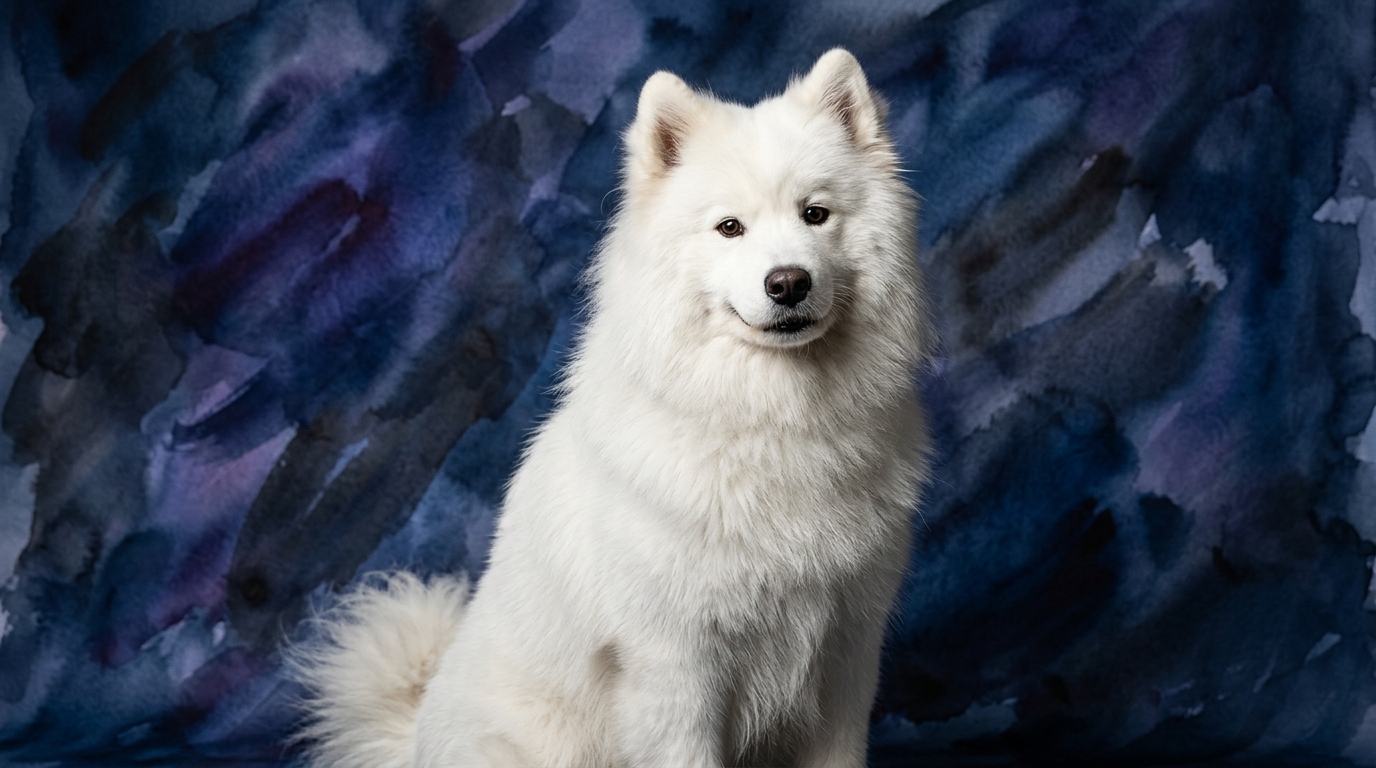
The Cosmic Pet Pet IQ Lab's assessment offers a granular look at the cognitive strengths of these two distinct breeds. For the Samoyed, a Working group dog with a Coren ranking of #33, we observe a Problem Solving score of 3/5, indicating an independent thought process. Their Training Speed is 3/5, suggesting patience is key, while their Social Intelligence truly stands out at 5/5, highlighting their deep emotional attunement. An Instinctive Drive of 4/5 reflects their powerful working heritage, and their Memory is rated 3/5, meaning consistency in reinforcement is important for retention.
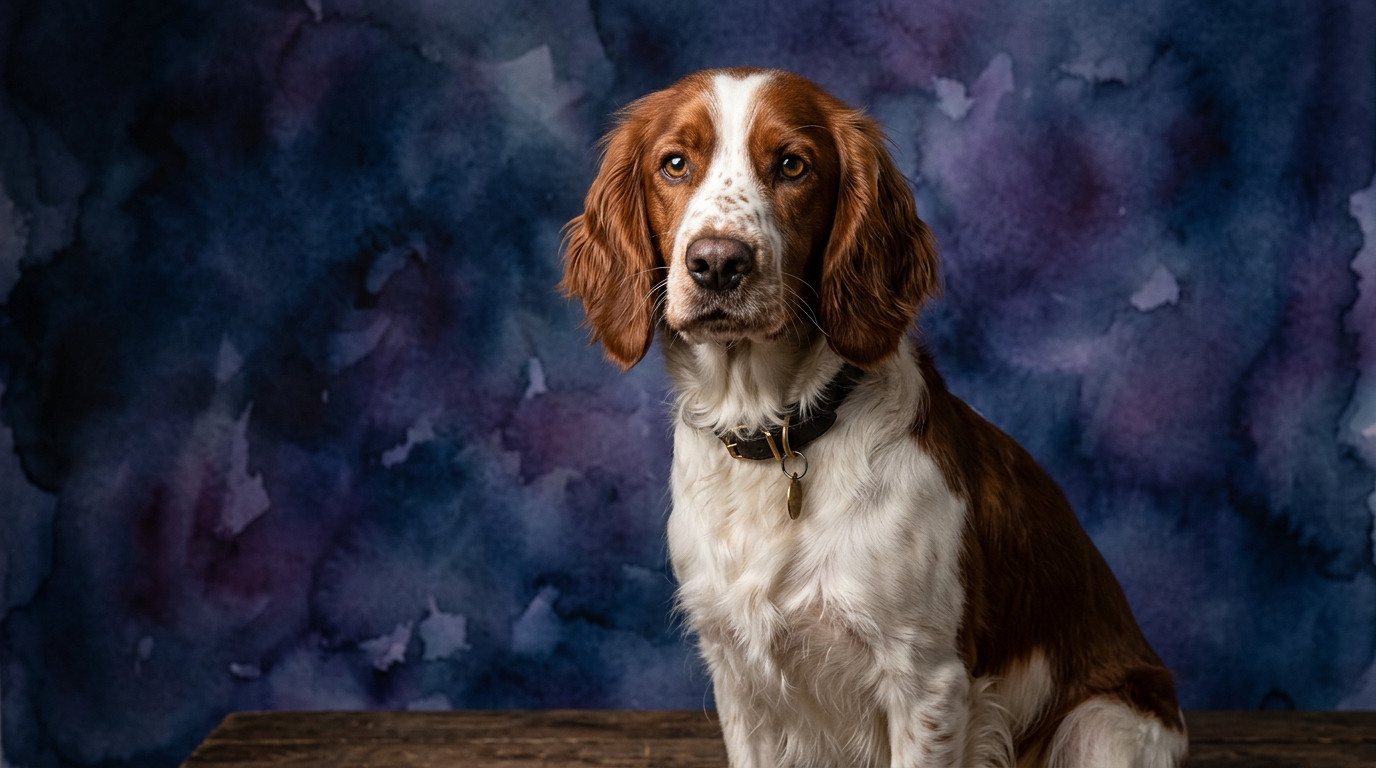
In contrast, the Welsh Springer Spaniel, a Sporting group dog with a slightly higher Coren ranking of #31, shows a Problem Solving score of 4/5, denoting adaptability and efficiency in tasks. Their Training Speed is 4/5, indicating a quicker grasp of commands, while Social Intelligence is 3/5, making them affectionate but less nuanced than the Samoyed in reading human emotions. Their Instinctive Drive is 3/5, focusing on tasks like retrieving, and their Memory is a strong 4/5, ensuring reliable recall and retention of learned behaviors.
Where the Samoyed Shines Cognitively
The Samoyed's preeminent cognitive advantage lies in its exceptional Social Intelligence (5/5). This isn't merely about being friendly; it's a deep-seated ability to interpret subtle human cues, emotional states, and intentions, fostering an almost intuitive bond with their families. This high level of emotional attunement means a Samoyed can often sense when their owner is upset or needs comfort, responding with gentle nudges or a comforting presence. Their problem-solving, while rated 3/5, often manifests as independent thought rather than strict adherence to instruction. This means they can be resourceful in their own way, sometimes devising creative, albeit not always desirable, solutions to get what they want. Their strong Instinctive Drive (4/5), while requiring management, also signifies a powerful inherent motivation and purposefulness that can be channeled into demanding activities like drafting or mushing, demonstrating a natural aptitude for specific working roles that require sustained effort and decision-making. These traits reflect a breed that thrives on partnership and purpose, valuing cooperation on their own terms.
Where the Welsh Springer Spaniel Excels Cognitively
The Welsh Springer Spaniel demonstrates a clear cognitive edge in areas of structured learning and adaptability. Their Problem Solving (4/5) capability is notably higher than the Samoyed's, indicating a greater aptitude for figuring out human-directed tasks and navigating complex environments efficiently. This manifests in their ability to quickly grasp the rules of a new game or understand the steps in an advanced obedience routine. Coupled with their superior Training Speed (4/5), they are generally more eager to please and respond rapidly to commands, making them highly trainable for various disciplines. Furthermore, their excellent Memory (4/5) ensures that learned behaviors are retained consistently over time, contributing to their reliability in performance. This combination of quick learning, effective problem-solving, and strong recall positions the Welsh Springer Spaniel as a highly cooperative and adaptable partner in training and day-to-day life, excelling in activities that require precision and responsiveness.
Training Dynamics: Samoyed vs. Welsh Springer Spaniel
When it comes to ease of training, the Welsh Springer Spaniel typically holds an advantage. Their higher Training Speed (4/5) and Problem Solving (4/5) scores reflect a natural eagerness to learn and cooperate. A Welsh Springer is often more focused on its handler during training sessions, readily accepting guidance and enjoying the structured interaction. They are generally less likely to question a command or become distracted by external stimuli, making the process smoother and often yielding quicker results. Their strong memory also ensures that once a command is learned, it is retained consistently.
In contrast, the Samoyed, with a Training Speed of 3/5 and Problem Solving of 3/5, coupled with a robust independent streak and strong instinctive drives, can present a greater challenge. While they are certainly capable of learning, Samoyeds require an owner who understands their need for motivation, variety, and a clear 'what's in it for me' perspective. Their social intelligence means they respond well to a strong bond, but this doesn't automatically translate to immediate obedience; training often involves more patience, creativity, and finding ways to make the desired behavior more appealing than their own independent agenda.
Matching Breeds to Lifestyles: Active vs. Relaxed Owners
Neither the Samoyed nor the Welsh Springer Spaniel is truly suited for a relaxed, sedentary owner, as both are breeds with significant energy and a need for mental engagement. However, their activity needs differ in intensity and focus. The Samoyed, with its Instinctive Drive of 4/5, thrives with active owners who can provide consistent, vigorous exercise and purposeful activities. Their heritage as working sled dogs means they excel in pursuits like canicross, skijoring, long hikes, or even competitive obedience that challenges their independent thought. Owners must be prepared for daily, robust physical outlets and mental stimulation to prevent boredom and potential destructive behaviors.
The Welsh Springer Spaniel, while also active with an Instinctive Drive of 3/5, tends to be more adaptable to a range of family activities. They relish retrieving games, brisk walks, runs, and participation in dog sports like agility or flyball. While they require daily exercise, their drive is often less intensely focused on a 'job' and more on engaging with their human companions. Therefore, owners seeking a cooperative, active partner for various outdoor adventures might find the Welsh Springer a slightly more flexible fit, whereas the Samoyed demands a truly committed, high-energy lifestyle partner.
The Verdict
Choose the Samoyed if you are an owner seeking a deeply empathetic, emotionally attuned companion who thrives on a profound bond and can channel their robust working drive into activities like sledding, canicross, or complex problem-solving games requiring independent thought. Owners must be prepared for consistent, patient training and significant daily exercise to fulfill their unique cognitive and physical needs.
Opt for the Welsh Springer Spaniel if you appreciate a quick-learning, adaptable, and eager-to-please companion for various dog sports, active outdoor pursuits, and consistent family engagement. They are highly responsive to training and enjoy being a cooperative partner in a wide range of activities, making them an excellent choice for those who value biddability and consistency.
🧠 Find Your Pet's IQ Score
Our Pet IQ Lab assessment covers 25+ tests across 5 cognitive dimensions — personalized to your breed.
Take the Full IQ Test →Frequently Asked Questions
Are Samoyeds good with children?
Samoyeds, with their high social intelligence and gentle nature, can be wonderful companions for children, often forming strong, protective bonds. However, their boisterous energy and strong herding instincts mean supervision is always necessary, especially with very young children, to ensure respectful interactions.
Do Welsh Springer Spaniels bark a lot?
Welsh Springer Spaniels can be prone to barking, particularly if they are bored, under-exercised, or left alone for extended periods. They often use their voice to alert their owners to new sights or sounds, but consistent training can help manage excessive vocalization.
Which breed is better for first-time dog owners?
For first-time dog owners, the Welsh Springer Spaniel might be a slightly more manageable choice due to their greater biddability and quicker training speed. The Samoyed's independent nature and strong working drive require a more experienced hand and a deeper understanding of canine behavior to navigate training effectively.