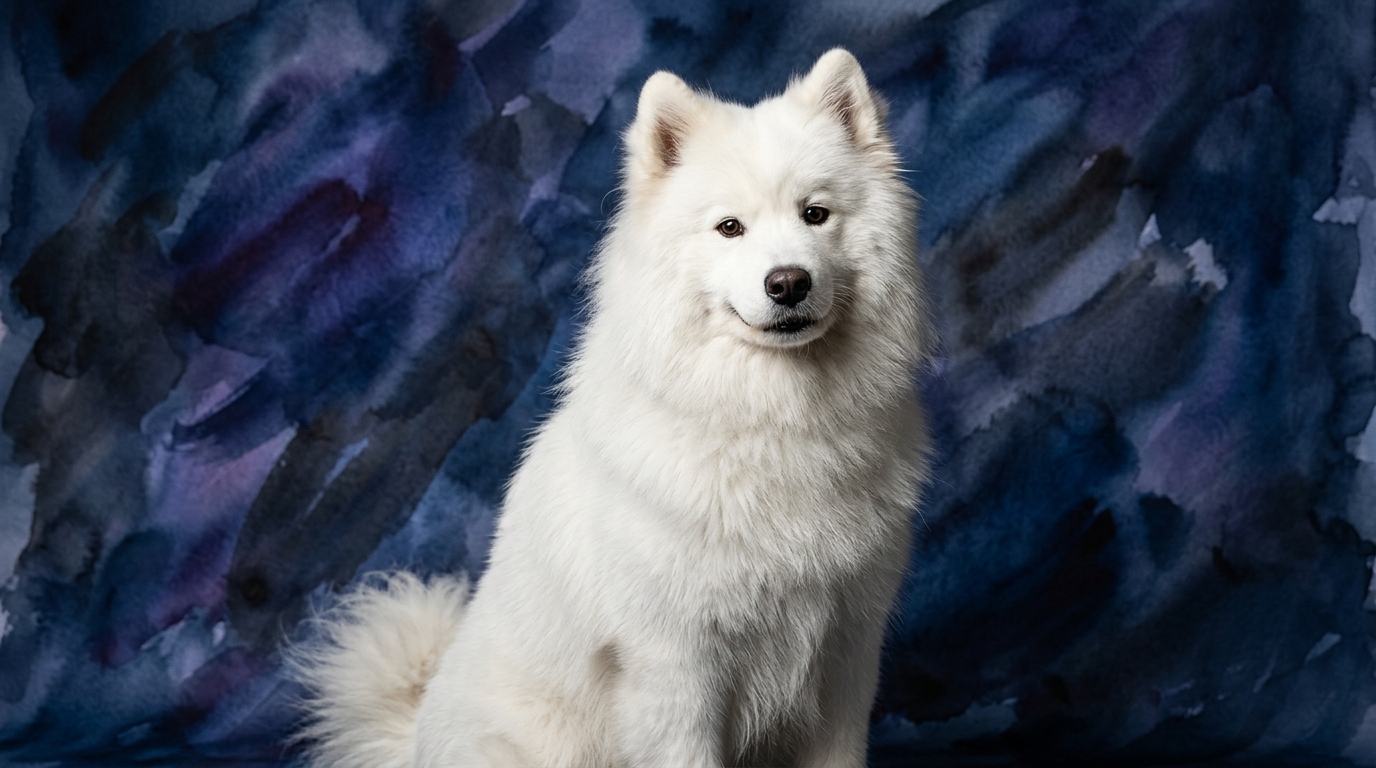
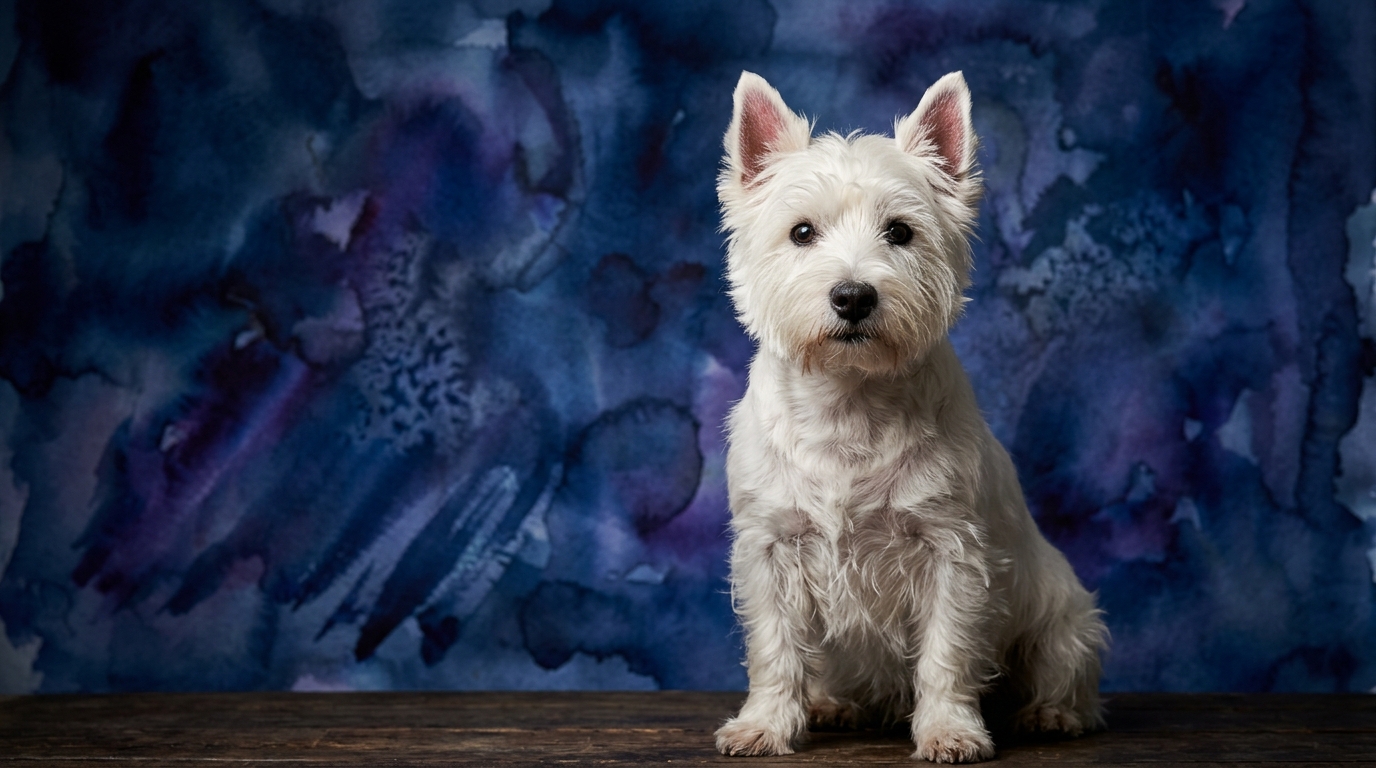
Side-by-Side IQ Profile: Samoyed vs. West Highland White Terrier
At The Cosmic Pet Pet IQ Lab, we evaluate canine intelligence across five key dimensions. The Samoyed, a Working breed, scores 3/5 for problem-solving, indicating a capacity for learning and applying solutions, though perhaps not always innovating novel approaches independently. Their training speed is also 3/5, suggesting a steady learning pace that benefits from consistent methods. Where Samoyeds truly shine is in social intelligence, earning a perfect 5/5, reflecting their exceptional attunement to human emotions and group dynamics. Their instinctive drive is strong at 4/5, rooted in their original working purpose, while their memory is a solid 3/5, retaining information but potentially benefiting from regular refreshers.
In contrast, the West Highland White Terrier, a Terrier breed, shows a similar problem-solving score of 3/5, demonstrating an average ability to navigate challenges, often through learned strategies. Their training speed matches the Samoyed at 3/5, meaning they respond well to engaging, consistent instruction. The Westie’s social intelligence is 3/5, indicating they are interactive and affectionate but may also exhibit a more independent streak compared to highly people-oriented breeds. Their instinctive drive is 3/5, characteristic of their terrier heritage with focused prey drives, and notably, their memory is strong at 4/5, suggesting good retention of commands and routines over time.
Where the Samoyed Wins Cognitively
The Samoyed's most significant cognitive advantage lies in their unparalleled social intelligence, rated at a perfect 5/5. This isn't just about being friendly; it signifies a profound ability to read and respond to human emotions, intentions, and social cues. A Samoyed is often deeply perceptive, capable of anticipating a family member's mood or needs, and thrives on being an integrated, contributing member of their human 'pack.' This high social attunement means they often seek out interaction and collaboration, making them exceptionally responsive in contexts where human-dog bonding is paramount.
Furthermore, their strong instinctive drive of 4/5, a remnant of their sled-pulling and herding heritage, gives them an inherent motivation for purposeful activity. This isn't just physical stamina; it's a mental inclination to engage in tasks that provide a 'job' or direction. Owners who can channel this drive into activities like dog sports, long hikes, or even structured play will find a Samoyed deeply engaged and mentally satisfied, leveraging their innate desire to work alongside their human companions.
Where the West Highland White Terrier Wins Cognitively
The West Highland White Terrier distinguishes itself with a superior memory score of 4/5, outperforming the Samoyed in this dimension. This means that once a Westie learns a command, a routine, or the rules of the house, they are likely to retain that information with greater consistency and for longer periods. This strong memory can make them very predictable and reliable companions in their learned behaviors, requiring fewer refreshers once a concept is firmly established. For owners who value consistency in established routines and commands, the Westie's excellent recall of learned information is a significant cognitive benefit.
While their instinctive drive is 3/5, it manifests as a tenacious, focused determination characteristic of terriers. This drive is a cognitive asset in specific scenarios, particularly for tasks involving scent work, digging, or focused problem-solving that requires persistence rather than broad collaboration. A Westie will often apply its problem-solving (3/5) and memory (4/5) to independently figure out how to achieve a goal, like finding a hidden toy or navigating a puzzle feeder, demonstrating a clever self-reliance within its terrier nature.
Which is Easier to Train and Why?
Both the Samoyed and the West Highland White Terrier share a training speed score of 3/5, suggesting they learn at a moderate pace. However, their differing social intelligence and memory scores influence their overall trainability. The Samoyed's exceptional social intelligence (5/5) means they are often highly motivated by praise, attention, and the desire to please their human companions. This strong social bond can make them very receptive to positive reinforcement training, as they are inherently driven to interact and cooperate. Yet, their 3/5 memory might necessitate more consistent and ongoing reinforcement to ensure behaviors are deeply ingrained over the long term.
The Westie, with its 3/5 training speed, also learns steadily, and its 4/5 memory means that once a command is mastered, it tends to stick. However, their social intelligence of 3/5 suggests a more independent nature. While affectionate, a Westie might not always be as overtly eager to please as a Samoyed, sometimes prioritizing their own interests or natural terrier instincts. Effective Westie training often requires creativity, patience, and methods that make learning feel like a fun game or puzzle, appealing to their independent problem-solving skills rather than solely relying on a desire for social approval. Their tenacity, while sometimes perceived as stubbornness, can be channeled into focused learning with the right motivation.
Which Suits Active Owners vs. Relaxed Owners
For active owners, the Samoyed is often the more suitable choice. Their 4/5 instinctive drive, combined with their history as working dogs, means they possess a significant need for physical and mental stimulation. They thrive on long walks, hiking adventures, dog sports like agility or carting, and any activity that allows them to engage their body and mind with purpose. A Samoyed who doesn't receive sufficient outlets for their drives may become bored or restless, channeling their energy into less desirable behaviors. They are companions who genuinely enjoy and benefit from a shared active lifestyle.
Relaxed owners may find the West Highland White Terrier to be a more adaptable fit. While not sedentary, their 3/5 instinctive drive means their exercise requirements are generally less intense than a Samoyed's. They enjoy daily walks, playtime in a securely fenced yard, and engaging indoor games, but they may not demand the same sustained, high-impact activities. Their slightly more independent nature (3/5 social intelligence) also means they can be content with periods of self-entertainment, though they still require regular interaction and mental enrichment. A Westie can happily transition from an invigorating walk to curling up on the sofa, making them suitable for owners who appreciate a balance of activity and calm.
The Verdict
Choose the Samoyed if you seek a deeply bonded, highly social companion who thrives on shared activities and is attuned to your family's emotional landscape, and you are prepared to provide consistent, engaging training and ample physical outlets for their working drives.
Choose the West Highland White Terrier if you appreciate a spirited, independent companion with good memory for routines, who responds well to creative, engaging training that taps into their terrier tenacity, and who might have slightly less intense daily exercise demands.
🧠 Find Your Pet's IQ Score
Our Pet IQ Lab assessment covers 25+ tests across 5 cognitive dimensions — personalized to your breed.
Take the Full IQ Test →Frequently Asked Questions
How do their problem-solving abilities compare?
Both breeds score 3/5 in problem-solving, indicating they are capable learners but may not consistently innovate novel solutions without guidance. The Samoyed often applies problem-solving in social contexts, while the Westie might apply it with more independent tenacity, especially in tasks related to their terrier instincts.
Is one breed more prone to separation anxiety due to their social intelligence?
The Samoyed's 5/5 social intelligence means they form very strong bonds and thrive on interaction, making them potentially more sensitive to prolonged periods of isolation. The Westie, with 3/5 social intelligence, is more independent but still needs companionship; however, their independence might make them slightly less prone to severe separation anxiety if routines are established.
What kind of training methods work best for each?
For Samoyeds, positive reinforcement based on praise and social interaction is highly effective due to their high social intelligence. Westies respond well to training that is engaging, game-like, and taps into their independent, tenacious spirit, often requiring owners to be creative to capture their attention and motivate them.