Side-by-Side IQ Profile: Samoyed vs. Xoloitzcuintli
At The Cosmic Pet Pet IQ Lab, we dissect canine cognition across five key dimensions to provide a nuanced understanding of each breed's mental landscape. While both Samoyeds and Xoloitzcuintli share some similarities in their problem-solving and training speed, their social intelligence and instinctive drives paint a clearer picture of their individual cognitive blueprints.
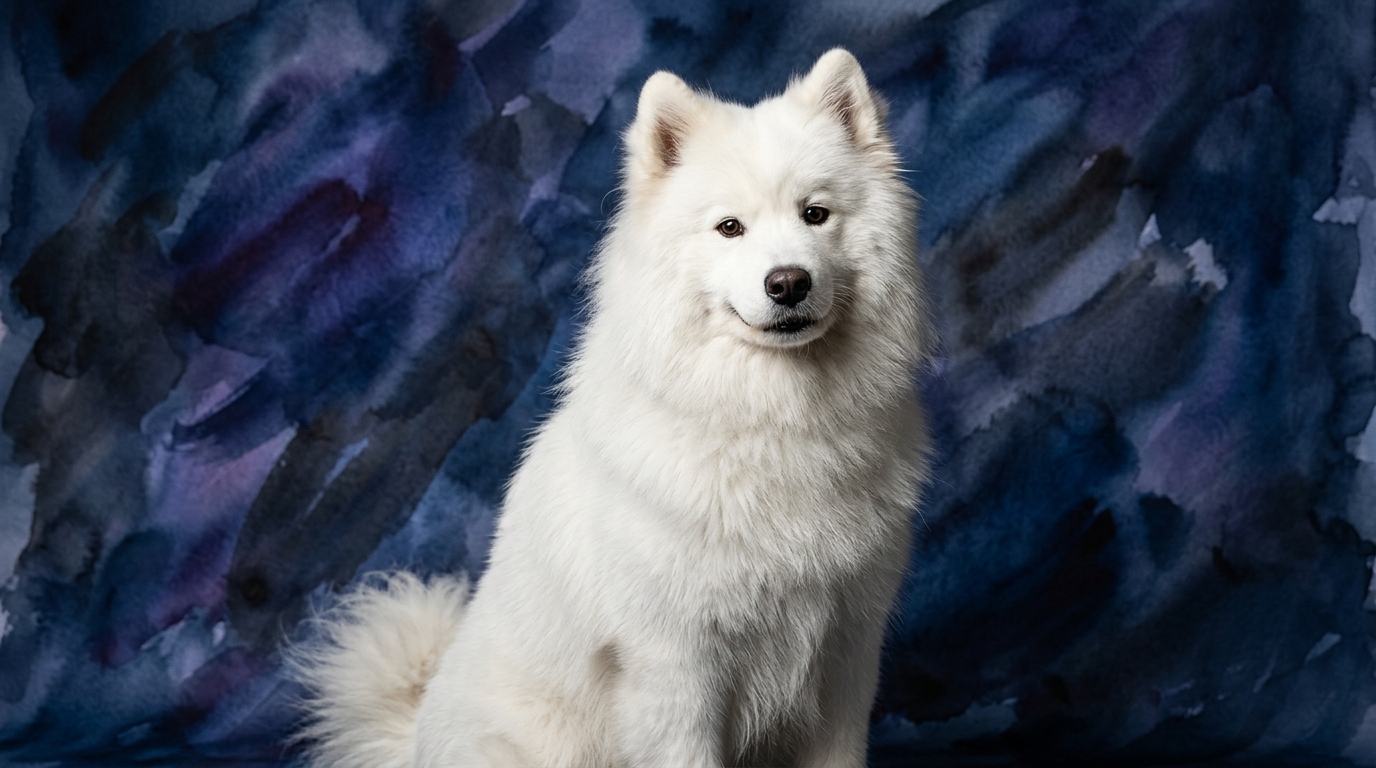
The Samoyed, a dog from the Working Group, boasts a Coren rank of #33, indicating a respectable capacity for obedience and working intelligence. Their IQ profile is characterized by: Problem Solving (3/5), Training Speed (3/5), Social Intelligence (5/5), Instinctive Drive (4/5), and Memory (3/5). This combination points to a breed that is socially adept and driven by purpose.
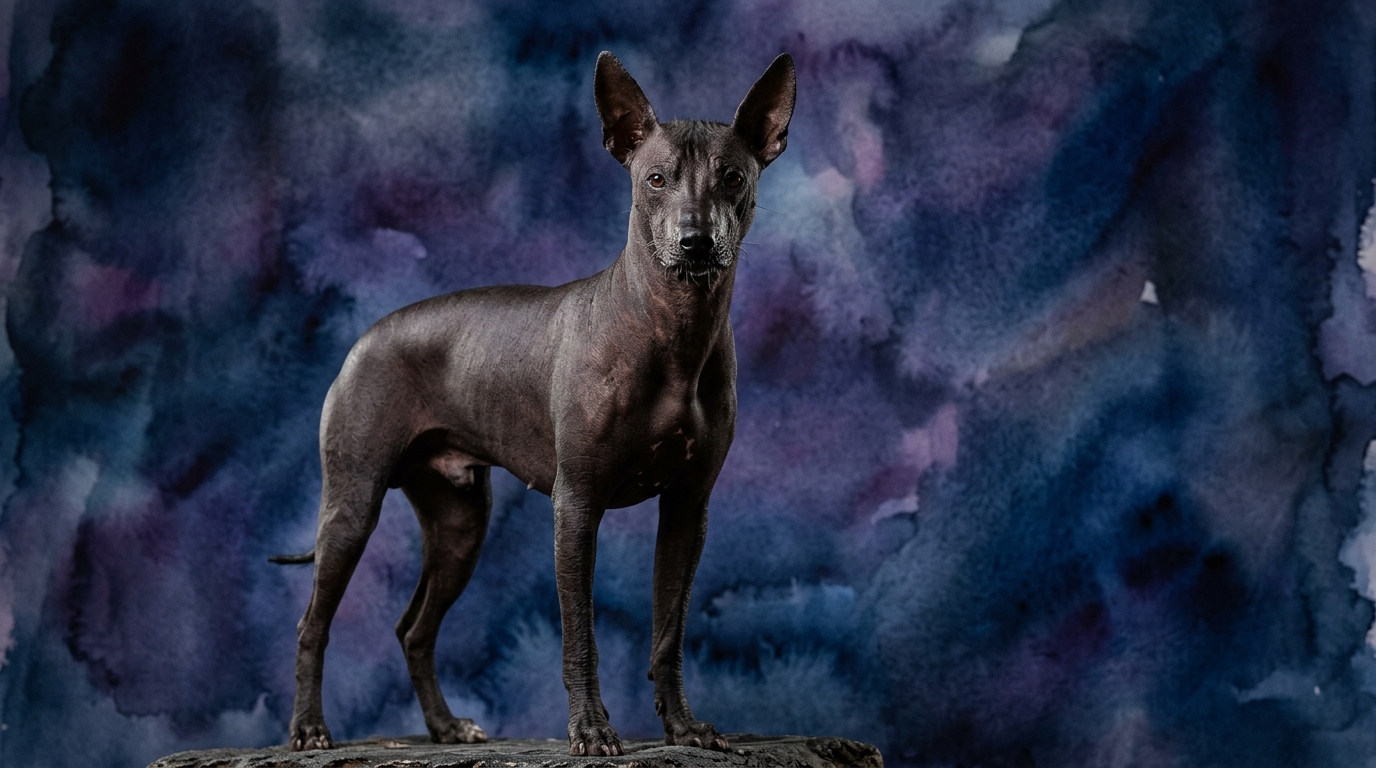
The Xoloitzcuintli, belonging to the Non-Sporting Group, is not ranked by Coren, suggesting a more independent or less traditionally trainable disposition, though this doesn't diminish their cognitive abilities. Their IQ profile is more uniformly moderate: Problem Solving (3/5), Training Speed (3/5), Social Intelligence (3/5), Instinctive Drive (3/5), and Memory (3/5). This consistent scoring suggests a balanced, self-possessed intelligence.
Delving deeper into each dimension, we see that Samoyeds demonstrate practical problem-solving, often using learned experiences or environmental cues to achieve goals like opening gates or retrieving toys, indicating a moderate capacity for adaptive reasoning. Their training speed is moderate; while capable learners, their independent working dog spirit means consistent, engaging methods are needed for sustained compliance, responding well to positive reinforcement. Samoyeds excel in social intelligence, possessing an exceptional ability to interpret human emotions, body language, and social cues, fostering deep bonds and eager participation in family interactions. A strong instinctive drive from their herding and sledding heritage means they are motivated by purposeful activity and require outlets for their innate desire to work and engage physically. Lastly, Samoyeds have a moderate memory, retaining commands and routines effectively with consistent practice, and remembering people and places well, contributing to their strong social attachments.
In contrast, Xoloitzcuintli exhibit a moderate capacity for problem-solving, adapting to new situations and solving simple puzzles, often with a deliberate approach rather than impulsive action. Their training speed is also moderate, reflecting an independent streak. They respond best to patient, consistent positive reinforcement, learning effectively but often requiring clear, respectful guidance. Xolos possess moderate social intelligence, forming profound bonds with their primary family but often displaying reservation or wariness towards strangers, valuing their inner circle deeply. With a moderate instinctive drive, Xolos are less compelled by external tasks and more by internal comfort and security, exhibiting a watchful nature without an intense need for constant 'work.' Finally, Xoloitzcuintli have a moderate memory, recalling commands, routines, and experiences reliably, especially within their familiar environment and with their trusted people.
Where the Samoyed Wins Cognitively
The Samoyed's most significant cognitive advantage lies in its exceptional social intelligence, scoring a perfect 5/5. This means they possess a superior ability to interpret human emotions, body language, and vocal tones, allowing them to anticipate needs and react with empathy. For an owner, this translates into a dog that feels incredibly connected, often initiating comforting nudges when sensing distress or engaging playfully when spirits are high. Their strong desire for companionship is not just about physical proximity; it's rooted in a deep cognitive understanding of their place within the human social structure, making them highly responsive to social cues and eager to participate in family life. This contrasts with the Xolo's more reserved social approach, where their understanding of social dynamics tends to be more focused on their immediate, trusted circle. The Samoyed's history as a close companion and working partner to nomadic tribes has ingrained a profound capacity for interspecies communication and cooperation, giving them an edge in navigating complex human-dog relationships and fostering a palpable sense of mutual understanding.
Where the Xoloitzcuintli Wins Cognitively
While the data shows similar scores in most categories, the Xoloitzcuintli's cognitive strengths often manifest in their nuanced independence and quiet perceptiveness, particularly concerning their environment and family unit. Their 'moderate' social intelligence, for instance, isn't a deficit but rather a preference for deep, selective bonding over broad social engagement. This means they develop an incredibly acute understanding of their chosen few, often anticipating the routines and moods of their primary caregivers with a subtle intuition that doesn't rely on overt displays. Their moderate instinctive drive, compared to the Samoyed's higher drive, means they are less compelled by external tasks and more by internal comfort and security. This translates into a dog that might be less prone to seeking out 'work' and more content observing and integrating into the home's rhythm, making them exceptional at maintaining a calm, watchful presence. Their problem-solving, while rated similarly, often involves a more deliberate, analytical approach to new situations rather than the Samoyed's often more boisterous, trial-and-error method, showcasing a quiet resilience and adaptability within their established comfort zone.
Which is Easier to Train and Why
Based on their cognitive profiles, neither breed presents a significantly 'easier' path to training, as both score 3/5 in training speed. However, the *approach* required for each differs considerably due to their other cognitive traits. The Samoyed's high social intelligence (5/5) means they are generally eager to please and highly responsive to human interaction and approval. While their moderate training speed suggests they might take a few repetitions to grasp a new concept, their strong desire for connection and participation makes them highly motivated by positive reinforcement and social praise. They learn quickly when they understand *why* they are learning – typically to engage with their beloved humans. Their stronger instinctive drive (4/5), however, means channeling that energy into constructive tasks is crucial; without it, their independence might manifest as selective hearing.
The Xoloitzcuintli, with its moderate social intelligence (3/5) and instinctive drive (3/5), approaches training with a different mindset. They are less overtly driven by social approval and possess a more independent, sometimes reserved, nature. Training a Xolo requires immense patience, consistency, and a deep understanding of their subtle cues. They respond best to calm, confident leadership and methods that respect their inherent dignity, rather than boisterous demands. While they are capable learners, their compliance often stems from respect and understanding, not an overwhelming desire to please. Their moderate instinctive drive means they might not be as eager for repetitive task-based training, preferring variety and mental stimulation that taps into their problem-solving abilities without being overly demanding. Ultimately, the Samoyed might appear 'easier' to train for owners who thrive on highly interactive, emotionally responsive dogs, while the Xolo demands a more nuanced, patient, and respectful approach that builds trust over time.
Which Suits Active Owners vs. Relaxed Owners
For active owners, the Samoyed is generally a more natural fit. Their 4/5 instinctive drive, stemming from their heritage as working dogs, means they possess a significant need for physical and mental engagement. They thrive on activities like long hikes, sledding (or urban mushing), agility, or even just extended play sessions that channel their energy and intelligence. Their high social intelligence also means they enjoy being active *with* their people, making them excellent companions for outdoor adventures or dog sports. An owner who can provide consistent outlets for their drive will find a joyful, engaged partner. Without sufficient activity, a Samoyed's unmet instinctive needs can manifest as boredom or destructive behaviors.
Relaxed owners might find the Xoloitzcuintli a more suitable companion. With a moderate instinctive drive (3/5) and a tendency towards being watchful and calm indoors, Xolos are often content with moderate daily exercise, such as walks or supervised playtime, followed by ample snuggle time. While they appreciate mental stimulation, their drive isn't as intensely task-oriented as the Samoyed's, making them less demanding in terms of structured 'work.' Their moderate social intelligence means they are deeply bonded to their family but generally less inclined to seek constant external stimulation or engage boisterously with strangers, fitting well into a quieter, more predictable household rhythm. They are often described as excellent 'couch potatoes' once their basic exercise needs are met, making them ideal for individuals or families who prefer a more tranquil home life.
The Verdict
Select a Samoyed if you are an active individual or family seeking a highly social, emotionally attuned companion eager to participate in daily life and engage in regular physical and mental challenges.
Opt for a Xoloitzcuintli if you prefer a loyal, watchful companion with a more independent spirit, content with moderate activity and a deep bond within a calm, predictable home environment.
🧠 Find Your Pet's IQ Score
Our Pet IQ Lab assessment covers 25+ tests across 5 cognitive dimensions — personalized to your breed.
Take the Full IQ Test →Frequently Asked Questions
Do Samoyeds require a lot of mental stimulation?
Yes, Samoyeds possess a moderate problem-solving ability and a strong instinctive drive, meaning they benefit greatly from consistent mental challenges like puzzle toys, obedience training, and engaging activities to prevent boredom and destructive tendencies.
Are Xoloitzcuintli difficult to socialize?
Xoloitzcuintli have moderate social intelligence and can be reserved with strangers, so early and consistent positive socialization experiences are crucial to help them develop comfort and confidence in various environments and with new people.
Which breed is better for first-time dog owners?
While both breeds require committed owners, the Samoyed's high social intelligence and eagerness to please might make them slightly more forgiving for a first-time owner willing to commit to their significant exercise and grooming needs. The Xolo's independent nature can be more challenging without prior dog experience.