Side-by-Side Cognitive Profiles
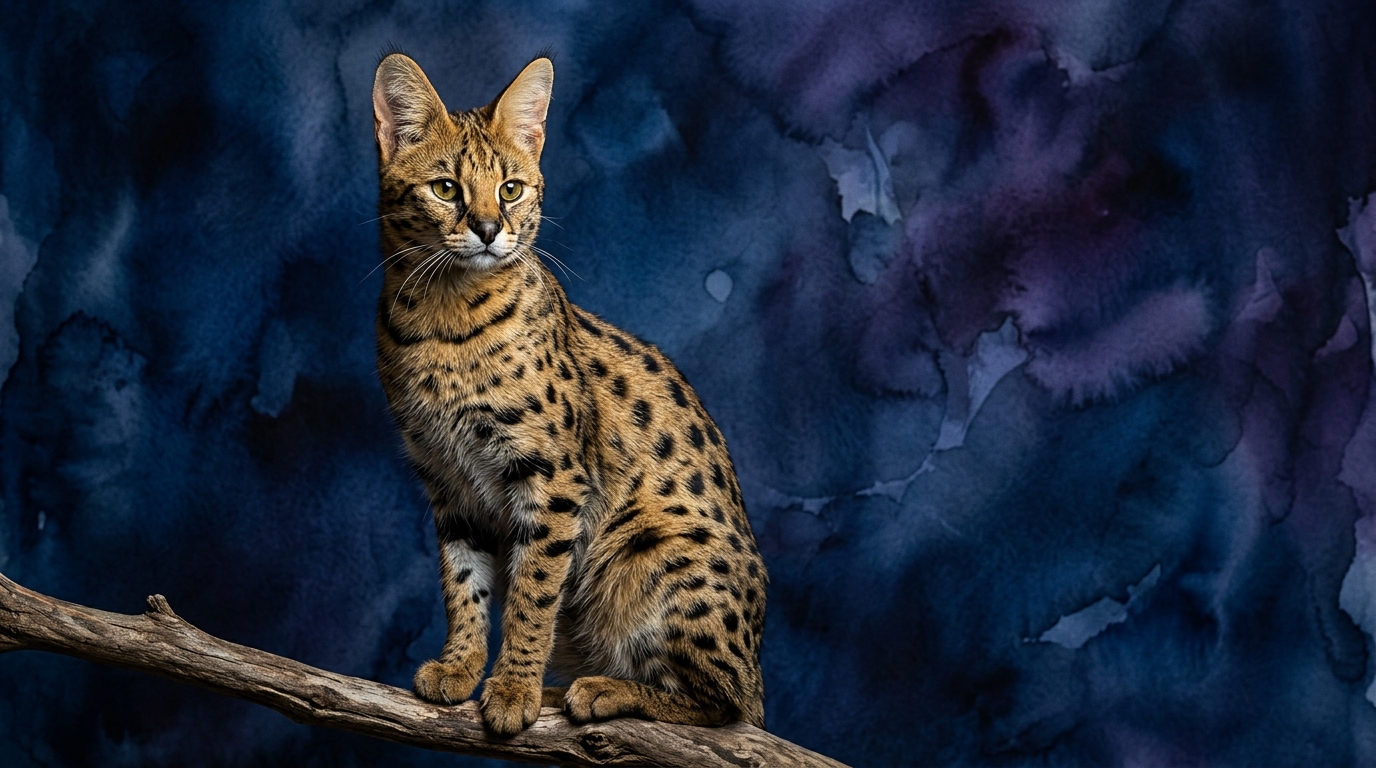
The Cosmic Pet Pet IQ Lab employs a five-dimensional framework to assess feline intelligence, providing a detailed lens through which to understand each breed's cognitive leanings. For the Savannah, a breed known for its striking appearance and energetic disposition, its scores reflect a formidable mental prowess. It achieves a perfect 5/5 in Problem Solving, indicating an exceptional capacity to navigate complex challenges and strategize solutions. Its Training Speed is rated 4/5, suggesting a rapid ability to learn and associate commands, while Social Intelligence also stands at 4/5, pointing to a nuanced understanding of social cues and strong bond-forming potential. The Savannah's Instinctive Drive is a commanding 5/5, reflecting deep-seated natural behaviors related to hunting and exploration, and its Memory is equally impressive at 5/5, allowing it to recall intricate details and routines over extended periods.
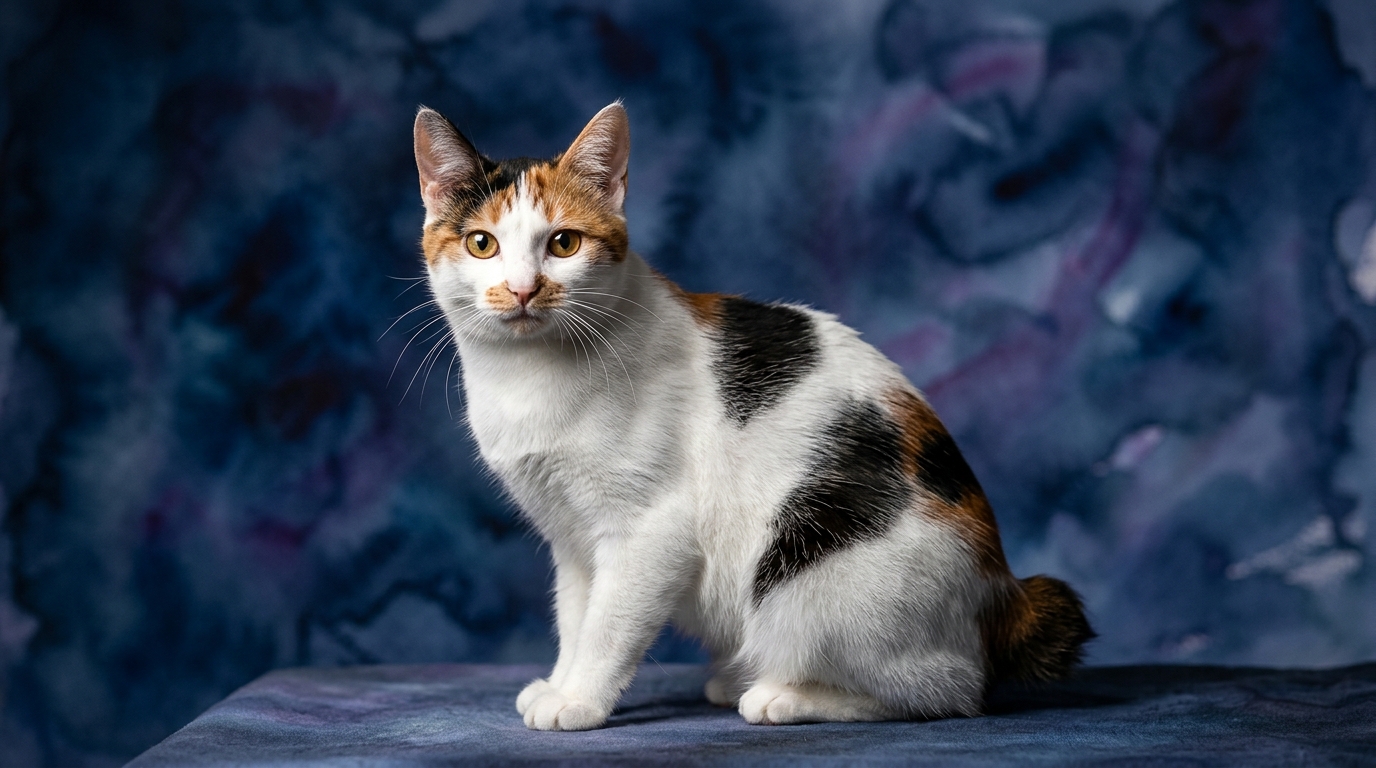
In contrast, the Japanese Bobtail presents a more moderated cognitive profile, embodying a different kind of feline charm. Across all five dimensions—Problem Solving, Training Speed, Social Intelligence, Instinctive Drive, and Memory—the Japanese Bobtail consistently scores 3/5. This indicates a solid, functional intelligence that allows them to interact effectively with their environment and human companions without the intense cognitive demands or drives seen in the Savannah. They are capable of understanding basic concepts and routines, forming affectionate bonds, and remembering key people and places, but perhaps with less complexity or intensity than their Savannah counterparts.
Where the Savannah Excels Cognitively
The Savannah's cognitive strengths are undeniably rooted in its wild ancestry, endowing it with an inherent drive for exploration and ingenuity. Its 5/5 Problem Solving score means a Savannah is adept at figuring out intricate puzzles, opening child-proof cabinets, or even learning to retrieve specific objects on command with remarkable consistency. This breed doesn't just react to its environment; it actively seeks to manipulate and understand it, often observing and mimicking human actions to achieve its goals.
Furthermore, the Savannah's perfect 5/5 Memory contributes significantly to its cognitive advantage. This allows them to retain complex sequences of events, remember the location of hidden toys for extended periods, and recall specific interactions with various individuals, contributing to their ability to form deep, lasting bonds and adapt to routines quickly. Their 4/5 Training Speed, coupled with this memory, means they can master leash walking, fetch, and even more complex agility courses with relative ease, provided the owner engages their high instinctive drive (5/5) with stimulating activities.
Where the Japanese Bobtail Shines Cognitively
While the Japanese Bobtail's cognitive scores are consistently 3/5, this doesn't imply a lack of intelligence, but rather a different expression of it—one that prioritizes adaptability and emotional balance within a domestic setting. Their 3/5 Problem Solving allows them to navigate everyday household challenges without becoming overly frustrated by complex mechanisms, making them content with simpler forms of enrichment. They can certainly figure out how to get to a favorite sunbeam or access a treat, but they may not persistently try to dismantle a puzzle box designed for a higher-scoring breed.
The Japanese Bobtail's 3/5 Social Intelligence translates into a wonderfully balanced companion. They are affectionate and enjoy interaction, but their social needs are often less demanding than those of a Savannah. This breed integrates smoothly into family life, often showing a calm understanding of household dynamics without needing constant stimulation or highly complex social engagement. Their 3/5 Instinctive Drive means they are less prone to intense hunting behaviors or destructive exploration, making them a more serene presence in the home.
Training: Engagement vs. Consistency
When it comes to training, the Savannah (Training Speed 4/5) will pick up new commands and tricks at an impressive pace. Their high problem-solving skills and memory mean they quickly grasp associations between actions and rewards. However, their equally high Instinctive Drive (5/5) means they require consistent engagement and mental stimulation to prevent boredom, which can manifest as inventive mischief. Training a Savannah often feels like a partnership with a clever, energetic student who needs constant new lessons to stay focused.
The Japanese Bobtail (Training Speed 3/5), on the other hand, benefits from a more consistent, patient approach. They will learn, but perhaps not with the same lightning speed as a Savannah. Their lower instinctive drive can be an advantage here; once they understand what is expected, they are generally less distracted by external stimuli and more inclined to comply. Training a Japanese Bobtail is more about gentle repetition and positive reinforcement, fostering a calm understanding rather than challenging a highly active mind.
Matching Breeds to Lifestyles: Active vs. Relaxed Owners
For the active owner, someone who thrives on interaction, adventure, and providing constant mental enrichment, the Savannah is an ideal match. This breed requires an owner prepared to engage in regular play sessions, puzzle toys, and potentially leash walks or even harness training for outdoor excursions. Their 5/5 instinctive drive means they will appreciate opportunities to stalk, pounce, and explore, making them a stimulating companion for those who enjoy integrating their pets into a dynamic lifestyle.
Conversely, the Japanese Bobtail is perfectly suited for owners seeking a more relaxed, yet still affectionate, feline presence. Their balanced cognitive profile means they are generally content with a comfortable home environment, regular cuddles, and perhaps a few simple toys. Owners who appreciate a cat that is present and friendly but doesn't demand constant attention or elaborate mental games will find the Japanese Bobtail's calm demeanor and moderate drives to be a perfect fit for a peaceful household.
The Verdict
Choose a Savannah if you are seeking an interactive, highly engaged companion that thrives on mental challenges and shares your adventurous spirit, prepared to invest significant time in enrichment and training.
Opt for a Japanese Bobtail if you desire a tranquil, affectionate, and adaptable companion who brings a calm presence to your home without requiring intense mental stimulation or constant activity.
🧠 Find Your Pet's IQ Score
Our Pet IQ Lab assessment covers 25+ tests across 5 cognitive dimensions — personalized to your breed.
Take the Full IQ Test →Frequently Asked Questions
Are Savannahs prone to escaping due to their high drive?
Yes, Savannahs, with their 5/5 instinctive drive and 5/5 problem-solving skills, are adept at finding ways to explore. Secure enclosures and engaging indoor environments are crucial to satisfy their curiosity and prevent them from seeking adventure outside.
Do Japanese Bobtails get along well with children and other pets?
Japanese Bobtails, with their 3/5 social intelligence and moderate drives, generally adapt well to family life, including respectful children and other pets. Their calm and adaptable nature makes them a good choice for multi-pet households, provided introductions are handled gently.
What kind of mental enrichment does a Savannah cat need daily?
A Savannah cat benefits from daily interactive play, puzzle feeders that challenge their 5/5 problem-solving, and rotating toys to keep their 5/5 memory and 5/5 instinctive drive engaged. Consistent training sessions and opportunities for exploration within a safe environment are also highly recommended to prevent boredom.