Side-by-Side IQ Profile: Schipperke vs. German Pinscher
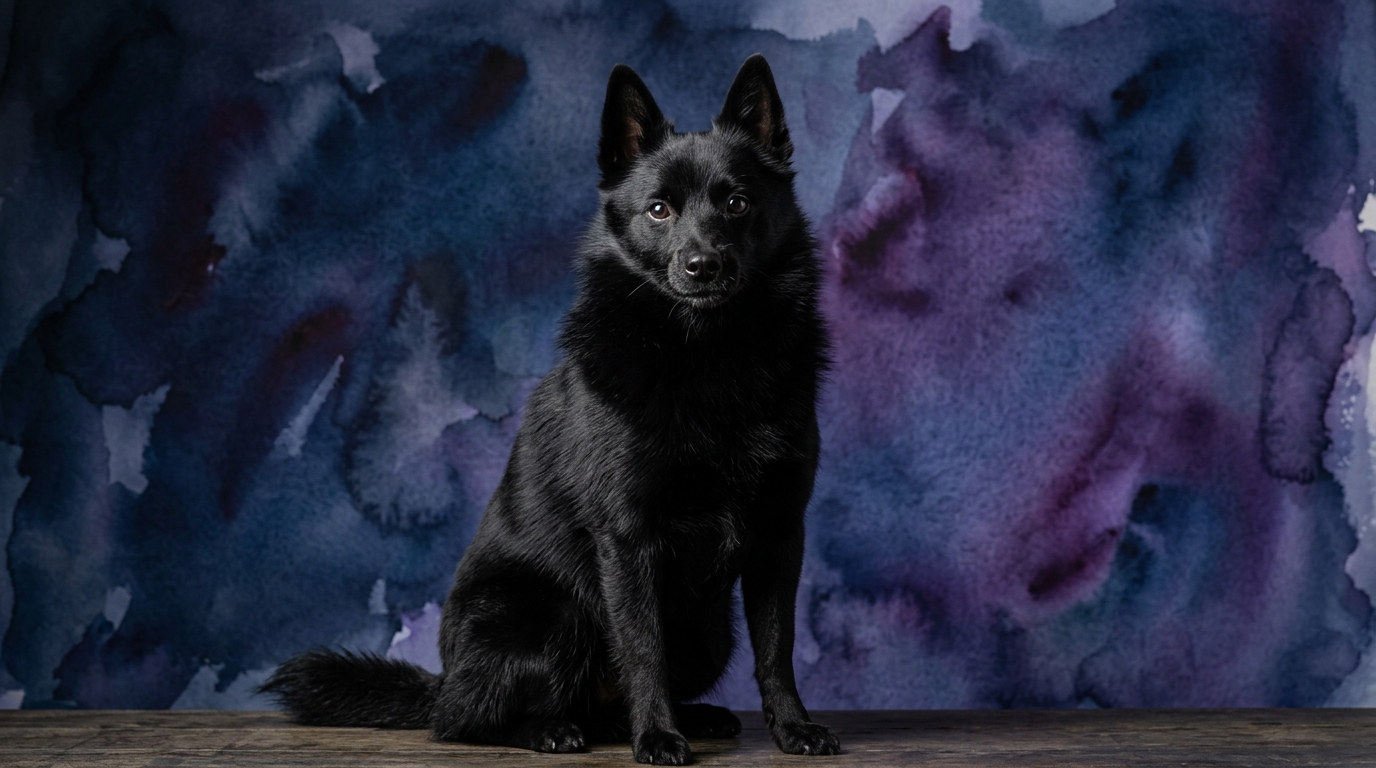
The Schipperke, a small, sturdy breed from Belgium, presents a remarkable cognitive blueprint. Its Problem Solving ability is rated 5/5, indicating an exceptional capacity to independently assess novel situations and devise effective solutions, often with a clever, self-directed approach. Similarly, its Training Speed is a perfect 5/5, suggesting a rapid grasp of new commands and concepts, making it highly responsive to consistent instruction. Memory, too, stands at 5/5, meaning a Schipperke will retain learned behaviors and recall past experiences with impressive accuracy. Social Intelligence is rated 3/5, suggesting it can navigate social cues adequately but might not always prioritize harmony or easily integrate into large, diverse social groups without clear guidance. Its Instinctive Drive, also 3/5, points to a moderate but present inclination towards its historical roles, such as vigilant watchfulness and ratting, which can manifest as independent pursuit behaviors.
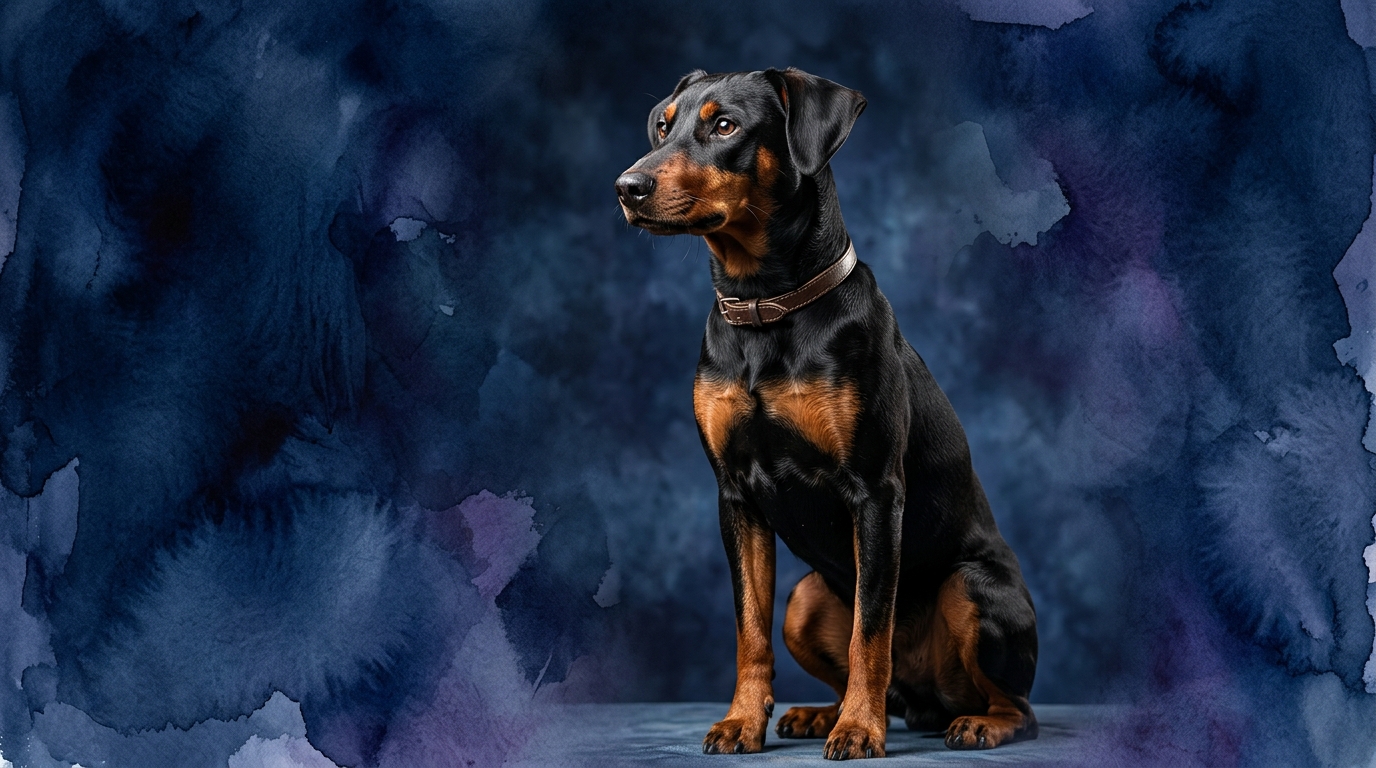
Hailing from Germany, the German Pinscher exhibits a balanced, more moderate cognitive spectrum. Its Problem Solving capacity is rated 3/5, indicating a solid but not outstanding ability to tackle new challenges; they can figure things out, but may prefer a structured approach or rely on learned patterns rather than innovative solutions. Training Speed also sits at 3/5, meaning they are trainable and capable of learning, but require more repetition and patience compared to faster learners. Memory is a consistent 3/5, implying they retain information reliably, but perhaps not with the instantaneous recall or depth seen in breeds with higher scores. Social Intelligence is 3/5, similar to the Schipperke, suggesting they are capable of understanding social dynamics but might be selective or require socialization to ensure smooth interactions. Instinctive Drive, at 3/5, reflects their heritage as ratters and guard dogs, manifesting as moderate prey drive and territorial instincts that need appropriate channeling.
Where the Schipperke Wins Cognitively
The Schipperke's cognitive profile truly shines in areas demanding rapid assimilation and independent thought. Its perfect 5/5 in Problem Solving means this breed is adept at navigating complex environments, figuring out puzzles, and often finding ingenious ways to achieve its goals, sometimes to the pleasant surprise or exasperation of its owners. This isn't just about obedience; it's about genuine cognitive flexibility and strategic thinking. Coupled with a 5/5 Training Speed, a Schipperke can pick up complex command sequences, tricks, and even advanced dog sports like agility or obedience with remarkable swiftness, often making training sessions dynamic and engaging. Furthermore, its 5/5 Memory score ensures that once a Schipperke learns something, it tends to stick. This means lessons, both good and bad habits, are deeply ingrained, requiring consistent, positive reinforcement from an early age to shape desirable behaviors. This superior memory also contributes to their problem-solving prowess, allowing them to recall successful strategies from past experiences to apply to new challenges. Owners seeking a dog that can quickly master new skills and independently navigate novel situations will find the Schipperke's cognitive strengths particularly rewarding.
Where the German Pinscher Wins Cognitively
While the German Pinscher's cognitive scores might appear more moderate compared to the Schipperke, its strengths lie in a balanced and practical application of its intellect, particularly valuable for its historical roles. The German Pinscher's 3/5 in Problem Solving, Training Speed, and Memory indicates a steady, reliable cognitive function rather than flashy brilliance. This breed excels in consistency and purpose-driven learning. Their Instinctive Drive, also 3/5, is a key asset; it's present enough to make them excellent, vigilant guardians and enthusiastic participants in tasks that engage their natural prey drive, but typically not overwhelming to manage with proper training. This balanced drive, combined with solid memory, means they learn and retain practical, task-oriented commands effectively, forming robust habits once established. Their moderate social intelligence, also 3/5, often translates into a discerning nature; they are typically devoted to their family but can be reserved with strangers, a trait desirable in a protective companion. This isn't a cognitive 'win' in terms of higher scores, but rather a victory in terms of suitability for owners who appreciate a dog with a robust, dependable mental framework that aligns well with specific working and companionship roles, valuing steadfastness over sheer speed of learning. Their cognitive profile suggests a dog that is thoughtful and deliberate, rather than impulsive, often leading to a more predictable and controlled response in varied situations.
Which is Easier to Train and Why
When considering ease of training, the Schipperke holds a distinct advantage, primarily due to its exceptional 5/5 Training Speed and 5/5 Problem Solving. A Schipperke will typically grasp new commands, complex sequences, and even subtle cues with remarkable rapidity, often requiring fewer repetitions than many other breeds. Their high problem-solving ability means they are quick to understand the *why* behind a command and can generalize learned behaviors to new contexts more readily. For instance, if taught to "stay" in one room, they are likely to apply that concept quickly in a different environment. However, this same cognitive prowess can also mean they are quick to learn *undesirable* behaviors if not consistently guided. Their independent nature, stemming from their problem-solving drive, means they might try to figure out their own way if the owner's instructions aren't clear or rewarding. In contrast, the German Pinscher, with its 3/5 Training Speed, requires a more patient and consistent approach. They are certainly trainable, but they learn at a more moderate pace, needing more repetition and reinforcement to solidify new commands. Their problem-solving ability, also 3/5, means they might take longer to generalize concepts or adapt to novel training scenarios. While less likely to devise their own "solutions" to an owner's commands, they can be equally persistent once a behavior, good or bad, is established due to their solid memory. Therefore, for an owner prioritizing quick learning and the ability to teach advanced skills rapidly, the Schipperke presents a less demanding training journey, albeit one that requires an equally quick-witted owner to stay ahead of their cleverness.
Which Suits Active Owners vs. Relaxed Owners
Both the Schipperke and the German Pinscher generally lean towards owners who can provide a moderate to active lifestyle, though their specific needs differ. The Schipperke, with its sharp intellect (5/5 Problem Solving) and moderate Instinctive Drive (3/5), thrives on mental engagement as much as physical activity. An active owner for a Schipperke is one who enjoys dog sports, puzzle toys, regular training sessions, and varied walks that stimulate their curious minds. Their compact size belies a robust energy level and a need for purpose; a relaxed owner who offers little mental stimulation might find their Schipperke inventing its own "problems" to solve, potentially leading to mischievous or destructive behaviors. They need an owner who is proactive in providing outlets for their cognitive and physical energy. The German Pinscher, with its consistent 3/5 in most cognitive areas and a similar 3/5 Instinctive Drive, also benefits greatly from an active owner. Their energy is often more sustained and athletic, deriving from their working heritage. They excel with owners who enjoy regular, vigorous exercise like jogging, hiking, or structured play, and who can channel their guarding and prey drives into appropriate activities like obedience, tracking, or even barn hunt. A more relaxed owner might struggle with a German Pinscher's need for physical exertion and mental engagement to prevent boredom and potential behavioral issues. While both breeds require active engagement, the Schipperke demands more cognitive partnership and problem-solving interaction, whereas the German Pinscher benefits from consistent physical outlets and structured activities that engage its working instincts. Neither breed is typically suited for a truly relaxed, sedentary lifestyle without significant behavioral adaptation from the dog.
The Verdict
Choose a Schipperke if you seek a quick-witted, independent companion eager to learn rapidly and engage in complex mental challenges. Be ready to match their cleverness with consistent, stimulating guidance to prevent boredom.
Opt for a German Pinscher if you value a steadfast, athletic partner who thrives on consistent routine, structured activity, and a discerning loyalty. They excel with owners who appreciate a reliable, purpose-driven intellect.
🧠 Find Your Pet's IQ Score
Our Pet IQ Lab assessment covers 25+ tests across 5 cognitive dimensions — personalized to your breed.
Take the Full IQ Test →Frequently Asked Questions
Is the Schipperke truly harder to manage due to its high intelligence?
The Schipperke's exceptional problem-solving and memory mean it learns very quickly, including unwanted behaviors. It requires an owner who can provide consistent, engaging training and mental stimulation to channel its intellect positively, preventing boredom-driven mischief.
Do German Pinschers struggle with training because their scores are lower?
No, German Pinschers are certainly trainable, but they learn at a more moderate pace, requiring more repetition and patience. Their consistent cognitive profile means they excel with clear, structured training that leverages their purpose-driven nature, leading to reliable habits.
Which breed is better for a first-time dog owner?
Neither breed is typically recommended for a truly novice owner without prior experience, as both require dedicated training and socialization due to their independent natures and strong drives. The Schipperke's intense cleverness and the German Pinscher's athletic needs demand a prepared and committed owner.