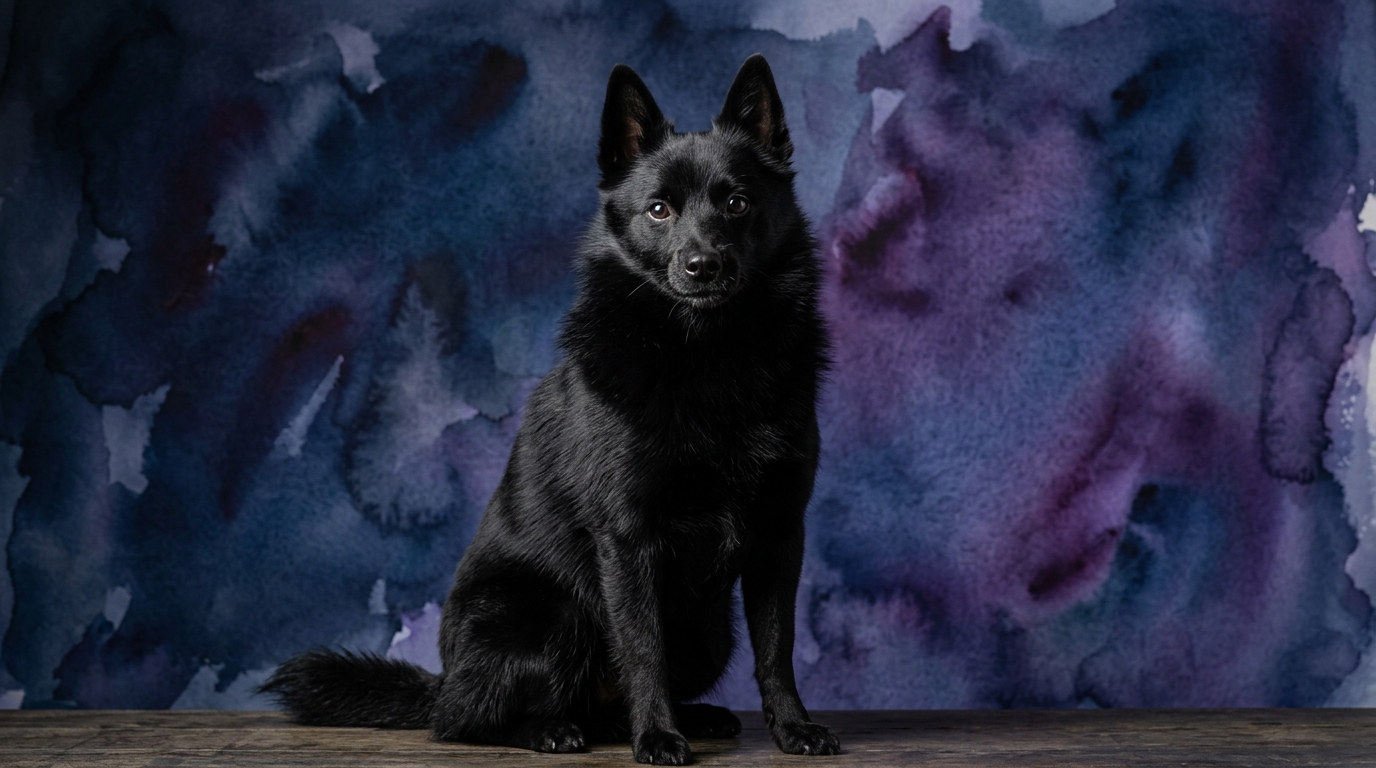
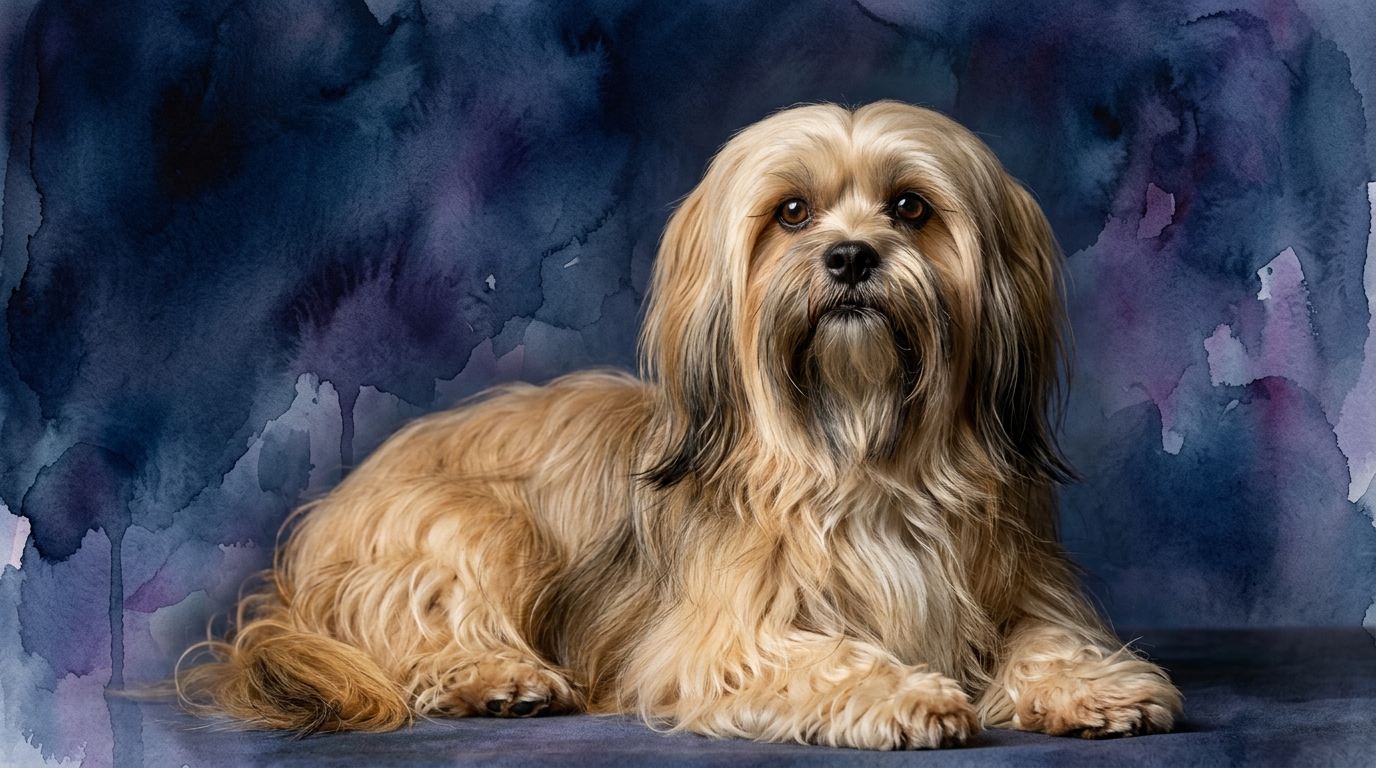
Side-by-Side IQ Profile: Schipperke vs. Lhasa Apso
The Cosmic Pet Pet IQ Lab evaluates canine cognition across five critical dimensions, providing a nuanced understanding of each breed's mental architecture. For the Schipperke, ranked #15 by Coren, its profile features Problem Solving 5/5, Training Speed 5/5, Social Intelligence 3/5, Instinctive Drive 3/5, and Memory 5/5. This paints a picture of a mentally agile and quick-learning companion.
In contrast, the Lhasa Apso, with a Coren rank of #68, presents a different cognitive blueprint: Problem Solving 3/5, Training Speed 3/5, Social Intelligence 3/5, Instinctive Drive 3/5, and Memory 3/5. While sharing some similarities, particularly in social intelligence and instinctive drive, the Lhasa Apso's scores suggest a more deliberate and independent cognitive style.
Delving deeper, the Schipperke's 5/5 Problem Solving signifies a profound capacity for independent thought, adept at analyzing situations and devising novel solutions. The Lhasa Apso's 3/5 indicates a practical problem-solving ability, but they may favor established routines over inventive approaches, often seeking human guidance in new scenarios.
In Training Speed, the Schipperke's 5/5 means they grasp new commands with remarkable rapidity, requiring minimal repetitions. The Lhasa Apso's 3/5 suggests a more measured learning pace, necessitating consistent, patient instruction and frequent reinforcement to solidify understanding.
Both breeds score 3/5 in Social Intelligence, denoting a moderate ability to interpret human cues. They understand their companions but may prioritize their inherent breed characteristics, such as vigilance or independence, over nuanced emotional responsiveness. Similarly, both breeds hold a 3/5 in Instinctive Drive; for the Schipperke, this manifests as vigilant territoriality, while for the Lhasa Apso, it translates to a keen watchfulness and a strong sense of personal space.
Finally, the Schipperke's 5/5 Memory ensures exceptional retention of learned behaviors and experiences, significantly aiding training and complex task mastery. The Lhasa Apso's 3/5 Memory is functional, recalling familiar people and commands, but may require more consistent refreshers for less frequently used information.
Where the Schipperke Wins Cognitively
The Schipperke's cognitive profile showcases clear advantages in areas demanding rapid assimilation and independent thought, making them compelling for owners who appreciate a dog capable of ingenuity. Their perfect 5/5 in Problem Solving means they are exceptionally adept at figuring out how to open gates, retrieve hidden toys, or navigate complex puzzle feeders without extensive prior training. This inherent resourcefulness makes them intriguing companions, though it also means they can be master strategists when it comes to finding mischief, requiring consistent mental engagement.
Coupled with their 5/5 Training Speed, Schipperkes can master a wide array of commands and tricks quickly, making them standouts in competitive obedience or agility. They grasp new concepts with impressive alacrity, often anticipating what is expected of them after just a few repetitions. This rapid learning curve ensures that training sessions are efficient and progress swiftly.
Furthermore, their 5/5 Memory ensures that once a lesson is learned or a solution discovered, it is retained for the long term, reducing the need for constant reteaching and allowing for the building of a vast repertoire of learned behaviors over time. This robust memory also contributes to their consistent performance and reliability once trained, solidifying their status as a highly capable and responsive companion.
Where the Lhasa Apso Wins Cognitively
While the Lhasa Apso's scores might appear lower in certain metrics compared to the Schipperke, their unique blend of cognitive traits is perfectly suited for their historical purpose and specific companionship roles. Their 3/5 Social Intelligence, combined with a 3/5 Instinctive Drive, fosters a discerning and self-assured demeanor. This means a Lhasa Apso is not easily swayed by every stranger or novel situation; they assess their environment and decide whom to trust, often forming incredibly deep, loyal bonds with their chosen family.
Their moderate problem-solving abilities (3/5) mean they are less likely to invent complex schemes for escape or mischief, often preferring the comfort of routine and their designated safe spaces. This translates to a more predictable companion for owners who value stability and a less demanding intellectual presence within the home. They find contentment in their established world, rather than constantly seeking novel mental challenges.
The Lhasa Apso's instinctive drive, manifesting as a vigilant watchfulness, means they are keenly aware of their surroundings and excellent at alerting their owners to anything unusual, without being excessively reactive. This makes them superb, albeit independent, home guardians. The Lhasa Apso's cognitive strengths lie in their consistent, unwavering loyalty and their ability to be content within their established world, making them exceptional companions for those who appreciate a dignified and steadfast presence.
Which is Easier to Train and Why
Based on The Cosmic Pet Pet IQ Lab's metrics, the Schipperke is unequivocally the easier breed to train. Their 5/5 Training Speed indicates they absorb new commands and routines with remarkable swiftness, often requiring only a handful of repetitions before a behavior is understood and performed reliably. This rapid learning curve means training sessions can be shorter, more engaging, and yield quicker results, making the process highly rewarding for both dog and owner.
Furthermore, their 5/5 Problem Solving ability allows them to independently figure out what is being asked of them, even with subtle cues, reducing the need for extensive prompting. Their perfect 5/5 Memory ensures these lessons are deeply ingrained, requiring fewer refreshers over time and allowing owners to build a complex repertoire of behaviors with confidence. The Schipperke's cognitive agility simply streamlines the training process.
In contrast, the Lhasa Apso's 3/5 Training Speed means they require considerably more patience and consistent repetition. Their independent nature, a hallmark of their breed, often means they need to be convinced that performing a command is worthwhile, rather than simply complying out of eagerness. While capable of learning, their progress is more gradual, and owners must be prepared for a longer, more dedicated training commitment, with frequent refreshers to maintain learned behaviors due to their 3/5 Memory.
Which Suits Active Owners vs. Relaxed Owners
The distinct cognitive profiles of the Schipperke and Lhasa Apso naturally align with different owner lifestyles. The Schipperke, with its 5/5 Problem Solving and 5/5 Training Speed, thrives with active, engaged owners who are prepared to provide consistent mental and physical stimulation. Their sharp minds need challenges, whether through advanced obedience, agility sports, or complex puzzle toys, to prevent them from inventing their own 'problems' to solve, which can sometimes manifest as mischievous behaviors.
They are excellent companions for those who enjoy structured activities and appreciate a dog that is always ready for the next adventure or learning opportunity, demanding an owner who can match their mental energy. A Schipperke will actively seek engagement and respond enthusiastically to new tasks.
Conversely, the Lhasa Apso, with its more moderate scores across the board, particularly its 3/5 for Problem Solving and Training Speed, is better suited for more relaxed owners who appreciate a steadfast, less demanding presence. While they enjoy walks and interaction, their contentment often stems from a stable routine and the comfort of their home environment rather than constant novel challenges or high-intensity activities.
Their moderate instinctive drive and social intelligence make them excellent watchdogs and loyal companions within their established family, but they don't typically seek out high-octane activities or constant external stimulation in the same way a Schipperke might. They offer a dignified and independent companionship, content to observe and be a part of the household rhythm.
The Verdict
Choose the Schipperke if you seek a highly trainable, quick-witted companion eager to engage in mental challenges and structured activities, thriving on consistent interaction and learning.
Opt for the Lhasa Apso if you prefer a dignified, independent companion content with a stable routine, offering steadfast loyalty and a watchful presence without demanding constant high-level stimulation.
🧠 Find Your Pet's IQ Score
Our Pet IQ Lab assessment covers 25+ tests across 5 cognitive dimensions — personalized to your breed.
Take the Full IQ Test →Frequently Asked Questions
Are Schipperkes difficult to live with due to their high problem-solving ability?
Schipperkes are not inherently difficult, but their 5/5 problem-solving means they require consistent mental engagement to prevent boredom. Owners who provide ample training, puzzle toys, and structured activities will find their resourcefulness a joy, whereas an under-stimulated Schipperke might use its intellect for less desirable endeavors like opening cupboards.
Does the Lhasa Apso's moderate training speed mean they cannot be trained effectively?
Not at all; a 3/5 training speed simply indicates a need for more patience, consistency, and positive reinforcement. Lhasa Apsos can absolutely be well-trained, but their independent nature and deliberate learning pace mean owners should commit to longer, more frequent, and often more creative training sessions to achieve desired results.
How do their social intelligence scores of 3/5 impact their family interactions?
A 3/5 social intelligence suggests both breeds understand basic human cues and bond deeply with their families, but might not possess the same nuanced emotional sensitivity or eagerness to please as breeds with higher scores. They are discerning in their affections, forming strong, loyal connections with their chosen people while often maintaining a more reserved demeanor with strangers.