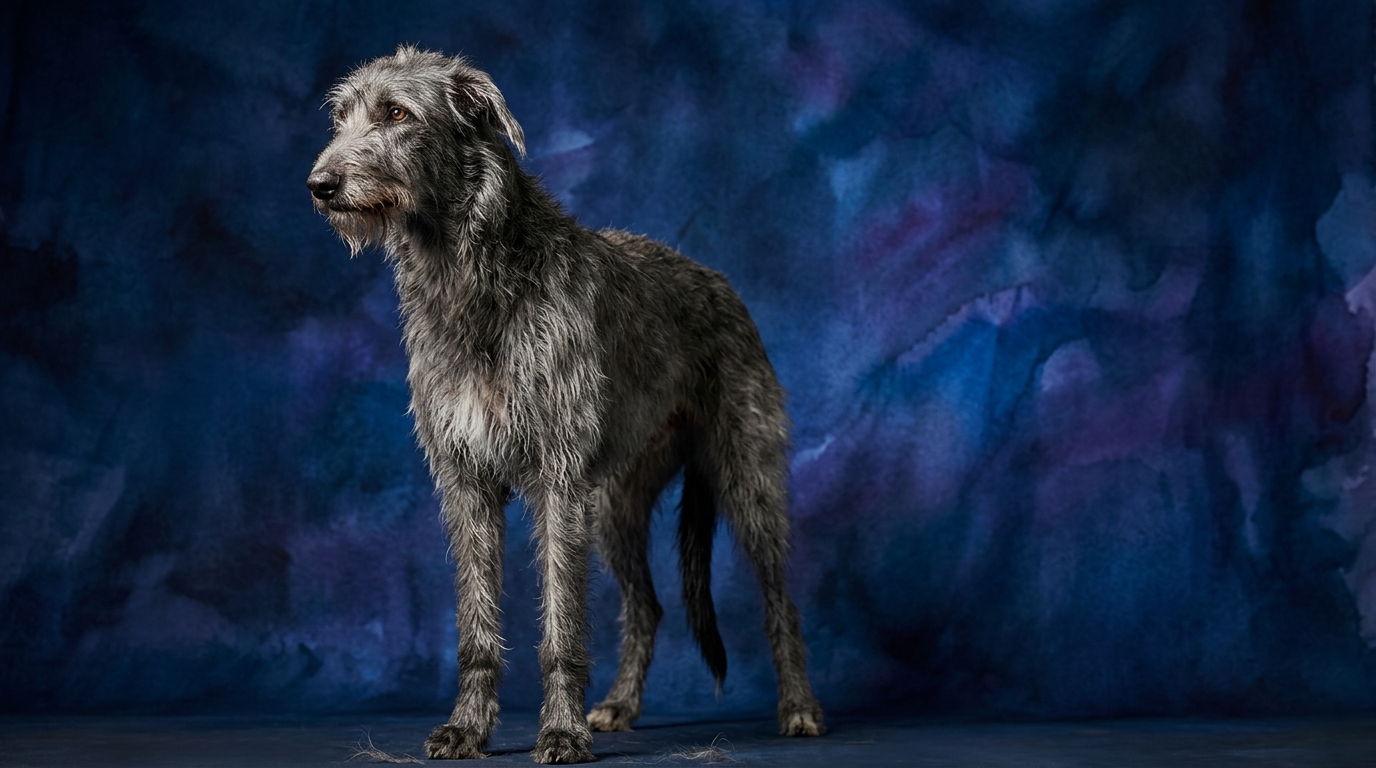
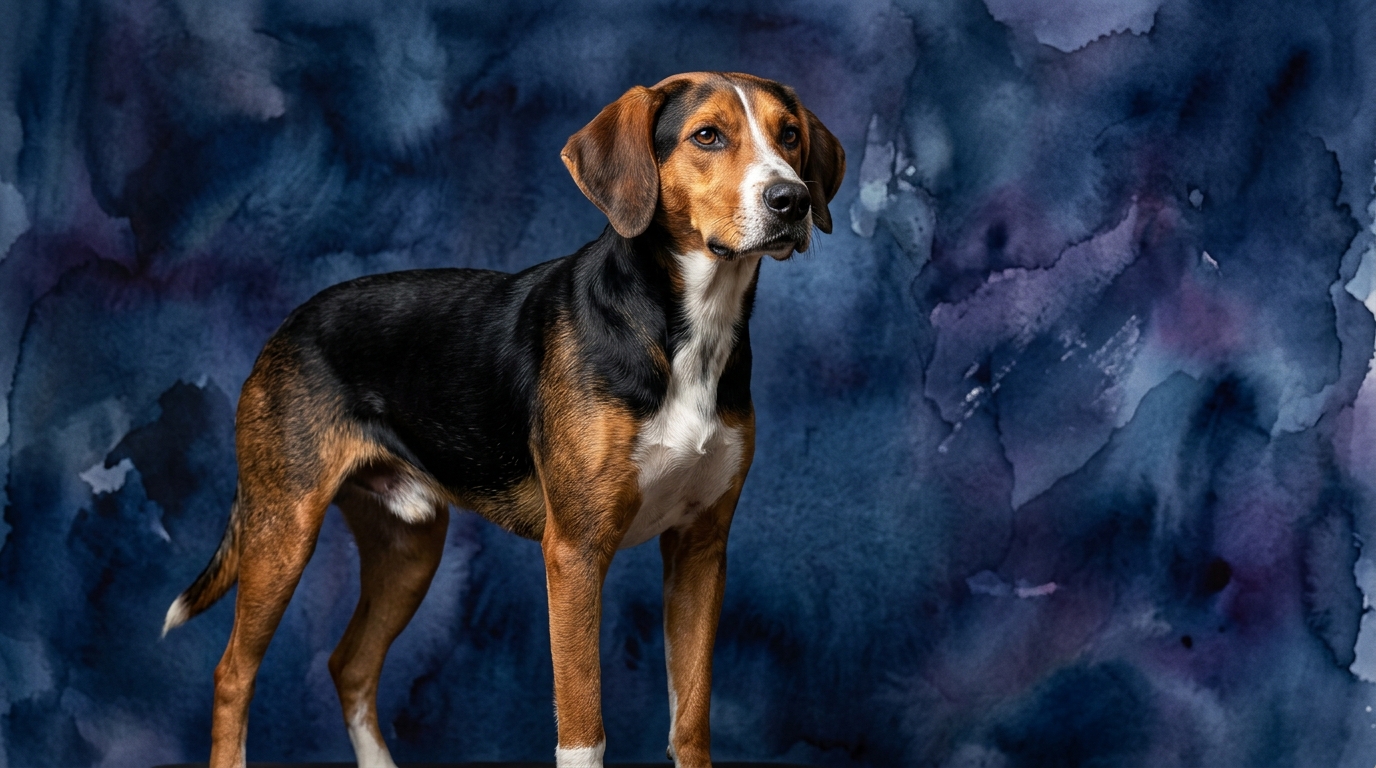
Side-by-Side Cognitive Profiles: A Deeper Look
While both the Scottish Deerhound and the American Foxhound register a '3/5' across all five cognitive dimensions in The Cosmic Pet Pet IQ Lab, a closer examination reveals unique manifestations of these scores, deeply rooted in their breed histories and purposes. These identical numerical ratings belie fascinating differences in how each breed applies its inherent capabilities.
Regarding Problem Solving (3/5), the Scottish Deerhound often displays a strategic visual intelligence. When presented with a task, they might quickly assess their environment, visually identify obstacles or targets, and devise a swift, direct course of action, particularly in open spaces. Their solutions tend to be efficient and often involve rapid movement. The American Foxhound, conversely, approaches problem-solving through a meticulous, scent-driven lens. Their cognitive process involves methodically unraveling complex olfactory puzzles, demonstrating an impressive capacity for sustained focus as they piece together environmental clues to reach a goal. Their solutions are often persistent and analytical.
In terms of Training Speed (3/5), both breeds present their own unique challenges and receptive points. The Scottish Deerhound, a sensitive sighthound, can grasp new commands with reasonable speed when motivated by positive reinforcement and a gentle, consistent approach. Their desire to please their primary human can be a strong motivator, though their inherent independence means they might selectively choose to comply. The American Foxhound, while certainly capable of learning, often exhibits a strong independent streak and an all-consuming focus on scent, which can make them seem less responsive to human directives, especially in stimulating outdoor environments. Training success with a Foxhound often depends on making lessons more engaging and rewarding than the allure of an interesting smell.
Social Intelligence (3/5) also manifests differently. Scottish Deerhounds are frequently described as gentle and affectionate, forming deep, often nuanced bonds with their human families. They appear to possess a quiet understanding of household dynamics and can be quite attuned to the moods of their close companions. Their social understanding is typically focused on their immediate human and canine circle. The American Foxhound, bred as a pack animal, excels in canine social structures, demonstrating a clear understanding of hierarchy and cooperative effort within a group of dogs. With humans, they are generally affable and outgoing, but their social intelligence is often geared more towards group harmony and shared activities rather than subtle individual emotional mirroring.
The Instinctive Drive (3/5) is perhaps where the most apparent divergence lies. The Scottish Deerhound possesses a powerful sighthound chase drive, triggered by movement. This instinct is about spotting, pursuing, and historically, bringing down large game with incredible speed and precision. Their drive is visually cued and often culminates in a rapid, decisive burst of energy. The American Foxhound, however, is dominated by an intense scent drive. Their instinct is to follow a scent trail relentlessly, often with characteristic vocalizations, working with a pack to track quarry over long distances. Their drive is olfactory and characterized by sustained, unwavering pursuit.
Finally, for Memory (3/5), both breeds exhibit capacities relevant to their historical roles. Scottish Deerhounds show good memory for familiar people, established routines, and the layout of their territories, including optimal routes for running or where interesting visual stimuli might appear. They recall spatial arrangements. American Foxhounds demonstrate strong memory for scent paths, the location of past scent-rich areas, and hunting patterns. They remember where the most promising trails begin and end, building a cognitive map of olfactory information.
Where the Scottish Deerhound Wins Cognitively
The Scottish Deerhound demonstrates a cognitive edge in scenarios requiring rapid visual assessment and spatial reasoning. Their ability to quickly process visual stimuli and make instantaneous decisions based on movement and distance is a hallmark of their sighthound heritage. This translates to an efficiency in navigating open environments and responding to dynamic changes within their visual field.
Furthermore, Deerhounds often exhibit a more refined sensitivity to their human family's emotional states. Their quiet demeanor and strong bonds suggest a capacity for nuanced social understanding within a domestic setting. This can make them particularly responsive to subtle cues from their owners, fostering a deep, almost empathetic connection.
Where the American Foxhound Wins Cognitively
The American Foxhound excels in the realm of persistent, analytical scent work. Their cognitive strength lies in their unparalleled ability to follow and interpret complex scent trails, often over long distances and varied terrain, demonstrating exceptional focus and determination. This sustained problem-solving via olfaction is a unique cognitive advantage.
Their pack-oriented history also gives them an edge in understanding and navigating multi-dog social dynamics. Foxhounds are adept at cooperative efforts and understanding hierarchies within a canine group, making them naturally skilled at collaborative tasks or living harmoniously in a multi-dog household. Their cognitive stamina for sustained outdoor exploration is also notable.
Which is Easier to Train, and Why?
Neither the Scottish Deerhound nor the American Foxhound are typically described as effortlessly easy to train, largely due to their independent hound characteristics, yet their specific training challenges differ. The Scottish Deerhound, with its sensitive nature and desire for companionship, can be quite receptive to training when approached with patience, consistency, and positive reinforcement. Their responsiveness to a calm, respectful handler can make them appear quicker to grasp commands in a controlled home environment, though their strong sighthound prey drive requires diligent management outdoors.
The American Foxhound often presents a more significant training challenge due to its powerful, all-consuming scent drive and independent, pack-oriented mindset. When a compelling scent is present, their focus on human commands can diminish considerably, as their instincts take precedence. Training a Foxhound demands immense patience, creative motivation, and consistent engagement to compete with their natural inclinations, requiring an owner to find ways to make compliance more rewarding than the call of a distant trail.
Suited for Active vs. Relaxed Owners
Both breeds necessitate active owners, though the *nature* of that activity varies significantly. The Scottish Deerhound requires bursts of intense, high-speed running in a large, securely fenced area, followed by substantial periods of rest. An owner who can provide these opportunities for explosive exercise, perhaps a few times a week, will meet their physical needs. After their exercise, they are typically content to be calm, dignified companions indoors, making them suitable for owners who appreciate quiet companionship at home.
The American Foxhound, conversely, thrives with consistent, prolonged exercise that engages their powerful scent drive. This means long, vigorous walks, hikes, or scent work sessions daily. They are best suited for owners who enjoy extensive outdoor adventures and can commit to providing regular, sustained physical and mental stimulation. Their robust energy and desire to explore make them less ideal for truly relaxed or sedentary owners, as they require consistent engagement to prevent restlessness.
The Verdict: When to Choose Each Hound
The Verdict
Choose the Scottish Deerhound if you seek a dignified, sensitive companion who thrives on visual stimulation and requires bursts of intense activity in secure open spaces, followed by quiet companionship at home. They suit owners who appreciate a gentle giant and can manage a strong sighthound chase instinct.
Opt for the American Foxhound if you are an experienced, active owner who enjoys consistent, long outdoor adventures and can dedicate time to engaging their powerful scent drive. They are ideal for those who appreciate a resilient, amiable, and pack-oriented dog with a persistent spirit.
🧠 Find Your Pet's IQ Score
Our Pet IQ Lab assessment covers 25+ tests across 5 cognitive dimensions — personalized to your breed.
Take the Full IQ Test →Frequently Asked Questions
Are Scottish Deerhounds good apartment dogs?
While Scottish Deerhounds are generally calm indoors, their substantial size and intense need for bursts of high-speed running exercise make them generally unsuitable for apartment living. They truly thrive in a home with a large, securely fenced yard or regular access to safe, expansive open spaces for galloping.
Do American Foxhounds bark a lot?
American Foxhounds are renowned for their distinctive 'baying' vocalizations, historically used to alert hunters to a trail. They can indeed be quite vocal, especially when on a compelling scent, during play, or if left alone for extended periods, which is an important consideration for potential owners regarding noise levels.
How do their grooming needs compare?
Scottish Deerhounds have a shaggy, wiry coat that requires regular brushing (2-3 times a week) and occasional hand-stripping to maintain its texture and prevent matting. American Foxhounds, in contrast, have a short, dense coat that is relatively low maintenance, needing only weekly brushing to remove loose hair and maintain coat health.