Side-by-Side Cognitive Profiles
While both the Scottish Deerhound and the Chinese Crested achieve a 3/5 rating across the board in the Pet IQ Lab's assessment, their cognitive strengths and how they express them are profoundly influenced by their ancestral roles and physical characteristics. Understanding these nuances is crucial to appreciating their individual brilliance.
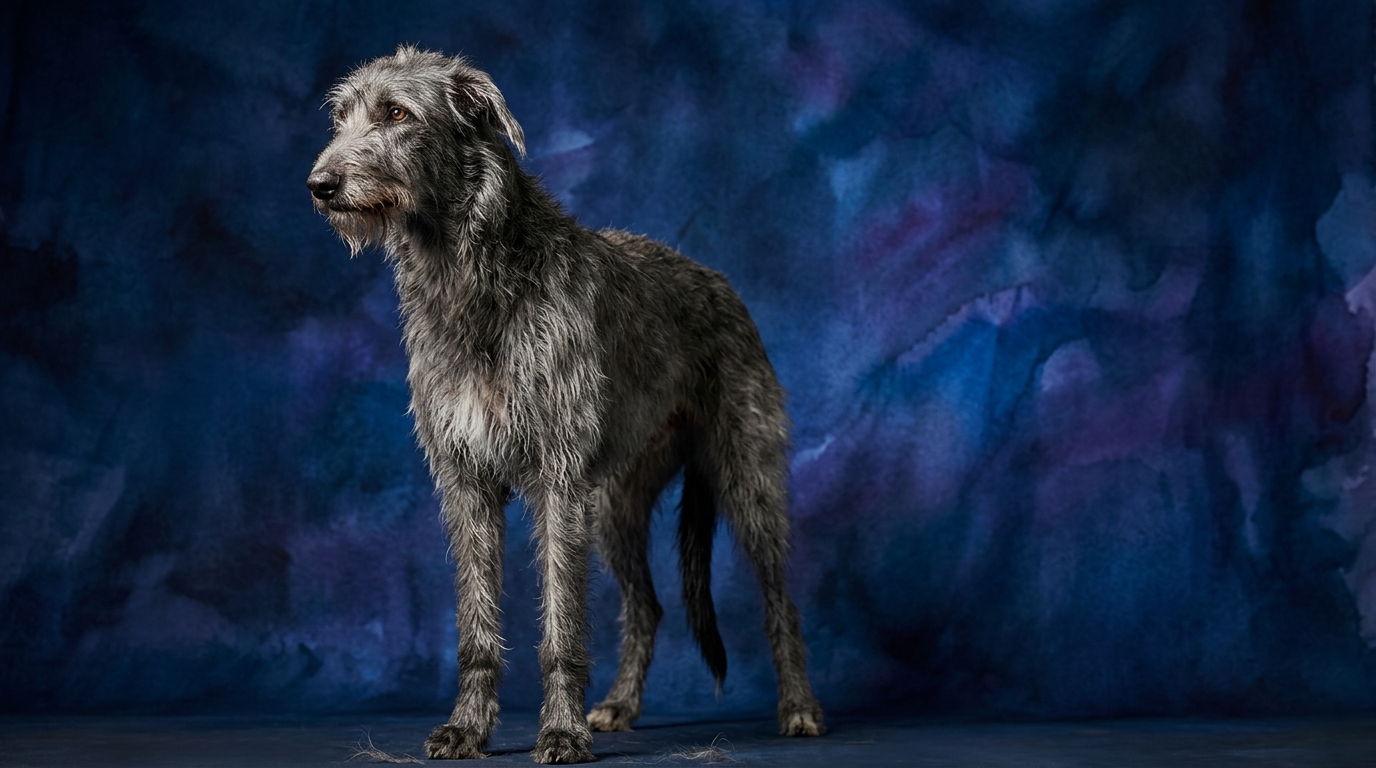
For the **Scottish Deerhound**, their 3/5 in **Problem Solving** reflects a capacity for independent decision-making in complex, dynamic outdoor environments. This isn't about solving abstract puzzles, but rather assessing terrain during a chase, navigating vast landscapes, or quickly adapting to changing conditions in the field without constant human guidance. Their intelligence is rooted in practical, real-world application, honed by centuries of hunting large game. Their **Training Speed** at 3/5 suggests they learn at a moderate pace, but their deep-seated hound independence means they often weigh a command against their own compelling instincts, especially if a captivating scent or distant movement captures their attention. They are capable learners, but their focus can be fleeting when their natural drives are activated. A 3/5 in **Social Intelligence** means they possess a discerning understanding of their immediate family's dynamics and emotions, forming deep, reserved bonds. With strangers, they are typically polite but aloof, taking time to assess new individuals before offering their trust, showcasing a thoughtful approach to social interactions. Their **Instinctive Drive** at 3/5 is overwhelmingly centered on their powerful prey drive and an inherent desire to chase, a legacy of their deer hunting heritage. This manifests as a strong inclination to pursue moving objects and significantly influences their behavior and focus in various settings. Finally, their **Memory** score of 3/5 indicates a reliable recall for places, people, and established routines, particularly those related to their daily activities and the boundaries of their territory, allowing them to remember specific scent trails and familiar routes with precision.
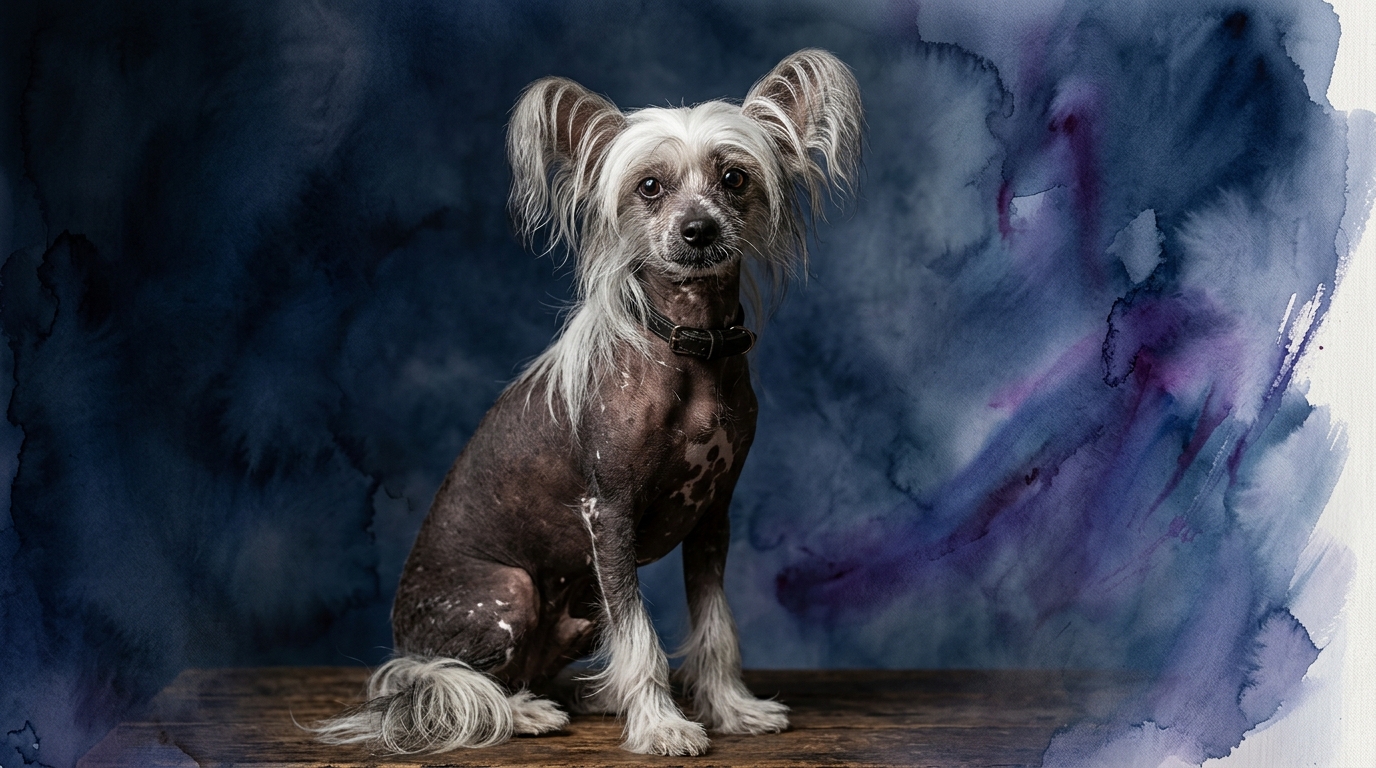
The **Chinese Crested**, despite the same numerical scores, presents a distinctly different cognitive landscape. Their 3/5 in **Problem Solving** highlights their ingenuity within a domestic setting, such as figuring out the most effective way to gain a favorite spot on the couch, manipulating a toy to extract treats, or communicating their specific needs and desires to their human companions. Their challenges are often social or comfort-oriented, requiring cleverness to optimize their indoor existence. A 3/5 in **Training Speed** indicates they are generally eager to please and can absorb commands quickly, especially when motivated by high-value treats, enthusiastic praise, or the promise of intimate cuddles. Their smaller stature and profound desire for human approval often make them receptive students, though their sensitive nature can sometimes lead to hesitation if they perceive harshness. Their **Social Intelligence** at 3/5 is remarkable for its nuanced attunement to human emotions and subtle social cues. Cresteds often mirror their owner's moods, seeking to comfort or engage, and they thrive on close companionship. They possess a perceptive understanding of their human family's social structure and individual personalities, making them exceptionally empathetic companions. Their **Instinctive Drive** at 3/5 is primarily focused on companionship, comfort, and deep bonding with their human family. While some individuals may retain a vestigial vermin-hunting instinct from their historical role on ships, their strongest drive is to be an integral, cherished part of their human household, seeking warmth, closeness, and constant interaction. Lastly, their **Memory** score of 3/5 demonstrates a solid recall for routines, specific commands, and the unique preferences of their human companions, allowing them to anticipate events and respond appropriately within their home environment.
Where the Scottish Deerhound Excels Cognitively
The Scottish Deerhound's cognitive strengths truly shine in environments that demand independent thought and physical prowess. Their 3/5 problem-solving manifests as an exceptional ability to make rapid, self-directed decisions in dynamic, unpredictable outdoor settings, such as navigating challenging terrain or assessing a moving target from a distance. They possess a superior capacity for sustained focus on a distant visual cue or an intriguing scent, a testament to their sighthound and scent hound heritage. This breed excels at cognitive tasks that involve physical challenges and overcoming obstacles in natural settings, requiring both mental calculation and athletic execution. Their memory, while rated 3/5, is particularly adept at recalling vast spatial information and complex scent trails, crucial for their historical hunting role.
Their social intelligence, though reserved, allows them to operate effectively within a loosely structured family 'pack,' understanding subtle cues from their human companions without needing constant, overt direction. They are not prone to frantic attention-seeking but rather exhibit a quiet confidence and an ability to gauge situations with a calm, observant demeanor. This independent intelligence makes them uniquely suited for owners who appreciate a dog capable of making sound judgments and demonstrating self-reliance when given appropriate boundaries and freedom.
Where the Chinese Crested Excels Cognitively
In contrast, the Chinese Crested's cognitive victories are predominantly in the realm of social and emotional intelligence, tailored for close human companionship. Their 3/5 social intelligence is remarkably acute, giving them an almost uncanny ability to read human emotions, subtle facial expressions, and changes in tone of voice. This makes them profoundly empathetic and responsive companions, often anticipating their owner's needs or moods before they are explicitly expressed. Their problem-solving prowess, also 3/5, is a masterclass in domestic resourcefulness; they are adept at figuring out intricate ways to secure comfort, attention, or preferred resources within a human household, often employing charming or clever tactics. This breed's cognitive adaptability allows them to thrive in varied indoor living situations, from small apartments to larger homes, and they often travel exceptionally well, adjusting quickly to new environments as long as their human family is present.
Their memory, while also 3/5, is particularly strong for routines, specific commands, and the individual preferences of their human companions, enabling them to fit seamlessly into family life. They are masters of intricate social dynamics within a small family unit, understanding who to approach for what and when, making them highly perceptive and interactive members of the household. This breed’s intelligence shines brightest in their ability to forge deep, communicative bonds and navigate the complexities of human-canine cohabitation with grace and wit.
Training: Which is Easier and Why
When it comes to training, the Chinese Crested generally presents fewer immediate challenges for the average owner. Their strong desire for human companionship and their sensitivity to praise and rewards make them highly receptive students. They typically learn commands quickly because they are intrinsically motivated to please their people and bask in their approval. Their smaller size also means they are less likely to be overwhelmed by external environmental stimuli like scents or distant movements, allowing for more focused training sessions. However, their sensitivity means consistency is absolutely vital; any perceived harshness can cause them to shut down or become hesitant. Preventing 'small dog syndrome' tendencies, where a small dog learns to demand attention, requires firm yet gentle boundaries from an early age.
The Scottish Deerhound, while certainly capable of learning, can be more challenging to train due to their independent hound nature and powerful instinctive drives. Their 3/5 training speed is often tempered by their tendency to prioritize an interesting scent trail or a distant movement over a human command. This sighthound independence means they may choose to follow their nose or their eyes rather than immediately comply, especially in an open, stimulating environment. Training a Deerhound requires immense patience, a deep understanding of their sighthound instincts, and making every training session engaging enough to compete with their natural curiosities. Recall, in particular, can be a lifelong project, as their innate chase drive can override even the most well-established commands if a compelling target appears. Owners must be prepared for a dog that thinks for itself and is not always eager to blindly obey.
Suitability for Active vs. Relaxed Owners
The Scottish Deerhound is unequivocally suited for active owners who relish outdoor adventures and can provide significant daily exercise. Their cognitive and physical well-being are deeply intertwined with opportunities to run, explore, and use their keen senses in secure, open spaces. Owners must appreciate their independent spirit and provide ample outlets for their powerful instinctive drive to chase and explore. A Deerhound thrives when its mind is stimulated by new environments, varied scents, and the freedom to gallop. A relaxed or sedentary owner would struggle to meet the significant physical and mental demands of this breed, potentially leading to boredom and undesirable behaviors. They are companions for those who enjoy long walks, hikes, and quiet evenings, understanding that their dog's energy needs are substantial.
Conversely, the Chinese Crested is an ideal match for more relaxed owners or those who prefer indoor activities and consistent companionship. While they certainly enjoy play and regular walks, their exercise needs are moderate, making them well-suited for apartment living or homes with smaller yards. Their cognitive engagement stems primarily from social interaction, puzzle toys, and being an integral, cherished part of the family's daily life. They thrive on consistent human presence, cuddles, and being included in household activities. Owners who appreciate a sensitive, affectionate dog deeply attuned to their emotions and content with a more sedentary lifestyle will find the Chinese Crested to be a wonderfully fulfilling companion. Their primary need is for warmth, closeness, and constant human interaction, making them perfect for those seeking a devoted, low-impact companion.
The Verdict
Choose the Scottish Deerhound if you seek a reserved yet loyal companion who thrives on independent outdoor exploration and you are prepared to manage their powerful natural instincts with consistent, patient training.
Opt for the Chinese Crested if you desire a highly sensitive, affectionate companion deeply attuned to your emotions, who flourishes in an indoor setting and offers constant, engaging social interaction.
🧠 Find Your Pet's IQ Score
Our Pet IQ Lab assessment covers 25+ tests across 5 cognitive dimensions — personalized to your breed.
Take the Full IQ Test →Frequently Asked Questions
Do identical IQ scores mean these breeds think the same way?
No, identical scores like 3/5 indicate a similar *level* of cognitive aptitude across the dimensions, but the *manifestation* of that intelligence differs greatly. A Deerhound's problem-solving might involve navigating a complex outdoor environment, while a Crested's might involve figuring out how to get attention from a human, both showing ingenuity but in distinct contexts.
How does a Deerhound's 'instinctive drive' compare to a Crested's, even with the same score?
For the Scottish Deerhound, the 3/5 instinctive drive primarily refers to their deep-seated prey drive and desire to chase, a legacy of their hunting heritage. For the Chinese Crested, the 3/5 drive is more centered on their profound need for companionship, warmth, and close interaction with their human family, reflecting their role as devoted companions.
Can a Chinese Crested live in an active family, or a Scottish Deerhound in a quieter home?
While breeds have typical preferences, individual dogs vary. A Crested can certainly enjoy an active family that includes them in outings, and a Deerhound can adapt to a quieter home if their significant exercise and mental stimulation needs are consistently met through structured activities, not just constant, spontaneous activity.