Side-by-Side IQ Profile: Digging Deeper into the Numbers
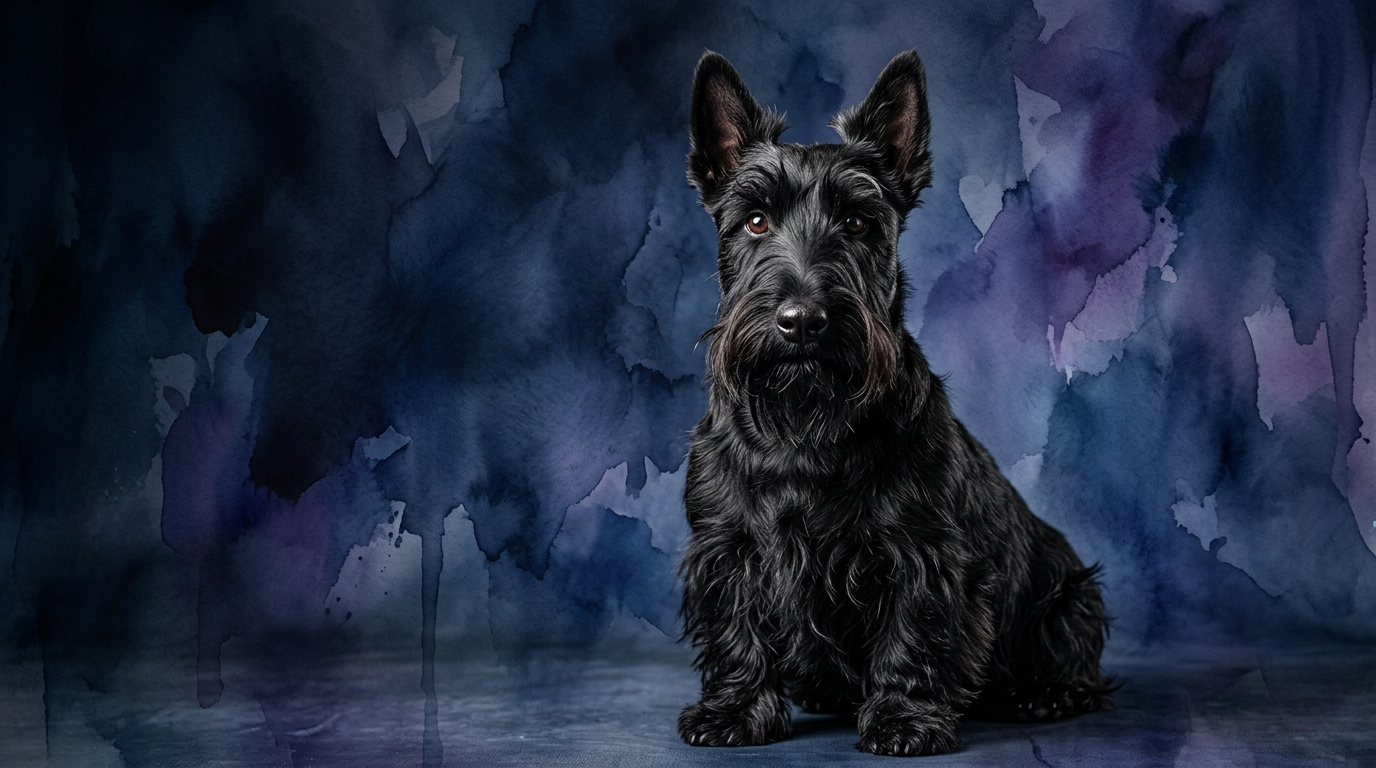
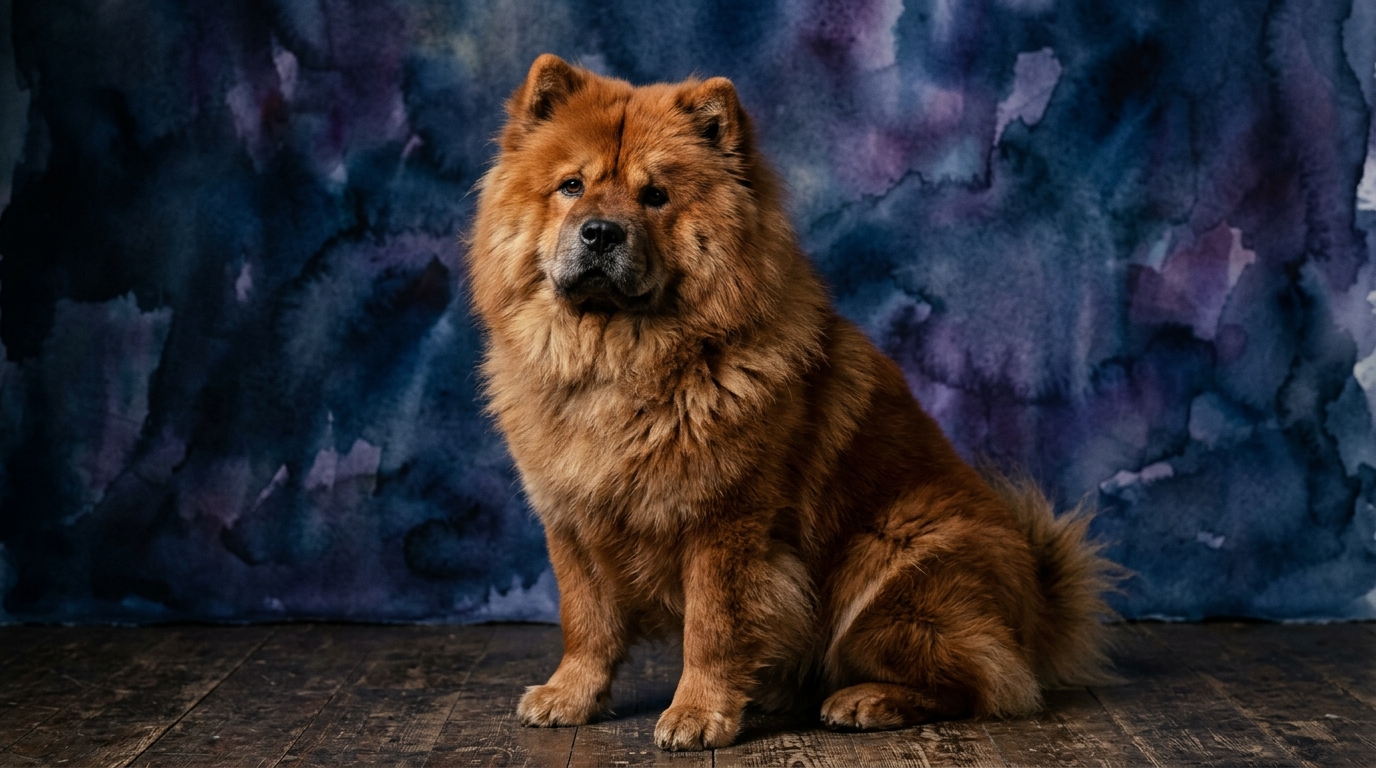
At first glance, the Cosmic Pet Pet IQ Lab data presents both the Scottish Terrier and the Chow Chow with remarkably similar cognitive profiles. Both breeds are assigned a Coren rank in the latter half of the spectrum (Scottish Terrier at #65, Chow Chow at #76), placing them within the 'average working/obedience intelligence' category. Furthermore, each breed scores a consistent 3 out of 5 across all five measured IQ dimensions: problem solving, training speed, social intelligence, instinctive drive, and memory. This identical scoring necessitates a closer look at the *qualitative* differences behind these shared numerical values, understanding how a '3/5' manifests uniquely in a tenacious terrier versus a dignified guardian.
For the Scottish Terrier, a 3/5 in problem solving often translates to a focused determination when faced with a task, particularly if it involves digging, chasing, or exploring. Their training speed at 3/5 suggests they grasp commands at a moderate pace, but their independent terrier spirit means they might not always be eager to comply without strong motivation. Their social intelligence, also 3/5, indicates a selective loyalty, forming deep bonds with their immediate family while often maintaining a reserved stance with strangers. An instinctive drive of 3/5 reflects their strong prey drive and curiosity, while a 3/5 memory allows them to recall routines and learned behaviors, especially those tied to their hunting instincts.
The Chow Chow's 3/5 in problem solving often manifests as a more deliberate, efficient approach, especially when assessing situations related to their guarding instincts. Their training speed, also 3/5, signifies they can learn, but their independent and dignified nature means they require patience and respect, often performing tasks on their own terms rather than with a desire to please. A 3/5 social intelligence for a Chow Chow means a profound, almost singular devotion to their chosen few, exhibiting extreme aloofness towards outsiders. Their instinctive drive at 3/5 is prominently expressed through territoriality and a protective nature, while a 3/5 memory allows them to retain knowledge of their environment and social hierarchy, crucial for their role as a discerning guardian.
Where the Scottish Terrier Excels Cognitively
The Scottish Terrier’s cognitive strengths often lie in their tenacious application of problem-solving to physical and environmental challenges. Their 3/5 problem-solving score, when paired with their inherent terrier drive, means they are adept at figuring out how to get to a desired 'prey' – whether that's a squirrel in the yard or a hidden treat. This isn't just about raw intelligence, but about a focused, persistent engagement with tasks that pique their interest. They exhibit a clever adaptability in navigating their surroundings and manipulating objects to achieve their goals, often showing inventive strategies to overcome obstacles.
Furthermore, their instinctive drive, also rated 3/5, combined with their problem-solving abilities, makes them particularly effective in tasks requiring scent work or small-scale 'hunting' games. They can methodically work through a puzzle or track a scent with a single-minded focus that can be quite impressive. This breed often demonstrates a more interactive form of cognitive engagement, seemingly enjoying the process of figuring things out, particularly if it involves digging or exploring novel environments.
Where the Chow Chow Demonstrates Unique Cognitive Strengths
The Chow Chow's cognitive advantages often stem from their discerning nature and independent decision-making, particularly in their role as a watchful guardian. Their 3/5 problem-solving manifests as a keen ability to assess situations and react with measured efficiency rather than frantic activity. They are less likely to engage in unnecessary endeavors, preferring to conserve energy and only act when truly warranted. This strategic approach to challenges showcases a different facet of intelligence – one focused on prudence and effective threat assessment.
Their social intelligence, also 3/5, while often perceived as aloofness, is a strength in its own right. It indicates a highly developed ability to distinguish between trusted family members and perceived outsiders, making them excellent, if selective, protectors. This discerning social cognition allows them to maintain boundaries and exert a quiet authority without constant supervision. Their memory, rated 3/5, is particularly strong in recalling individuals and past interactions, contributing to their consistent and reliable guarding behavior, as they rarely forget a perceived slight or a welcomed guest.
Training Dynamics: Scottish Terrier vs. Chow Chow
When it comes to training, both breeds present unique challenges despite their similar 3/5 training speed scores, requiring different approaches from their handlers. The Scottish Terrier, with its strong independent streak and inherent terrier tenacity, can be both a delight and a challenge. They learn commands at a reasonable pace but often require consistent, engaging training methods that make learning feel like a game or a puzzle to be solved. Their historical role as vermin hunters means they were bred to make independent decisions, which can sometimes translate into a 'what's in it for me?' attitude during training. Positive reinforcement, particularly with high-value treats or engaging play, is crucial to maintain their interest and overcome their occasional stubbornness, especially when their prey drive is triggered.
The Chow Chow, on the other hand, presents a different kind of training puzzle. Their 3/5 training speed is coupled with a profound independence and a lack of inherent desire to please. Often described as 'cat-like' in their demeanor, Chows are not easily motivated by effusive praise or endless repetition. They learn at a steady pace but require a handler who is calm, consistent, and respectful of their dignity. Forceful or harsh methods are counterproductive and can lead to resentment. Instead, training a Chow Chow involves building a relationship based on mutual respect, clear communication, and understanding their motivations. Once a Chow understands a command and sees its purpose, they will perform it reliably, but they will rarely do so with the enthusiastic eagerness of some other breeds. Their strong instinctive drive for guarding also means early socialization and obedience training are paramount to channel their protective instincts appropriately.
Matching Breeds to Lifestyles: Active vs. Relaxed Owners
Understanding the cognitive and temperamental nuances of each breed is key to matching them with the right owner lifestyle. The Scottish Terrier, while not requiring marathon runs, thrives with owners who are prepared for active engagement and mental stimulation. Their 3/5 instinctive drive and problem-solving mean they need opportunities to explore, 'hunt' (through scent games or puzzle toys), and engage in regular, brisk walks. They are adaptable to apartment living provided their owners are committed to daily outings and interactive play sessions that satisfy their curious and tenacious nature. An active owner for a Scottie isn't necessarily a jogger, but rather someone who enjoys consistent, stimulating interaction and can keep up with a clever, determined personality.
The Chow Chow, conversely, can be an excellent fit for more relaxed owners, but this 'relaxed' refers more to physical exertion than to a lack of commitment. While they are not typically high-energy dogs, they do require a securely fenced yard where they can patrol and observe, satisfying their 3/5 instinctive guarding drive. Their independent nature means they are often content to simply be near their family rather than constantly demanding attention or play. However, 'relaxed' does not mean hands-off. Chow Chows still need consistent, calm leadership, early and ongoing socialization, and mental stimulation through short, respectful training sessions. An ideal owner for a Chow Chow is someone who appreciates a quiet, dignified companion and is prepared to invest in consistent, calm training and socialization to manage their protective instincts, without necessarily needing an exercise partner for long distances.
The Verdict: When to Choose Each Intelligent Companion
The Verdict
Choose a Scottish Terrier if you appreciate a clever, tenacious companion who enjoys interactive challenges and you're prepared for consistent, engaging training to channel their independent spirit and keen instincts.
Opt for a Chow Chow if you seek a dignified, independent guardian who thrives on calm consistency and respectful handling, offering profound loyalty to their chosen family without a constant need for effusive interaction.
🧠 Find Your Pet's IQ Score
Our Pet IQ Lab assessment covers 25+ tests across 5 cognitive dimensions — personalized to your breed.
Take the Full IQ Test →Frequently Asked Questions
Are Scottish Terriers easy to train?
Scottish Terriers are moderately easy to train, scoring 3/5 in training speed. They learn commands at a steady pace but require engaging methods and strong motivation due to their independent, terrier nature. Consistency and positive reinforcement are key to success.
Do Chow Chows get along with strangers?
Chow Chows typically exhibit a reserved social intelligence, scoring 3/5. They are profoundly devoted to their immediate family but tend to be aloof and wary of strangers, which is a hallmark of their guarding instincts. Early and consistent socialization is crucial.
Which breed is more prone to stubbornness?
Both breeds can display stubbornness due to their independent natures. The Scottish Terrier's persistence often stems from their strong drive, while the Chow Chow's stems from their dignified self-reliance and lack of an inherent desire to please. Understanding their unique motivations is vital.