Side-by-Side IQ Profile
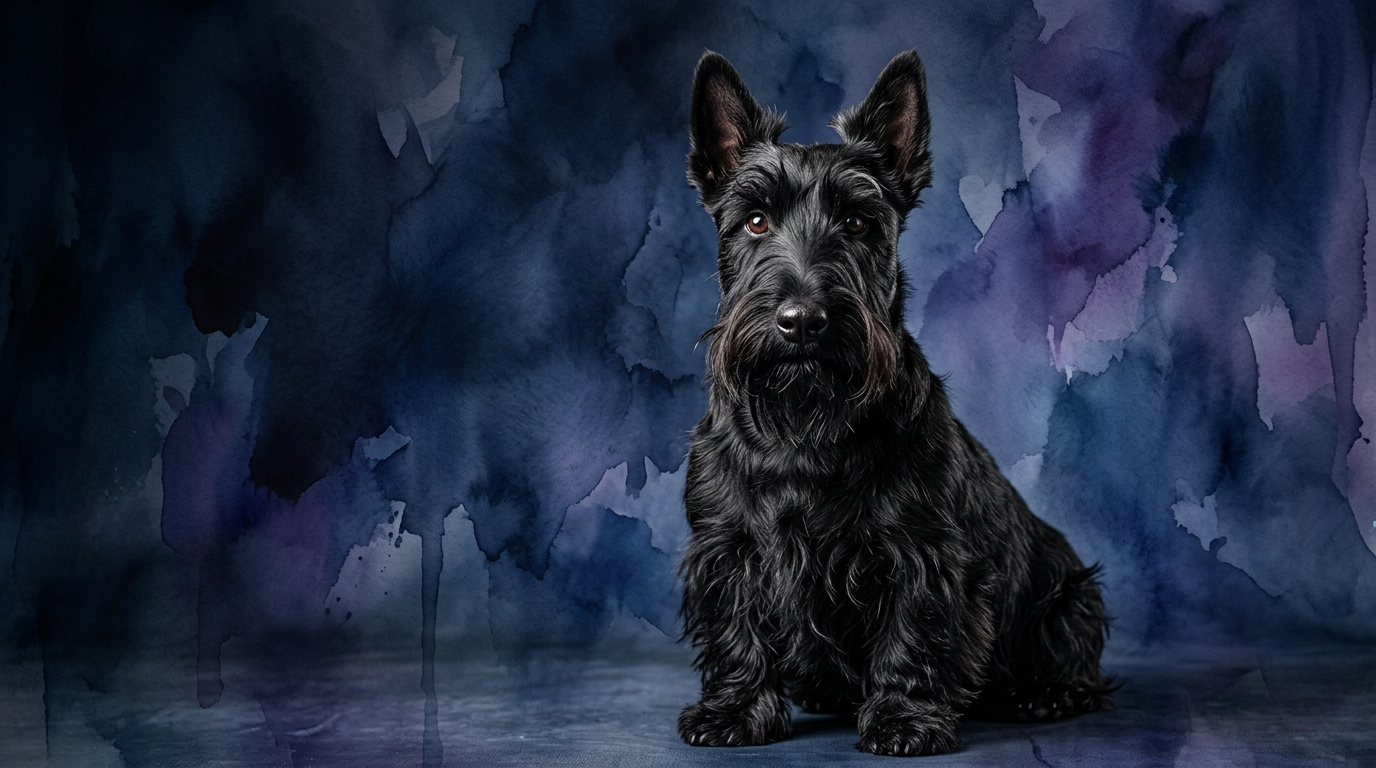
**Scottish Terrier:** The Scottie approaches challenges with an independent and often persistent mindset, reflecting its terrier heritage of navigating complex underground tunnels. Their problem-solving (3/5) isn't necessarily about speed, but about methodical determination to achieve a goal, such as retrieving a toy from a tight spot or figuring out how to bypass a minor obstacle to reach something interesting. This score indicates a capable but not always immediate solution-finder, preferring to work through issues on their own terms. Training a Scottish Terrier often requires patience and consistency, as their strong-willed nature means they process commands and expectations through the filter of their own perceived utility. While they are capable of learning, their training speed (3/5) isn't rapid; they tend to deliberate and sometimes test boundaries, needing clear, positive reinforcement to integrate new behaviors rather than simply complying on command. Scotties exhibit a discerning social intelligence (3/5), often forming deep bonds with their primary caregivers but maintaining a reserved or even aloof demeanor with strangers. Their ability to read human emotions is present, but they may choose to respond selectively, showing affection on their own terms rather than as an immediate reaction to social cues, valuing their personal space and independence. Their instinctive drive (3/5) is primarily rooted in their earthdog purpose, manifesting as a keen prey drive and a strong desire to dig or investigate small movements. This 3/5 score highlights a moderate but persistent genetic inclination towards activities like chasing squirrels or exploring scents, which can be a powerful motivator but also a distraction if not channeled appropriately. Scottish Terriers possess a solid memory (3/5), remembering routines, boundaries, and specific people or places over time. This aids in their ability to navigate familiar environments and recall learned behaviors, even if their independent streak sometimes makes it seem as though they've 'forgotten' a command. Their memory supports their consistent habits and preferences within their established territory and social circle.
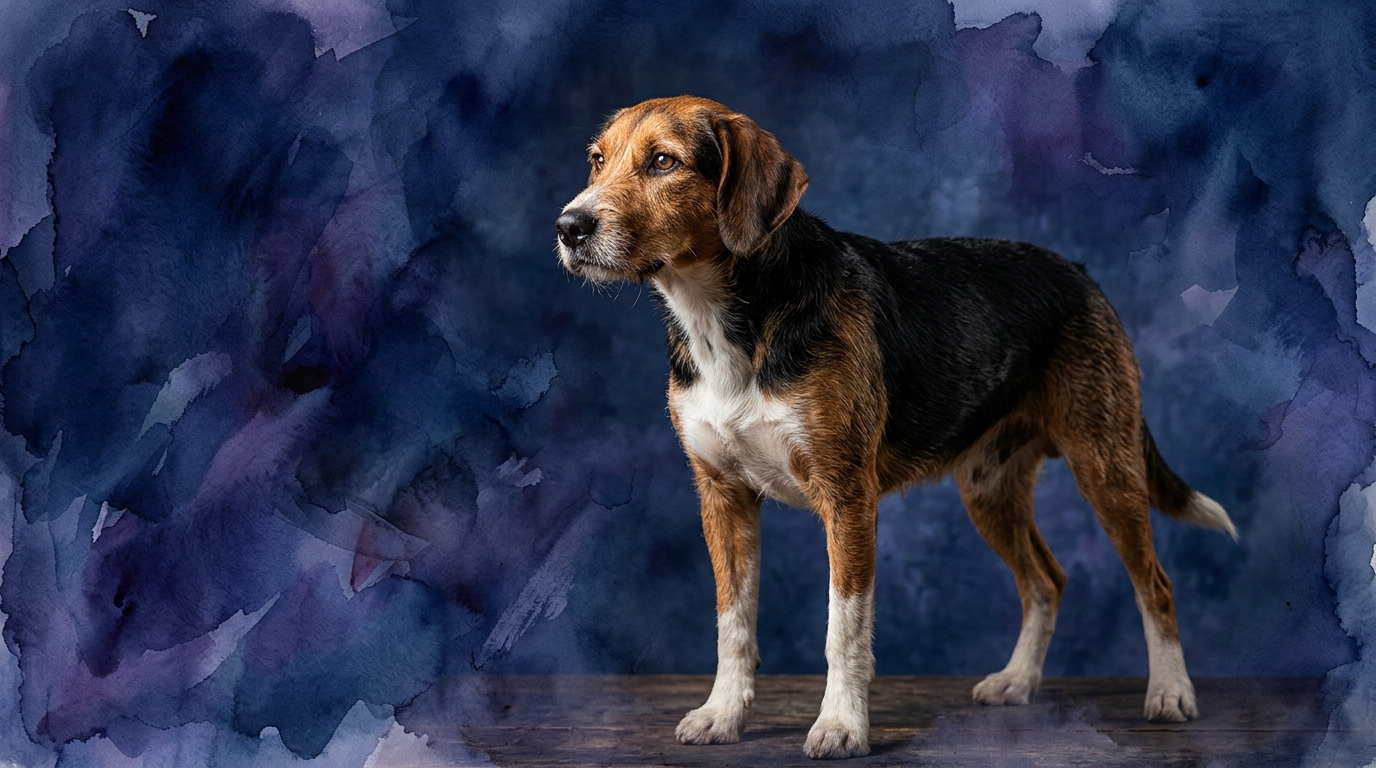
**Harrier:** Harriers demonstrate their problem-solving skills (3/5) primarily in contexts related to their hunting heritage, such as navigating varied terrain to follow a scent trail or working cooperatively within a pack to locate quarry. Their problem-solving is often practical and focused on achieving a specific, instinct-driven goal, showing an ability to adapt strategies to overcome environmental challenges rather than abstract puzzles. Harriers learn at a moderate pace, often requiring consistent, positive reinforcement and engaging methods to hold their attention, especially when a compelling scent is present. While eager to please their human 'pack leader,' their strong natural instincts, particularly their nose, can sometimes override immediate compliance, meaning lessons need to be reinforced in various environments to solidify understanding, contributing to their training speed (3/5). Harriers are generally gregarious and socially adept, thriving in a family environment and often displaying a friendly, outgoing nature towards both familiar people and new acquaintances. Their social intelligence (3/5) is geared towards cooperative living and interaction, making them responsive to social cues and eager to be part of group activities, reflecting their history as pack hounds. The Harrier's instinctive drive (3/5) is powerfully centered around scent work and pursuit, driven by their hound nature. This 3/5 score signifies a strong, persistent urge to follow interesting smells, explore, and run, requiring owners to understand and manage this inherent motivation through secure environments and engaging activities that satisfy their natural inclinations. Harriers have a good memory (3/5) for established routines, commands, and spatial awareness, particularly regarding routes and scent patterns. This memory supports their ability to perform complex tracking tasks and recall training, even if their immediate focus can be diverted by an overwhelming scent. They remember positive and negative experiences, which influences their future responses.
Where Scottish Terrier Wins Cognitively
The Scottish Terrier often excels in independent decision-making and persistent, self-directed problem-solving, particularly when a task requires sustained effort without immediate human guidance. Their cognitive strength lies in their ability to methodically work towards a goal, such as figuring out how to access a desired item or navigating a complex home environment to find a comfortable spot, demonstrating a tenacious spirit that allows them to overcome minor obstacles through sheer determination. This distinct approach contrasts with breeds that might rely more on human cues or immediate gratification.
Where Harrier Wins Cognitively
Harriers demonstrate a cognitive advantage in sustained focus related to sensory input, particularly scent, and in cooperative problem-solving within a group context. Their ability to maintain intense concentration on a scent trail over long distances and varied terrain showcases a specialized form of intelligence, requiring complex sensory processing and memory. Furthermore, their pack heritage grants them a nuanced social intelligence geared towards harmonious group dynamics, making them adept at understanding and responding to the subtle cues of their human "pack," fostering a strong sense of cooperation.
Which is Easier to Train and Why
Training ease differs significantly due to their inherent motivations and historical roles. The Harrier, with its pack mentality and desire to please, often responds well to positive reinforcement and consistent training, especially when it involves engaging activities like scent games or structured outdoor exercise. While their powerful scent drive can be a distraction, their cooperative nature means they generally aim to understand and comply with their leader's directives, making them relatively responsive to well-structured training programs.
The Scottish Terrier, by contrast, presents a unique training dynamic rooted in its independent terrier spirit. While possessing the cognitive capacity to learn, their strong self-determination means they often weigh commands against their own desires or perceived importance, which can be interpreted as stubbornness. Training a Scottie requires exceptional patience, creativity, and a deep understanding of their motivations, focusing on making training feel like their idea or an enjoyable game rather than a direct command. Their tendency to be less overtly eager to please means trainers must work harder to find what truly motivates them to engage consistently.
Which Suits Active Owners vs Relaxed Owners
For owners seeking a companion that thrives on sustained outdoor activity and mental engagement, the Harrier is an excellent fit. Their heritage as scent hounds means they require considerable daily exercise, including long walks, runs, or structured activities like tracking or agility, to satisfy their physical and mental needs. A relaxed owner who cannot provide outlets for their powerful drive and stamina would likely find a Harrier challenging, as unmet energy can lead to restless behaviors.
The Scottish Terrier can suit owners who appreciate a dog with distinct personality and a moderate, rather than sustained, exercise requirement. While they certainly enjoy brisk walks, playtime, and mental stimulation, their energy levels are often more amenable to a home environment where they can also enjoy periods of rest and quiet companionship. They are not typically suited for extreme endurance activities but do require consistent mental engagement and regular, meaningful outdoor excursions to prevent boredom and maintain their well-being, making them a good match for owners who enjoy a balanced lifestyle that includes both activity and calm.
The Verdict
Choose a Scottish Terrier if you appreciate a tenacious, independent companion with a discerning loyalty and are prepared to engage their unique problem-solving and training needs with patience and wit.
Opt for a Harrier if you lead an active lifestyle, value a gregarious, cooperative companion, and can provide ample opportunities for sustained exercise and scent-based mental stimulation.
🧠 Find Your Pet's IQ Score
Our Pet IQ Lab assessment covers 25+ tests across 5 cognitive dimensions — personalized to your breed.
Take the Full IQ Test →Frequently Asked Questions
Do Scottish Terriers and Harriers get along with other pets?
Scottish Terriers can be selective, often preferring to be the sole canine or introduced carefully to other pets, particularly smaller ones due to their prey drive. Harriers, stemming from a pack background, generally get along well with other dogs and can integrate into multi-pet households, though their strong prey drive means small, non-canine pets should be introduced cautiously.
Are Scottish Terriers and Harriers good family dogs?
Both breeds can be good family dogs, but their approaches differ; Scottish Terriers often form strong, selective bonds and can be reserved with children who don't respect their space, while Harriers are typically more outgoing and tolerant, thriving on group interaction and play with respectful children. Socialization is key for both, ensuring they learn appropriate interactions within a family setting.
What kind of mental stimulation do these breeds need?
Scottish Terriers benefit from puzzle toys, training games that challenge their independent thinking, and opportunities to "hunt" for treats around the house, appealing to their problem-solving nature. Harriers thrive on scent work, long walks in varied environments to explore smells, and interactive games that leverage their tracking instincts and cooperative spirit, keeping their keen noses and minds engaged.