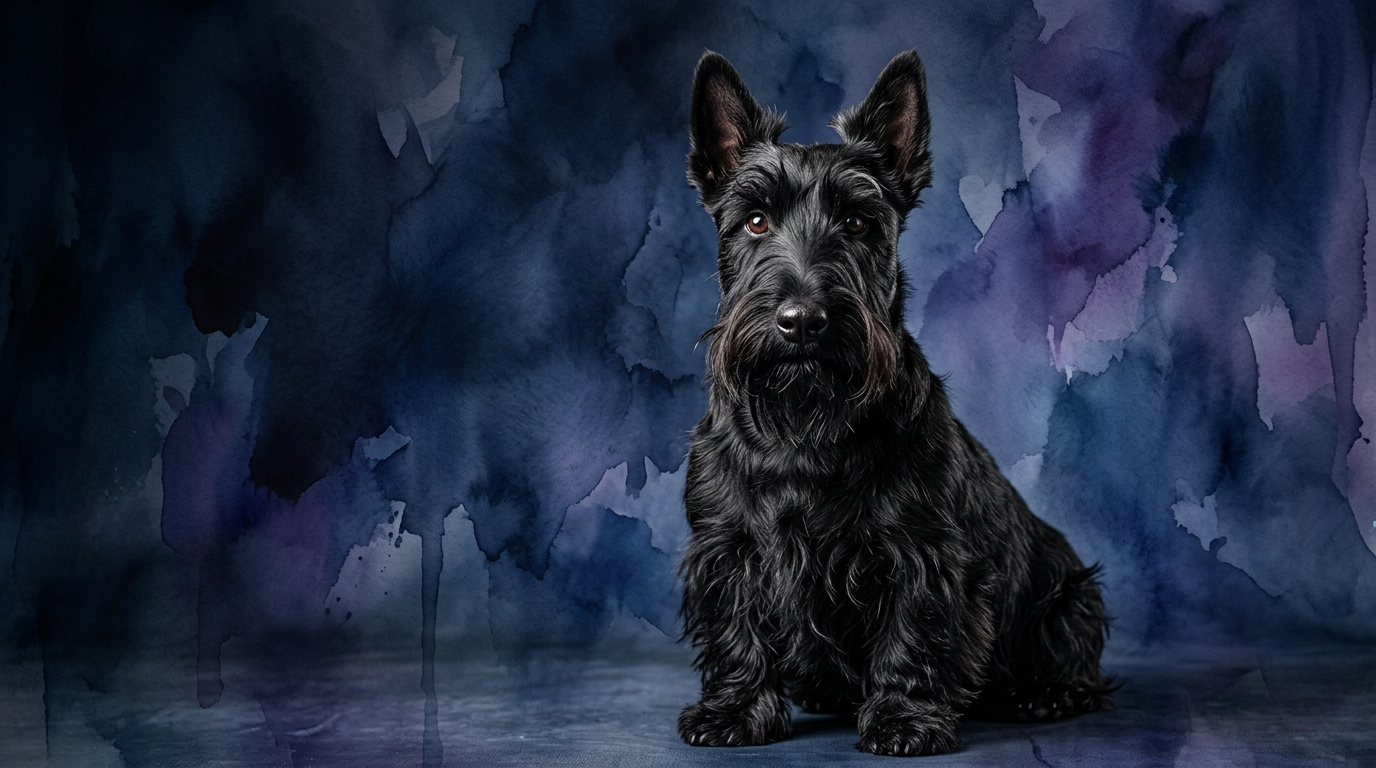
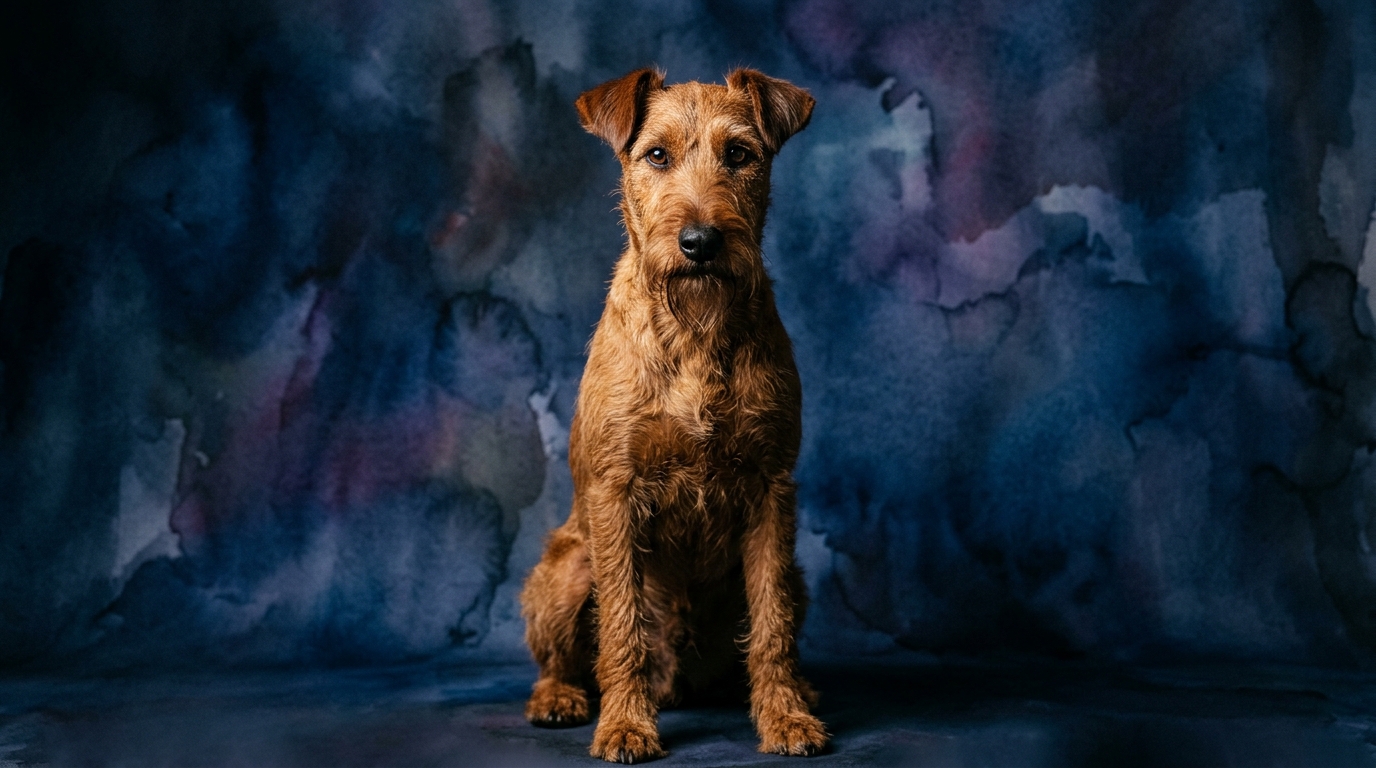
Side-by-Side Cognitive Profile: Scottish Terrier vs Irish Terrier
The Cosmic Pet Pet IQ Lab provides a comprehensive framework for understanding canine intelligence across five critical dimensions. For the Scottish Terrier, Problem Solving (3/5) often manifests in their determined pursuit of objectives, like meticulously figuring out how to bypass obstacles to reach a specific scent. Their Training Speed (3/5) reflects a capacity to learn commands efficiently, though often coupled with a strong, independent streak that necessitates consistent, engaging motivation. Social Intelligence (3/5) indicates a discerning nature, capable of forming deep, loyal bonds with their inner circle while remaining reserved or cautious with strangers. Instinctive Drive (3/5) is robust, particularly their prey drive and territorial instincts, fueling their alertness and thorough investigative behaviors. Memory (3/5) supports their ability to recall learned behaviors and routines, contributing to their consistent habits and preferences within their established environment.
The Irish Terrier, according to the same IQ Lab metrics, also scores 3/5 across all dimensions, yet their expression of these traits often differs. Their Problem Solving (3/5) frequently appears in resourceful adaptability, whether navigating new environments with agility or devising strategies to engage in play. Training Speed (3/5) suggests a good learning pace, often fueled by their energetic and eager-to-please disposition, though their enthusiasm can sometimes lead to distraction if not properly channeled. Social Intelligence (3/5) highlights their generally amiable and outgoing nature, often quick to connect with people and other animals, exhibiting a more overtly friendly and interactive demeanor. Instinctive Drive (3/5) is strong, characterized by their historical role as versatile farm dogs, displaying a keen sense for hunting and a robust, protective streak for their family. Memory (3/5) enables them to retain complex sequences of actions and social cues, contributing to their responsive and interactive personality in varied situations.
Where the Scottish Terrier Wins Cognitively
The Scottish Terrier's cognitive strengths often shine in scenarios demanding focused determination and independent thought. Their Problem Solving at 3/5, combined with a strong Instinctive Drive, means they excel at tasks requiring sustained effort to achieve a specific goal, particularly if it involves unraveling a puzzle or tracking a scent in a confined space. This breed demonstrates a particular aptitude for intricate, self-directed exploration, meticulously assessing their surroundings to find an advantage. Their Memory (3/5) often manifests as a precise recall of boundaries and routines, making them reliable in adhering to established household rules once they are thoroughly understood and accepted. The Scottie's Social Intelligence (3/5), while reserved, allows for a profound understanding of their primary human's moods and intentions, fostering a deep, almost telepathic bond that requires little overt communication. They possess a subtle perceptiveness, often reading situations with a quiet intensity before deciding on a course of action, which can be invaluable in maintaining order within their perceived domain and reacting appropriately to subtle changes.
Where the Irish Terrier Wins Cognitively
The Irish Terrier's cognitive profile, particularly their 3/5 in Problem Solving and Instinctive Drive, lends itself to more dynamic and adaptable scenarios. They display a remarkable agility in thought, quickly assessing and responding to changing environments or novel stimuli. This breed excels at improvisational problem-solving, often finding creative solutions on the fly, whether it's navigating a complex agility course or figuring out how to retrieve a toy from an awkward spot. Their Social Intelligence (3/5) is characterized by an open, engaging demeanor, allowing them to quickly form positive associations with a broader range of individuals and integrate smoothly into various social settings. This adaptability makes them particularly adept at understanding diverse social cues and adjusting their behavior accordingly. Furthermore, their Training Speed (3/5) is often amplified by a spirited eagerness to participate, making them quick to pick up new commands and tricks when presented as an engaging challenge. Their Memory (3/5) supports this by allowing them to quickly recall and apply learned behaviors across different contexts, showcasing a versatile and responsive mental framework for continuous learning.
Which is Easier to Train and Why?
Both breeds rate 3/5 for Training Speed, indicating a solid capacity for learning, but their temperamental differences lead to distinct training experiences. The Irish Terrier, with its more overtly eager and spirited disposition, often approaches training as an engaging activity, readily participating and responding to positive reinforcement. Their natural enthusiasm and desire for interaction can make them appear 'easier' to train in the sense that they are often more overtly cooperative and forgiving of handler errors. They tend to be more resilient to minor setbacks, bouncing back quickly with renewed vigor, making them generally enjoyable for first-time trainers. Their adaptable Social Intelligence also means they are often less sensitive to changes in training methods or environments, maintaining their focus.
Conversely, the Scottish Terrier, while equally capable of learning, possesses a more independent and sometimes stubborn streak. Their training requires a patient, consistent approach that respects their inherent self-reliance. While they learn commands efficiently, their compliance is often predicated on their own assessment of the task's value and their trust in the handler. Training a Scottie means appealing to their logical side and demonstrating the clear benefit of cooperation, rather than relying solely on exuberant willingness. They may test boundaries more frequently, requiring a handler who can maintain firm but fair leadership. Therefore, while both learn well, the Irish Terrier might offer a smoother, more outwardly responsive training journey for a novice owner, whereas the Scottie demands a more nuanced, understanding, and persistent handler who appreciates their thoughtful independence.
Matching Breeds to Lifestyles: Active vs. Relaxed Owners
The Irish Terrier, with its energetic and versatile cognitive profile, is generally better suited for active owners who relish regular engagement and physical activity. Their strong Instinctive Drive (3/5) combined with their adaptable Problem Solving (3/5) means they thrive on varied experiences, whether it's hiking, running, or participating in dog sports like agility. They require mental stimulation that matches their physical vigor, making them ideal companions for owners who enjoy exploring new places and engaging in interactive play. Their robust social intelligence also means they enjoy being part of family activities and interactions, often seeking out companionship and participation in household happenings. They are generally resilient and enjoy being on the go, making them excellent partners for an adventurous lifestyle.
In contrast, the Scottish Terrier, while certainly not a sedentary breed, often aligns better with owners who appreciate a more relaxed yet consistent routine. Their Problem Solving (3/5) and Instinctive Drive (3/5) manifest more in focused, investigative endeavors rather than relentless physical exertion. They enjoy purposeful walks, scent work, and opportunities to patrol their domain, but may not demand the same intensity of continuous activity as an Irish Terrier. A Scottie thrives with an owner who provides mental enrichment through puzzles, consistent companionship, and respects their need for personal space and quiet observation. They are typically content with a comfortable home life, enjoying calm evenings as much as their daily explorations, making them suitable for owners who prefer a more sedate pace while still appreciating an engaged companion.
The Verdict
Choose the Scottish Terrier if you appreciate a discerning, independent companion who thrives on consistent routines, subtle communication, and focused intellectual engagement within a structured home environment.
Choose the Irish Terrier if you desire an energetic, adaptable, and overtly social partner eager for diverse activities, interactive play, and quick learning in dynamic settings.
🧠 Find Your Pet's IQ Score
Our Pet IQ Lab assessment covers 25+ tests across 5 cognitive dimensions — personalized to your breed.
Take the Full IQ Test →Frequently Asked Questions
Do Scottish Terriers and Irish Terriers have similar cognitive potentials?
Yes, The Cosmic Pet Pet IQ Lab scores both breeds identically across all five dimensions of intelligence (3/5), indicating they possess comparable underlying cognitive capacities. The differences lie more in how these potentials are expressed through their distinct temperaments and breed histories, rather than in their raw intellectual horsepower.
Which breed is more independent in its problem-solving approach?
While both have 3/5 in Problem Solving, Scottish Terriers often exhibit a more self-reliant and determined approach, meticulously working through challenges on their own terms and with great focus. Irish Terriers, conversely, might leverage their social intelligence and adaptability more readily, often seeking inventive or interactive solutions.
How does their social intelligence rating of 3/5 differ in expression?
The Scottish Terrier's 3/5 Social Intelligence often translates to deep, selective bonds and a reserved demeanor with strangers, valuing quality over quantity in interactions and showing loyalty to their chosen few. The Irish Terrier's 3/5 typically manifests as a more outgoing, friendly, and broadly adaptable social nature, eager to engage with a wider circle of people and animals.