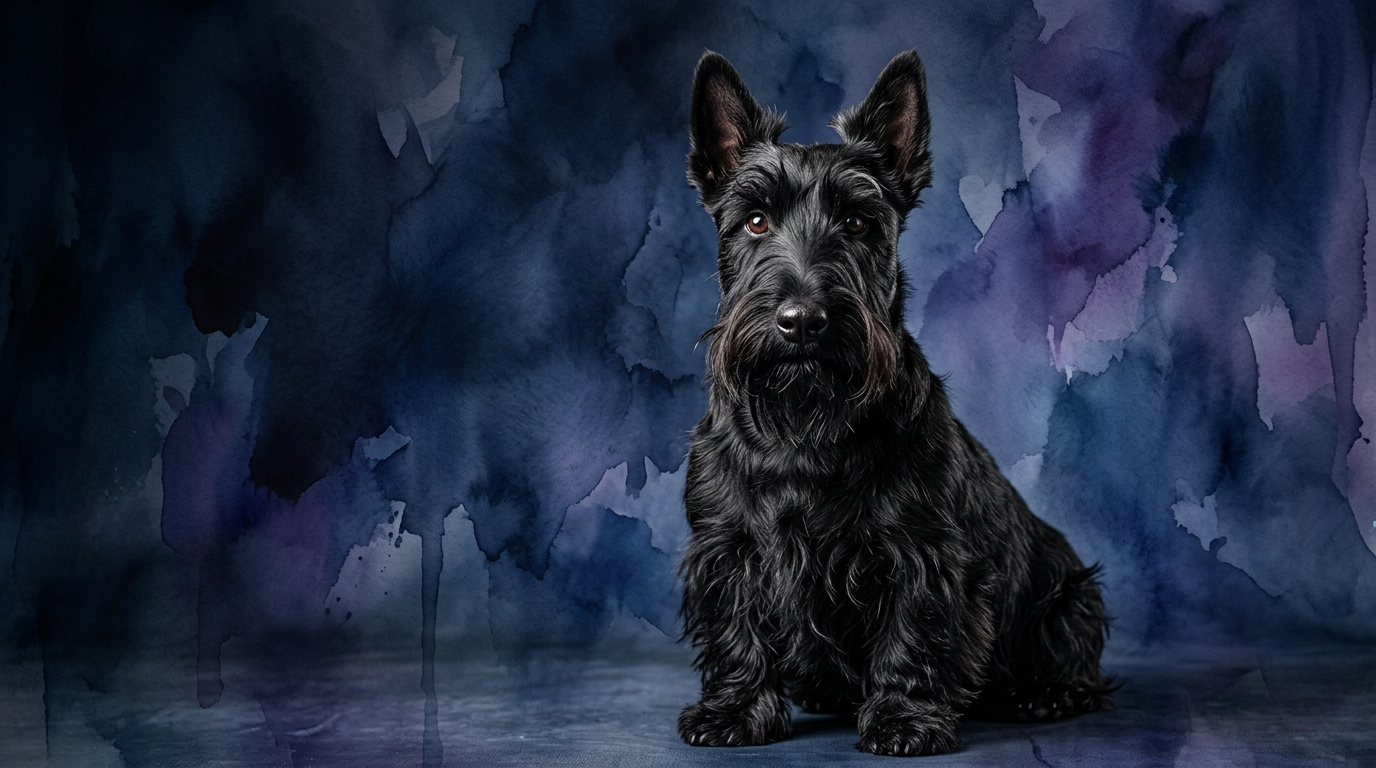
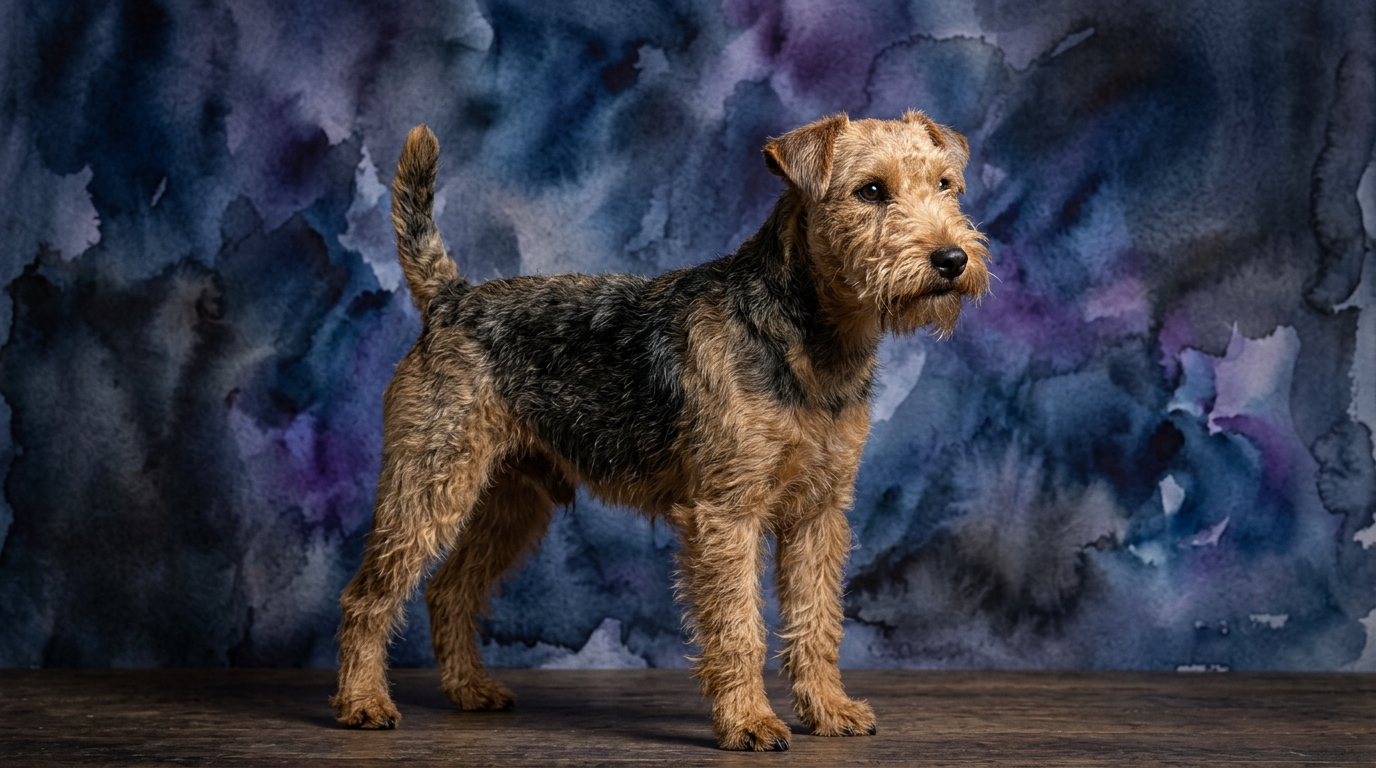
Side-by-Side Cognitive Profiles: The Cosmic Pet Pet IQ Lab
The Cosmic Pet Pet IQ Lab evaluates canine intelligence across five key dimensions, providing a granular view beyond general perceptions. For both the Scottish Terrier and the Lakeland Terrier, the data presents an interesting uniformity, with each breed scoring 3 out of 5 across all measured categories. This consistent 'competent' rating signifies that both breeds possess a solid, functional intelligence, capable of learning, adapting, and interacting effectively, though perhaps not with the lightning-fast acquisition seen in some of the highest-ranked breeds. A 3/5 suggests they are generally above average in these areas, requiring consistent effort but yielding reliable results.
For the **Scottish Terrier**, a 'Problem Solving' score of 3/5 indicates they are adept at navigating familiar routines and solving straightforward environmental puzzles, often relying on their tenacity to work through challenges rather than immediate, intuitive leaps. Their 'Training Speed' at 3/5 means they absorb new commands at a steady pace, responding well to patient, consistent instruction, though their independent terrier spirit might require firm motivation. 'Social Intelligence' at 3/5 reflects their capacity to form deep bonds and understand household dynamics, often exhibiting a discerning nature towards strangers while being devoted to their inner circle. An 'Instinctive Drive' of 3/5 highlights their moderate but present prey drive, a hallmark of their working lineage, manifesting in their alertness and occasional pursuit of small critters. Finally, a 'Memory' score of 3/5 suggests they retain learned behaviors and experiences reliably, making them consistent companions once trained, even if complex sequences might fade without reinforcement.
The **Lakeland Terrier**, mirroring these scores, also exhibits a 'Problem Solving' ability of 3/5, demonstrating practical intelligence in their surroundings and an ability to adapt within known parameters, often with spirited persistence. Their 'Training Speed' of 3/5 implies they learn new tasks at a competent rate, thriving on engaging, positive reinforcement, though their energetic and sometimes mischievous nature can occasionally test an owner's patience. With a 'Social Intelligence' of 3/5, Lakelands are typically affectionate with their families and can gauge human moods, though their spirited demeanor means they might be more outgoing or boisterous than some other breeds, requiring careful socialization to channel their enthusiasm. Their 'Instinctive Drive' at 3/5 is pronounced, reflecting their heritage as robust hunters; they possess a keen awareness of their environment and a strong impulse to explore and chase. A 'Memory' score of 3/5 ensures they remember their training and established routines, making them dependable companions who recall past lessons, provided they are regularly reinforced.
Where the Scottish Terrier Cognitively Excels
Despite identical raw IQ scores, the Scottish Terrier's unique cognitive strengths often lie in its measured approach and dignified independence. Ranked 65th by Coren for working and obedience intelligence, the Scottie demonstrates a structured learning capacity that, while not top-tier, is consistently reliable. This ranking suggests a certain predictability in their trainability compared to breeds without such an established metric. Their problem-solving, rated 3/5, frequently manifests as a methodical persistence; a Scottie faced with a puzzle might not solve it instantly, but they will apply themselves with unwavering determination until a solution is found, often relying on learned patterns rather than spontaneous innovation. This tenacity, rooted in their original function as badger and fox hunters, translates into a cognitive style that values thoroughness and steadfastness. They tend to process information with a thoughtful deliberation, making them less prone to impulsive decisions and more likely to stick to a learned routine or command once it has been thoroughly ingrained. Their social intelligence, while 3/5, often presents as a deep, discerning loyalty, where they carefully assess new individuals before committing their trust, indicating a sophisticated understanding of social boundaries and a preference for established relationships.
Where the Lakeland Terrier Cognitively Excels
The Lakeland Terrier, while not Coren-ranked, brings its own set of cognitive advantages, often rooted in its adaptability and vibrant energy. Their problem-solving, also 3/5, frequently appears more resourceful and quick-witted, particularly in novel or stimulating environments. Bred to work in diverse terrains and conditions, often independently, Lakelands exhibit a flexible intelligence that allows them to adjust to changing circumstances with greater ease. This adaptability means that while their training speed is 3/5, they might pick up new tricks or adjust to new environments with a lively enthusiasm that makes the learning process feel more dynamic. Their instinctive drive of 3/5 is often paired with a boundless curiosity, leading them to actively engage with their surroundings and seek out mental stimulation, which can be channeled into effective learning when properly motivated. Their social intelligence, also 3/5, is often characterized by a more outwardly spirited and engaging demeanor, making them quick to interact and explore social situations, albeit sometimes with a boisterous charm. This combination of resourcefulness and zest for life means Lakelands excel in situations that require a blend of physical and mental engagement, where their agile minds can match their agile bodies.
Ease of Training: Behavioral Nuances
When considering ease of training, the identical 3/5 'Training Speed' scores for both breeds suggest a similar moderate learning curve, yet their distinct temperaments introduce subtle differences in the training experience. The Scottish Terrier, with its Coren rank of 65, implies a more established, albeit deliberate, approach to formal obedience. Their dignified and somewhat reserved nature means they respond best to clear, consistent commands delivered with calm authority. While they possess the typical terrier tenacity, their learning process often benefits from a structured, repetitive methodology. A Scottie might require a few more repetitions than a higher-ranked breed, but once they grasp a concept, their memory (3/5) ensures a reliable performance, provided the motivation is consistent. They are less likely to be distracted by external stimuli if the training environment is focused, making them amenable to a patient owner who values precision.
The Lakeland Terrier, conversely, brings a more energetic and sometimes mischievous spirit to training. Their 3/5 training speed, combined with their spirited nature, means they learn well when training is framed as an engaging game. They thrive on variety and positive reinforcement that captures their attention and channels their natural enthusiasm. Their strong instinctive drive (3/5) can sometimes lead to distraction, especially if there are interesting scents or sights, meaning an owner needs to be adept at maintaining focus and making training fun and rewarding. While they are just as capable of learning commands as a Scottie, the Lakeland's independent streak and desire for action might require more creative and dynamic training methods to keep them engaged and prevent boredom, which can manifest as stubbornness. An owner seeking a dog for agility or active sports might find the Lakeland's zest for learning in these contexts particularly rewarding, even if basic obedience requires a more spirited approach.
Owner Suitability: Active vs. Relaxed Lifestyles
The cognitive profiles and inherent temperaments of these terriers clearly delineate their suitability for different owner lifestyles. The Scottish Terrier, with its thoughtful demeanor and measured energy, often thrives with owners who appreciate a companion with a strong, independent personality but also a calm presence indoors. While they require regular exercise to maintain physical and mental well-being, their overall energy expenditure is typically less demanding than some other terrier breeds. They are well-suited to individuals or families who enjoy consistent routines and are content with a dog that is loyal and observant, rather than overtly boisterous. Relaxed owners who enjoy quiet evenings and structured walks will find a devoted companion in the Scottie, provided they are prepared for a dog that values its own opinions and requires patient, consistent guidance rather than constant activity.
In contrast, the Lakeland Terrier's vibrant energy and inquisitive nature make them an ideal match for active owners. Their strong instinctive drive (3/5) and inherent zest for life demand regular physical and mental stimulation, extending beyond simple walks. Owners who enjoy hiking, jogging, dog sports like agility, or even engaging in advanced obedience training will find the Lakeland an enthusiastic partner. This breed flourishes in environments where their problem-solving abilities (3/5) and spirited personality can be channeled into productive activities. While they are affectionate family members, their need for engagement means they are less suited to a purely relaxed, sedentary lifestyle, as boredom can lead to destructive behaviors. Active owners who can provide consistent outlets for their intelligence and energy will be rewarded with a lively, joyful, and highly engaged companion.
The Verdict
Choose the Scottish Terrier if you appreciate a dignified, thoughtful companion who values routine and forms deep, discerning bonds, and you are prepared for patient, consistent training.
Opt for the Lakeland Terrier if you lead an active lifestyle and seek an energetic, resourceful partner eager for adventure and mental challenges, thriving on engaging, dynamic interaction.
🧠 Find Your Pet's IQ Score
Our Pet IQ Lab assessment covers 25+ tests across 5 cognitive dimensions — personalized to your breed.
Take the Full IQ Test →Frequently Asked Questions
Do Scottish Terriers or Lakeland Terriers shed a lot?
Both breeds have wiry coats that shed minimally. Regular hand-stripping or professional grooming is recommended to maintain coat health and keep shedding to a bare minimum, making them generally good choices for those concerned about dog hair.
Are these terriers good with children and other pets?
Both can be good with children and other pets, especially if socialized from a young age. Scottish Terriers tend to be more reserved, while Lakeland Terriers are often more playful, but supervision is always advised due to their strong terrier instincts, particularly with smaller animals.
What kind of health issues are common in Scottish and Lakeland Terriers?
Scottish Terriers can be prone to conditions like Scottie cramp, von Willebrand's disease, and certain cancers. Lakeland Terriers are generally a robust breed, but can sometimes face issues like Legg-Calve-Perthes disease or eye conditions. Responsible breeding practices help mitigate these risks.