Side-by-Side Cognitive Profiles
The Cosmic Pet Pet IQ Lab provides a nuanced framework for understanding canine intelligence across five key dimensions. Both the Scottish Terrier, with a Coren rank of #65, and the Lhasa Apso, ranked #68, exhibit remarkably similar scores across these metrics, each earning a 3/5 in problem solving, training speed, social intelligence, instinctive drive, and memory. However, these identical scores manifest in distinct ways, shaped by their breed histories and inherent dispositions.
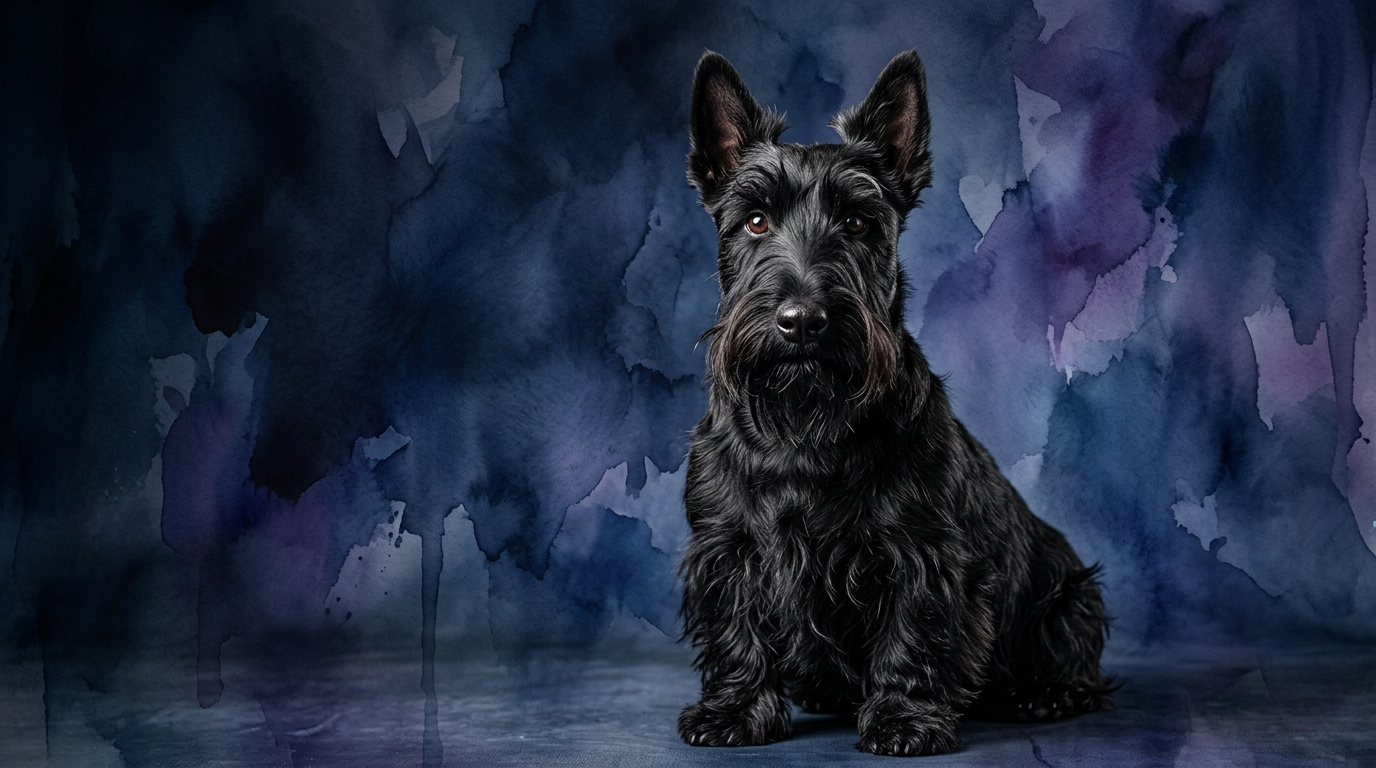
The Scottish Terrier's Problem Solving (3/5) reflects an independent nature, adept at figuring out practical solutions, often involving digging or navigating tight spaces to achieve a goal, typical of a working terrier. Their Training Speed (3/5) indicates they are capable learners, but their inherent independence and selective hearing mean consistency and engaging methods are crucial. Social Intelligence (3/5) in a Scottie means they are observant of their human companions, forming strong bonds, but they are not overly demonstrative, often preferring a reserved affection. Their Instinctive Drive (3/5) is undeniably strong, geared towards hunting small prey, digging, and patrolling their territory with determination. Finally, their Memory (3/5) allows them to retain commands and experiences, both positive and negative, forming lasting associations with people and places.
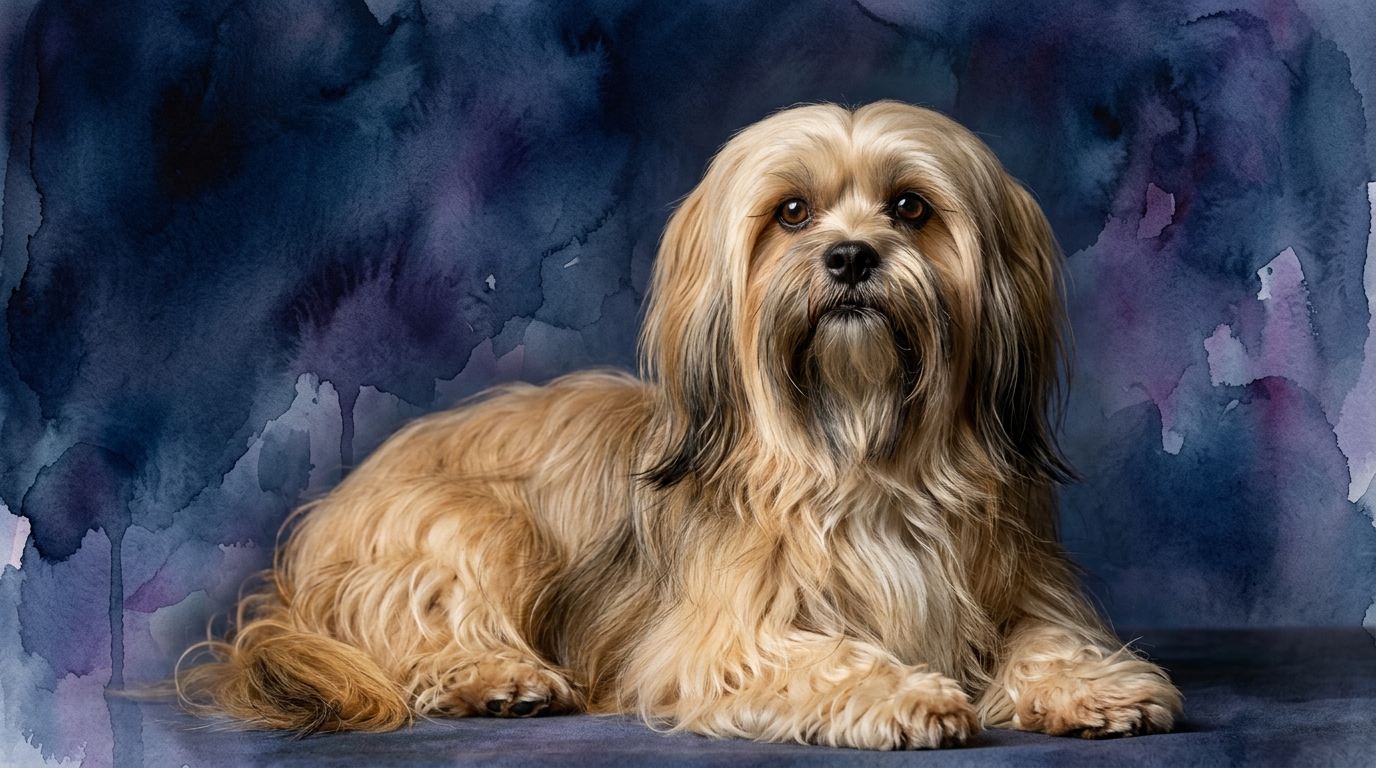
For the Lhasa Apso, Problem Solving (3/5) often involves clever manipulation of their environment or their people to secure comfort or attention, demonstrating a shrewd understanding of their surroundings rather than physical exertion. Their Training Speed (3/5) is moderate, as they learn readily but their independent, discerning nature means compliance is often a choice based on their assessment of the situation. Lhasa Apso Social Intelligence (3/5) is profound within their chosen family, where they are deeply attuned to emotional cues, yet they are discerning and reserved with strangers, embodying their sentinel role. Their Instinctive Drive (3/5) is primarily focused on guarding and alerting; they possess a keen sense of territory and a powerful bark to signal perceived threats. Their Memory (3/5) is excellent for routines, family members, and established boundaries, making them reliable in their daily habits and interactions.
Where the Scottish Terrier Excels Cognitively
The Scottish Terrier truly shines in cognitive scenarios demanding physical ingenuity and independent action, a direct reflection of their earthdog heritage. Their problem-solving, while rated 3/5, leans heavily into spatial reasoning and persistent effort to overcome physical obstacles. For instance, a Scottie might excel at figuring out how to retrieve a toy from under a piece of furniture by pushing it with their nose or paws, or systematically exploring a new yard to identify potential digging spots. This isn't just brute force; it's a methodical application of their physical capabilities guided by a clear objective.
Furthermore, their instinctive drive, also rated 3/5, provides a powerful cognitive advantage in tasks that tap into their innate prey drive. This translates into a focused determination in scent work or earthdog trials, where their ability to track and follow a scent trail, making independent decisions about direction and persistence, is paramount. They demonstrate a single-minded engagement that allows them to block out distractions and concentrate on the task at hand, leveraging their memory for scent patterns and past successful hunts. This specific application of their problem-solving and instinctive drive gives them a distinct edge in active, goal-oriented cognitive challenges.
Where the Lhasa Apso Excels Cognitively
The Lhasa Apso's cognitive strengths, while sharing a 3/5 rating, manifest uniquely in areas requiring social discernment and a more subtle form of problem-solving. Their social intelligence, for example, is particularly acute in 'reading' human intentions and emotional states within their immediate family circle. A Lhasa Apso might pick up on subtle cues that indicate a change in routine or a family member's mood, using this information to adjust their behavior, whether it's seeking comfort or maintaining a watchful distance. This isn't just observation; it's an interpretive skill that allows them to navigate complex household dynamics with remarkable sensitivity.
Their problem-solving ability, though rated 3/5, often involves strategic thinking to achieve personal comfort or attention. A Lhasa might 'problem-solve' by nudging a blanket to create a more inviting sleeping spot, or by employing a specific vocalization or gaze to solicit a treat or a lap snuggle from their owner. This indicates a cognitive understanding of cause-and-effect within a social context, rather than a physical one. Their strong memory for routines and preferences further enhances this, allowing them to consistently employ successful strategies. Their instinctive drive, focused on guarding, means they excel at identifying and alerting to novel sounds or sights, demonstrating a cognitive vigilance that is highly specific to their historical sentinel role.
Training: Independent Thinkers, Not Eager Students
Neither the Scottish Terrier nor the Lhasa Apso are typically described as 'eager to please' in the traditional sense, a common trait in breeds with a higher training speed score. Both breeds have a training speed of 3/5, which means they are capable of learning, but their strong independent streaks mean training requires patience, consistency, and a deep understanding of their individual motivations. For the Scottish Terrier, training can be a delightful challenge. Their terrier tenacity means they learn quickly when motivated, but if they perceive a task as boring or unnecessary, their stubbornness can surface. Positive reinforcement, especially methods that tap into their prey drive like 'fetch' or 'find it' games, can be highly effective, but owners must be prepared for moments where the Scottie decides their own agenda is more pressing. They require mental engagement to prevent them from creating their own 'fun,' which often involves digging or barking.
The Lhasa Apso presents a different kind of training challenge. Their 3/5 training speed is often tempered by their ancient role as a discerning guardian; they are not inherently inclined to blindly follow commands. They learn quickly what is expected, but their compliance is often a conscious choice based on whether they deem the instruction worthy or beneficial. Training a Lhasa requires a respectful, consistent approach, focusing on building trust and making training feel like a collaborative effort. Harsh methods are counterproductive and will likely result in a withdrawn or even more stubborn dog. They respond well to positive reinforcement and clear, consistent boundaries, learning to respect their owner's leadership rather than simply obeying. Their memory for routines means they thrive on predictable training schedules.
Matching Lifestyles: Active Explorers vs. Watchful Companions
When considering which breed aligns with an owner's lifestyle, their cognitive profiles, particularly their instinctive drives and problem-solving approaches, offer clear guidance. The Scottish Terrier, with its robust instinctive drive and physically oriented problem-solving, is generally better suited for active owners. These are individuals or families who enjoy regular, brisk walks, exploring new environments, or engaging in canine sports like earthdog trials, agility, or scent work. A Scottie thrives when given opportunities to channel its natural drives and intellect into purposeful activities. Owners who appreciate a dog that is always ready for an adventure, and who can provide consistent mental and physical outlets, will find a Scottie to be a rewarding companion. Their independent problem-solving means they can entertain themselves to a degree, but they need proper outlets to prevent destructive boredom.
The Lhasa Apso, conversely, often flourishes with more relaxed owners who appreciate a devoted, watchful presence rather than a constant adventure buddy. While they enjoy daily walks and mental stimulation through training or puzzle toys, their primary cognitive engagement revolves around their family and home territory. They are excellent companions for those who spend a good amount of time at home and value a dog's role as a discerning alert system and affectionate confidante. Their social intelligence makes them deeply attuned to their family, and their problem-solving often focuses on creating comfort and maintaining household harmony. Owners who can provide a calm, structured home environment, consistent attention, and respect their independent nature will find a Lhasa Apso to be a steadfast and charming companion.
The Verdict: When to Choose Each Breed
The Verdict
Choose a Scottish Terrier if you seek an active, independent companion with a terrier's zest for exploring and physically engaging with its environment, and you're prepared for their determined, sometimes stubborn, problem-solving nature.
Opt for a Lhasa Apso if you desire a discerning, devoted guardian who thrives on close companionship and a calm, structured home life, appreciating their shrewd social intelligence and more subtle problem-solving skills.
🧠 Find Your Pet's IQ Score
Our Pet IQ Lab assessment covers 25+ tests across 5 cognitive dimensions — personalized to your breed.
Take the Full IQ Test →Frequently Asked Questions
Are Scottish Terriers easy to train?
Scottish Terriers are capable learners (training speed 3/5), but their independent and tenacious nature means they require consistent, engaging training methods. They respond best to positive reinforcement and owners who understand their strong terrier drive.
Do Lhasa Apsos bark frequently?
Lhasa Apsos have a strong instinctive drive for guarding (3/5) and are known for their vigilant nature, often using their bark to alert their owners to perceived threats or novelties. Consistent training can help manage excessive barking.
What kind of mental exercise do these breeds need?
Scottish Terriers benefit from activities that tap into their problem-solving and instinctive drive, like puzzle toys, scent work, or earthdog trials. Lhasa Apsos thrive on mental stimulation through consistent training, strategic games, and opportunities to observe their environment from a secure vantage point.