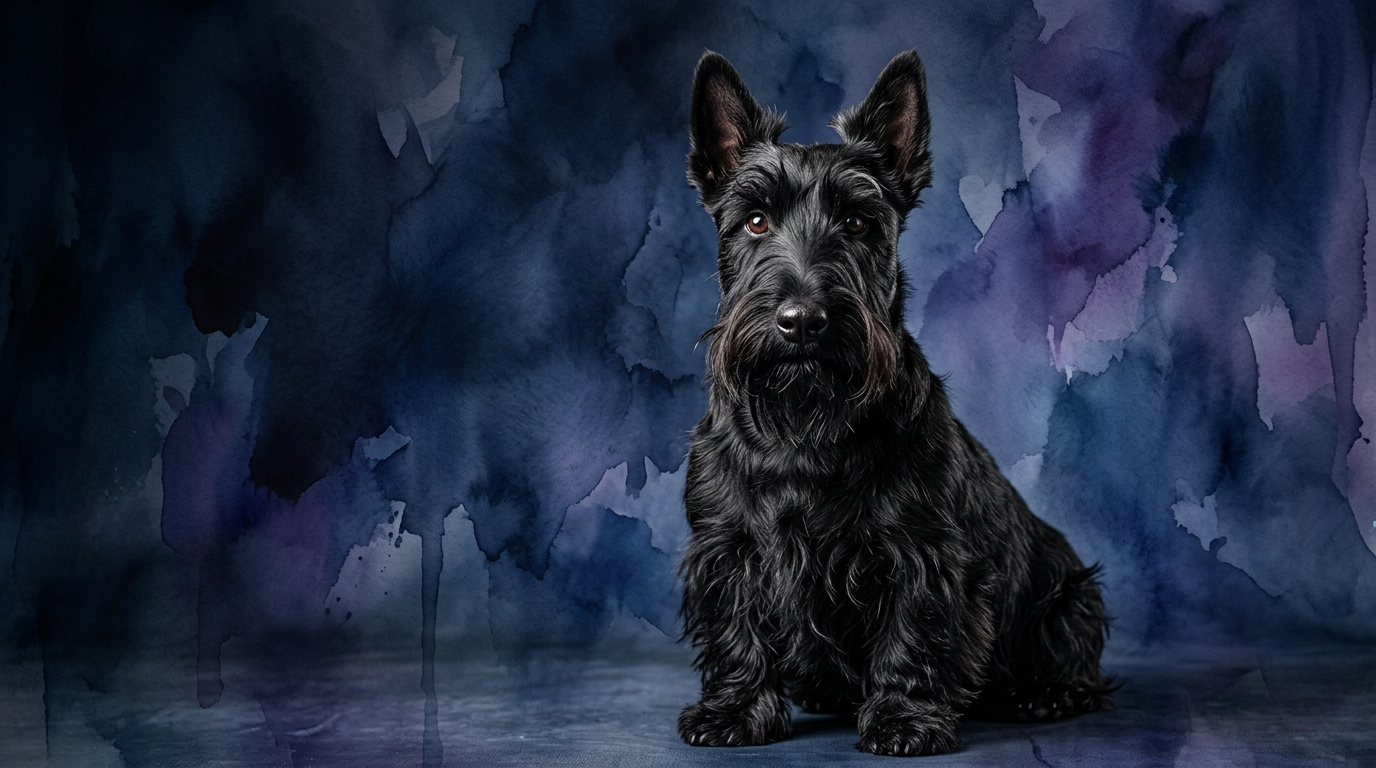
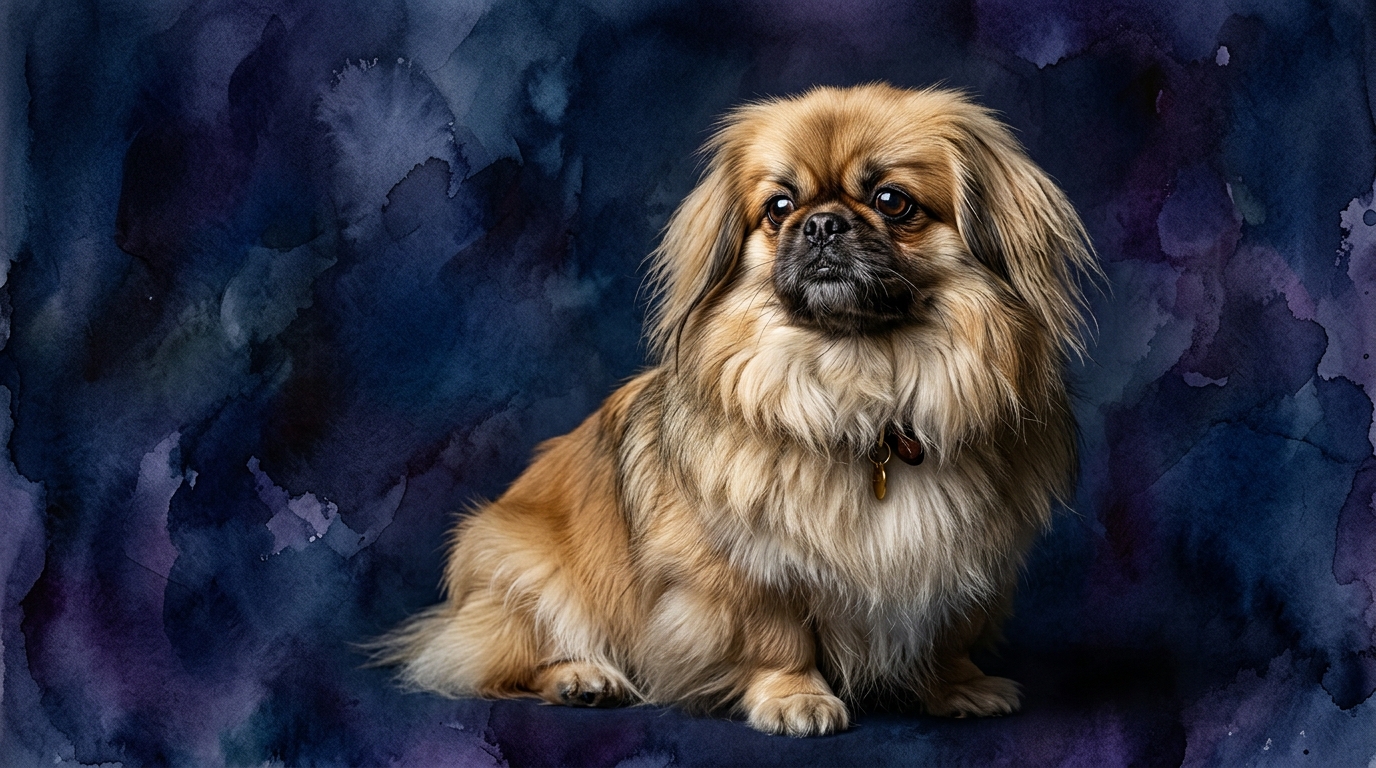
Side-by-Side IQ Profile
The Cosmic Pet Pet IQ Lab assigns both the Scottish Terrier and the Pekingese a Coren rank of #65 and #77 respectively, placing them in similar bands for working and obedience intelligence. Intriguingly, their individual cognitive dimension scores are identical: Problem Solving 3/5, Training Speed 3/5, Social Intelligence 3/5, Instinctive Drive 3/5, and Memory 3/5. For the Scottish Terrier, a member of the Terrier group, a 3/5 in Problem Solving often manifests as a determined, independent approach to overcoming obstacles, particularly those related to their inherent drive to investigate or 'dig up' solutions. Their Training Speed at 3/5 suggests they are capable learners, but their strong will means they require consistent motivation and clear boundaries, often preferring to engage when they perceive a benefit to themselves. Social Intelligence at 3/5 for a Scottie typically means they form deep bonds with their chosen few, exhibiting loyalty while maintaining a somewhat reserved demeanor with strangers. Their Instinctive Drive at 3/5 is pronounced, often directed towards hunting small prey or exploring, requiring appropriate outlets. Memory at 3/5 indicates they retain learned behaviors and routines effectively, especially those that are reinforced or have a strong emotional component.
The Pekingese, a regal member of the Toy group, also scores 3/5 across all cognitive dimensions, yet these scores translate into distinct behavioral patterns. Their 3/5 Problem Solving often involves more subtle strategies, perhaps figuring out how to secure a comfortable spot or gain a desired human's attention through gentle persuasion rather than forceful action. Training Speed at 3/5 for a Pekingese suggests they can learn, but their self-assured and sometimes stubborn nature means training must be approached with patience and positive reinforcement, appealing to their desire for comfort or specific rewards. Social Intelligence at 3/5 typically means they are deeply affectionate and attuned to their primary caregivers, though they can be quite discerning and reserved towards those outside their inner circle, often displaying a regal indifference. Their Instinctive Drive at 3/5 is less about predatory pursuit and more about guarding their territory or favorite people, often expressing itself as a watchful, alert presence. Memory at 3/5 implies they remember routines, preferences, and the people they trust, contributing to their consistent, if sometimes particular, daily habits.
Where Scottish Terrier Wins Cognitively
The Scottish Terrier's cognitive strengths, even within a 3/5 profile, often shine brightest in scenarios demanding tenacity and independent thought. Their Problem Solving at 3/5, when combined with their 3/5 Instinctive Drive, translates into a dog that will persistently work to achieve a goal, such as retrieving a hidden toy or navigating a complex scent trail. This isn't about rapid learning, but rather a determined application of effort. For instance, a Scottie might spend considerable time figuring out how to access a forbidden area or open a cabinet door, showcasing a practical, hands-on approach to overcoming physical barriers. Their memory (3/5) plays a crucial role here, allowing them to recall successful strategies and apply them in new, similar contexts. This breed demonstrates a robust cognitive resilience, preferring to tackle challenges head-on and often thriving on tasks that require a degree of self-reliance. They excel in activities that tap into their natural terrier instincts, such as earthdog trials or scent work, where their focus and drive are channeled productively. The Scottie's cognitive advantage lies in their unwavering determination and ability to independently process and react to environmental stimuli, often with a fearless attitude.
Where Pekingese Wins Cognitively
The Pekingese, with its identical 3/5 cognitive scores, presents a different spectrum of cognitive strengths, primarily centered around social nuance and environmental mastery within their domain. Their 3/5 Social Intelligence often manifests as a keen awareness of their human companion's moods and routines, allowing them to subtly influence interactions or anticipate needs for comfort and attention. This isn't about eager-to-please obedience, but rather a sophisticated understanding of their personal human ecosystem. A Pekingese might 'problem solve' (3/5) by learning the exact time their favorite human wakes up or when treats are dispensed, positioning themselves strategically to maximize their chances of receiving desired outcomes. Their memory (3/5) is particularly strong for personal preferences, routines, and the emotional states of their trusted people, enabling them to navigate their social world with precision. They might remember which family member is most likely to offer an extra cuddle or a specific treat, and approach them accordingly. While not known for complex obedience, their cognitive strengths lie in their ability to orchestrate their immediate environment for maximum comfort and security, often through quiet observation and calculated charm. The Pekingese excels in creating and maintaining a stable, predictable home life, leveraging their understanding of human behavior to secure their favored position.
Which is Easier to Train and Why
When comparing trainability, both breeds score 3/5 in Training Speed, indicating that neither is inherently 'easy' nor 'difficult' but rather requires specific approaches. The Scottish Terrier's primary training challenge stems from their independent and often tenacious nature. They were bred to work independently, making them less inclined to blindly follow commands if they don't see the immediate benefit or if their strong instinctive drive (3/5) to explore or chase takes over. Training a Scottie requires consistent, positive reinforcement, making the learning process feel like a fun game or a rewarding challenge they choose to engage in. Their problem-solving (3/5) means they'll try to find loopholes, so trainers must be clear and firm with boundaries. A Scottie's training success hinges on an owner who understands their terrier spirit and can motivate them without breaking their independent resolve.
The Pekingese, on the other hand, presents a different set of training considerations, rooted in their regal and often self-important demeanor. Their 3/5 Training Speed is influenced by their preference for doing things on their own terms, rather than an eager-to-please attitude. They can be quite stubborn, and their social intelligence (3/5) means they might decide whether a command is worth their effort based on their relationship with the trainer or their current mood. Training a Pekingese demands immense patience, gentle persuasion, and a deep understanding of what motivates them – often comfort, food, or specific forms of affection. Forceful methods are counterproductive and will likely result in a dog that simply shuts down. For both breeds, the 3/5 score suggests that training is a journey requiring dedication, but the 'why' behind their moderate trainability differs significantly: the Scottie's independent drive versus the Peke's self-assured indifference.
Which Suits Active Owners vs Relaxed Owners
The choice between a Scottish Terrier and a Pekingese also hinges significantly on an owner's lifestyle and energy levels. The Scottish Terrier, despite its compact size, is a robust and active breed that thrives with owners who can provide consistent engagement and appropriate outlets for their 3/5 Instinctive Drive. They require regular walks, opportunities for supervised outdoor exploration, and mental stimulation through puzzle toys or training sessions. An owner who enjoys moderate daily activity, such as brisk walks or structured play in a secure yard, will find a Scottie to be a willing and energetic companion. Without sufficient activity and mental challenges, a Scottie's independent problem-solving (3/5) can lead to boredom-driven behaviors like excessive digging or chewing. They are best suited for owners who are prepared to integrate their dog into an active, stimulating routine, ensuring their tenacious spirit is channeled positively.
In contrast, the Pekingese is generally better suited for more relaxed owners who appreciate a companion that prefers comfort and close companionship over strenuous activity. Their exercise needs are relatively low, consisting of short daily walks and indoor play. While they possess a 3/5 Instinctive Drive, it's typically expressed as watchful guarding or a desire for territorial security rather than extensive physical exertion. A Pekingese thrives in a calm home environment where they can enjoy their human's company from a comfortable perch, yet they still value consistent interaction and affection. Owners who lead a quieter lifestyle, enjoy cozy evenings, and are content with a dog that doesn't demand constant outdoor adventures will find the Pekingese to be an ideal match. They require an owner who respects their independent nature and is willing to cater to their preferences for comfort and gentle interaction.
The Verdict
Choose the Scottish Terrier if you are an owner who appreciates a spirited, independent companion ready for moderate daily activity and mental challenges, and you are prepared to provide consistent, engaging training that respects their tenacious spirit.
Opt for the Pekingese if you seek a devoted, regal companion who thrives on comfort and close connection, and you are a patient owner willing to cater to a dog that prefers a calm lifestyle and does things on its own terms.
🧠 Find Your Pet's IQ Score
Our Pet IQ Lab assessment covers 25+ tests across 5 cognitive dimensions — personalized to your breed.
Take the Full IQ Test →Frequently Asked Questions
Are Scottish Terriers good with children?
Scottish Terriers can be good with older, respectful children who understand how to interact with an independent dog. Their terrier nature means they might not tolerate rough play, so supervision and early socialization are key for positive interactions.
Do Pekingese bark a lot?
Pekingese are known to be alert watchdogs and can bark to signal strangers or unusual sounds. While not typically excessive, their barking can be persistent if not managed through training and socialization.
How much exercise does a Scottish Terrier need compared to a Pekingese?
A Scottish Terrier requires moderate daily exercise, including brisk walks and play, to satisfy their active nature and instinctive drive. A Pekingese, conversely, has lower exercise needs, generally content with short daily walks and indoor activity, prioritizing comfort over strenuous exertion.