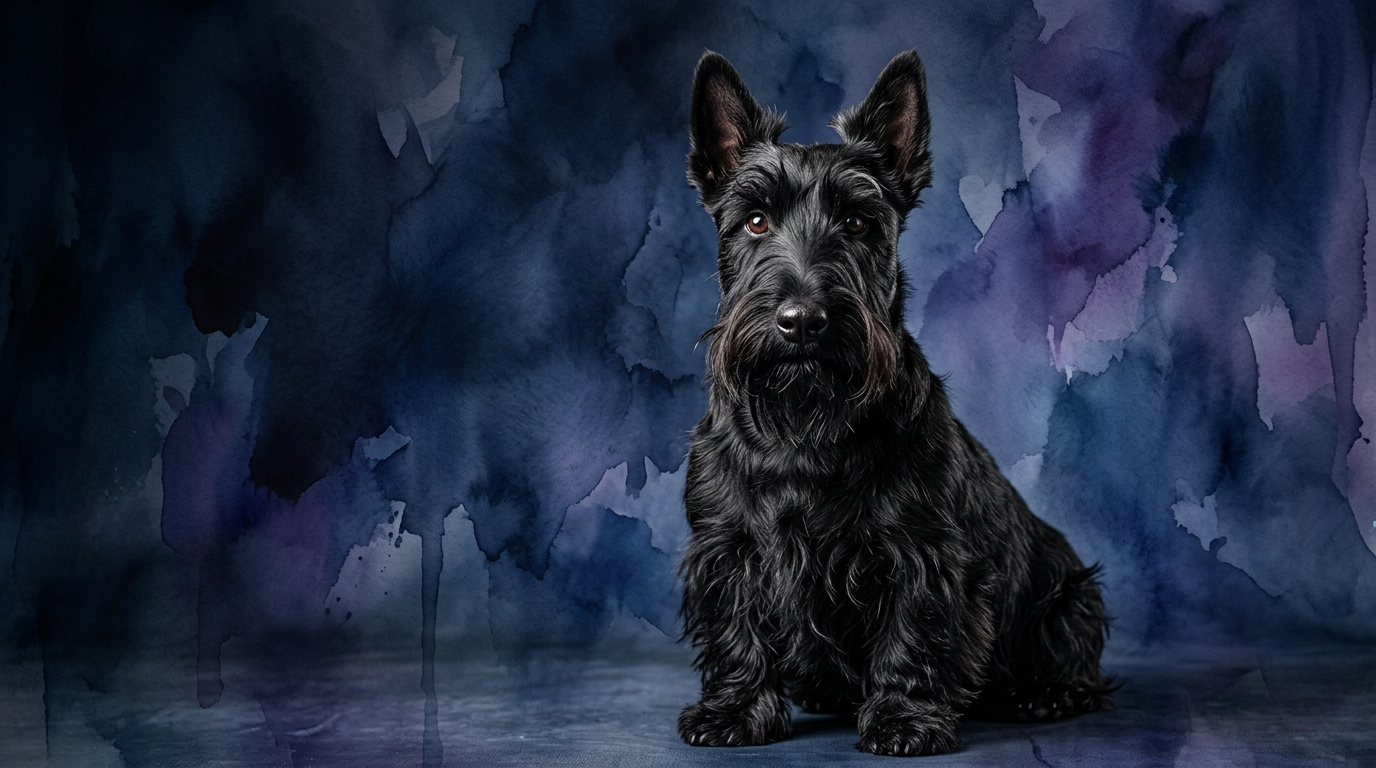
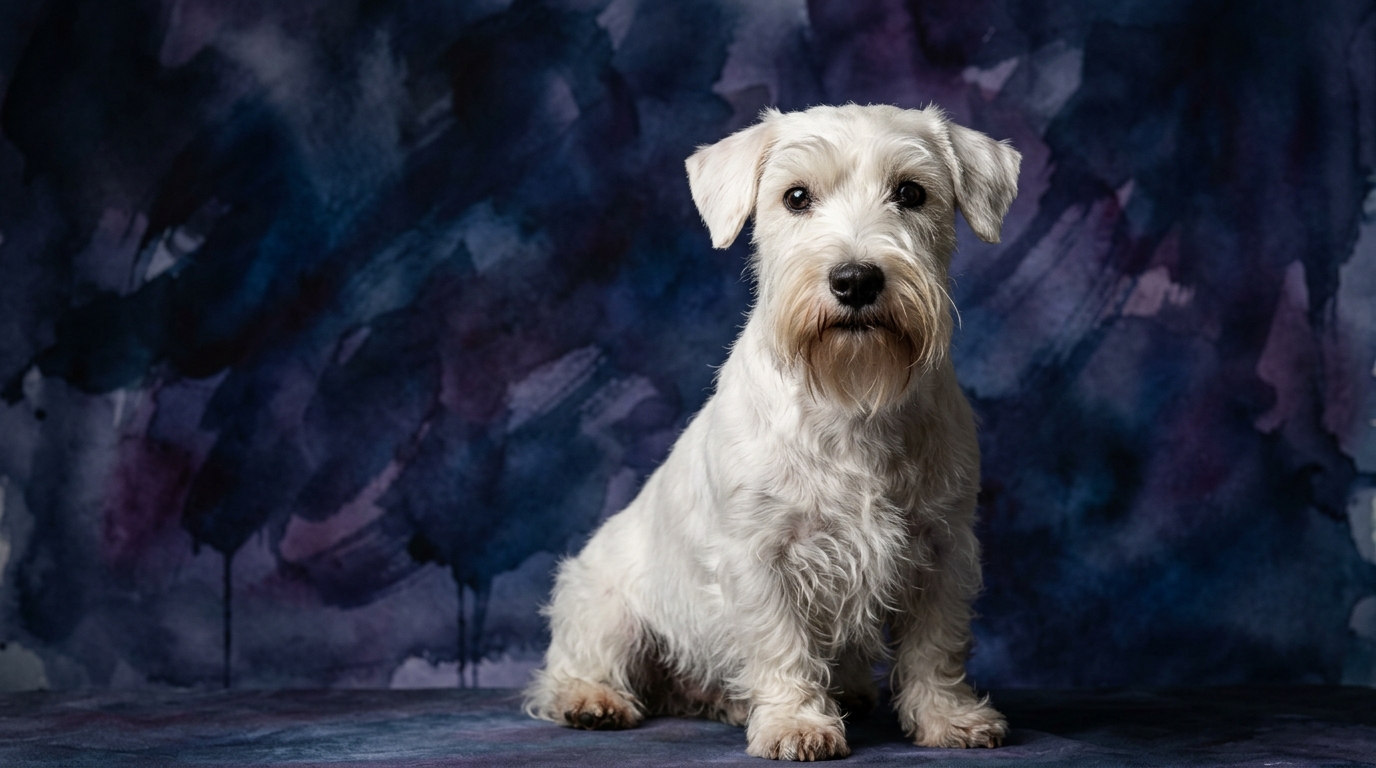
Side-by-Side IQ Profile: Digging into the Details
Both the Scottish Terrier and the Sealyham Terrier share a consistent 3/5 rating across all five cognitive dimensions: Problem Solving, Training Speed, Social Intelligence, Instinctive Drive, and Memory. This uniform score, while seemingly straightforward, paints a picture of competence rather than brilliance, a characteristic often found in the tenacious Terrier group. For both breeds, a 3/5 in Problem Solving indicates they possess the capacity to figure out puzzles or navigate obstacles, but they may not always choose the most efficient path, often relying on persistence or their innate Terrier drive to achieve their goals. Their solutions are often practical and direct, born from a desire to get what they want.
A 3/5 in Training Speed suggests neither breed will be a lightning-fast learner, requiring consistent, patient, and engaging training methods. They are trainable, certainly, but their independent streak means they process and decide whether to comply, rather than simply obeying. This moderate score implies that while they can grasp commands, mastery requires repetition and positive reinforcement tailored to their individual personalities. Their Social Intelligence at 3/5 points to dogs that are generally capable of understanding human cues and interacting appropriately, but they might not be overtly effusive or people-pleasing. They form strong bonds with their families but can be reserved or discerning with strangers, reflecting a self-possessed nature.
The Instinctive Drive score of 3/5 for both breeds highlights a moderate, but present, inclination towards typical Terrier behaviors such as digging, chasing small prey, and alertness to their surroundings. This drive is manageable with proper outlets and training, but it's a fundamental aspect of their being that owners must acknowledge and redirect. It’s not an overwhelming, all-consuming drive, but it’s certainly there beneath the surface. Finally, a Memory score of 3/5 indicates they are capable of remembering commands, routines, and past experiences. They won't forget their training overnight, nor will they easily forget a positive or negative interaction, contributing to their consistent personalities and responses over time.
Where Scottish Terrier Wins Cognitively
The Scottish Terrier, with its dignified and independent demeanor, often exhibits a particular strength in applying its 3/5 Problem Solving to situations demanding self-reliance. While not necessarily quicker to solve a puzzle, their inherent tenacity and stoicism can mean they'll persist longer at a task they deem important, often finding a solution through sheer dogged determination rather than immediate insight. This can manifest as a quiet, focused intensity when faced with a challenge, making them formidable at achieving their own objectives.
Their 3/5 Social Intelligence, colored by their reserved nature, can translate into a nuanced understanding of their immediate family's emotional states without necessarily being demonstrative. They may 'win' in situations requiring a subtle, observant empathy, offering quiet companionship rather than boisterous interaction. This self-contained quality means they often don't rely on constant human input to process their environment, giving them an advantage in situations demanding independent assessment and action.
Where Sealyham Terrier Wins Cognitively
The Sealyham Terrier, often described as more outgoing and cheerful than its Scottish cousin, tends to leverage its 3/5 Social Intelligence in a different, more adaptable way. Their bright disposition can make them quicker to engage with new people and situations, potentially allowing them to 'win' in scenarios requiring rapid social acclimatization or charming interaction. This can make them more effective at navigating varied social environments, picking up on cues from a broader range of individuals.
In terms of Problem Solving and Training Speed (both 3/5), the Sealyham’s characteristic tenacity and enthusiasm can be a cognitive advantage. While equally persistent, their generally more positive outlook might make them more willing to try different approaches when faced with a problem or a new command. This willingness to 'experiment' with solutions, driven by their cheerful disposition, can sometimes lead to quicker breakthroughs in learning or task completion, even if their raw processing speed isn't higher.
Which is Easier to Train and Why
Both breeds score 3/5 in Training Speed, indicating neither is inherently 'easy' to train, but their temperamental differences play a significant role in the *experience* of training. The Scottish Terrier's independent and sometimes stubborn nature means that while they possess the cognitive capacity to learn, their compliance often hinges on whether they perceive value in the command or if it aligns with their dignified sensibilities. Training a Scottie requires immense patience, creativity, and a consistent, firm yet gentle hand, as they are less inclined to offer automatic deference. They learn best when motivated by high-value rewards and when training feels like a collaboration rather than a dictate.
The Sealyham Terrier, while equally tenacious and possessing the same 3/5 Training Speed, often brings a more eager-to-please attitude to the training session, fueled by their cheerful and outgoing personality. This doesn't mean they'll learn faster on a cognitive level, but their willingness to engage and their generally less reserved nature can make them more responsive to positive reinforcement and praise. Their tenacity, when channeled correctly, can be a powerful asset in training, as they are less likely to give up on a task once they understand what's expected. For many owners, this slightly more amenable disposition makes the Sealyham feel marginally 'easier' to train, despite identical cognitive scores.
Which Suits Active Owners vs Relaxed Owners
When considering owner lifestyles, the moderate 3/5 Instinctive Drive of both breeds suggests they are not extreme athletes, but neither are they couch potatoes. The Scottish Terrier, with its more reserved energy, often suits owners who appreciate focused bursts of activity rather than prolonged, high-intensity exercise. They enjoy purposeful walks, scent work, and interactive games that engage their minds, after which they are generally content to relax. Their independent nature means they can entertain themselves to an extent, making them suitable for owners who appreciate a dog with a strong sense of self, even during downtime.
The Sealyham Terrier, while also possessing a 3/5 Instinctive Drive, often expresses it with more exuberance and a desire for varied engagement. Their cheerful disposition means they might thrive with owners who enjoy exploring different activities, from agility and earthdog trials to longer, more adventurous walks. They still appreciate relaxation, but their underlying zest for life might make them a better fit for owners who can offer a more dynamic range of daily interactions and mental challenges. While neither demands constant action, the Sealyham's slightly more effervescent personality might align better with owners who seek a consistently enthusiastic companion.
The Verdict
Choose the Scottish Terrier if you appreciate a dignified, self-reliant companion who offers subtle loyalty and thrives on focused mental engagement, valuing their quiet persistence in problem-solving.
Opt for the Sealyham Terrier if you seek a cheerful, tenacious companion who brings a more overt enthusiasm to training and activities, leveraging their adaptable social intelligence for varied interactions.
🧠 Find Your Pet's IQ Score
Our Pet IQ Lab assessment covers 25+ tests across 5 cognitive dimensions — personalized to your breed.
Take the Full IQ Test →Frequently Asked Questions
Are Scottish Terriers good family dogs?
Scottish Terriers can be excellent family dogs, forming deep bonds with their immediate household. Their reserved nature means they may not be overtly playful with young children and often prefer a calmer environment, but with proper socialization, they are loyal companions.
Do Sealyham Terriers bark frequently?
Sealyham Terriers, like many Terriers, can be vocal due to their alert nature and hunting instincts. They may bark at perceived threats or to announce visitors, but consistent training and mental stimulation can help manage excessive barking.
What kind of mental stimulation do these breeds need?
Both Scottish and Sealyham Terriers thrive on mental stimulation that engages their problem-solving skills and instinctive drives, such as puzzle toys, scent work, short obedience sessions, and interactive games that mimic hunting behaviors. Consistent training also provides essential mental exercise.