Side-by-Side IQ Profile: Unpacking Identical Scores
The Cosmic Pet Pet IQ Lab assesses five crucial dimensions of canine cognition. For both the Scottish Terrier and the Soft Coated Wheaten Terrier, each dimension registers a 3 out of 5, indicating a solid, mid-range capability that offers plenty of room for nuanced interpretation based on breed-specific traits.
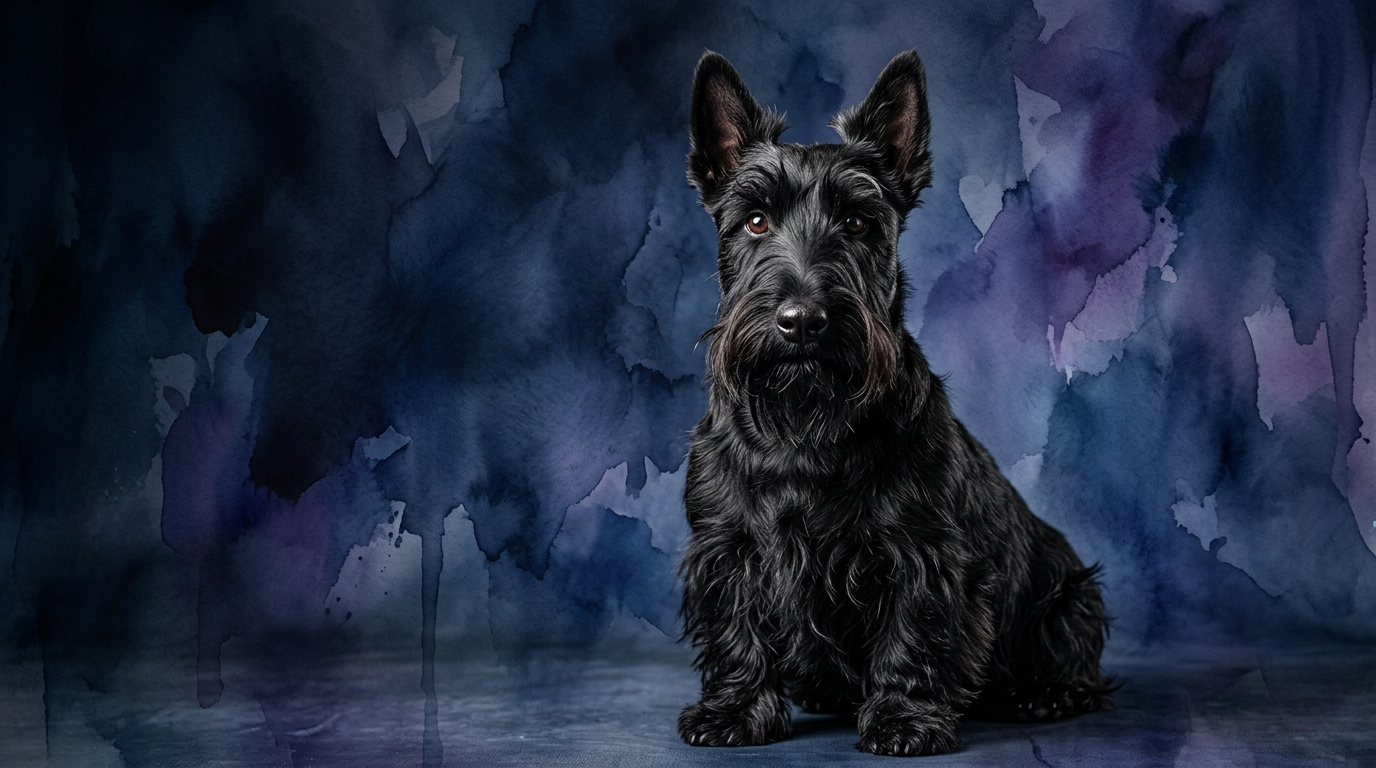
The **Scottish Terrier**, historically bred for hunting vermin in the Scottish Highlands, displays its **Problem Solving (3/5)** through independent, strategic thinking focused on practical, environmental challenges. This isn't about solving abstract puzzles, but rather figuring out how to outwit a burrowing creature or navigate complex terrain. Their **Training Speed (3/5)** reflects a capacity to learn, but often with a strong independent streak; they absorb commands but require patient, consistent methods that appeal to their self-interest. **Social Intelligence (3/5)** for a Scottie manifests as discernment and loyalty to their immediate family, often reserved with strangers but deeply attuned to their chosen humans. Their **Instinctive Drive (3/5)** is prominently expressed in a formidable prey drive, a keen sense of territory, and a persistent digging inclination. Finally, their **Memory (3/5)** is robust for routines, commands, and especially for successful past strategies in their pursuits, making them creatures of habit and efficiency.
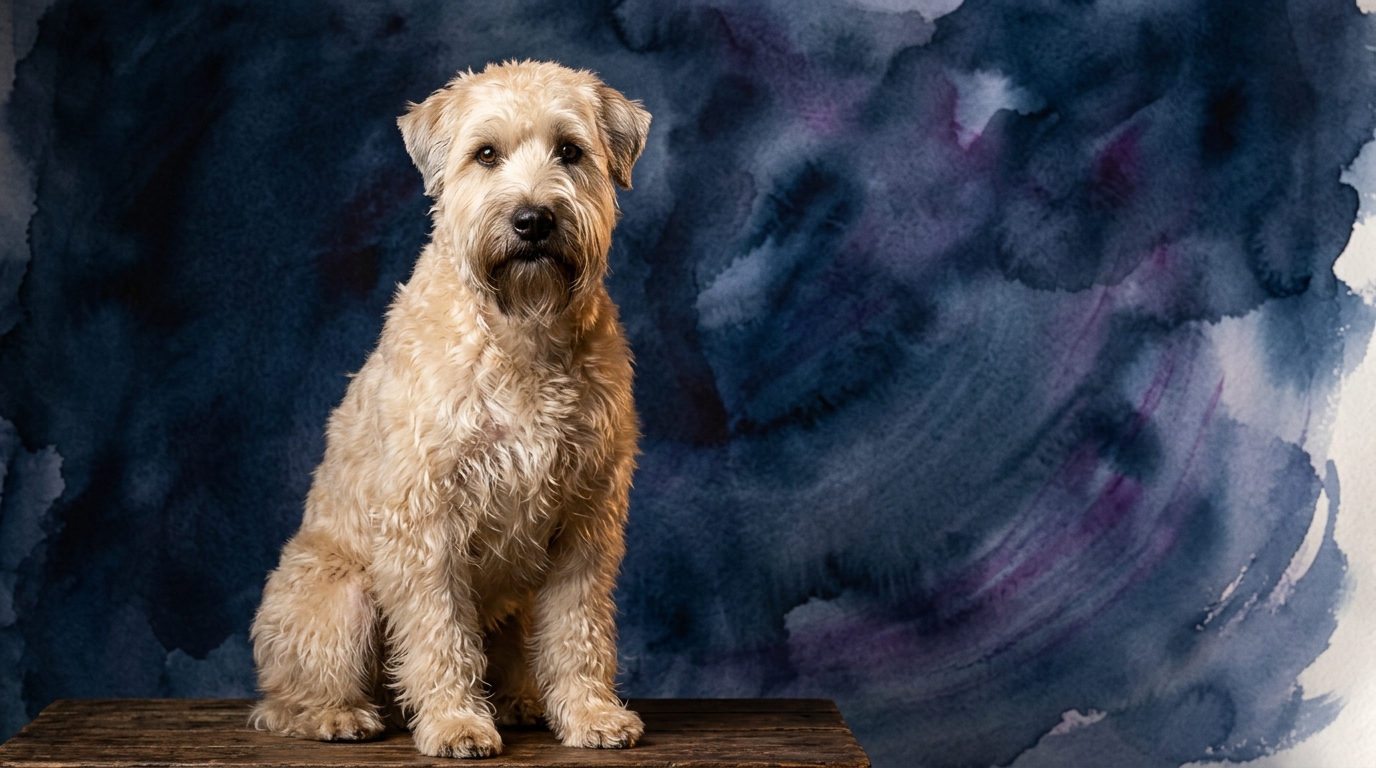
The **Soft Coated Wheaten Terrier**, originating as an all-around farm dog in Ireland, expresses its **Problem Solving (3/5)** in a more socially-oriented manner. They are adaptable and creative in finding ways to engage with their human companions or navigate social situations, often using charm and exuberance. Their **Training Speed (3/5)** is characterized by eagerness to please and quick learning, particularly when positive reinforcement and playful interaction are involved, though their enthusiasm can sometimes lead to distraction. **Social Intelligence (3/5)** for a Wheaten shines in their outgoing, friendly nature, often greeting everyone with their characteristic 'wheaten greetin''. They excel at reading social cues to foster connection rather than to guard. Their **Instinctive Drive (3/5)**, while still terrier-like, is often channeled into playful chasing, exuberant digging, and a desire to be involved in family activities rather than intense, solitary quarry work. Their **Memory (3/5)** is excellent for people, places, and positive experiences, remembering who gives the best belly rubs or where the fun toys are kept.
Where the Scottish Terrier Excels Cognitively
Despite identical scores, the Scottish Terrier exhibits a distinct cognitive strength in **independent problem-solving within its environment**. When confronted with a task requiring self-reliance, such as locating a hidden scent or navigating a challenging outdoor space, the Scottie's historical role as a solitary hunter has honed its ability to persist and strategize without constant human direction. Their cognitive process in these scenarios is less about human-directed obedience and more about autonomous engagement with their surroundings.
Another area of cognitive advantage for the Scottie lies in its **focused determination**. Once a Scottish Terrier fixates on a specific goal—be it investigating a perceived burrow or pursuing a scent—its mental focus becomes incredibly singular. This unwavering cognitive intensity allows them to concentrate deeply on a task, demonstrating a tenacity that can be unmatched when their instincts are fully engaged. This isn't just stubbornness; it's a profound commitment to a mental objective.
Finally, the Scottish Terrier's **environmental awareness for security** stands out. Their reserved social intelligence means they process changes and new stimuli in their territory with a discerning eye. They are quick to notice anything out of place or any unfamiliar presence, translating their cognitive observation into a reliable early warning system for their household. This vigilant processing of their surroundings is a direct result of their historical role as watchful companions.
Where the Soft Coated Wheaten Terrier Excels Cognitively
The Soft Coated Wheaten Terrier demonstrates a particular cognitive strength in **social problem-solving and engagement**. Wheatens are masters at navigating human interactions to achieve their desires, whether it’s soliciting attention, initiating play, or coaxing a treat. Their outgoing nature means they are adept at reading and responding to social cues, often employing a charming blend of enthusiasm and persistence to integrate themselves into any group or situation.
Wheatens also show superior **adaptability in new social settings**. Unlike the more reserved Scottie, a Wheaten’s cognitive flexibility allows them to quickly assess unfamiliar people and environments, adjusting their behavior to foster positive interactions. They are less prone to suspicion and more inclined to approach new experiences with an open, curious mindset, which facilitates smoother transitions into novel social scenarios.
Furthermore, the Wheaten’s **emotional responsiveness and attunement** to their human companions is a cognitive highlight. Their social intelligence often translates into a deeper understanding of human emotions, making them sensitive to subtle shifts in mood. This allows them to offer comfort, initiate playful distractions, or simply be a reassuring presence, demonstrating a cognitive empathy that strengthens the human-animal bond.
Ease of Training: Behavioral Nuances
When it comes to ease of training, the **Scottish Terrier** often presents a more significant challenge. Their independent nature and deeply ingrained terrier instincts mean they approach training with a 'what's in it for me' attitude. They are capable of learning, but their compliance must be earned through consistent, fair methods and motivations that resonate with their self-interest. A Scottie's memory for past experiences, both positive and negative, means that harsh corrections or inconsistent training can create long-lasting resistance, making the journey require immense patience and a strategic approach that acknowledges their strong will.
The **Soft Coated Wheaten Terrier**, by contrast, is generally considered easier to train. Their eagerness to please and strong desire for social interaction makes them highly receptive to positive reinforcement, praise, and play-based rewards. Wheatens thrive on engagement with their humans, which translates into a more cooperative attitude during training sessions. While their exuberance can sometimes lead to distractions or 'wheaten greets' at inopportune moments, their underlying desire to interact and their memory for enjoyable learning experiences make them generally more amenable and quicker to respond to commands.
Matching Breeds to Lifestyles: Active vs. Relaxed Owners
For **Scottish Terrier** owners, a 'relaxed' lifestyle might not mean sedentary, but rather appreciating a companion with a quiet confidence indoors, balanced with purposeful outdoor engagement. Scotties thrive with owners who understand and can cater to their independent, discerning nature. They need regular, moderate exercise—brisk walks, scent work, or puzzle toys that challenge their problem-solving skills—but are also content to relax quietly beside their people. They suit owners who appreciate a dog with a strong personality and are prepared to provide mental stimulation that taps into their terrier instincts, rather than seeking a constant high-energy playmate.
The **Soft Coated Wheaten Terrier** is a better fit for active owners who enjoy engaging their dog in various physical and social activities. Wheatens possess a joyful exuberance and require significant daily exercise, often enjoying running, fetch, agility, or long walks. Their social intelligence and desire for interaction mean they thrive when included in family outings and activities. Owners who prefer a truly 'relaxed', low-energy companion might find a Wheaten's boundless enthusiasm and need for engagement overwhelming. They need an outlet for their energy and a family keen on interactive play and training to prevent boredom and channel their cognitive strengths positively.
The Verdict
Choose the Scottish Terrier if you value an independent, discerning companion with unwavering focus and a strong sense of self, and you are prepared for a training journey built on mutual respect and consistency.
Opt for the Soft Coated Wheaten Terrier if you seek an exuberant, socially engaging partner who thrives on interaction, adapts readily to new people, and will enthusiastically participate in a variety of activities with a joyful disposition.
🧠 Find Your Pet's IQ Score
Our Pet IQ Lab assessment covers 25+ tests across 5 cognitive dimensions — personalized to your breed.
Take the Full IQ Test →Frequently Asked Questions
Are Scottish Terriers good with other pets?
Their instinctive drive means Scotties can be wary of smaller animals, especially if not raised together. With early, consistent socialization and careful, supervised introductions, many can learn to coexist peacefully within the household, though their prey drive remains.
Do Soft Coated Wheaten Terriers bark a lot?
Wheatens can be quite vocal, often using barking as a form of communication, particularly when excited or greeting people with their characteristic 'wheaten greetin''. Their social intelligence means they often employ barking to express joy, solicit attention, or alert to new arrivals.
Which breed is better for apartment living?
Both breeds can adapt to apartment living with sufficient exercise and mental stimulation. However, the Scottish Terrier might be marginally better suited due to its generally more moderate exercise needs and tendency to be calmer indoors once its requirements are met, compared to the Wheaten's higher energy and social engagement demands.