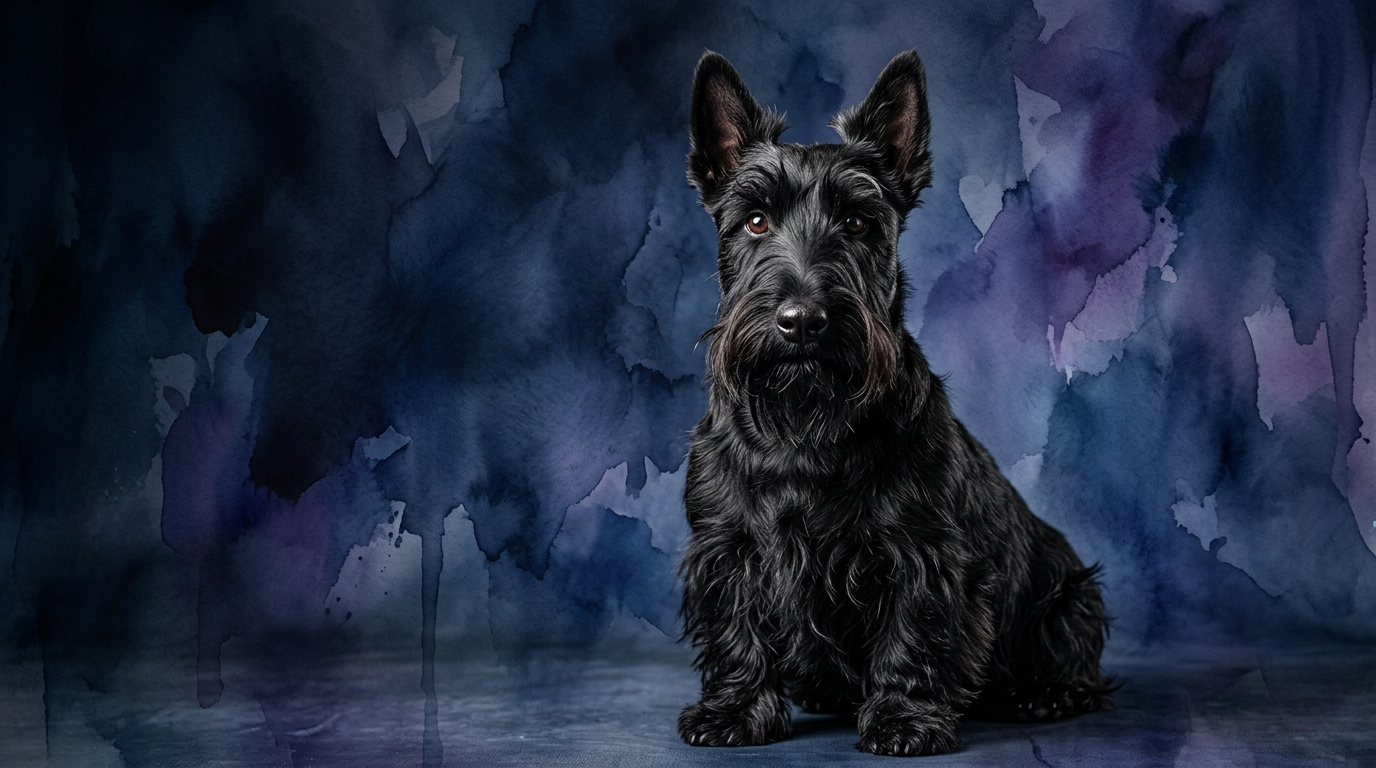
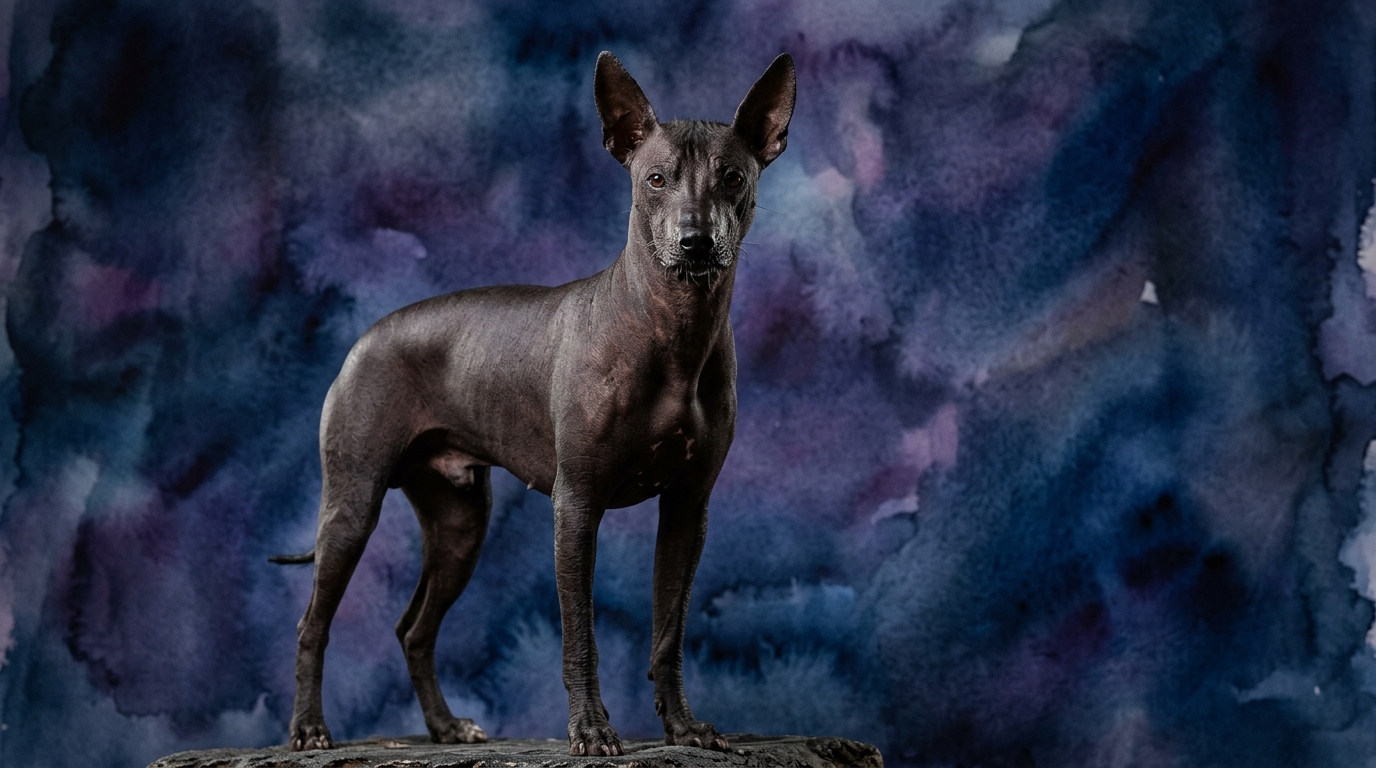
Side-by-Side IQ Profile: Scottish Terrier vs. Xoloitzcuintli
The Cosmic Pet Pet IQ Lab employs a five-dimensional model to assess canine intelligence, offering a detailed look beyond simple rankings. While both the Scottish Terrier and the Xoloitzcuintli score a consistent 3/5 across all dimensions, understanding what this score means for each breed, given their distinct backgrounds, reveals fascinating differences.
Problem Solving (3/5): A Scottie's 3/5 in problem-solving manifests as independent, persistent trial-and-error, especially when pursuing a goal like a hidden toy. They'll methodically work through obstacles, driven by their terrier tenacity to 'get to' their objective, often preferring self-reliance over human intervention. The Xoloitzcuintli's 3/5 problem-solving involves thoughtful observation and a calculated approach, often for comfort or access to family. They might subtly manipulate objects or situations, demonstrating patience and a calmer method to achieve their desires, reflecting their composed demeanor.
Training Speed (3/5): Training a Scottie at 3/5 speed means they grasp concepts but their independent nature influences consistent performance. They learn by understanding personal benefit, requiring highly motivating rewards and patient, consistent repetition to overcome selective willingness. The Xolo's 3/5 training speed often starts with quick uptake, particularly with positive reinforcement building on their desire to please. They integrate new behaviors well into routine, though sensitivity to harshness can slow consistent, precise execution, thriving on calm, clear instruction.
Social Intelligence (3/5): A Scottie's 3/5 social intelligence means adeptly reading cues from their chosen family, understanding household dynamics. They form strong, loyal bonds within their exclusive circle but are typically reserved or indifferent towards strangers and new animals, not seeking broad social interaction. The Xolo's 3/5 social intelligence is expressed through deep, empathetic connection with their family, attuned to emotional states. They excel at subtle social cues within their group, offering comfort. This often comes with cautious reserve towards outsiders, making them watchful but not universally gregarious.
Instinctive Drive (3/5): The Scottie's 3/5 instinctive drive is profoundly shaped by its vermin-hunting history, manifesting as strong prey drive, digging urges, and territorial patrolling. This deep-seated cognitive program influences their focus, problem-solving, and play, demanding outlets for these natural behaviors. For the Xolo, a 3/5 instinctive drive blends ancient survival instincts: strong guarding tendencies and a pronounced pack mentality. Their drive includes an innate need for warmth, keen awareness of surroundings, and protective instinct towards family, contributing to their watchful nature.
Memory (3/5): A Scottie's 3/5 memory retains commands, routines, and experiences, especially those with outcomes. They remember territory layouts, buried toys, and their accepted social circle. Their memory is practical, aiding independent navigation and recall of successful strategies for terrier pursuits. The Xolo's 3/5 memory is strong for family members, routines, and environmental details, holding onto experiences both positive and negative. This contributes to their reliability within routine and ability to anticipate household events, reinforcing their deep bond and security.
Where the Scottish Terrier Wins Cognitively
The Scottish Terrier truly shines in cognitive tasks demanding independent persistence and a tenacious drive to overcome obstacles. Their terrier heritage imbues them with a unique problem-solving style that thrives on self-reliance; faced with a challenge like a hidden toy, a Scottie will employ relentless, methodical trial-and-error until the objective is secured. This unwavering mental fortitude, rooted in their instinctive drive to 'get the job done,' means they're less likely to abandon a self-assigned task, giving them an edge in repetitive, goal-oriented pursuits where individual effort is paramount.
Where the Xoloitzcuintli Wins Cognitively
The Xoloitzcuintli demonstrates cognitive strengths in areas requiring nuanced social attunement and calm, observational processing. Their superior social intelligence allows them to subtly gauge family members' emotional states, often anticipating needs or offering comfort without direct command. For instance, a Xolo might recognize stress and quietly position themselves nearby, a testament to their deep empathetic processing. Furthermore, their ancient lineage fosters an instinctive drive for vigilance and pack cohesion, making them exceptionally adept at discerning unfamiliar stimuli with thoughtful, protective alertness, winning in cognitive domains related to environmental awareness and social harmony.
Which is Easier to Train and Why
Determining 'easier' training depends on the owner's approach. The Xoloitzcuintli, with its deep desire to bond and please, often exhibits a more cooperative training speed with consistent positive reinforcement. They thrive on routine and clear, calm instruction, eager to strengthen their connection. Their sensitivity means harsh methods can lead to withdrawal, but a gentle hand yields reliable results in obedience. Conversely, the Scottish Terrier's training speed, while capable, is tempered by independence. A Scottie learns well when perceiving personal value, not just pleasing an owner. This requires more creativity, high-value rewards, and patience to overcome their self-determination. The Xolo tends towards collaborative learning, while the Scottie often needs a more persuasive trainer.
Which Suits Active Owners vs. Relaxed Owners
For active owners seeking diverse adventures, the Scottish Terrier aligns better. Their instinctive drive for exploration, digging, and chasing means they benefit from regular, stimulating outdoor activities like long walks or earthdog trials. They thrive when given an outlet for their focused energy, suitable for owners who enjoy structured engagement. In contrast, the Xoloitzcuintli suits more relaxed owners. While enjoying daily walks, their instinctive drive leans towards companionship and guarding their home base. They are content to be near family, observing and providing quiet comfort, ideal for those who prefer a serene home life and value unwavering loyalty and emotional sensitivity over high-octane physical demands.
The Verdict
Choose the Scottish Terrier if you appreciate a tenacious, independent problem-solver with a strong, focused drive, and you are prepared to engage their determined spirit with consistent training and stimulating activities.
Opt for the Xoloitzcuintli if you seek a deeply bonded, emotionally perceptive companion with a calm demeanor, valuing their quiet vigilance and profound connection within a relaxed home environment.
🧠 Find Your Pet's IQ Score
Our Pet IQ Lab assessment covers 25+ tests across 5 cognitive dimensions — personalized to your breed.
Take the Full IQ Test →Frequently Asked Questions
Do Scottish Terriers get along with other pets?
Scottish Terriers can coexist with other pets, especially if introduced early and socialized well. However, their strong prey drive means they might view smaller, fast-moving animals as targets, requiring careful supervision.
Are Xoloitzcuintli good family dogs?
Xoloitzcuintli make excellent family dogs, forming deep, protective bonds with their human family members. They are often gentle and patient with children they've grown up with, though their reserved nature means they might be wary of strangers.
How much exercise do these breeds need daily?
Scottish Terriers require moderate daily exercise, including walks and playtime, to satisfy their energetic and inquisitive nature. Xoloitzcuintli also need daily walks and mental stimulation, but are generally content with less intense activity compared to many breeds.