Side-by-Side Cognitive Profiles
The Cosmic Pet Pet IQ Lab assesses canine intelligence across five key dimensions, providing a nuanced understanding of a breed's cognitive strengths. For both the Sealyham Terrier and the American Eskimo Dog, each dimension scores a 3 out of 5, suggesting a solid, adaptable cognitive foundation. However, the *manifestation* of these scores is where their distinct breed histories truly shine through, revealing how a '3' in one breed can look remarkably different from a '3' in another.
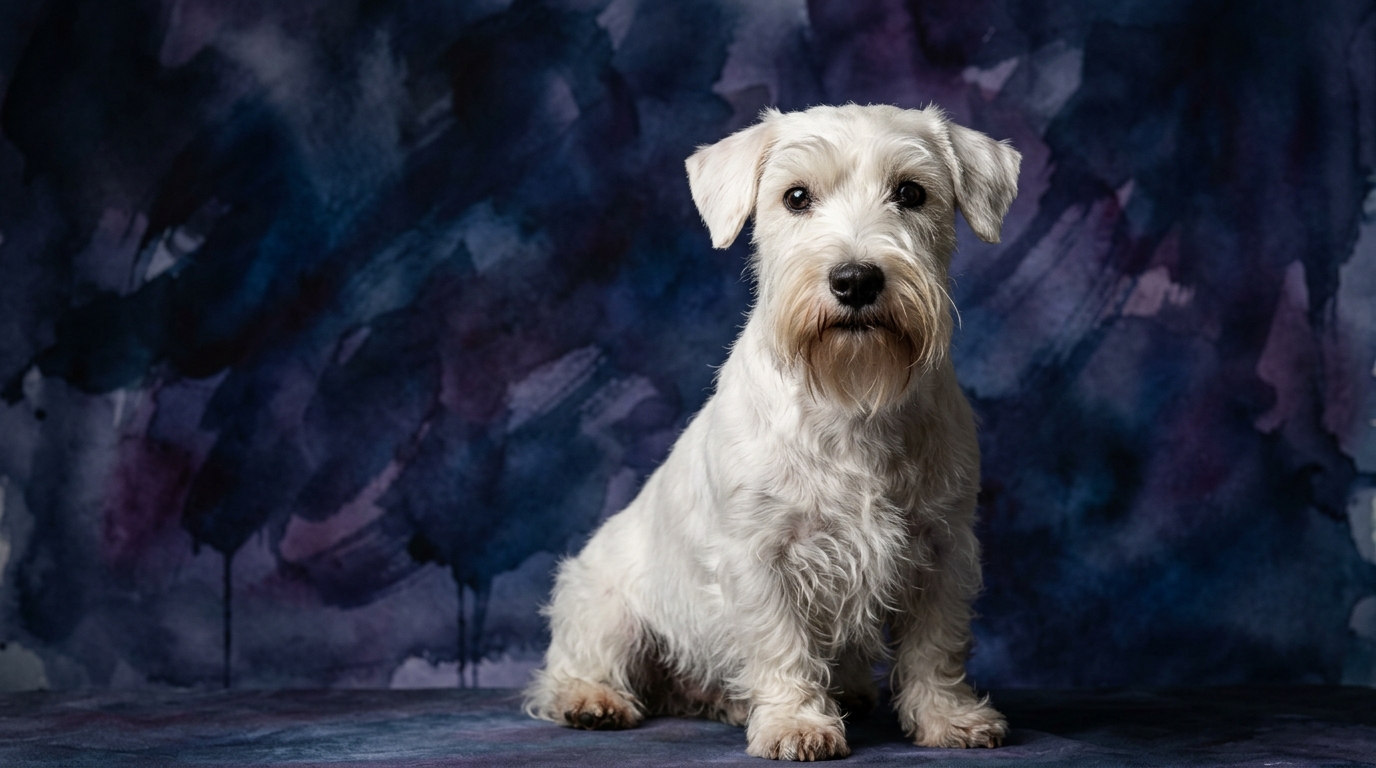
**Sealyham Terrier IQ Profile:**
**Problem Solving (3/5):** The Sealyham Terrier's problem-solving acumen is deeply rooted in its original purpose: independently hunting vermin. This translates to a tenacious, focused approach to overcoming physical obstacles or figuring out how to access a desired area. They excel at persistent, trial-and-error problem-solving, particularly when a strong instinctual drive is engaged, such as investigating a scent or finding a hidden toy. Their solutions are often direct and determined, reflecting their earthdog heritage rather than abstract reasoning.
**Training Speed (3/5):** Sealyhams can learn new commands and routines at a moderate pace, but their independent terrier spirit means that while they grasp concepts quickly, their willingness to comply can be selective. They respond best to engaging, positive reinforcement methods that feel like a game or challenge. Repetitive, dull training can quickly bore them, leading to 'selective deafness' where their innate drive to explore or pursue a scent overrides their learned responses. Consistency and making training fun are key.
**Social Intelligence (3/5):** This breed displays a strong social bond with its immediate family, often forming deep, loyal attachments. Their social intelligence is evident in their ability to read their owner's moods and respond with comfort or playfulness. However, their historical role required a degree of self-reliance, meaning they are not overly dependent and can be reserved or even assertive with strangers or other animals if not properly socialized from a young age. They are often attuned to their family's dynamics but less concerned with pleasing a broad social circle.
**Instinctive Drive (3/5):** The Sealyham Terrier possesses a robust instinctive drive, primarily centered around scent and prey. This manifests as a strong urge to dig, bark at perceived intruders, and investigate interesting smells. Their hunting instincts are powerful; a moving squirrel or a hidden tunnel can easily capture their full attention, overriding other stimuli. This drive, while a core part of their identity, requires appropriate outlets to prevent destructive behaviors, channeling it into activities like earthdog trials or scent work.
**Memory (3/5):** Sealyhams exhibit a good memory for places, routines, and learned commands, especially those associated with positive outcomes or strong emotional experiences. They remember where they buried a favorite toy, the layout of their territory, and the specific cues for tricks they enjoy performing. However, their memory also extends to past training experiences where they might have 'won' by following their own instincts, which can sometimes make retraining or habit-breaking a more patient process.
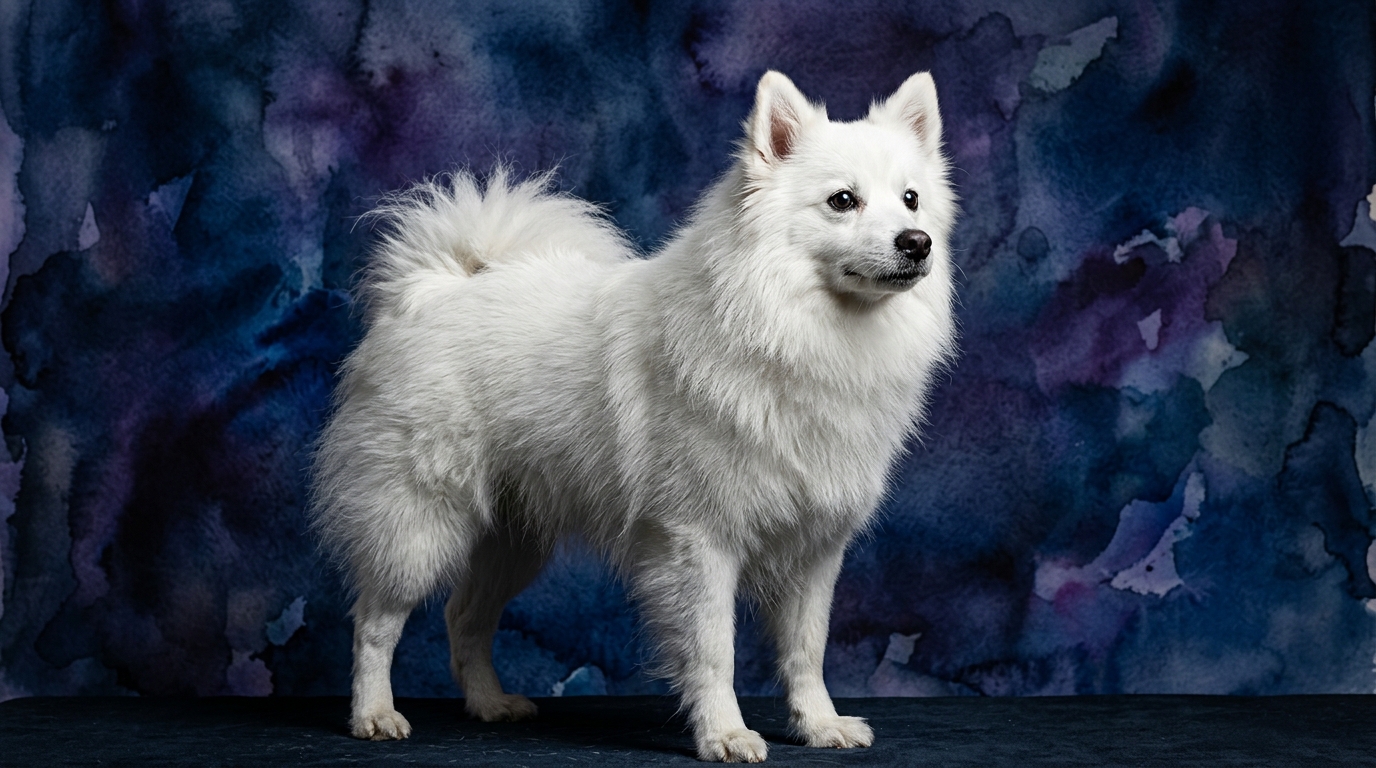
**American Eskimo Dog IQ Profile:**
**Problem Solving (3/5):** American Eskimo Dogs demonstrate a clever and often resourceful approach to problem-solving, frequently figuring out how to achieve their goals within a human environment. This can involve manipulating objects to get what they want, like opening a cabinet, or devising strategies to gain attention. Their problem-solving is often motivated by their desire for companionship or engagement, leading them to find creative ways to interact with their surroundings and family members. They are adept at learning complex sequences of actions.
**Training Speed (3/5):** Eskies are generally eager to please their human companions, making them relatively quick learners. They pick up new commands and tricks with enthusiasm, especially when positive reinforcement and praise are involved. Their history as circus performers highlights their ability to learn intricate routines and respond to subtle cues. While they can learn rapidly, their intelligence also means they can become bored or 'tune out' if training is repetitive or lacks excitement, requiring variety and mental stimulation to maintain engagement.
**Social Intelligence (3/5):** The American Eskimo Dog excels in social intelligence, forming incredibly strong bonds with their family and often acting as vigilant guardians. They are highly attuned to human emotions and body language, often anticipating their owner's needs or moods. This makes them sensitive companions, capable of providing comfort and companionship. While devoted to their inner circle, they can be reserved or even wary of strangers, a remnant of their watchdog heritage, but are typically polite once introductions are made.
**Instinctive Drive (3/5):** The instinctive drive in Eskies is primarily focused on alertness, vocalization, and a strong desire to be part of the family 'pack.' They are natural watchdogs, quick to bark at anything perceived as unusual or threatening, making them excellent home protectors. While they may have some chasing instincts, it's generally less pronounced than a terrier's prey drive. Their drive often manifests as a need for mental engagement and a role within the family unit, thriving on interaction and purpose.
**Memory (3/5):** American Eskimo Dogs possess an impressive memory, particularly for routines, learned tricks, and the identities of family members and friends. They recall past training sessions, positive and negative experiences, and the specific expectations associated with various situations. This strong memory contributes to their reliability in performing learned behaviors and their ability to adapt to consistent household schedules. They remember who is 'family' and who is not, and often hold grudges if treated unfairly.
Where Sealyham Terrier Wins Cognitively
The Sealyham Terrier's cognitive strengths truly shine in scenarios demanding independent thought and relentless persistence. Their problem-solving, while scored similarly to the Eskie, manifests as a more determined, singular focus on a physical task, such as locating and retrieving a hidden object or navigating a complex scent trail. This tenacity, born from their earthdog ancestry, means they are less likely to give up on a challenge once their instinctive drive is engaged. They excel at tasks requiring sustained, self-directed effort rather than constant human direction, making them formidable partners in activities like scent work or barn hunt where their innate drive can be channeled productively.
Where American Eskimo Dog Wins Cognitively
The American Eskimo Dog's cognitive advantages become apparent in their adaptability to human social structures and their capacity for complex, sequence-based learning. Their history as performers speaks to their ability to learn intricate tricks and routines, requiring not just memory but also an understanding of multi-step commands and subtle human cues. Their problem-solving often involves figuring out how to best interact with their environment to gain human attention or achieve a desired outcome within a domestic setting. This breed's social intelligence, with its strong emphasis on family bonding and reading human emotions, gives them an edge in roles requiring close companionship and responsiveness to nuanced communication.
Which is Easier to Train and Why
When considering ease of training, the American Eskimo Dog generally holds an advantage due to their strong desire to please and their sensitivity to human feedback. Their background as companions and performers has cultivated a temperament that thrives on interaction and positive reinforcement, leading to quicker acquisition of commands and a greater willingness to comply. They are often highly motivated by praise and treats, making them responsive to varied training methods. The Sealyham Terrier, while capable of learning quickly, possesses a more independent and sometimes stubborn streak inherent to terriers. Their training requires more creativity, patience, and a deep understanding of their innate drives. They need training to feel like a game or a challenge, and if a command conflicts with a strong instinct (like chasing a scent), they may prioritize their instinct, requiring consistent and engaging methods to maintain focus and obedience. Therefore, for a novice owner, the Eskie might present a smoother training journey.
Which Suits Active Owners vs. Relaxed Owners
For owners seeking a highly engaged and active companion, both breeds offer distinct forms of activity. The Sealyham Terrier is better suited for owners who enjoy structured activities that tap into their innate drives, such as earthdog trials, agility, or extensive scent work. They require mental challenges that allow them to 'hunt' or problem-solve independently, alongside regular physical exercise. A relaxed owner might find their persistent digging, barking, and strong prey drive challenging without sufficient outlets. The American Eskimo Dog, while energetic, is often more adaptable to a range of owner lifestyles. They thrive on mental stimulation through learning new tricks and engaging in interactive play, alongside daily walks and playtime. They are often content with being an integral part of family activities, making them a good fit for active owners who enjoy inclusion in their daily routines, but also for those who appreciate a clever companion that can adapt to quieter periods as long as they receive consistent mental engagement and companionship.
The Verdict: When to Choose Each
Choosing between these two breeds depends heavily on your lifestyle and what you seek in a canine companion. If you admire tenacity, independent problem-solving in specific tasks, and are prepared to channel a strong prey drive into structured activities, the Sealyham Terrier could be your ideal match. If you prefer a highly interactive, eager-to-please companion who excels at learning complex routines and is deeply attuned to family dynamics, the American Eskimo Dog is likely the better choice.
The Verdict
Choose a Sealyham Terrier if you appreciate a dog with independent spirit and a tenacious approach to problem-solving, and are ready to engage their strong instinctive drives in focused activities.
Opt for an American Eskimo Dog if you desire a highly trainable, socially intelligent companion eager to learn tricks and deeply involved in family life, adaptable to various interactive engagements.
🧠 Find Your Pet's IQ Score
Our Pet IQ Lab assessment covers 25+ tests across 5 cognitive dimensions — personalized to your breed.
Take the Full IQ Test →Frequently Asked Questions
Are Sealyham Terriers good with children?
Sealyham Terriers can be good with children, especially if raised with them from a young age. Their sturdy build and playful nature make them resilient, but their independent streak means they appreciate respectful interaction and may not tolerate rough play as readily as some other breeds. Supervision is always recommended to ensure positive interactions.
Do American Eskimo Dogs bark a lot?
American Eskimo Dogs are known for being vocal, often using their bark to alert their family to perceived threats or novelties in their environment. This trait stems from their watchdog heritage. Consistent training and socialization from puppyhood can help manage excessive barking, but they will likely always be keen communicators.
Which breed requires more grooming?
Both breeds require regular grooming, but the American Eskimo Dog generally demands more intensive care due to its thick double coat, which sheds seasonally and requires frequent brushing to prevent mats and maintain health. The Sealyham Terrier's wiry coat needs regular brushing and professional stripping or clipping a few times a year to maintain its texture and appearance.