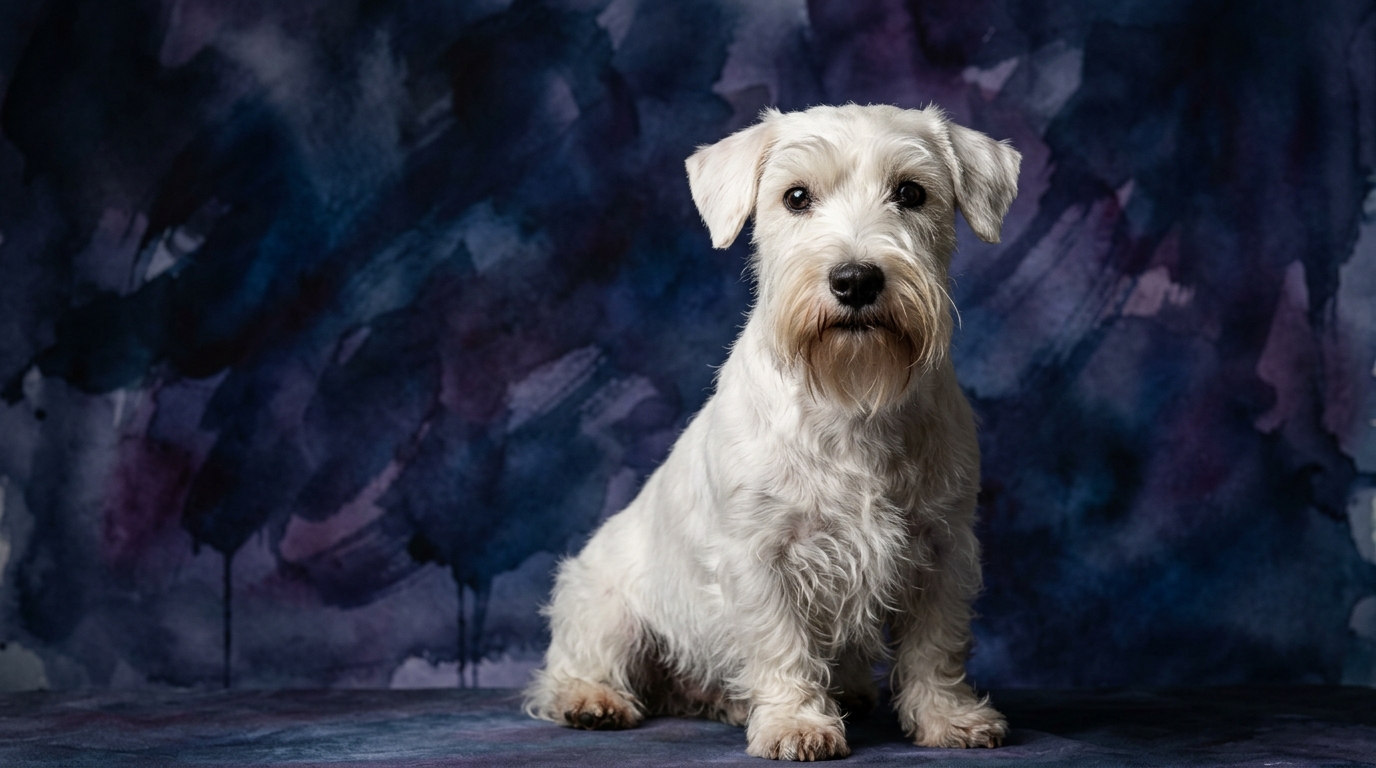
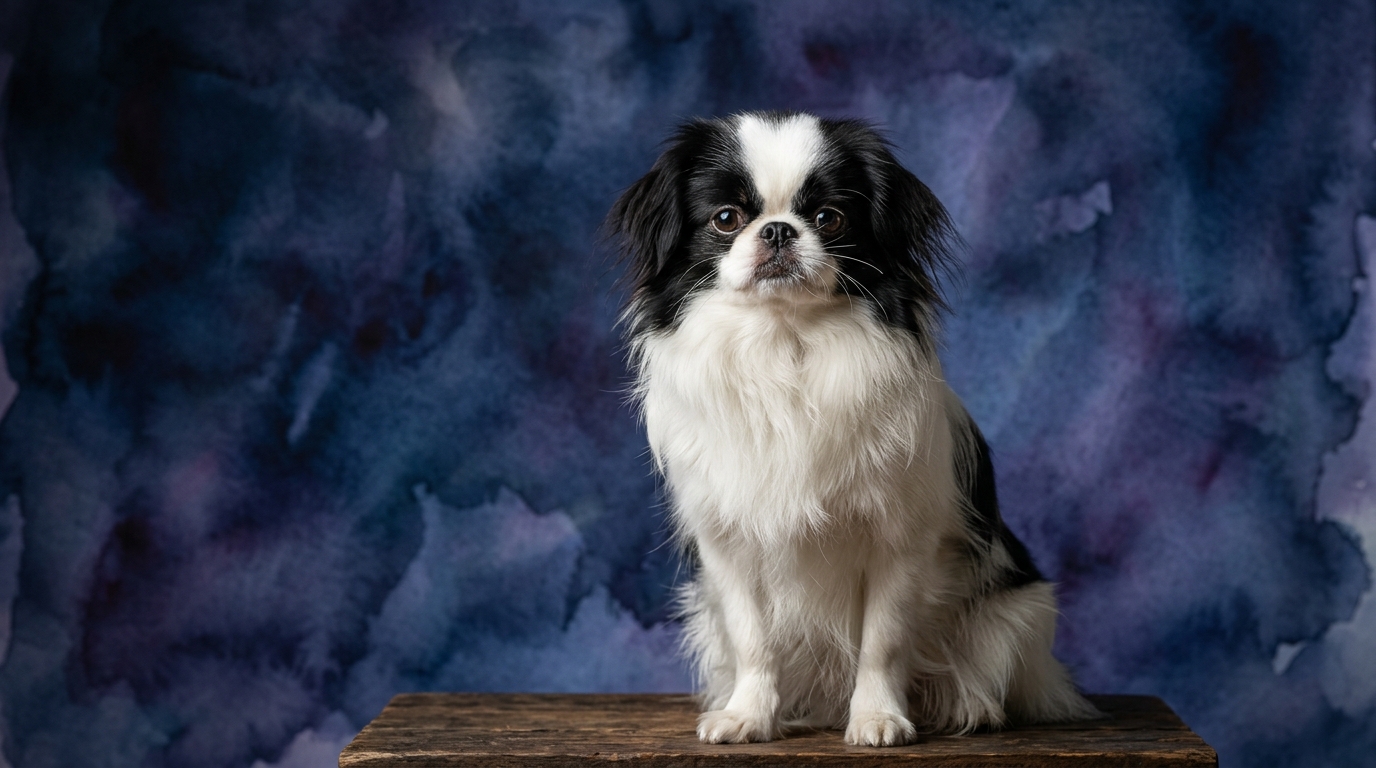
Side-by-Side Cognitive Profiles
The Sealyham Terrier's Problem Solving (3/5) is fundamentally practical and goal-oriented, often related to overcoming physical obstacles or strategizing to access something desired, like a hidden toy or a compelling scent source. Training Speed (3/5) reflects their solid capacity to learn and retain commands consistently, though their inherent Terrier independence and strong will can sometimes make application seem slower than acquisition. Social Intelligence (3/5) means they are deeply bonded with their immediate human family, understanding their routines and moods, but they can be discerning, sometimes even aloof, with strangers. Instinctive Drive (3/5) is a core and powerful aspect, manifesting as a persistent curiosity, a keen interest in exploring their surroundings, and a noticeable prey drive that informs many of their actions. Memory (3/5) allows them to retain complex sequences of events and learned behaviors, making them adept at remembering past successes or failures in various problem-solving and environmental situations.
For the Japanese Chin, Problem Solving (3/5) often leans towards navigating intricate social dynamics within the household, understanding complex human communication, or figuring out how to gain maximum human attention and comfort in a gentle, persuasive manner. Training Speed (3/5) indicates they absorb new commands and tricks at a steady, reliable pace, often highly motivated by positive reinforcement, praise, and the profound desire to please their primary caregivers. Social Intelligence (3/5) is a defining characteristic, allowing them to exquisitely read human emotions and subtle non-verbal cues, adapting their own behavior to maintain harmony and closeness within their family unit. Instinctive Drive (3/5) is less about traditional hunting or physical exertion and more about their inherent desire for constant companionship, personal comfort, and perhaps a certain dignified self-possession in their interactions. Memory (3/5) enables them to recall specific interactions, preferred people, and the intricate details of their daily household environment and routines, contributing significantly to their adaptable, highly integrated nature as a companion.
Where the Sealyham Terrier Excels Cognitively
The Sealyham Terrier's cognitive strengths distinctly surface in scenarios demanding independent thought, a robust physical approach, and unwavering persistence. Their problem-solving, rated at a solid 3/5, is finely tuned for practical application, such as devising methods to dig under a fence, successfully navigating a scent trail, or extracting a perceived “pest” from a confined space, skills deeply rooted in their historical working terrier heritage. This isn't abstract reasoning in a human sense, but rather a robust, hands-on ingenuity in their environment. Their instinctive drive, also rated 3/5, powerfully fuels this tenacity, empowering them to pursue goals with an almost unwavering focus, whether it's tracking a compelling scent or meticulously outmaneuvering a challenging puzzle toy. This breed demonstrates a cleverness in overcoming physical and environmental challenges, utilizing their surroundings and innate physical attributes to achieve their objectives. Their memory (3/5) serves this well, allowing them to precisely recall successful strategies for similar challenges, making them efficient and adaptable learners in their own self-appointed “work” and explorations.
Where the Japanese Chin Excels Cognitively
The Japanese Chin, while sharing identical cognitive scores, showcases its strengths in a distinctly social, observational, and emotionally intelligent realm. Their 3/5 social intelligence shines in their exceptional ability to attune to human emotions and subtle non-verbal cues, often anticipating a family member's needs or mood shifts before they are overtly expressed. This isn't merely surface affection; it's a sophisticated, almost intuitive understanding of their human companions' inner states, fostering deep emotional bonds. Their problem-solving (3/5) often manifests in navigating complex household social dynamics, perhaps figuring out the optimal moment to solicit attention from a busy owner or subtly redirect an unwanted interaction. The Japanese Chin's memory (3/5) is particularly adept at recalling personal preferences, routines, and specific interaction patterns of their human family, allowing them to seamlessly integrate into household life and become deeply empathetic, predictable, and comforting companions. This breed's instinctive drive (3/5) is primarily oriented towards maintaining close, harmonious social bonds and ensuring their own comfort and security within their domestic sphere, making them masters of subtle communication and devoted companionship.
Which is Easier to Train and Why
Despite both breeds scoring 3/5 for training speed, the practical experience of training them can differ significantly due to their distinct underlying behavioral motivations and breed characteristics. The Japanese Chin often presents as comparatively easier to train for foundational obedience and household manners. Their strong social intelligence and inherent desire for companionship mean they are frequently eager to please their human family, responding exceptionally well to positive reinforcement, gentle praise, and consistent routines. Their primary focus is often on maintaining harmony and closeness with their owners, which naturally translates into a willingness to cooperate during training sessions, viewing it as a shared activity. In stark contrast, the Sealyham Terrier’s 3/5 training speed is coupled with a robust instinctive drive and a historical legacy of independent work. While undeniably capable of learning commands consistently, their spirited terrier nature means they can be more easily distracted by environmental stimuli, particularly compelling scents, movement, or perceived “prey.” Their problem-solving often involves independent decision-making, which means they might choose to follow their own compelling agenda if it seems more immediately rewarding or interesting than complying with a command. This necessitates a more consistent, firm, and engaging training approach to overcome their inherent independence and focus their attention constructively.
Which Suits Active Owners vs. Relaxed Owners
The choice between a Sealyham Terrier and a Japanese Chin largely depends on an owner's lifestyle, their preferred level of daily activity, and their expectations for canine companionship. The Sealyham Terrier, with its 3/5 instinctive drive and practical problem-solving skills, is generally better suited for active owners who appreciate a dog with a purpose and a zest for exploration. This breed thrives on opportunities to investigate, engage in scent work, and participate in activities that challenge both their physical endurance and independent thinking. They genuinely appreciate structured play, regular and varied walks that offer diverse sensory experiences, and perhaps even dog sports like earthdog trials or agility, which effectively tap into their natural terrier instincts and allow them to apply their cognitive strengths. Their energy levels, while not typically hyperactive, require consistent and stimulating outlets to prevent boredom and channel their inherent drive constructively, ensuring a well-adjusted companion.
Conversely, the Japanese Chin is an ideal match for more relaxed owners who seek a devoted, gentle presence in their home. Their 3/5 social intelligence and memory make them supremely content as indoor companions, valuing close proximity, quiet interaction, and the comfort of a predictable routine. While they certainly enjoy short, gentle walks and light playtime, their primary need is for consistent human companionship and a stable, comfortable home environment. They are less driven by strenuous physical exertion or extensive independent exploration and more by the nuances of their human relationships and the subtle rhythms of household life. Owners who appreciate a dog that is attuned to their moods, enjoys cuddling, and is happy to share a quiet evening will find the Japanese Chin’s composed demeanor and affectionate nature perfectly complements their lifestyle, offering deep, quiet companionship.
The Verdict
Choose the Sealyham Terrier if you are an active owner seeking a tenacious, independent canine companion eager for exploration and clever problem-solving in the physical world. This breed thrives with engagement that respects their inquisitive nature and offers outlets for their robust drive.
Opt for the Japanese Chin if you desire a deeply empathetic, socially astute companion content with a relaxed indoor lifestyle, valuing close human connection and subtle communication above strenuous activity. This breed excels at integrating seamlessly into a calm household, offering quiet, devoted companionship.
🧠 Find Your Pet's IQ Score
Our Pet IQ Lab assessment covers 25+ tests across 5 cognitive dimensions — personalized to your breed.
Take the Full IQ Test →Frequently Asked Questions
Do Sealyham Terriers and Japanese Chins learn at the same pace?
While both breeds score 3/5 for training speed, their motivations differ. Sealyhams learn consistently but can be independent, requiring engaging methods, whereas Japanese Chins often learn quickly due to their desire to please and their social intelligence.
Which breed is better with strangers, given their social intelligence scores?
Both score 3/5 for social intelligence, but this manifests differently. Sealyhams tend to be more reserved and discerning with strangers, prioritizing their family. Japanese Chins are generally more open and adaptable, using their social understanding to navigate new interactions gracefully.
How does their memory score of 3/5 impact their daily life?
For the Sealyham, 3/5 memory helps them recall successful strategies for problem-solving and navigation, aiding their independent pursuits. For the Japanese Chin, it allows them to remember specific routines, preferences, and social cues, fostering their deep integration into family life.