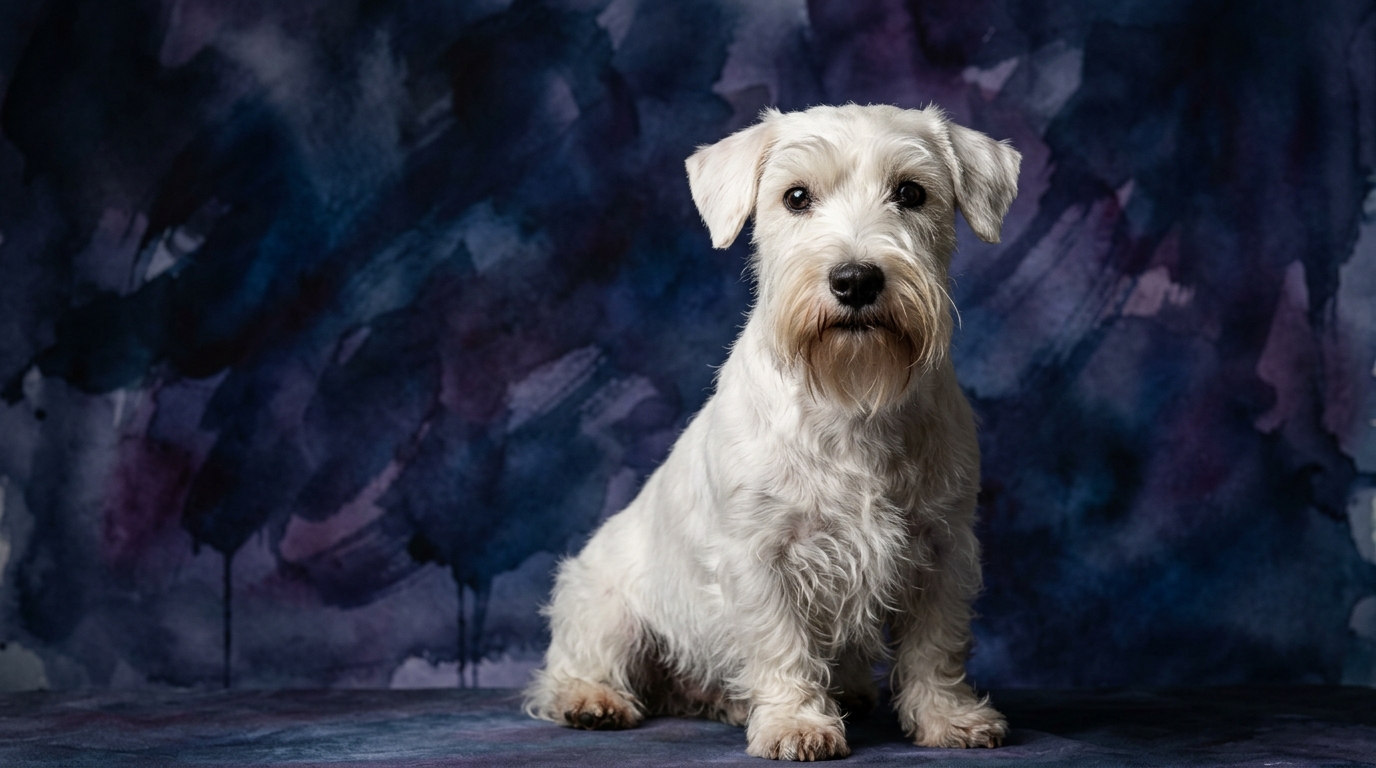
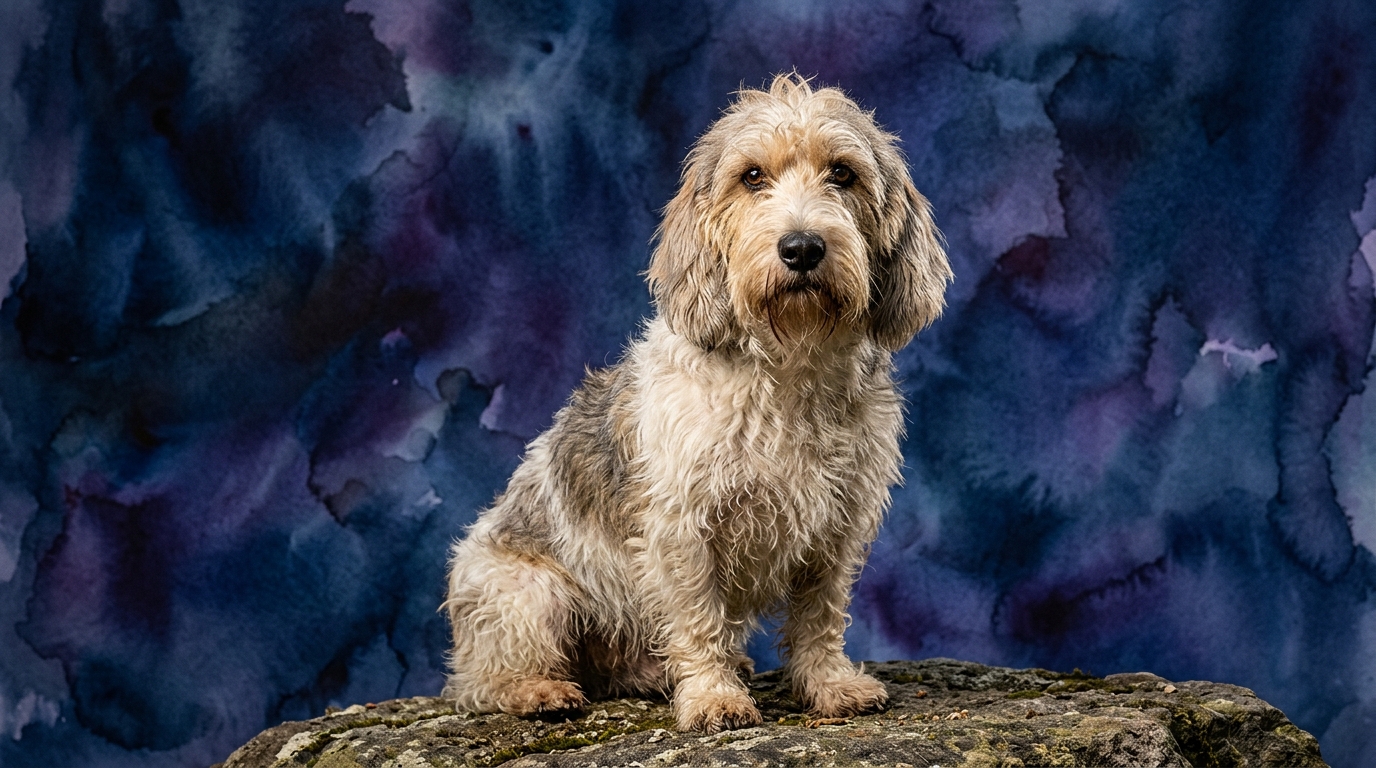
Side-by-Side IQ Profile: Digging Deeper into Identical Scores
At first glance, the Cosmic Pet Pet IQ Lab data presents an identical cognitive landscape for both the Sealyham Terrier and the Petit Basset Griffon Vendéen (PBGV). Each breed registers a consistent 3/5 across all five dimensions: problem Solving, training Speed, social Intelligence, instinctive Drive, and memory. While the numerical ratings are the same, the *manifestation* of these cognitive traits is deeply rooted in their breed origins and functions, offering a rich study in how context shapes intelligence expression. Neither breed is Coren-ranked, suggesting their cognitive strengths lie more in specialized, practical applications than in generalized obedience or abstract learning.
For the Sealyham Terrier, a breed developed in Wales for hunting badger, fox, and otter, a problem-solving score of 3/5 suggests a practical, tenacious approach to overcoming obstacles in their environment. This isn't about solving complex puzzles, but rather about persistent digging, navigating tight spaces, and outsmarting quarry. Their training speed at 3/5 reflects a moderate pace, likely influenced by their independent terrier spirit, requiring consistent, engaging methods. Social intelligence at 3/5 indicates an ability to form bonds and understand social cues within their immediate family group, but perhaps with a degree of self-reliance typical of terriers. An instinctive drive of 3/5 clearly points to their strong prey drive and determination, essential for their original purpose. Finally, a memory score of 3/5 implies they retain learned behaviors and routines effectively, but perhaps not with the precision of breeds specializing in complex sequences.
The Petit Basset Griffon Vendéen, originating from the Vendée region of France as a scent hound for hunting rabbit and boar, shares the same 3/5 scores, but their expression is distinct. Their problem-solving (3/5) is likely geared towards intricate scent-tracking, navigating varied terrain, and unraveling complex scent trails, rather than physical confrontation. Training speed (3/5) for a PBGV implies a moderate learning curve, often challenged by their strong olfactory distractions and independent hound nature. Their social intelligence (3/5) typically shines in cooperative pack dynamics, understanding the nuances of communication within a hunting group, and translating this to their human families. The instinctive drive (3/5) is predominantly a powerful scent drive, compelling them to follow a trail relentlessly. Memory (3/5) for the PBGV would involve remembering scent patterns, routes, and hunting strategies over extended periods, crucial for their work in the field.
Where the Sealyham Terrier Wins Cognitively
Despite identical scores, the Sealyham Terrier exhibits a particular cognitive advantage in areas demanding focused, persistent problem-solving within confined or challenging physical spaces. Their 3/5 problem-solving ability, coupled with their tenacious terrier spirit, means they excel at tasks requiring determination to overcome physical barriers, such as finding a way through a dense bush or extracting a toy from under furniture. This isn't about abstract thought, but rather an unyielding, practical application of their wits to achieve a specific, often instinct-driven, goal. Their social intelligence, while rated 3/5, often manifests as a keen awareness of their immediate human family's moods and intentions, allowing them to adapt their behavior to secure attention or avoid disapproval with a subtle, terrier-like charm. They possess a robust memory (3/5) for routines and learned boundaries within their established territory, making them reliable at adhering to household rules once they are consistently enforced.
Where the Petit Basset Griffon Vendéen Wins Cognitively
The Petit Basset Griffon Vendéen, while sharing the same 3/5 ratings, possesses a distinct cognitive edge in tasks requiring sustained focus on sensory input, particularly scent. Their problem-solving (3/5) is intrinsically linked to their exceptional olfactory capabilities; they are masters at deciphering complex scent trails, differentiating between fresh and old scents, and navigating intricate paths purely by smell. This unique cognitive skill allows them to 'solve' environmental puzzles that are invisible to humans. Their social intelligence (3/5) often manifests in a more communal, cooperative manner, reflecting their pack-hunting heritage. They are adept at reading cues from other dogs and humans in a group setting, often contributing to a harmonious household dynamic. The PBGV's memory (3/5) is particularly strong for recalling specific scent locations or successful hunting routes, enabling them to revisit fruitful areas or follow a remembered trail with impressive accuracy.
Which Is Easier to Train and Why
Given their identical 3/5 training speed scores, neither breed presents an inherently 'easier' path to training, but their challenges and motivations differ significantly, referencing real behavioral differences. The Sealyham Terrier, with its strong independent streak and instinctive drive (3/5) to pursue small prey, can be perceived as stubborn. Their problem-solving (3/5) often involves finding ways to get *their* way, which can extend to training sessions. They respond best to positive reinforcement, short, engaging sessions, and a trainer who can make learning feel like a game or a challenge they need to 'win.' Consistency is paramount, as their memory (3/5) means they will remember both successes and failures in getting away with undesired behaviors. Their social intelligence (3/5) means they understand human expectations, but their terrier tenacity often dictates whether they choose to comply.
The Petit Basset Griffon Vendéen, despite the same 3/5 training speed, presents a different set of considerations. Their powerful instinctive drive (3/5) is overwhelmingly directed towards scent, making them highly distractible in any environment with interesting smells. While they are social (3/5) and generally eager to please their human pack, their nose often overrules their ears. Training a PBGV requires immense patience, creativity to make commands more compelling than a captivating scent, and often necessitates working in distraction-free environments initially. Their problem-solving (3/5) in training often involves figuring out how to follow a scent trail while still appearing to pay attention to their handler. Their memory (3/5) is excellent for remembering where interesting smells were found, which can be both a blessing and a curse in training. Both breeds demand a committed owner who understands their intrinsic motivations and adapts training methods accordingly.
Which Suits Active Owners vs. Relaxed Owners
For the active owner, both breeds offer engagement, but in different forms. The Sealyham Terrier, with its robust build and terrier energy, thrives on purposeful activity. Owners who enjoy brisk walks, earthdog trials, or engaging in interactive games that simulate hunting or problem-solving will find the Sealyham a willing and enthusiastic companion. Their independent nature also means they can entertain themselves with toys or a secure yard, but they require regular mental and physical stimulation to prevent boredom and destructive behaviors. They are not content to be couch potatoes and need an outlet for their 3/5 instinctive drive and problem-solving energy. An active owner who understands the terrier mindset and can provide structured activities will find a rewarding partnership.
The Petit Basset Griffon Vendéen also suits an active owner, particularly one who appreciates long, meandering walks where their dog can indulge its incredible sense of smell. Owners interested in canine sports like tracking, scent work, or even agility (though their structure is less suited than some breeds) will find the PBGV thrives. Their 3/5 instinctive drive is a powerful engine for exploration, and they need ample opportunity to use their nose outdoors. While they can be calm indoors, particularly after a good 'sniffari,' their need for outdoor scent exploration is non-negotiable. A relaxed owner might struggle with the PBGV's innate desire to follow a trail, which can lead to a dog that's difficult to recall off-leash in an unfenced area. Both breeds demand an owner who is prepared to engage with their specific breed characteristics and provide appropriate outlets for their energy and cognitive drives.
The Verdict
Choose the Sealyham Terrier if you appreciate a tenacious, spirited companion who excels at persistent, practical problem-solving in their immediate environment and thrives on structured, engaging activities that appeal to their independent nature.
Opt for the Petit Basset Griffon Vendéen if you are drawn to a sociable, scent-driven dog whose cognitive strengths lie in intricate tracking and communal interaction, and you are prepared to facilitate extensive outdoor exploration for their powerful nose.
🧠 Find Your Pet's IQ Score
Our Pet IQ Lab assessment covers 25+ tests across 5 cognitive dimensions — personalized to your breed.
Take the Full IQ Test →Frequently Asked Questions
Are Sealyham Terriers good apartment dogs?
Sealyham Terriers can adapt to apartment living if they receive sufficient daily exercise and mental stimulation. Their moderate size and indoor calm make it possible, but consistent walks and engaging play are essential to manage their energy and independent problem-solving drive.
Do Petit Basset Griffon Vendéens bark a lot?
Petit Basset Griffon Vendéens are known to be vocal, using their baying bark to communicate, especially when excited or tracking a scent. While they can be trained to moderate their barking, it's an inherent trait tied to their hound instincts and social intelligence, requiring understanding from owners.
Which breed is better with children?
Both breeds can be excellent with children when properly socialized and raised together. Sealyham Terriers are generally sturdy and playful, while PBGVs are often good-natured and tolerant; supervision is always recommended, and teaching children respectful interaction is key for both.