Side-by-Side Cognitive Profile: Unpacking the 3/5 Scores
At first glance, the identical 3/5 scores across all cognitive dimensions for both the Sealyham Terrier and the Treeing Walker Coonhound might suggest little difference, but a deeper dive into their breed characteristics reveals how these scores play out uniquely for each. The Pet IQ Lab’s 3/5 rating signifies a solid, average capacity, meaning they possess good fundamental intelligence, but their application of it is heavily influenced by their innate drives and historical roles.
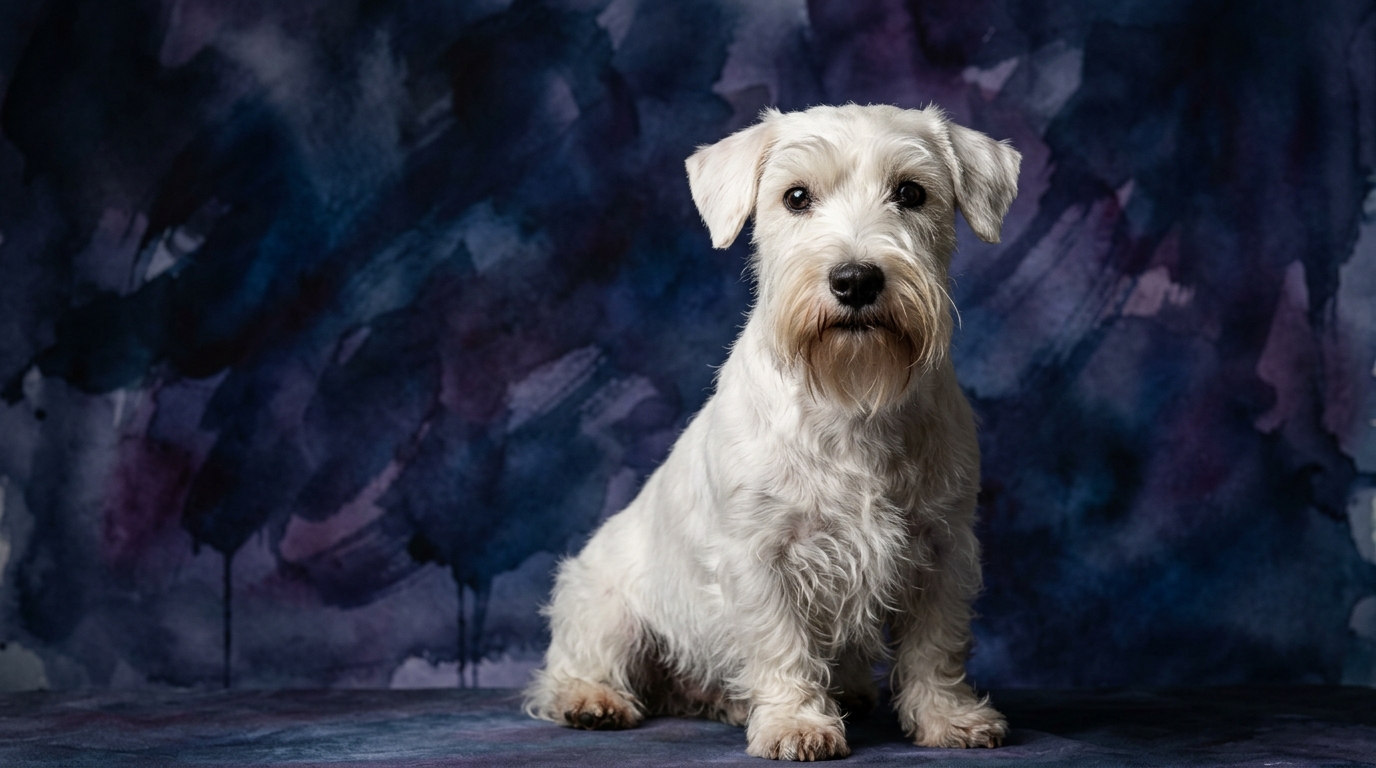
For the **Sealyham Terrier**, a 3/5 in **Problem Solving** reflects their resourceful nature in pursuit of quarry, often requiring them to navigate complex underground tunnels or dense brush. They are adept at practical, immediate problem-solving related to their hunting tasks, such as figuring out how to get to a perceived 'prey' item. Their **Training Speed** at 3/5 indicates they can learn commands and routines at a reasonable pace, but their independent terrier spirit means consistent, engaging methods are crucial to maintain their focus and cooperation. Their **Social Intelligence** (3/5) allows them to form strong bonds with their human family and understand household dynamics, though they can be reserved or even assertive with strangers, reflecting a loyalty focused on their immediate pack. The **Instinctive Drive** at 3/5 is pronounced, manifesting as a strong prey drive, a propensity for digging, and vocal alerts, all vital for their original purpose of flushing game. Finally, their **Memory** (3/5) is reliable for routines and learned tasks, and they retain experiences, both positive and negative, which informs their future interactions and learning.
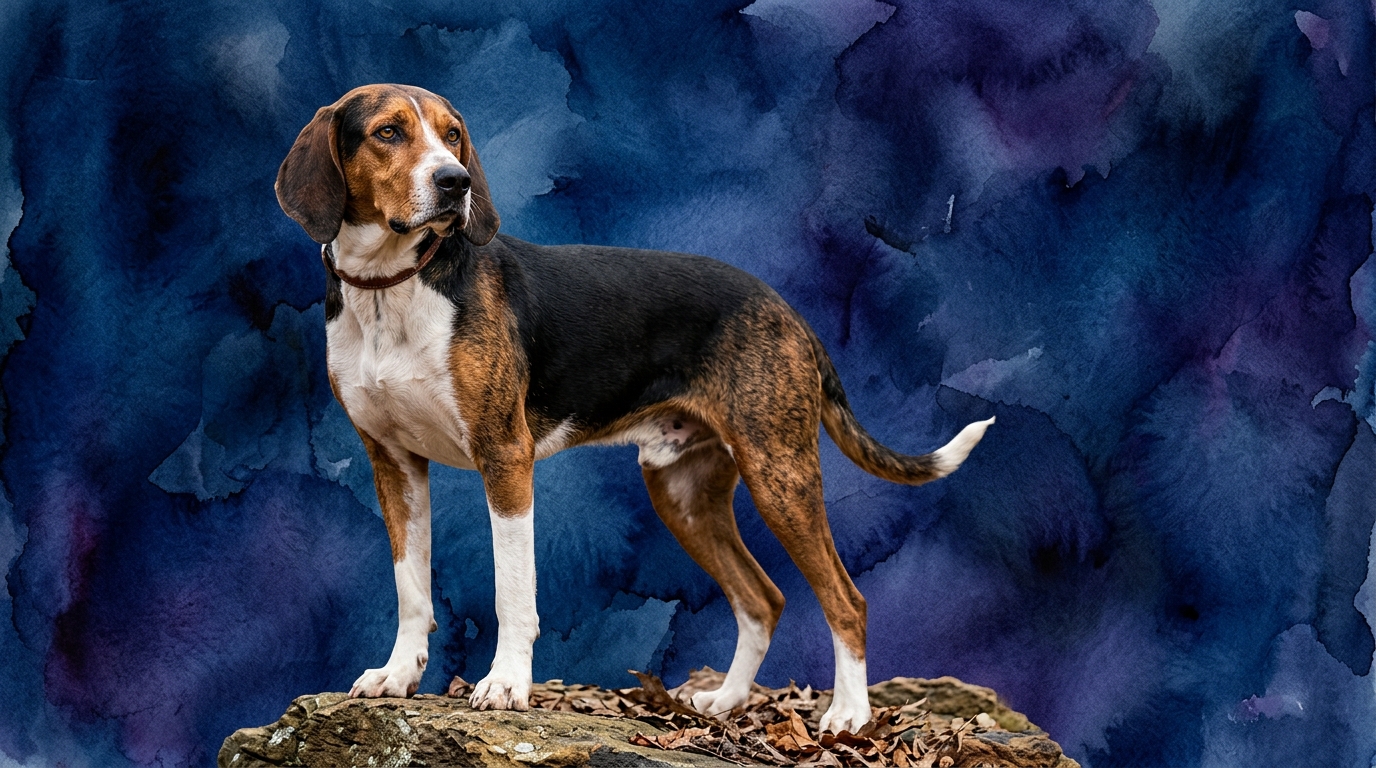
The **Treeing Walker Coonhound**, also scoring 3/5 across the board, interprets these capacities through the lens of a scent hound. Their **Problem Solving** (3/5) is exceptionally geared towards unraveling complex scent trails, a sophisticated cognitive challenge that requires sustained focus, deduction, and environmental interpretation over vast distances. This isn't about manipulating objects, but about processing olfactory data. Their **Training Speed** at 3/5 shows they are capable learners, but their primary challenge is often distraction; a compelling scent can easily override a learned command, demanding patience and consistency from their trainers. **Social Intelligence** (3/5) in a Coonhound typically means they are amiable, gregarious, and enjoy companionship, often thriving in a social setting with other dogs or a bustling family. They read pack dynamics well, seeking harmony. Their **Instinctive Drive** (3/5) is overwhelmingly centered on scenting, tracking, and vocalizing (baying) to 'tree' game, a drive so powerful it forms the core of their being and influences nearly all their behaviors. Their **Memory** (3/5) is particularly impressive for scent patterns and geographical layouts encountered during hunts, allowing them to recall specific areas or successful trails, and they remember training cues if they are consistently reinforced in a way that aligns with their natural drives.
Where the Sealyham Terrier Excels Cognitively
While both breeds share identical numerical scores, the Sealyham Terrier's cognitive strengths often shine in scenarios demanding independent thought and tenacious execution in confined or challenging spaces. Their terrier heritage imbues them with a unique brand of practical problem-solving that is less about extensive analysis and more about immediate, persistent action. A Sealyham is particularly adept at 'figuring out' how to access something they desire, be it a toy under a sofa or a perceived critter in the garden, using a combination of digging, nudging, and strategic maneuvering. This tenacity, a hallmark of the terrier group, translates to a focused determination in overcoming physical obstacles that might deter other breeds.
Furthermore, their compact size and agility allow for a different kind of spatial awareness and manipulation. They can navigate tight spots, tunnel through small openings, and react with quick bursts of energy and decision-making, which are crucial for their original purpose of flushing game from dens. This isn't just physical prowess; it’s a cognitive understanding of their environment and how to exploit it to achieve their objective. In a household setting, this might mean they are more inclined to experiment with puzzle toys that require physical manipulation or to find creative ways to open cabinets, demonstrating a persistent, hands-on approach to problem-solving that leverages their physical attributes and determined spirit.
Where the Treeing Walker Coonhound Excels Cognitively
The Treeing Walker Coonhound, with its deep roots as a working scent hound, demonstrates cognitive superiority in areas fundamentally tied to its primary drive: scent-based problem-solving and sustained focus. Their problem-solving capacity, rated 3/5, is profoundly expressed through their ability to unravel complex, often faint, scent trails over varied terrains and for extended periods. This isn't a simple task; it requires immense cognitive processing to differentiate target scents from environmental clutter, remember past successful trails, and adapt to changing conditions like wind or rain.
Their memory, also a 3/5, is particularly acute for olfactory information and the spatial geography associated with those scents. A Coonhound can recall specific locations where a scent was strong or where game was previously found, demonstrating a highly specialized form of memory that is crucial for their work. This sustained mental endurance, combined with their physical stamina, allows them to engage in prolonged 'cognitive tasks' that would overwhelm many other breeds. While a Sealyham might solve a quick, physical puzzle, a Coonhound excels at the intricate, drawn-out mental challenge of tracking, showcasing a profound ability to maintain concentration on a singular, abstract objective (the scent) for hours on end, using an entirely different set of sensory and cognitive tools.
Training Dynamics: Which is Easier and Why?
When considering which breed is 'easier' to train, the 3/5 training speed rating for both the Sealyham Terrier and the Treeing Walker Coonhound implies that neither is inherently difficult, but their training challenges stem from distinctly different behavioral drivers. The Sealyham Terrier's training can be characterized by bursts of quick learning interspersed with moments of stubborn independence. They grasp commands efficiently when motivated, but their strong terrier will means they might choose to ignore a command if they perceive something more interesting or if they don't see the immediate benefit. Training a Sealyham requires consistency, firm but fair leadership, and making the training feel like a fun, engaging game, often appealing to their prey drive with appropriate toys. Their independent streak means they need to feel like they are partners in the process, rather than simply being told what to do, making a collaborative approach more effective.
The Treeing Walker Coonhound, conversely, presents a training challenge dominated by their profound scent drive. While they are capable of learning, their attention is a precious commodity, easily hijacked by a compelling odor. Teaching a Coonhound to 'come' or 'stay' in an environment rich with fascinating smells requires an extraordinary level of patience, repetition, and high-value rewards that can compete with the allure of a trail. Their training is often about managing distractions and channeling their natural instincts into acceptable outlets, rather than suppressing them. They respond well to positive reinforcement and appreciate a clear, consistent routine, but their nose will always be their primary guide. Therefore, while a Sealyham might be quicker to learn a trick in a quiet living room, a Coonhound might require significantly more effort to reliably perform the same command in a park, due to the constant environmental 'noise' of scents. Neither is 'easier' in an absolute sense; rather, they demand different strategies and an understanding of their core motivations.
Lifestyle Fit: Active Owners vs. Relaxed Owners
Neither the Sealyham Terrier nor the Treeing Walker Coonhound is ideally suited for truly 'relaxed' owners, as both breeds require significant engagement and exercise, albeit of different kinds. An owner seeking a low-maintenance, sedentary companion will find both breeds challenging.
For **active owners**, the Sealyham Terrier thrives on varied physical activity and mental stimulation. They are not built for endless miles of running, but rather enjoy intense, shorter bursts of activity. This could include agility training, earthdog trials where they can use their digging instincts, or engaging play sessions in a securely fenced yard. They are adaptable to different types of activities and can be excellent companions for owners who enjoy moderate daily walks, hiking, and interactive games that challenge their problem-solving skills. Their smaller size means they can often join in family outings without overwhelming logistics, fitting well into an active home that appreciates a dog with a robust personality and a need for diverse engagement.
The **Treeing Walker Coonhound**, on the other hand, demands an owner whose definition of 'active' aligns with sustained, vigorous outdoor activity, ideally involving scent work or covering vast distances. These dogs are built for endurance; a casual stroll around the block is insufficient for their physical and mental needs. They excel with owners who enjoy long-distance running, extensive hiking, or participate in hunting or scent work. Their impressive stamina and relentless drive mean they need daily opportunities to run, explore, and follow their nose in a safe, expansive environment. They are not suited for apartment living or homes with small yards unless their owners are committed to providing multiple hours of intense outdoor activity daily. For the right active owner who embraces their hound nature and provides an outlet for their profound instincts, the Coonhound is an unparalleled partner for adventure.
The Verdict: When to Choose Each Breed
The Verdict
Choose the Sealyham Terrier if you seek a tenacious, engaging companion who thrives on varied mental and physical challenges, and appreciates a strong personality in a smaller package, fitting well into a home that provides consistent structure and creative engagement.
Opt for the Treeing Walker Coonhound if you are dedicated to providing extensive daily exercise, particularly in scent-based activities, and value a vocal, social, and relentlessly driven partner for expansive outdoor adventures.
🧠 Find Your Pet's IQ Score
Our Pet IQ Lab assessment covers 25+ tests across 5 cognitive dimensions — personalized to your breed.
Take the Full IQ Test →Frequently Asked Questions
Are Sealyham Terriers good family dogs?
Yes, Sealyhams bond deeply with their families and can be wonderful companions, especially with early socialization and consistent training to manage their terrier instincts. They thrive in homes that can provide mental stimulation and playful interaction.
Do Treeing Walker Coonhounds bark a lot?
Treeing Walker Coonhounds are known for their characteristic 'baying' vocalizations, especially when on a scent trail or when excited, which is a fundamental part of their breed. While not constant, their vocal nature is a key trait to consider for potential owners.
Can either breed live in an apartment?
A Sealyham Terrier can adapt to apartment living if their significant exercise and mental stimulation needs are met daily, compensating for the smaller indoor space. A Treeing Walker Coonhound, with its immense energy and need for expansive scent work, is generally not well-suited for apartment life and thrives with substantial outdoor access.