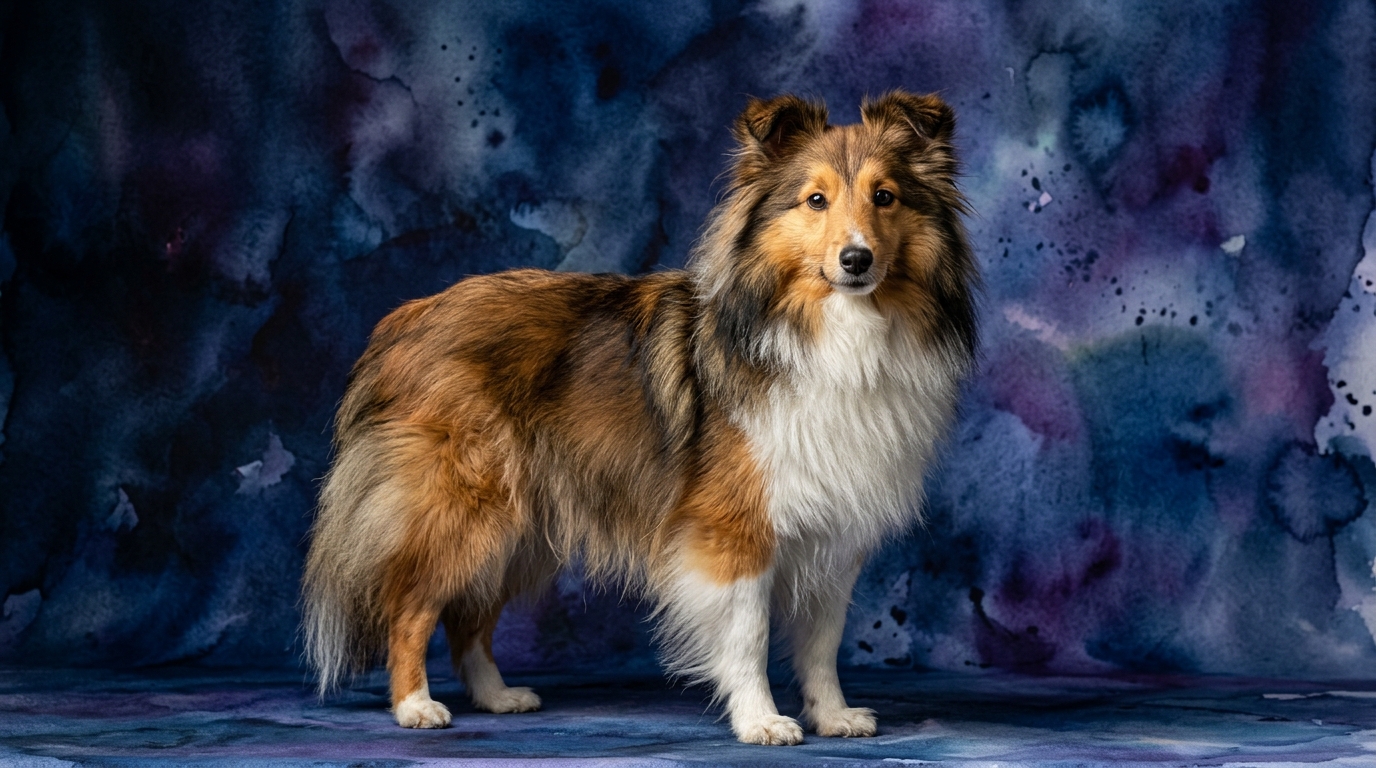
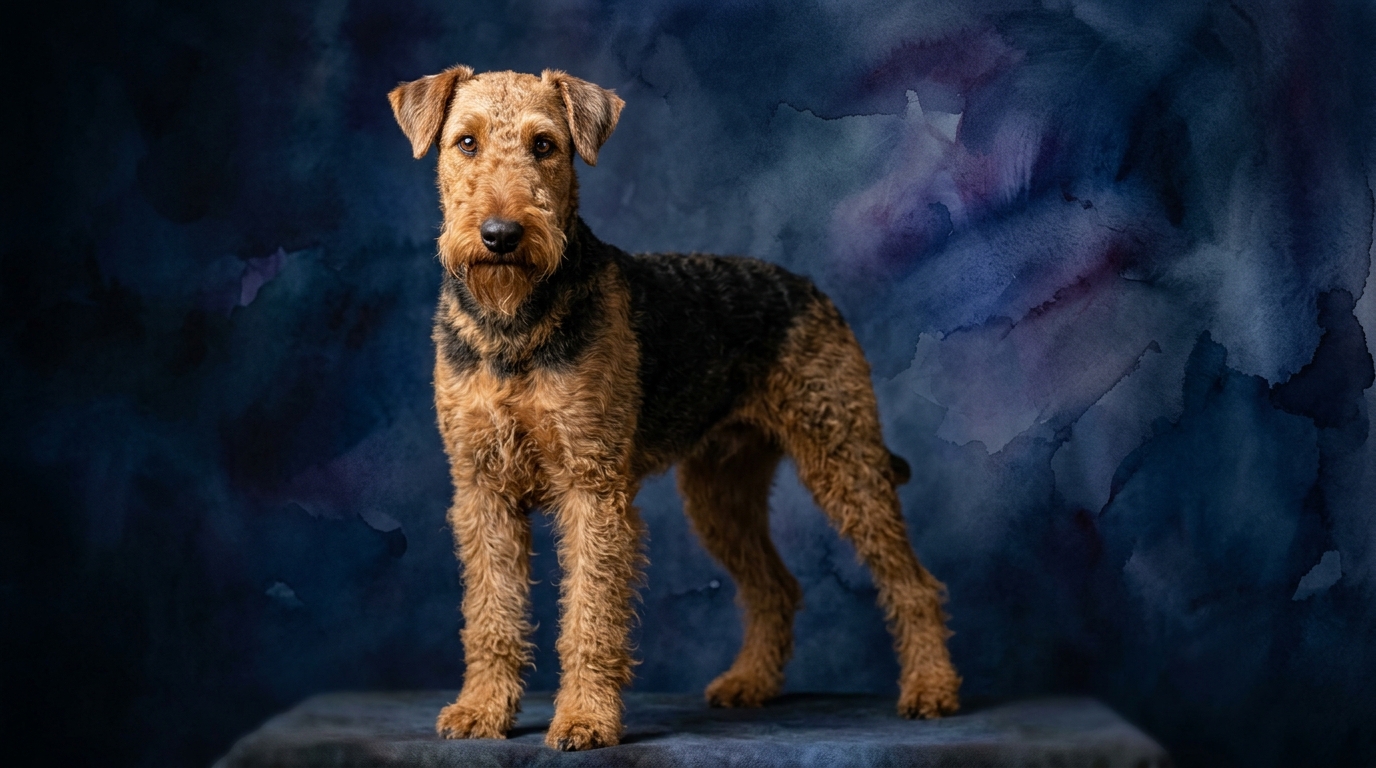
The Cosmic Pet Pet IQ Lab: Side-by-Side Profiles
The Cosmic Pet Pet IQ Lab's framework evaluates canine cognition across five crucial dimensions, offering a nuanced view beyond simple obedience. For the Shetland Sheepdog, we see a profile optimized for complex, cooperative tasks, reflected in its Coren rank of #6. Its Problem Solving is rated 4/5, indicating a strong capacity to figure out solutions. Training Speed is exceptional at 5/5, suggesting a quick grasp of new commands and routines. Social Intelligence, at 4/5, highlights their attunement to human cues and a desire to work alongside people. Instinctive Drive, also 5/5, speaks to a powerful inherent motivation for purpose-driven activity, often involving herding. Finally, Memory stands at an impressive 5/5, allowing them to recall vast amounts of information and learned behaviors.
In contrast, the Airedale Terrier, with a Coren rank of #29, presents a cognitive makeup geared towards independent action and tenacity, characteristic of the terrier group. Its Problem Solving matches the Sheltie at 4/5, demonstrating an equal capacity to overcome obstacles, though perhaps with a different approach. Training Speed is robust at 4/5, indicating they learn readily but may require more consistent motivation than their herding counterpart. Social Intelligence is rated 3/5, suggesting they are capable of bonding and understanding human interaction, but might not always prioritize human direction over their own inclinations. Instinctive Drive, at 3/5, reflects a strong prey drive and desire for self-directed activity, rather than a cooperative herding instinct. Their Memory is a solid 4/5, enabling them to retain training and experiences effectively.
Where the Shetland Sheepdog Excels Cognitively
The Shetland Sheepdog's cognitive profile shines brightest in areas demanding speed, precision, and a strong partnership with their human. Their 5/5 Training Speed is a standout, meaning they absorb new commands and multi-step tasks with remarkable efficiency, often requiring fewer repetitions than many other breeds. This rapid acquisition of knowledge makes them exceptionally adaptable to various disciplines, from obedience to agility. Coupled with a 5/5 Memory, Shelties not only learn quickly but retain vast repertoires of behaviors over long periods, making them highly reliable in complex routines.
Furthermore, the Sheltie's 5/5 Instinctive Drive, rooted in their herding heritage, translates into a profound motivation for engagement and purpose. This isn't just about chasing; it's about organizing, guiding, and working within a system. Their 4/5 Social Intelligence further enhances this, as they are acutely aware of their handler's intentions and emotional state, making them highly responsive partners. This blend of rapid learning, excellent recall, strong work ethic, and social sensitivity positions the Sheltie as a canine whose cognitive strengths are perfectly aligned with cooperative ventures and intricate, sequential tasks.
Where the Airedale Terrier's Cognition Stands Out
While the Airedale Terrier's overall Coren rank is lower than the Sheltie's, its cognitive strengths lie in a different, equally valuable domain: independent problem-solving and resilient self-reliance. With a Problem Solving score of 4/5, matching the Sheltie, the Airedale demonstrates an impressive ability to analyze situations and devise solutions, often with less direct human prompting. This is particularly evident in scenarios requiring a dog to think for itself, such as navigating complex environments or persisting in the face of obstacles without constant handler input.
The Airedale's 3/5 Social Intelligence and 3/5 Instinctive Drive, while lower than the Sheltie's, are not necessarily deficits but rather indicators of their independent working style. Their instinctive drive is geared towards pursuits like hunting and guarding, which require initiative rather than strict adherence to a herding pattern. This means an Airedale might approach a problem with a more 'trial and error' or self-directed strategy, less concerned with pleasing an owner and more focused on achieving a personal goal. Their solid 4/5 Memory ensures that once they've figured out a solution, they remember it, contributing to their tenacity and effectiveness in independent endeavors.
Ease of Training: Sheltie vs. Airedale
When it comes to ease of training, the Shetland Sheepdog generally presents a smoother path for owners. Their 5/5 Training Speed means they pick up commands with remarkable swiftness, often after just a few repetitions. This is bolstered by their 4/5 Social Intelligence, which makes them highly attuned to their owner's wishes and eager to cooperate. Shelties typically find great satisfaction in performing tasks correctly and receiving positive reinforcement, leading to a highly responsive and willing training partner. Their strong instinctive drive to work and please makes them actively seek out opportunities to learn and engage.
The Airedale Terrier, with a 4/5 Training Speed, is certainly capable of learning, but their 3/5 Social Intelligence and 3/5 Instinctive Drive mean their training journey can be more nuanced. Airedales are thinkers and doers, but they might question the necessity of a command or prefer to pursue their own interests if not adequately motivated. They require an owner who understands their independent streak and can make training engaging, consistent, and rewarding. While they learn well, their self-reliant nature means they might occasionally choose to 'negotiate' a command rather than immediately comply, requiring a firm yet fair approach that respects their cognitive autonomy.
Owner Lifestyles: Active vs. Relaxed
The cognitive profiles of these breeds strongly influence which owner lifestyle they will thrive in. The Shetland Sheepdog, with its high scores in Training Speed, Instinctive Drive, and Memory, is an ideal match for active owners who enjoy structured activities and mental engagement. They excel in dog sports like agility, obedience, and rally, where their rapid learning, excellent recall, and desire to work in partnership are invaluable. Owners who can provide consistent training, puzzle toys, and interactive play will find a Sheltie to be a deeply rewarding and engaging companion. Their cognitive needs demand an owner who is prepared to provide regular mental stimulation, making them less suitable for a truly 'relaxed' owner who prefers minimal structured interaction.
The Airedale Terrier, while also requiring activity, suits active owners who appreciate an independent spirit and a dog that can think for itself. Their strong Problem Solving and moderate Instinctive Drive mean they need outlets for their energy and mental faculties, but their lower Social Intelligence means they might be content with more self-directed play or exploratory walks rather than constant, highly structured training sessions. Owners who enjoy hiking, exploring, or engaging in activities that allow the Airedale to use its nose and problem-solving skills independently will find a suitable partner. They are less suited for owners seeking a purely 'relaxed' companion, as their cognitive drive for activity and independent thought needs consistent, appropriate channeling.
The Verdict
Choose the Shetland Sheepdog if you desire a highly cooperative, rapidly learning companion eager to engage in structured training and dog sports.
Opt for the Airedale Terrier if you appreciate a tenacious, independent problem-solver who thrives on self-directed activities and requires a confident, consistent leader.
🧠 Find Your Pet's IQ Score
Our Pet IQ Lab assessment covers 25+ tests across 5 cognitive dimensions — personalized to your breed.
Take the Full IQ Test →Frequently Asked Questions
Which breed is better for first-time dog owners?
The Shetland Sheepdog's eagerness to please and rapid training speed generally make it a more forgiving choice for first-time owners. Their cooperative nature simplifies the learning curve for both dog and handler.
Do both breeds require a lot of exercise?
Yes, both breeds are active and require regular physical and mental stimulation, though the type of engagement differs. Shelties thrive on structured activities, while Airedales appreciate more independent exploration and robust play.
Which breed is more prone to stubbornness?
The Airedale Terrier's lower Social Intelligence and strong independent drive can sometimes be perceived as stubbornness if their cognitive needs and motivations aren't met. Shelties are generally more compliant and eager to please.