Side-by-Side IQ Profile: Herding Precision vs. Scent-Driven Endurance
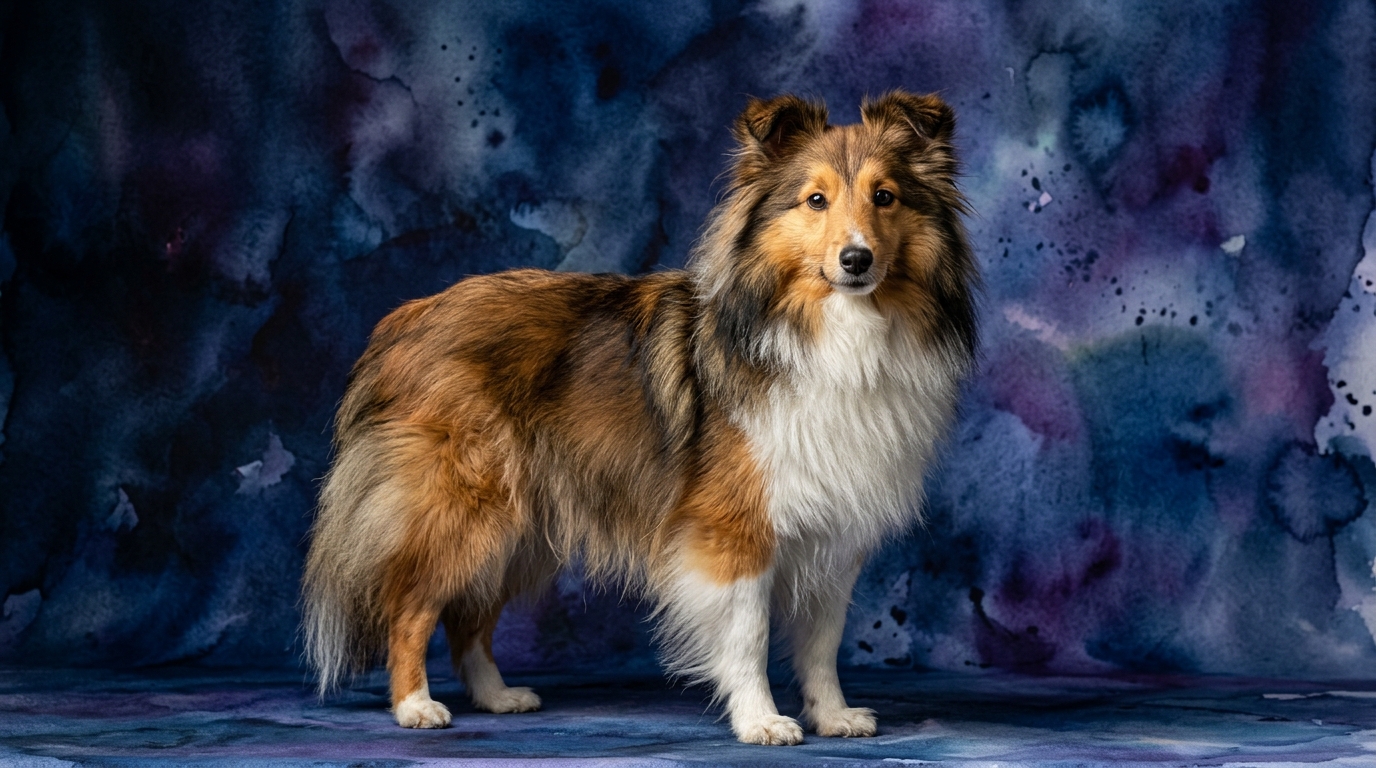
In our Cosmic Pet Pet IQ Lab, we evaluate canine cognition across five crucial dimensions, offering a nuanced look at what makes each breed unique. The Shetland Sheepdog, a venerable member of the Herding group and ranked #6 by Coren for working intelligence, presents a profile marked by exceptional mental agility. Their problem-solving ability scores 4/5, indicating a capacity for navigating complex scenarios and adapting strategies. Training speed is a remarkable 5/5, reflecting their quick grasp of commands and routines. Social intelligence, crucial for collaborative work, stands at 4/5, while their instinctive drive for herding tasks is a perfect 5/5. Complementing these is an outstanding memory, also rated 5/5, allowing them to retain vast amounts of information and learned behaviors.
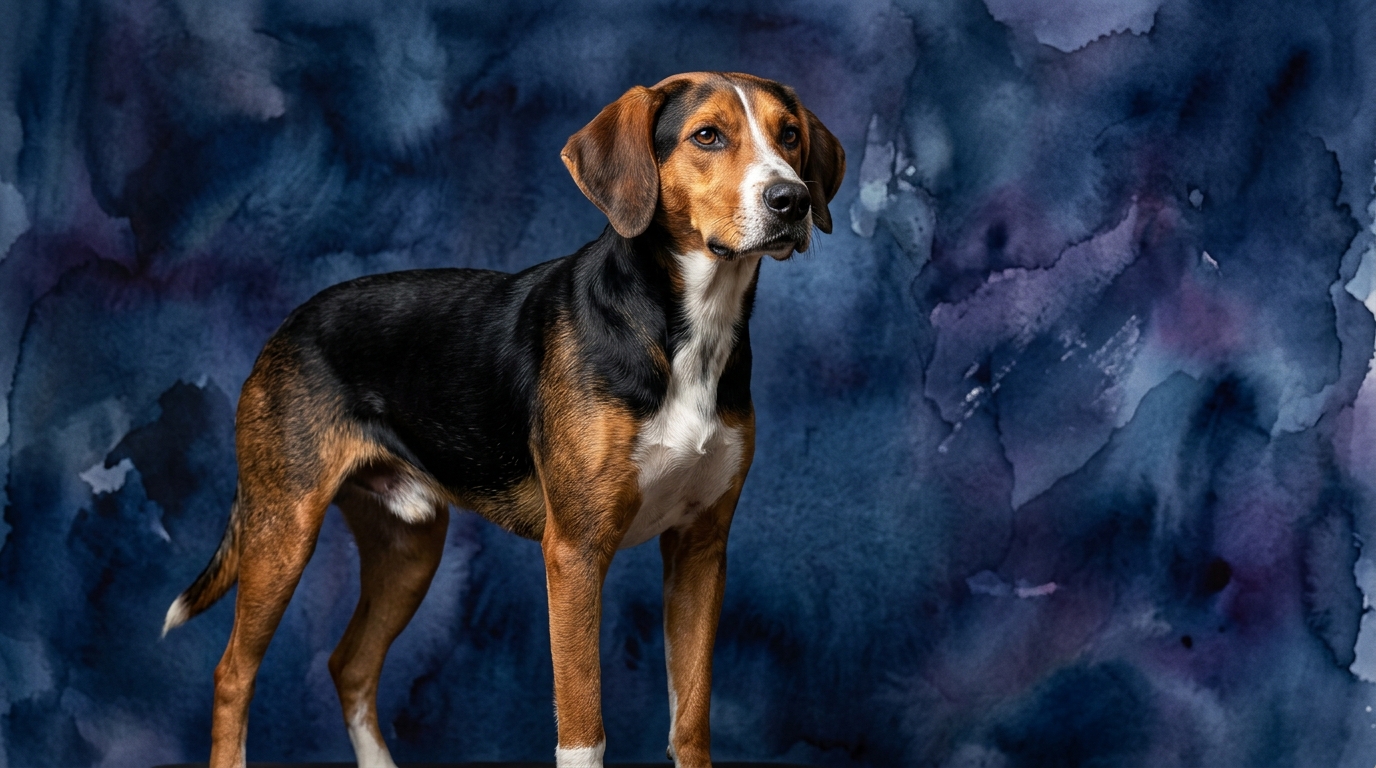
Conversely, the American Foxhound, a quintessential Hound breed, exhibits a cognitive profile optimized for independent, sustained pursuit of scent. While not ranked on Coren's scale, their scores in our lab illuminate a different kind of mental prowess. Their problem-solving ability is rated 3/5, typically focused on navigating terrain and overcoming obstacles during a hunt. Training speed is 3/5, suggesting a more deliberate learning process. Social intelligence also scores 3/5, as their primary social bonds are often within a pack dynamic or focused on their handler in the field. Instinctive drive, specifically for trailing scents, is 3/5, demonstrating a persistent, focused determination. Their memory, likewise, is 3/5, adept at recalling scent trails and geographical features relevant to their hunting purpose.
Where the Shetland Sheepdog Excels Cognitively
The Shetland Sheepdog's cognitive strengths are evident across nearly all dimensions, making them particularly adept at tasks requiring human direction and intricate understanding. Their problem-solving score of 4/5 means they are not just capable of following instructions but can also interpret situations and make appropriate decisions, a trait invaluable in herding where livestock movements are unpredictable. This mental flexibility translates into quick adaptation to new environments or novel challenges presented in training.
Their 5/5 training speed is a standout feature, allowing Shelties to master complex command sequences and learn new tricks with impressive alacrity. This responsiveness stems from their strong social intelligence (4/5), which enables them to keenly observe and respond to human cues, body language, and vocalizations. A Sheltie's instinctive drive (5/5) isn't just about herding; it's about channeling that drive into focused, purposeful work alongside their handler. Coupled with a 5/5 memory, they can recall extensive repertoires of commands, routines, and even the precise details of past experiences, making them highly consistent performers in structured activities like obedience or agility trials. Their inherent desire to collaborate and their capacity for understanding human intent give them a distinct advantage in environments where partnership is paramount.
Where the American Foxhound's Cognition Shines
While the American Foxhound's scores appear lower in a general comparison, they reflect a specialized intelligence honed for centuries of scent tracking and endurance hunting. Their problem-solving ability (3/5) is not geared towards complex obedience but rather toward navigating vast, varied terrain, overcoming physical obstacles, and deciphering intricate scent puzzles. This involves a different kind of cognitive processing, where persistence and independent decision-making in pursuit of a goal are prioritized over human direction.
The Foxhound's instinctive drive (3/5) is a profound and unwavering focus on scent. Once a trail is picked up, their cognitive resources are almost entirely dedicated to following it, demonstrating a singular concentration that few breeds can match. This drive requires a specific type of memory (3/5) — one that can retain and differentiate subtle scent profiles, remember the path taken, and anticipate the movements of quarry. Their social intelligence (3/5) is often expressed within a pack context, where communication is more about cooperative hunting and less about direct human-to-dog instruction. What might be perceived as a lower training speed (3/5) is often a reflection of their independent nature and strong intrinsic motivation for hunting, making them less inclined to perform tasks solely for human approval. Their cognitive strength lies in their ability to operate autonomously, making split-second decisions based on sensory input, and maintaining relentless effort over long distances, traits indispensable for their traditional role.
Training Dynamics: Responsiveness vs. Independent Spirit
The differences in training ease between these two breeds are stark and directly linked to their cognitive profiles and historical roles. The Shetland Sheepdog, with a training speed of 5/5 and high social intelligence, is generally a joy to train. They possess an innate desire to please and collaborate, making them highly receptive to positive reinforcement methods. Their superior memory means they quickly associate commands with actions and retain lessons, allowing for rapid progression through obedience exercises, trick training, and advanced canine sports. Shelties thrive on mental stimulation and view training as an engaging, interactive game with their human companion, often anticipating cues and offering behaviors proactively.
The American Foxhound, scoring 3/5 in training speed, presents a more significant challenge for the average owner. Their independent nature and overwhelming instinctual drive for scent work mean they are less inherently biddable. A Foxhound's attention can be easily diverted by an interesting smell, making recall particularly difficult in an open environment. Training requires immense patience, consistency, and a deep understanding of their motivations. Handlers must find ways to make training more rewarding than the allure of a fresh scent, often by incorporating scent games into their training or using very high-value rewards. Their problem-solving skills are applied to the hunt, not necessarily to pleasing a human, so training success hinges on adapting methods to align with their inherent drives rather than trying to suppress them.
Matching Canine Cognition to Lifestyle: Active Engagement vs. Endurance Exploration
Choosing between a Shetland Sheepdog and an American Foxhound largely depends on the type of activity and engagement an owner can provide. For owners who thrive on interactive engagement and mental challenges, the Shetland Sheepdog is an exceptional fit. Their high problem-solving ability and memory make them excellent candidates for dog sports like agility, flyball, and advanced obedience, where they can utilize their cognitive faculties to their fullest. They require daily mental stimulation, whether through training sessions, puzzle toys, or learning new tasks, alongside their physical exercise. A Sheltie is happiest when they are actively involved in family life and given opportunities to think and work alongside their people.
The American Foxhound, while also needing an active owner, requires a different kind of commitment. Their strength lies in endurance and a relentless pursuit of scent, making them ideal companions for marathon runners, hikers, or owners who can provide vast, secure areas for them to explore and follow trails. Their lower social intelligence and independent nature mean they might not be as constantly engaged with their owner indoors, but their need for outdoor activity is immense and non-negotiable. Owners must be prepared for long walks, runs, or dedicated scent work sessions to satisfy their inherent drives. While they can be relaxed indoors after sufficient exercise, their cognitive and physical needs are centered around sustained, independent exploration rather than collaborative problem-solving.
The Verdict
Choose the Shetland Sheepdog if you seek a highly responsive, trainable companion eager for interactive mental challenges and structured activities like obedience, agility, or herding trials.
Opt for the American Foxhound if you are an endurance enthusiast who appreciates an independent spirit and can provide vast, secure opportunities for scent work and long runs.
🧠 Find Your Pet's IQ Score
Our Pet IQ Lab assessment covers 25+ tests across 5 cognitive dimensions — personalized to your breed.
Take the Full IQ Test →Frequently Asked Questions
Are Shetland Sheepdogs good for first-time dog owners?
Yes, their eagerness to please, high trainability, and responsiveness make them suitable for first-time owners willing to commit to consistent training and mental stimulation. They thrive on clear direction and positive reinforcement, which can be a rewarding experience for new dog parents.
Can American Foxhounds live in urban environments?
American Foxhounds can adapt to urban living, but it requires significant effort from the owner to meet their extensive exercise and scent work needs. They require long, daily walks or runs in secure areas, and owners must be vigilant about their strong prey drive and potential for following scents in busy environments.
Do Shetland Sheepdogs and American Foxhounds have different vocalization tendencies?
Yes, Shetland Sheepdogs are known for being quite vocal, often barking to alert or express excitement, a remnant of their herding communication. American Foxhounds, while not typically excessive barkers in a domestic setting, are known for their distinctive baying, a deep, resonant sound used during the hunt.