Side-by-Side IQ Profile: Shetland Sheepdog vs. American Staffordshire Terrier
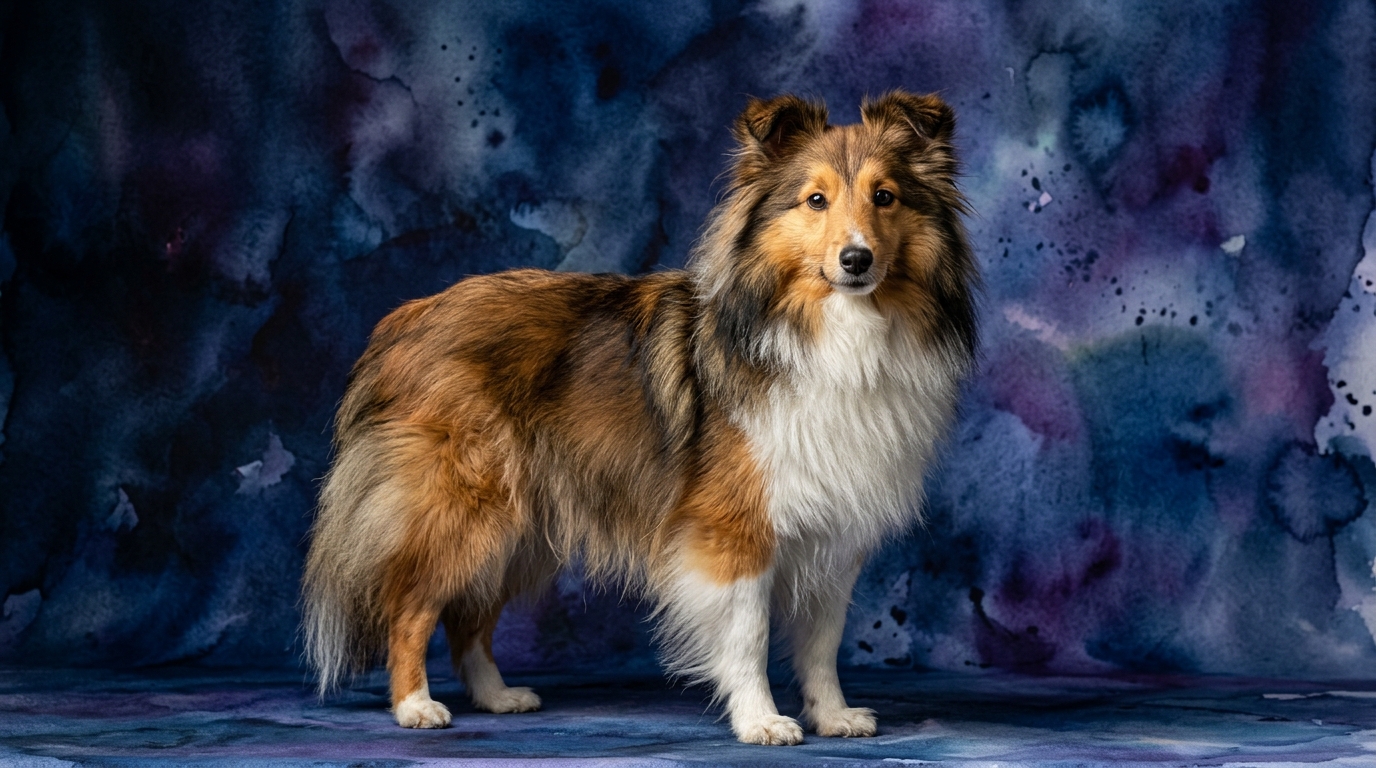
The Cosmic Pet Pet IQ Lab evaluates canine intelligence across five key dimensions. For the Shetland Sheepdog, a breed renowned for its herding prowess, their profile showcases remarkable mental agility. Problem Solving is rated 4/5, indicating their capacity for complex thought and strategizing, often seen in navigating intricate puzzles. Training Speed is an exceptional 5/5, meaning new commands are absorbed with minimal repetition. Social Intelligence, at 4/5, reflects their sensitivity to human cues and emotional states, allowing for nuanced interaction. An Instinctive Drive of 5/5 highlights their strong, inherent inclination towards structured work and vigilance. Finally, their Memory is also 5/5, demonstrating robust long-term retention of learned behaviors and routines.
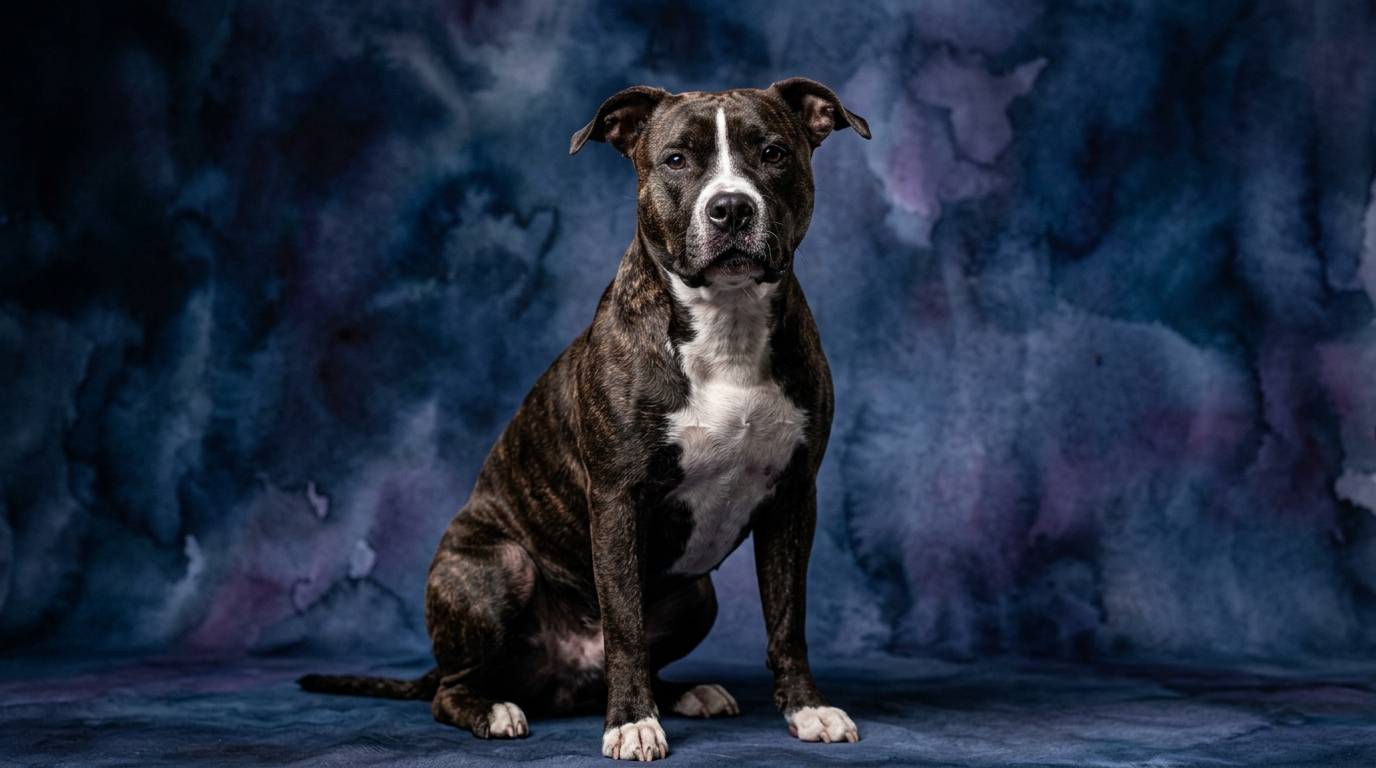
In contrast, the American Staffordshire Terrier, a breed celebrated for its loyalty and strength, presents a distinct cognitive makeup. Their Problem Solving is rated 3/5; they handle direct challenges well but may require more explicit guidance for abstract problems. Training Speed is 3/5, indicating a steady learning pace that thrives on consistent, positive reinforcement rather than rapid absorption. Social Intelligence is 3/5, meaning they grasp basic human intentions but might interpret subtle nuances less readily. Their Instinctive Drive, rated 3/5, is moderate, often manifesting as a strong desire for companionship, engaging play, and family protection. Their Memory, however, is a respectable 4/5, showing good capacity to retain established commands, though perhaps not with the Sheltie's near-perfect recall.
Where the Shetland Sheepdog Excels Cognitively
The Shetland Sheepdog's cognitive strengths make them stand out in tasks demanding mental agility and rapid processing. Their superior Problem Solving (4/5) allows them to actively engage with challenges, anticipating outcomes and devising solutions, such as quickly mastering a complex latch or multi-stage puzzle. This is powerfully complemented by their exceptional Training Speed (5/5), enabling them to acquire new skills and commands with remarkable efficiency, often grasping concepts in just a few repetitions. Their high Social Intelligence (4/5) fosters a deeply intuitive partnership, as they adeptly interpret subtle human tone, body language, and emotional shifts, often anticipating their owner's next move. Furthermore, their powerful Instinctive Drive (5/5), rooted in herding, translates into a natural inclination for purpose-driven, structured engagement, where focus and cooperative work are paramount. Their perfect Memory (5/5) ensures learned lessons and routines are retained with impressive longevity, building a reliable foundation for consistent performance in various disciplines.
Where the American Staffordshire Terrier Shines Cognitively
While the American Staffordshire Terrier's cognitive profile differs, it reveals distinct strengths centered on resilience, determination, and a steadfast approach. Their Problem Solving (3/5) might not focus on intricate puzzles, but rather on persistent effort and direct engagement, excelling at finding straightforward ways to achieve goals through sheer willpower, like retrieving a stubborn toy. This tenacity is a valuable cognitive trait, demonstrating robust mental fortitude. Although their Training Speed is 3/5, their respectable Memory (4/5) ensures that once a lesson is thoroughly learned through consistent practice, it is retained effectively for the long term. Their Social Intelligence (3/5), while less nuanced than a Sheltie's, often translates into a straightforward, deeply loyal connection with their human family, reducing ambiguity in their interactions. Their Instinctive Drive (3/5) is geared more towards companionship, play, and guarding loved ones, which, while not as task-oriented, fuels their enthusiasm for family-centric activities and their protective instincts, making them dedicated companions.
Training Dynamics: Which Breed is Easier to Train and Why
In terms of ease of training, the Shetland Sheepdog generally offers a more streamlined experience due to their exceptional Training Speed (5/5) and perfect Memory (5/5). Shelties rapidly absorb new commands, often understanding expectations after only a few repetitions. Their high Instinctive Drive (5/5) for structured work means they are typically eager to please and respond well to guidance, thriving on consistency and positive reinforcement. This inherent desire for partnership, combined with their strong Social Intelligence (4/5) for interpreting handler cues, makes training flow smoothly, enabling them to quickly master everything from basic obedience to advanced agility. Their herding heritage equips them with an innate ability to maintain focus and respond to commands, even from a distance.
The American Staffordshire Terrier, with a Training Speed of 3/5 and an Instinctive Drive of 3/5, requires a more patient and consistent approach. AmStaffs are capable of high-level training, but the process demands more repetitions and creative motivation from their owners. While their Memory (4/5) is good for retention, they may take longer to initially grasp new concepts. Training success hinges on identifying strong motivators—be it toys, treats, or engaging play—and making lessons rewarding. Their social intelligence, while solid for bonding, might not translate to the same nuanced responsiveness during training. Owners should be prepared to break down complex tasks and understand that an AmStaff's tenacious, independent nature, while admirable, means their cooperation in training needs to be cultivated deliberately.
Matching Breeds to Owner Lifestyles: Active vs. Engaged
Neither the Shetland Sheepdog nor the American Staffordshire Terrier is suited for truly “relaxed” or sedentary owners; both require substantial engagement, though the type of activity differs significantly. The Shetland Sheepdog, with its high Instinctive Drive (5/5) and exceptional Problem Solving (4/5), thrives with owners ready to provide significant mental stimulation alongside physical exercise. Shelties excel in structured activities like agility, advanced obedience, or herding, which fully tap into their cognitive strengths and desire for a “job.” An active Sheltie owner enjoys daily training, puzzle toys, strategic games, and regular outdoor excursions that allow for exploration and controlled activity, consistently engaging their sharp minds to prevent boredom.
The American Staffordshire Terrier, while also requiring an active owner, leans more towards physical exertion and robust interactive play. Their Instinctive Drive (3/5) is moderate, yet their powerful build and energetic nature necessitate regular, vigorous exercise for contentment. This includes long walks, runs, hikes, and intense play sessions like tug-of-war or fetch. An active AmStaff owner enjoys being outdoors, engaging in physically demanding activities, and providing consistent outlets for their dog’s strength and stamina. While mental engagement is beneficial, their primary activity need often manifests physically. A truly “relaxed” owner offering minimal physical activity would likely find an AmStaff becoming restless or destructive, as their lower problem-solving scores mean they are less inclined to entertain themselves with intricate puzzles for extended periods.
The Verdict
Choose the Shetland Sheepdog if you seek a highly cooperative, mentally agile partner eager for complex training, competitive dog sports, and a deeply intuitive bond.
Opt for the American Staffordshire Terrier if you desire a steadfast, physically robust companion, and are prepared for consistent, positive training to channel their determination and loyalty.
🧠 Find Your Pet's IQ Score
Our Pet IQ Lab assessment covers 25+ tests across 5 cognitive dimensions — personalized to your breed.
Take the Full IQ Test →Frequently Asked Questions
Do Shelties need a lot of mental stimulation?
Yes, their high problem-solving and instinctive drive mean Shetland Sheepdogs thrive on mental challenges like puzzle toys, obedience training, and learning new tricks. Consistent mental engagement is crucial to prevent boredom and channel their sharp minds constructively.
Are American Staffordshire Terriers difficult to train?
While their training speed is moderate, American Staffordshire Terriers are highly trainable with consistency, patience, and positive reinforcement. Their good memory aids retention, so once a lesson is learned through clear communication and motivation, it tends to stick.
How do their social intelligence scores impact household life?
A Sheltie's higher social intelligence means they often pick up on subtle family dynamics and emotional states, adapting their behavior accordingly. An AmStaff's more straightforward social understanding typically translates to clear, affectionate, and loyal bonds within their immediate family, valuing direct interaction.