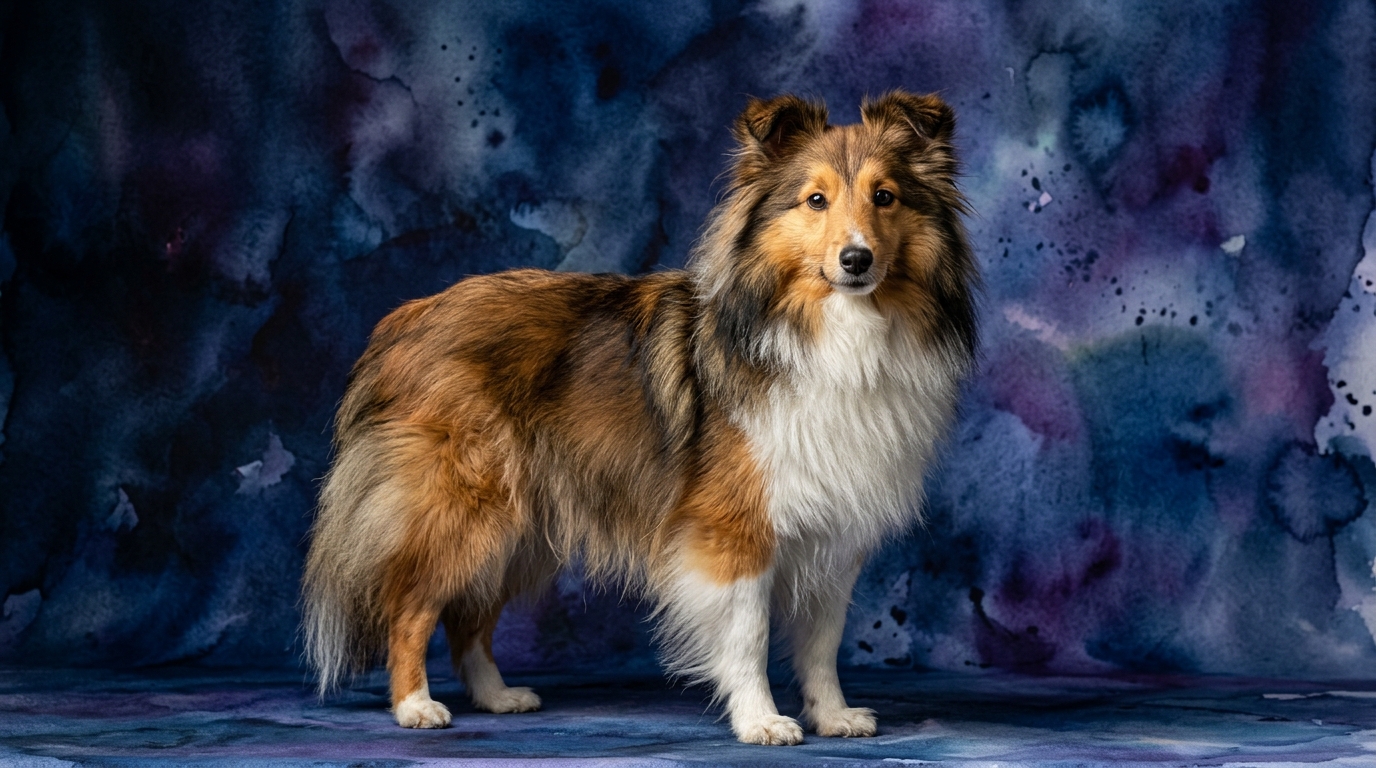
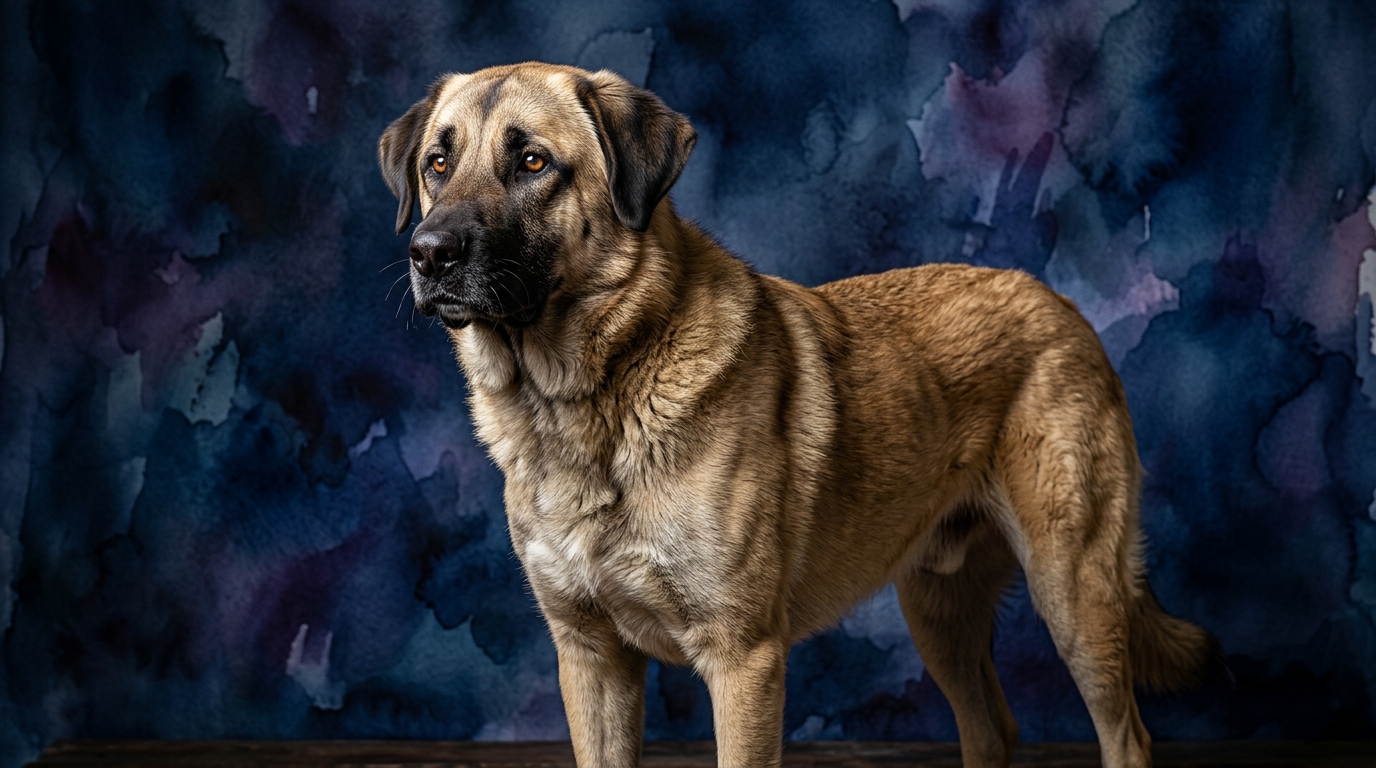
Side-by-Side IQ Profile: Sheltie vs. Anatolian
At The Cosmic Pet Pet IQ Lab, we evaluate canine intelligence across five critical dimensions, revealing the nuanced cognitive landscapes of different breeds. For the Shetland Sheepdog, a breed Coren-ranked at #6, their Problem Solving is rated 4/5, reflecting their quick adaptability and capacity to navigate dynamic situations, often involving livestock. Their Training Speed is an impressive 5/5, indicating a rapid grasp of new commands and a keen desire to engage in structured learning. Social Intelligence stands at 4/5, as Shelties are highly attuned to human cues and foster strong, cooperative bonds. Their Instinctive Drive, rated 5/5, is a powerful herding impulse, guiding their actions with precision and purpose. Finally, their Memory, also 5/5, ensures they retain complex sequences and experiences with exceptional recall.
The Anatolian Shepherd Dog, a breed not Coren-ranked, presents a different cognitive profile, reflecting its role as a self-sufficient livestock guardian. Their Problem Solving is rated 3/5, characterized by a deliberate, strategic approach to assessing threats and territory rather than rapid-fire solutions. Training Speed is 3/5, suggesting they learn through consistency and purpose, often requiring more patience than biddable breeds, as they prioritize their own judgment. Social Intelligence is 3/5; while they form deep bonds with their charges and family, they are less overtly demonstrative and more observant of social hierarchies. Their Instinctive Drive, 3/5, is a powerful, independent guarding impulse, compelling them to protect their territory and flock without constant human direction. Their Memory, rated 3/5, is effective for recalling threats, boundaries, and routines crucial to their protective duties, though perhaps less geared towards generalizing abstract learned behaviors.
Where the Shetland Sheepdog Wins Cognitively
The Shetland Sheepdog's cognitive strengths shine particularly brightly in areas demanding rapid processing and cooperative engagement. With a Coren ranking of #6, they are exceptionally adept at understanding and executing human commands, demonstrating a superior capacity for obedience and working intelligence. Their 5/5 training speed and 5/5 memory mean they acquire and retain complex sequences of instructions with remarkable alacrity, whether it’s mastering an agility course or performing intricate herding patterns. This swift learning curve allows them to progress rapidly through advanced training, making them a joy for handlers who enjoy teaching new skills. Furthermore, their 4/5 social intelligence enables them to anticipate handler intentions and moods, fostering a deep, almost telepathic partnership in cooperative tasks. Their problem-solving, rated 4/5, is geared towards dynamic, real-time scenarios, such as skillfully maneuvering a flock of sheep or quickly navigating a novel environment, where immediate, adaptable solutions are paramount. They thrive on the mental challenge of deciphering and responding to complex cues, often seeking out opportunities to engage their minds collaboratively.
Where the Anatolian Shepherd Dog Wins Cognitively
The Anatolian Shepherd Dog's cognitive prowess is fundamentally different, rooted in their ancient role as independent guardians. While their problem-solving is rated 3/5, this reflects a strategic, deliberate intelligence focused on assessing threats and making autonomous decisions in expansive territories, rather than quick compliance. They excel at evaluating complex situations, such as discerning a genuine threat from a harmless passerby, and determining the appropriate level of intervention without constant human input. Their instinctive drive of 3/5 is perfectly calibrated for self-sufficient guardianship, demanding a profound understanding of their environment, their charges, and potential dangers. This isn't about rapid-fire obedience, but about profound judgment and a strong sense of responsibility. Their social intelligence, also 3/5, allows them to form deep, protective bonds with their family or flock, understanding their needs for security and well-being, even if they are less outwardly expressive or eager to perform tricks on command. Their memory, rated 3/5, is highly effective for retaining crucial information related to their protective duties, such as territorial boundaries, the patterns of potential predators, and the routines of their charges, ensuring consistent vigilance over long periods. This long-term, context-specific memory is vital for their role as steadfast protectors.
Which is Easier to Train and Why
When considering ease of training, the Shetland Sheepdog clearly presents a more straightforward path for most owners. Their exceptional 5/5 training speed and 4/5 social intelligence mean they are inherently eager to please and highly responsive to positive reinforcement. Shelties quickly associate commands with desired actions, thriving on mental engagement and collaboration with their handler. Their ingrained herding drive, which compels them to respond to direction and work closely with humans, naturally channels into structured training tasks, making them very biddable. They actively seek opportunities to learn and interact, often picking up new commands after just a few repetitions.
In contrast, the Anatolian Shepherd Dog, with its 3/5 training speed and independent nature, requires a fundamentally different approach to training and significantly more patience. Anatolians are not inherently biddable in the same way; their guarding instinct prioritizes their own judgment and assessment of situations. While they are capable of learning, they often deliberate on the utility or purpose of a command from their perspective. Training an Anatolian involves building immense trust, establishing clear, consistent boundaries, and demonstrating leadership, often focusing on purpose-driven commands relevant to their role rather than rote repetition for its own sake. Their problem-solving is geared towards independent action and territorial management, not necessarily swift compliance to arbitrary requests. Owners must understand that an Anatolian learns through consistency and respectful guidance, not through force or endless drills that might seem pointless to a dog bred for self-reliance.
Active Owners vs. Relaxed Owners: Which Breed Suits Whom?
The Shetland Sheepdog is undoubtedly better suited for owners who lead an active lifestyle and are prepared to provide significant mental and physical engagement. Shelties need more than just physical exercise; their quick minds demand constant stimulation. Owners should be prepared for activities like agility, obedience trials, herding practice, long exploratory walks, puzzle toys, and consistent, varied training sessions. A 'relaxed' owner who cannot provide this level of mental engagement will likely find themselves with a bored, potentially destructive, or excessively vocal Sheltie, as their high cognitive needs are not being met. They thrive on having a 'job' and being a cooperative partner in activities.
The Anatolian Shepherd Dog, while needing regular exercise, is less about 'active' in the traditional sense of a running or hiking partner, and more about 'purposeful' engagement within their domain. They require ample space, a defined territory, and a clear role, even if that role is simply guarding the family home. Their exercise needs are moderate but consistent, often fulfilled by patrolling their yard or taking steady, purposeful walks. A truly 'relaxed' owner might struggle with an Anatolian's independence, territorial instincts, and need for calm, consistent leadership. They are not typically dogs that will constantly seek interaction or be pleased with passive companionship. They excel with owners who appreciate their self-reliant nature, provide clear boundaries, and understand their deep-seated need to observe and protect their environment, rather than demanding constant, high-energy interaction or biddable participation in dog sports.
The Verdict
Choose the Shetland Sheepdog if you seek a highly cooperative, adaptable companion eager to learn complex tasks and thrive on shared mental engagement, ideal for dog sports and active family life.
Opt for the Anatolian Shepherd Dog if you need a steadfast, independent guardian, valuing a dog that makes its own strategic decisions for protection and thrives with a clear purpose and ample space.
🧠 Find Your Pet's IQ Score
Our Pet IQ Lab assessment covers 25+ tests across 5 cognitive dimensions — personalized to your breed.
Take the Full IQ Test →Frequently Asked Questions
Can an Anatolian Shepherd Dog excel in obedience trials?
While an Anatolian Shepherd Dog can learn obedience, their independent nature and deliberate problem-solving mean they might not achieve the rapid, precise responses seen in breeds bred for biddability. Their focus is often on assessing situations for guardianship rather than executing commands for their own sake.
Are Shetland Sheepdogs prone to barking due to their intelligence?
Shetland Sheepdogs, with their strong herding drive and social intelligence, often use barking as a communication tool, whether to alert, herd, or express excitement. Their quick minds mean they can learn to bark excessively if not properly managed, but also learn appropriate vocalization through training.
How do their different instinctive drives manifest in a home environment?
The Sheltie's herding drive might lead them to 'herd' children or other pets, nipping at heels to direct movement, while the Anatolian's guarding drive manifests as territoriality and vigilance, observing strangers or unfamiliar sounds with intense focus. Understanding these core instincts is crucial for managing their behavior and providing appropriate outlets in a domestic setting.