Side-by-Side Cognitive Profile
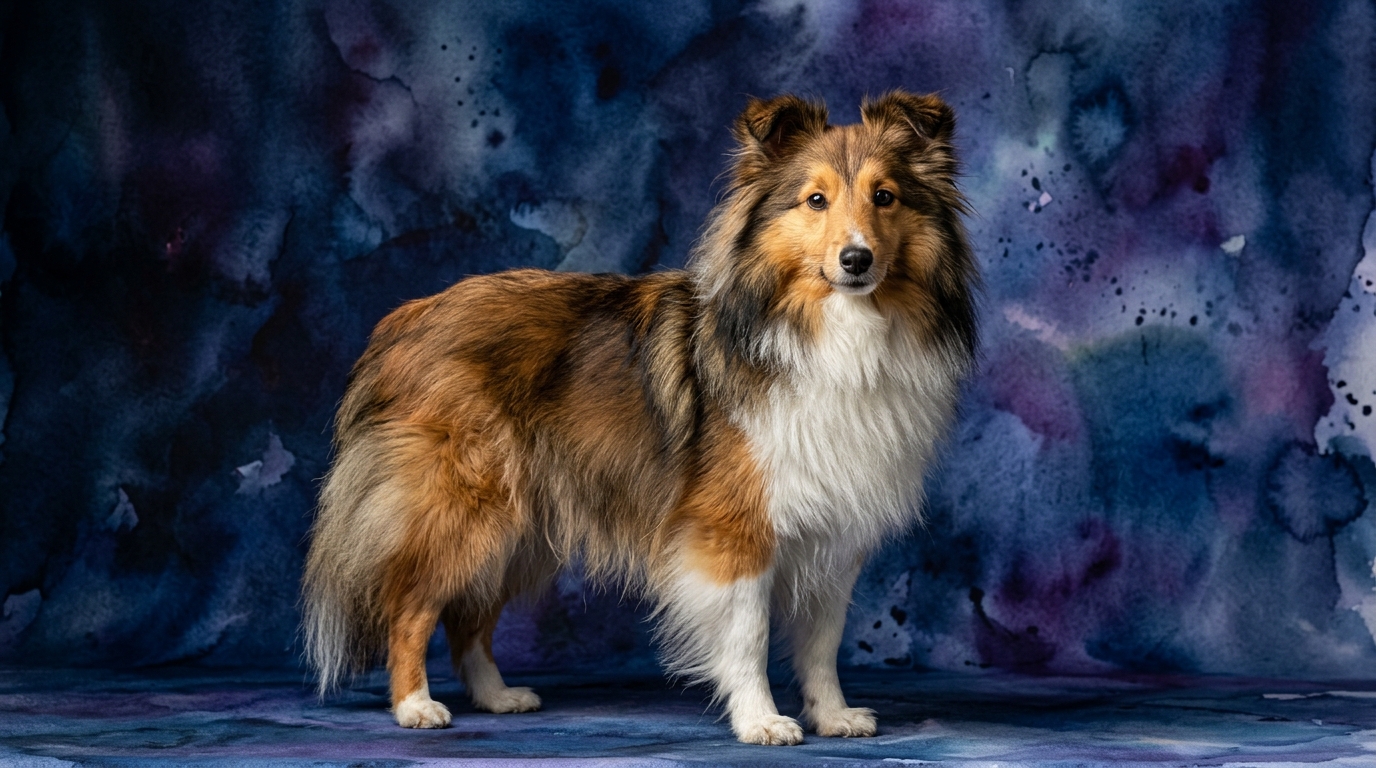
The Cosmic Pet Pet IQ Lab assesses canine intelligence across five critical dimensions, providing a nuanced understanding beyond simple obedience rankings. For the Shetland Sheepdog, Coren rank #6, its problem-solving score is 4/5, indicating a strong capacity for independent thought and strategic navigation of novel situations. Training speed is an impressive 5/5, reflecting its eagerness and ability to rapidly acquire new commands and routines. Social intelligence stands at 4/5, showcasing its adeptness at reading human cues and adapting its behavior within a social context. An instinctive drive of 5/5 highlights its inherent herding instincts and motivational intensity, while memory at 5/5 ensures retention of learned behaviors and experiences over time. This profile paints a picture of a perceptive and highly trainable companion.
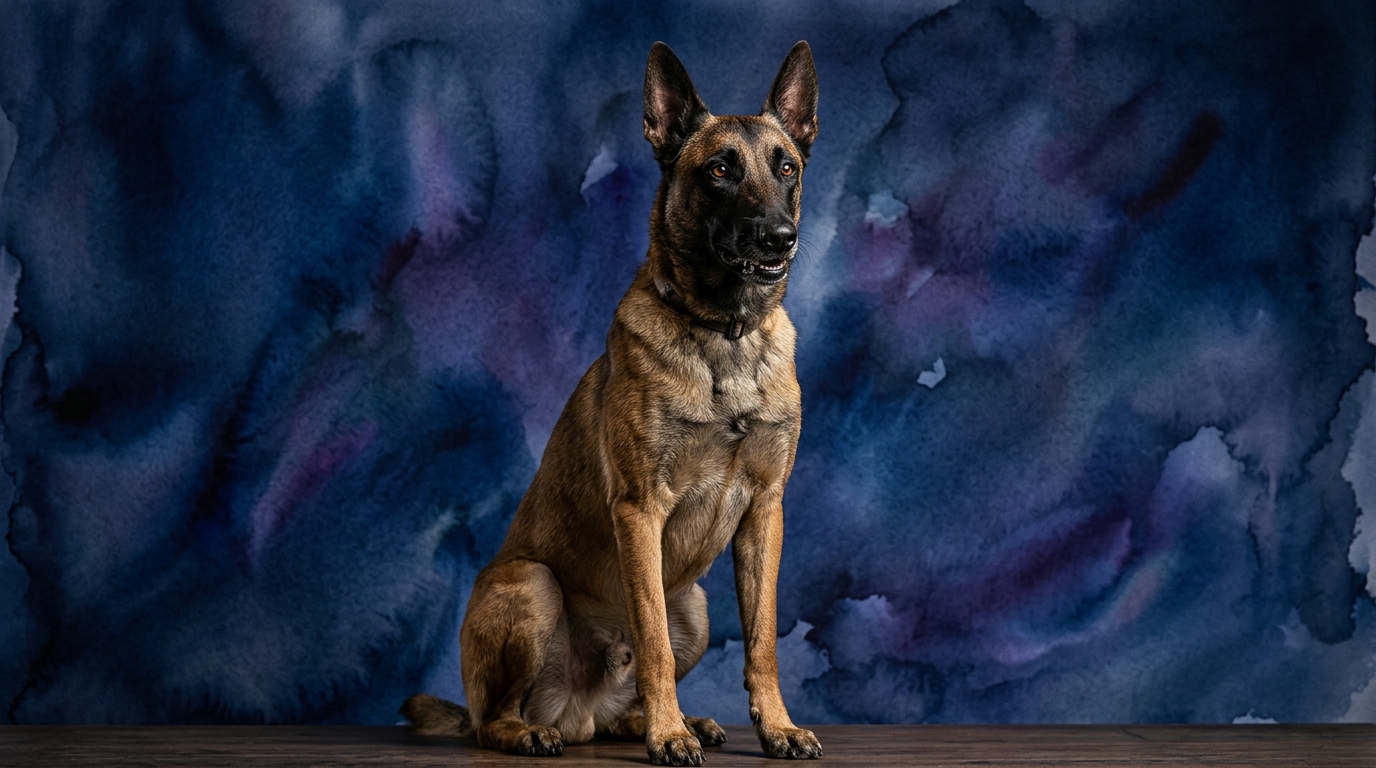
The Belgian Malinois, with a Coren rank #22, presents an equally formidable, yet distinct, cognitive blueprint. Its problem-solving ability is rated 5/5, signifying exceptional analytical skills and a persistent approach to overcoming obstacles. Training speed matches the Sheltie at 5/5, underscoring its rapid assimilation of complex instructions and procedures. Social intelligence is also 4/5, demonstrating a keen awareness of its handler's intentions and environmental dynamics. Its instinctive drive is a maximal 5/5, channeling intense energy and focus into tasks, a hallmark of its working heritage. Memory, like the Sheltie, is 5/5, enabling it to recall intricate sequences and past lessons with precision. The Malinois profile reflects a dog built for demanding, high-stakes work where every cognitive faculty is maximized.
Where the Shetland Sheepdog Excels Cognitively
While the Malinois boasts a perfect problem-solving score, the Shetland Sheepdog's cognitive strengths often manifest in a more cooperative and nuanced manner, reflected in its higher Coren rank of #6. The Sheltie’s problem-solving (4/5) combined with its robust social intelligence (4/5) and perfect memory (5/5) allows it to excel in tasks requiring intricate understanding of human expectations and subtle environmental cues. For instance, in competitive obedience or agility, a Sheltie often demonstrates a remarkable ability to anticipate the handler's next move and adjust its path with fluid precision, rather than simply executing a command. Their herding drive (5/5) is often channeled into precise pattern work and responsiveness to subtle body language, making them exceptional at maneuvering around obstacles or guiding livestock with minimal fuss. This breed's intelligence is particularly adept at integrating complex information from its environment and handler, then applying it with a sensitive, cooperative approach.
The Sheltie's cognitive profile makes it particularly skilled at tasks that benefit from a strong desire to please and a thoughtful, rather than purely driven, approach. Its ability to remember extensive sequences and its keen social awareness mean it can learn and perform complex routines with grace and consistency. This makes them outstanding candidates for dog sports like musical freestyle or rally obedience, where precision, connection with the handler, and memory for long sequences are paramount. Their problem-solving, while not as rawly intense as a Malinois, is often applied to finding the 'best' way to accomplish a task that aligns with handler desires, showcasing a sophisticated form of cooperative intelligence.
Where the Belgian Malinois Excels Cognitively
The Belgian Malinois's cognitive profile is engineered for extreme performance and resilience, making it a standout in high-pressure working roles. Its perfect 5/5 scores in problem-solving, training speed, instinctive drive, and memory coalesce into an unparalleled capacity for mastering and executing highly complex, often dangerous, tasks. A Malinois approaches problem-solving with relentless focus and tenacity, often finding solutions through sheer drive and a methodical, persistent application of learned behaviors. For example, in detection work, a Malinois uses its cognitive faculties to systematically clear an area, remember target scents, and indicate with unwavering precision, even in distracting or chaotic environments.
The Malinois's training speed (5/5) isn't just about quick learning; it's about the ability to rapidly generalize commands to new situations and to perform under immense physical and mental stress. Its instinctive drive (5/5) is a powerful cognitive engine, enabling it to maintain focus and motivation through repetitive training or prolonged, demanding operations. This breed excels in roles requiring unwavering commitment, rapid decision-making under duress, and the physical and mental stamina to sustain peak performance. Their intelligence is specifically honed for protection, search and rescue, and military or police work, where precision, speed, and an indomitable work ethic are non-negotiable.
Which is Easier to Train and Why
Both the Shetland Sheepdog and the Belgian Malinois score 5/5 in training speed, indicating they both absorb new information and commands with remarkable quickness. However, the concept of 'easier to train' often hinges on the handler's experience and the dog's inherent temperament and drive management. The Sheltie, despite its intense instinctive drive (5/5), typically expresses this energy with a higher degree of sensitivity and a strong desire to cooperate. Their social intelligence (4/5) allows them to be highly responsive to subtle cues and corrections, often making them more forgiving for novice trainers. A Sheltie is generally eager to please and less likely to challenge authority in a forceful manner, making the training process feel more collaborative and less like a constant battle of wills. Their herding instincts, while powerful, are usually directed towards precision and control, which translates well into structured training scenarios.
Conversely, while the Malinois also learns at an exceptional pace (5/5 training speed), its immense instinctive drive (5/5) and relentless problem-solving (5/5) demand a highly experienced, consistent, and confident handler. A Malinois will learn quickly, but it will also test boundaries and require constant mental and physical engagement to prevent boredom or redirection of its powerful drives. Their training isn't necessarily harder in terms of concept acquisition, but it requires superior management of their intensity and tenacity. Without appropriate channeling, the Malinois's drive can manifest as demanding, potentially destructive behaviors. Therefore, for most owners, the Shetland Sheepdog will likely feel 'easier' to train due to its more manageable temperament and cooperative nature, despite both breeds possessing incredible learning capabilities.
Which Suits Active Owners vs. Relaxed Owners
The distinction between active and relaxed owners is stark when considering these two breeds. The Belgian Malinois is unequivocally suited for highly active owners who can commit to an extremely rigorous daily routine of physical exercise and intensive mental stimulation. Their 5/5 instinctive drive means they possess a nearly insatiable need for a 'job' and thrive on structured activity that challenges their formidable cognitive and physical abilities. An owner who enjoys complex dog sports, advanced obedience, protection work, or long, demanding hikes and runs would find a Malinois a compatible partner. A relaxed owner, or one unable to meet these substantial demands, would quickly find themselves overwhelmed by a Malinois's energy and drive, potentially leading to behavioral issues stemming from boredom and lack of purpose.
The Shetland Sheepdog, while also possessing a 5/5 instinctive drive and requiring significant activity, is generally more adaptable to a range of active lifestyles that aren't necessarily extreme. They thrive on daily walks, playtime, and mental engagement through puzzle toys, training sessions, and dog sports like agility or herding. Their sensitivity and desire for companionship also mean they can enjoy relaxed evenings at home, provided their daily exercise needs are met. An active owner who enjoys daily engagement but perhaps doesn't require the relentless intensity of a Malinois would find a Sheltie a wonderful fit. A 'relaxed' owner, however, would still struggle with a Sheltie's energy and need for mental stimulation; they are not couch potatoes but can adapt to a more varied pace than a Malinois.
The Verdict
Choose the Shetland Sheepdog if you seek a highly trainable, sensitive, and cooperative companion that excels in nuanced communication and a variety of dog sports, offering a balance of activity and affectionate companionship. They are ideal for active owners who appreciate a dog that is eager to please and adapt.
Opt for the Belgian Malinois if you are an experienced, highly active owner capable of providing rigorous physical exercise and consistent, advanced mental challenges for a dog built for intense, demanding work. They are perfect for those seeking a powerful partner for protection, detection, or high-level competitive sports.
🧠 Find Your Pet's IQ Score
Our Pet IQ Lab assessment covers 25+ tests across 5 cognitive dimensions — personalized to your breed.
Take the Full IQ Test →Frequently Asked Questions
Do Shetland Sheepdogs require a lot of exercise?
Yes, Shetland Sheepdogs have a 5/5 instinctive drive and need regular, engaging exercise to stay mentally and physically healthy. Daily walks, playtime, and mental stimulation through training or puzzle toys are essential to prevent boredom and channel their energy constructively.
Are Belgian Malinois good family dogs?
Belgian Malinois can be excellent family dogs in the right environment, but their intense drive and need for a 'job' mean they require significant commitment from all family members. They thrive with experienced owners who can provide consistent training, socialization, and ample mental and physical stimulation to ensure they are well-adjusted and safe around children and other pets.
Which breed is better for first-time dog owners?
For most first-time dog owners, the Shetland Sheepdog would be a more manageable choice due to its cooperative nature and less extreme demands on management, despite its own high energy levels. The Belgian Malinois's intense drive and need for experienced handling typically make it unsuitable for individuals new to dog ownership.