Side-by-Side Cognitive Profiles
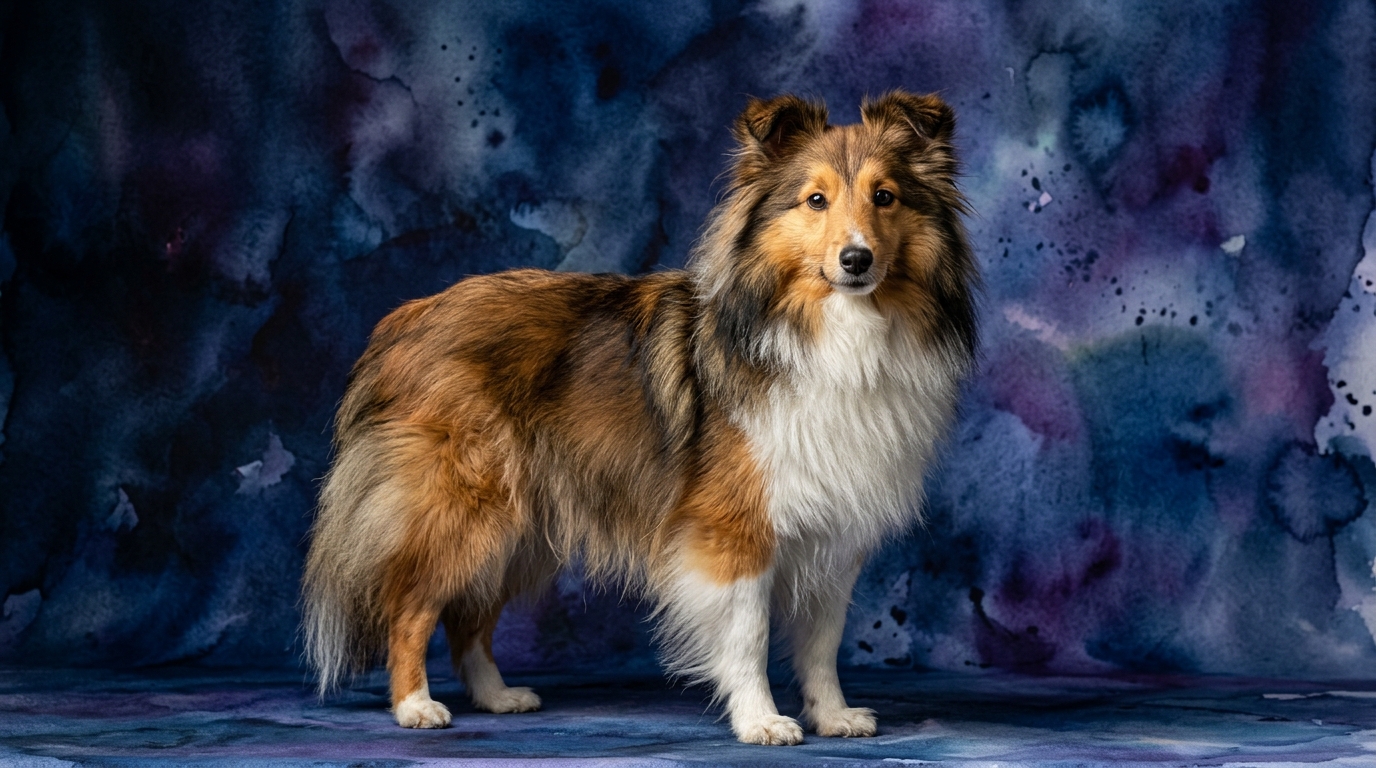
The Cosmic Pet Pet IQ Lab employs a comprehensive five-dimensional framework to evaluate canine intelligence, offering a granular view beyond simple rankings. For the Shetland Sheepdog, rated Coren rank #6, its profile indicates a robust, well-rounded cognitive toolkit. Their Problem Solving is rated at 4/5, signifying a strong aptitude for navigating novel situations and figuring out solutions to moderate complexities. Training Speed stands at a perfect 5/5, reflecting their rapid acquisition of new commands and behaviors, often requiring minimal repetition. Social Intelligence, at 4/5, highlights their acute awareness of human cues and emotional states, making them highly responsive companions. Their Instinctive Drive is a powerful 5/5, deeply rooted in their herding heritage, manifesting as a strong desire to gather and control. Finally, Memory is also a stellar 5/5, ensuring they retain learned information and experiences with remarkable fidelity.
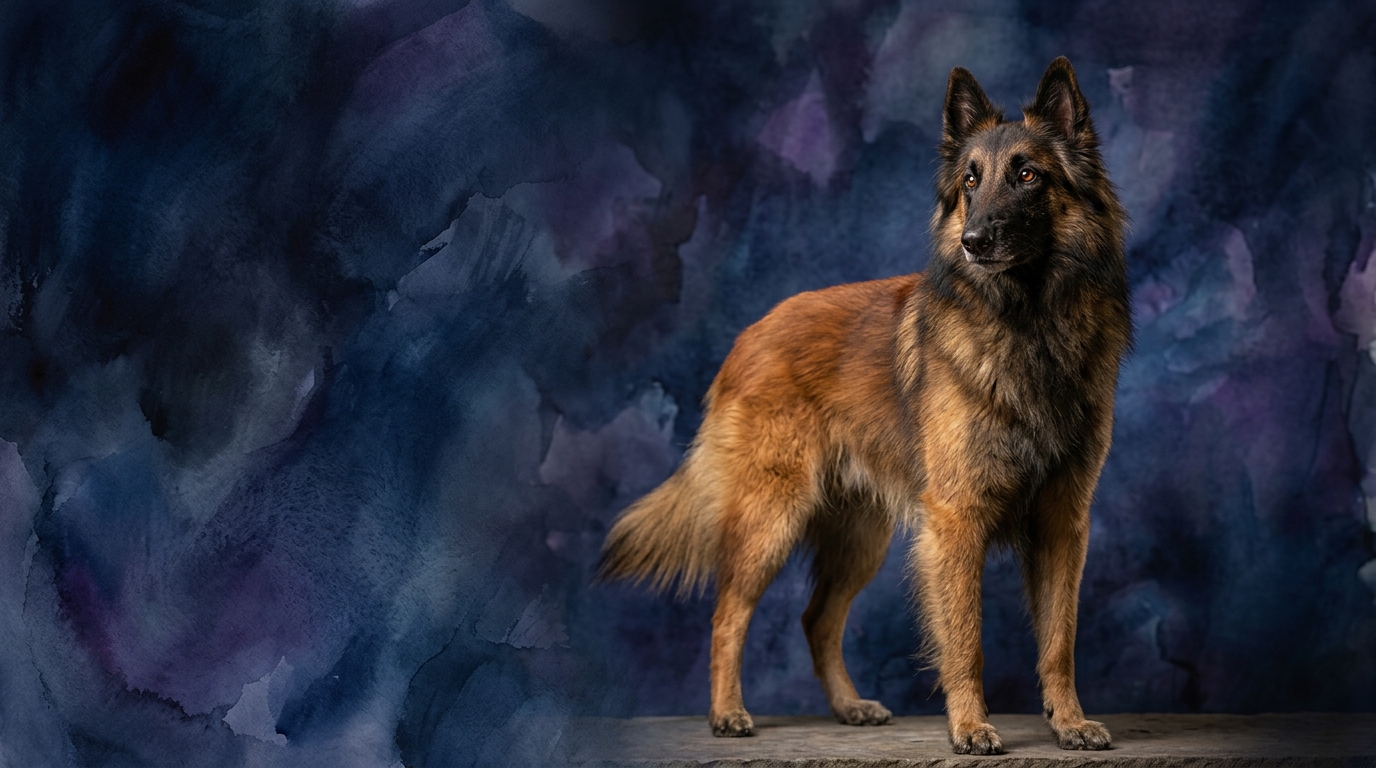
In contrast, the Belgian Tervuren, with a Coren rank of #14, presents a cognitive profile geared toward different strengths. Their Problem Solving is rated an exceptional 5/5, indicating an unparalleled capacity for abstract thought, complex sequencing, and independent reasoning in challenging scenarios. Like the Sheltie, their Training Speed is a flawless 5/5, demonstrating an equally swift ability to learn and execute new tasks. However, their Social Intelligence is rated 3/5, suggesting a more independent nature; while they interact with humans effectively, they may be less attuned to subtle emotional shifts or require more direct communication than some other breeds. Their Instinctive Drive is rated 3/5, which, while still present, is often expressed through protective or guarding behaviors rather than the intense herding focus of the Sheltie. Their Memory matches the Sheltie's at 5/5, enabling them to recall intricate commands and long-term associations with precision.
Where the Shetland Sheepdog Excels Cognitively
The Shetland Sheepdog's cognitive strengths particularly shine in areas requiring nuanced social engagement and a harmonious blend of quick learning with biddability. Their 4/5 Social Intelligence gives them an edge in interpreting human intentions and emotional states, making them incredibly intuitive and empathetic companions. This acuity translates into a dog that often anticipates an owner's desires, responding not just to commands but also to subtle body language and vocal tone. This makes them particularly adept at forming deep, responsive bonds within a family unit, often becoming highly attuned to the dynamics of their household.
Furthermore, while their Problem Solving is 4/5 compared to the Tervuren's 5/5, the Sheltie's capacity for figuring things out is often coupled with a strong desire to please and a high level of compliance. This combination means they are excellent at learning complex routines, adapting to new household rules, and excelling in activities like obedience and rally where precision and responsiveness to a handler are paramount. Their 5/5 Instinctive Drive, while powerful, is frequently channeled into constructive activities like agility or herding trials, or even gentle 'herding' of family members, rather than requiring an outlet for more intense protective instincts. This blend of intelligence and intrinsic motivation often makes them exceptionally versatile family members capable of engaging in a broad spectrum of activities with enthusiasm and grace.
Where the Belgian Tervuren Excels Cognitively
The Belgian Tervuren's cognitive prowess truly stands out in its exceptional 5/5 Problem Solving ability, making them masters of intricate, multi-layered challenges. This capacity means they can independently analyze complex situations, devise novel strategies, and execute sophisticated sequences of actions, often without continuous human guidance. This translates into a dog that not only learns commands quickly but can also extrapolate, apply knowledge to new contexts, and often outthink situations or even their handlers. Their cognitive horsepower makes them outstanding candidates for advanced protection work, search and rescue, or competitive dog sports like Schutzhund, where self-reliance and sophisticated decision-making under pressure are crucial.
While their Social Intelligence is 3/5, indicating a more independent streak, it does not imply a lack of connection. Instead, it suggests a preference for clear, consistent communication and a working relationship built on mutual respect rather than constant emotional reassurance. This independence, coupled with their superior problem-solving, allows them to excel in tasks that demand focus and drive, even when direct human interaction is minimal. Their 5/5 Training Speed ensures that once they grasp a concept, it is etched into their memory, allowing for rapid progression through advanced training levels. The Tervuren thrives when given complex mental tasks that engage their profound analytical capabilities, pushing the boundaries of what a canine can achieve.
Which Is Easier to Train and Why?
When considering ease of training, both breeds boast a perfect 5/5 Training Speed, meaning they learn new commands and behaviors with remarkable alacrity. However, the Shetland Sheepdog generally presents as the 'easier' breed for the average owner, primarily due to its higher Social Intelligence (4/5) compared to the Belgian Tervuren's 3/5. A Sheltie's stronger attunement to human emotional states and cues means they are often more eager to please and more sensitive to a handler's feedback, both positive and corrective. This intrinsic desire to cooperate and their ability to read subtle signals makes the initial stages of training, and ongoing communication, smoother and more intuitive for many owners. Their inherent biddability often leads to fewer 'power struggles' and a more harmonious training partnership, especially for those new to advanced dog training.
The Belgian Tervuren, despite its equally fast learning speed, can pose a greater training challenge for the uninitiated due to its more independent social intelligence and powerful problem-solving. A Tervuren is not necessarily less willing to learn, but their 3/5 social intelligence suggests they may require more explicit motivation and clearer, more consistent communication. Their exceptional 5/5 problem-solving means they are always thinking and evaluating, which can sometimes manifest as questioning commands or seeking alternative solutions if the 'why' isn't compelling enough from their perspective. They thrive with a confident, experienced handler who understands how to channel their drive and independence, providing ample mental stimulation and clear, firm guidance. For a Tervuren, training often becomes a partnership where the dog contributes significant mental effort, sometimes requiring the handler to be equally sharp and adaptable.
Suited for Active vs. Relaxed Owners
The choice between a Shetland Sheepdog and a Belgian Tervuren often hinges significantly on an owner's lifestyle and capacity for engagement. The Shetland Sheepdog, while certainly not a couch potato, is generally better suited for active owners who appreciate a versatile companion but also desire a dog capable of relaxing indoors. Their 5/5 Instinctive Drive for herding requires an outlet, which can be satisfied through regular walks, playtime, dog sports like agility or obedience, or even 'herding' children or toys. Their balanced cognitive profile means they thrive on mental stimulation and physical activity but can also adapt to quieter family life, enjoying cuddle time on the couch after their needs are met. They are an excellent fit for owners seeking an engaged, responsive partner for various activities, who also values a dog with a strong family bond.
The Belgian Tervuren, conversely, demands a highly active and deeply committed owner. Their blend of a 5/5 Problem Solving mind, 5/5 Training Speed, and a moderate but intense 3/5 Instinctive Drive (often protective in nature) necessitates extensive physical exercise and rigorous mental engagement daily. A Tervuren is not content with just a walk around the block; they require purposeful activities that challenge their intellect and expend their considerable energy, such as advanced obedience, protection work, tracking, or competitive dog sports. Their 3/5 social intelligence means they may not naturally seek constant human validation, thriving instead on clear tasks and a structured routine provided by a confident, experienced handler. They are ideal for dedicated individuals or families who are deeply involved in dog sports, working dog disciplines, or who lead an exceptionally active outdoor lifestyle and are prepared to invest significant time in training and management.
The Verdict: When to Choose Each
The Verdict
Choose the Shetland Sheepdog if you seek a highly responsive, socially intuitive, and versatile companion eager to engage in various activities and integrate seamlessly into a family-oriented lifestyle. They thrive with owners who appreciate a dog's emotional attunement and quick learning.
Opt for the Belgian Tervuren if you are an experienced, highly active owner dedicated to advanced training, demanding dog sports, or working roles, and you appreciate a powerful, independent problem-solver that thrives on complex mental and physical challenges.
🧠 Find Your Pet's IQ Score
Our Pet IQ Lab assessment covers 25+ tests across 5 cognitive dimensions — personalized to your breed.
Take the Full IQ Test →Frequently Asked Questions
Do Shetland Sheepdogs need a lot of exercise?
Shetland Sheepdogs possess a 5/5 instinctive drive and require regular, moderate exercise to satisfy their herding instincts and maintain their physical and mental health. Daily walks, playtime, and engaging mental activities like puzzle toys or short training sessions are typically sufficient to keep them content.
Are Belgian Tervurens good family dogs?
Belgian Tervurens can be good family dogs for experienced owners who understand their need for significant structure, training, and mental stimulation. Their 3/5 social intelligence means they may be more reserved with strangers and benefit from clear boundaries, thriving best in active households that can meet their demanding exercise and training requirements.
Which breed is better for first-time dog owners?
The Shetland Sheepdog, with its 4/5 social intelligence and balanced cognitive profile, is generally a more suitable choice for first-time dog owners. Their biddable nature and responsiveness to human cues make the learning process for both dog and owner more forgiving and enjoyable compared to the more independent and demanding Belgian Tervuren.