Shetland Sheepdog vs. Bernese Mountain Dog: An IQ Profile
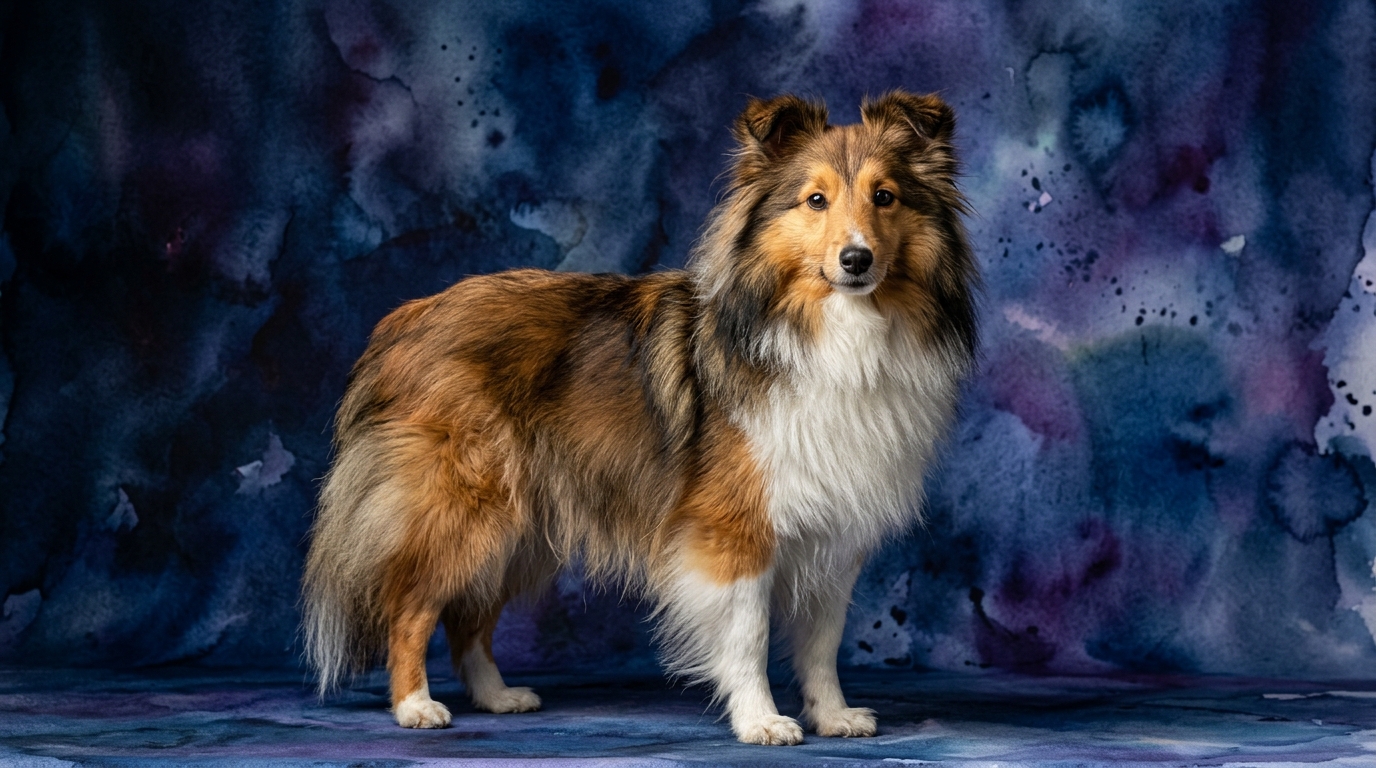
The Shetland Sheepdog, ranking #6 on Coren's scale, exhibits a cognitive profile geared for rapid processing and directed action. Their problem-solving capacity at 4/5 indicates an aptitude for navigating complex situations, while a perfect 5/5 in training speed and memory highlights their exceptional ability to acquire and retain new commands quickly. Social intelligence at 4/5 suggests a strong understanding of human cues, perfectly complementing their powerful 5/5 instinctive drive, a clear remnant of their herding heritage.
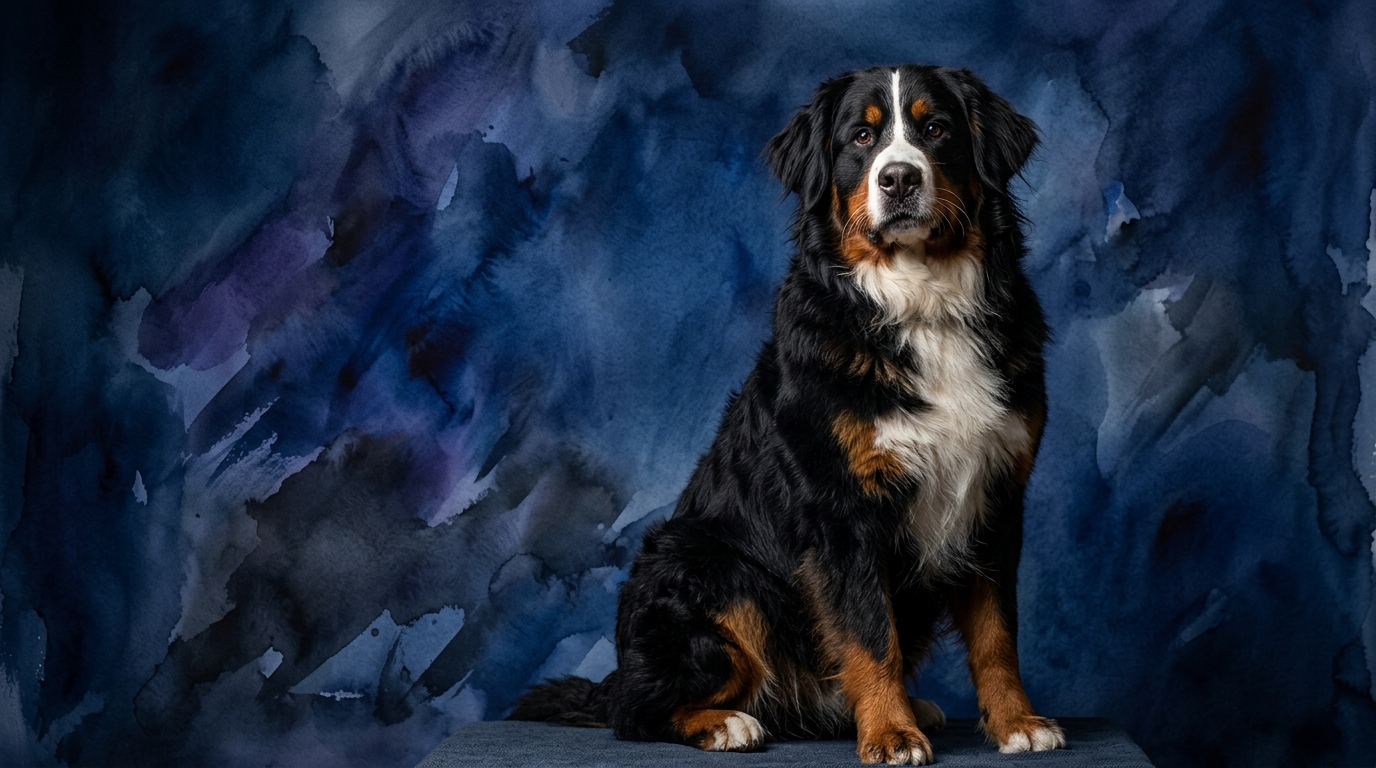
In contrast, the Bernese Mountain Dog, positioned at #27, presents a different yet equally valuable cognitive blueprint. Their problem-solving scores 3/5, suggesting a more methodical approach to novel challenges, often seeking human guidance. A training speed of 4/5 signifies a cooperative learner, though perhaps requiring more consistency than the Sheltie. Where the Berner truly excels is in social intelligence, earning a 5/5, indicating an exceptional capacity for empathetic connection and understanding human emotions. Their instinctive drive is a solid 4/5, while memory registers at 3/5, suggesting a reliable but less precise recall of intricate details compared to the Sheltie.
Shetland Sheepdog's Cognitive Edge
The Shetland Sheepdog's cognitive strengths are rooted in their ancestral role requiring quick decision-making and precise execution. Their 4/5 problem-solving score means they are adept at figuring out puzzles, navigating complex environments, or understanding multi-step requests without extensive repetition. This translates to a dog that can independently assess situations, such as finding a way to retrieve a dropped toy from an awkward spot or understanding a new gate latch.
Furthermore, their perfect 5/5 scores in training speed and memory grant them an unparalleled capacity for learning and retention. A Sheltie can often grasp a new command in just a few repetitions and reliably recall it months later. This swift comprehension, combined with a 5/5 instinctive drive, means they are not only capable of learning complex tasks but possess a strong intrinsic motivation to engage in purposeful activities. This drive often manifests as a keenness to work alongside their human, whether through advanced obedience, agility, or herding sports.
Bernese Mountain Dog's Social Acumen
While the Sheltie excels in rapid processing, the Bernese Mountain Dog's primary cognitive strength lies in its profound social intelligence, rated at a perfect 5/5. This isn't about solving complex puzzles independently, but rather about an exceptional ability to read and respond to human emotions and intentions. A Berner often seems to understand what you need or how you feel before you even fully express it, offering comfort or companionship precisely when it's most needed.
This high social intelligence translates into a deeply empathetic and cooperative nature. While their problem-solving score of 3/5 suggests they might not independently devise solutions to novel tasks as quickly as a Sheltie, their eagerness to collaborate with their human compensates for this. They are often content to follow guidance, relying on their strong bond and understanding of human cues to navigate the world. Their 4/5 instinctive drive, while not as intense as a herding dog's, supports their historical role as farm dogs, working reliably alongside people in tasks like cart pulling or guarding, driven by a desire for companionship and purpose within a social unit.
Training Trajectories: Sheltie vs. Berner
When it comes to training, the differences between these two breeds become quite pronounced. The Shetland Sheepdog, with its 5/5 training speed and 5/5 memory, is typically a dream to teach. They pick up new commands with remarkable swiftness, often requiring only a handful of repetitions before a behavior is cemented. Their excellent memory ensures that once learned, commands are not easily forgotten, making ongoing refreshers less critical for basic obedience. This combination allows for rapid progression into more complex behaviors, tricks, and dog sports.
The Bernese Mountain Dog, with a 4/5 training speed and 3/5 memory, requires a more patient and consistent approach. While cooperative and willing to learn due to their high social intelligence, they may need more repetitions to fully grasp and retain new commands. Their memory, while sufficient for daily routines, might not hold intricate sequences as firmly as a Sheltie's. Training a Berner often benefits from positive reinforcement and building a strong, trusting relationship, leveraging their desire to please their human rather than relying solely on their intrinsic cognitive speed. This means shorter, more frequent training sessions are often more effective than long, intense ones.
Matching Cognitive Profiles to Lifestyles
The Shetland Sheepdog's cognitive profile makes them an ideal match for active owners who relish mental engagement and purpose-driven activities. Their high problem-solving ability and intense instinctive drive mean they thrive when given tasks to do, whether it's agility, obedience, rally, or even complex trick training. Owners who enjoy teaching new things and providing consistent mental stimulation will find a Sheltie's quick wit and eagerness to learn incredibly rewarding. A sedentary lifestyle would likely lead to frustration for a Sheltie, potentially manifesting in undesirable behaviors due to unmet cognitive needs.
Conversely, the Bernese Mountain Dog's strong social intelligence and moderate instinctive drive make them well-suited for owners who value companionship and a steady, empathetic presence. While they still require regular exercise and mental engagement, their needs are often met through daily walks, interactive play, and simply being an integral part of family life. Their cognitive strengths lend themselves to a more relaxed pace, where their primary 'job' is often to be a devoted family member. Owners who appreciate a dog that is deeply connected to them emotionally, rather than constantly seeking complex tasks, will find the Berner's profile a perfect fit.
The Verdict
Choose a Shetland Sheepdog if you are an active owner seeking a highly responsive, quick-witted companion eager to engage in complex training, dog sports, and mental challenges.
Opt for a Bernese Mountain Dog if you prioritize deep social connection, an empathetic companion, and are prepared for consistent, patient training to nurture their cooperative nature.
🧠 Find Your Pet's IQ Score
Our Pet IQ Lab assessment covers 25+ tests across 5 cognitive dimensions — personalized to your breed.
Take the Full IQ Test →Frequently Asked Questions
Which breed is better at adapting to new situations independently?
The Shetland Sheepdog, with its 4/5 problem-solving ability, is generally more adept at independently assessing and adapting to novel situations. Their quick cognitive processing allows them to figure out solutions with less direct human intervention than a Bernese Mountain Dog.
Do these cognitive differences impact their suitability as family pets?
Yes, but not in a negative way for either. A Sheltie's cognitive profile means they thrive with families who can provide consistent mental engagement, while a Berner's strong social intelligence makes them exceptionally empathetic and patient companions, particularly good with children, provided their need for companionship is met.
How do their memory scores affect daily life and long-term training?
A Sheltie's 5/5 memory means they retain commands and routines exceptionally well, making long-term advanced training and recall very reliable. A Berner's 3/5 memory suggests they might benefit from more frequent refreshers to keep commands sharp, relying more on consistent routines and their social bond for cooperation in daily life.