Side-by-Side IQ Profile: Sheltie vs. Border Terrier
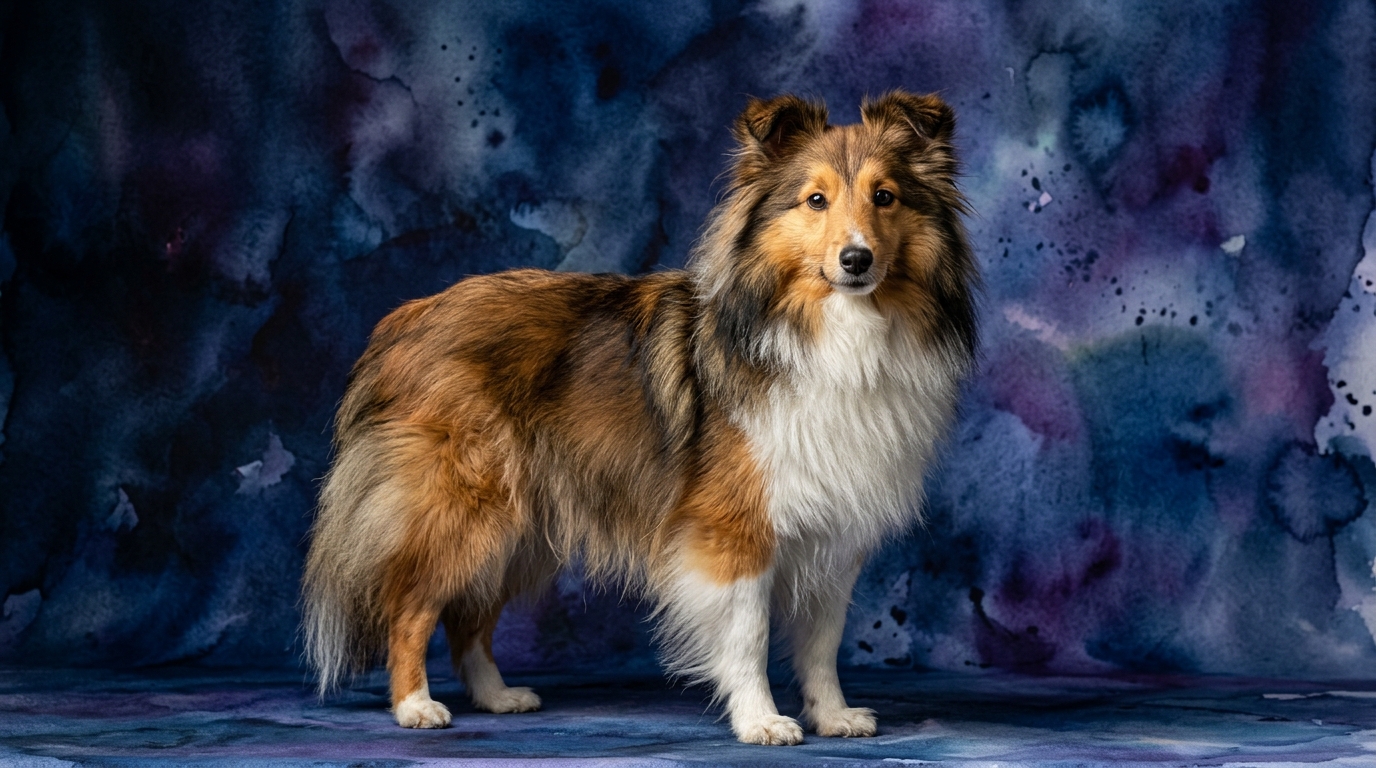
Ranking at Coren #6, the Shetland Sheepdog exhibits a remarkable cognitive profile. Their Problem Solving is rated 4/5, indicating an adeptness at deciphering complex tasks and a natural enjoyment of mental challenges, often approaching puzzles with a strategic focus. Training Speed is a standout 5/5, meaning they grasp new commands and sequences with extraordinary swiftness, driven by a strong desire to cooperate and a quick associative learning ability. With Social Intelligence at 4/5, Shelties are deeply attuned to human emotions and subtle cues, forming profound bonds and often anticipating their owner's needs with an almost intuitive understanding. Their Instinctive Drive, a perfect 5/5, is largely rooted in their herding heritage, manifesting as a keen desire for structured activity, purpose, and a precise focus on tasks. Finally, their Memory is also a 5/5, allowing them to retain a vast repertoire of commands, routines, and even specific environmental details over extended periods, making them reliable performers.
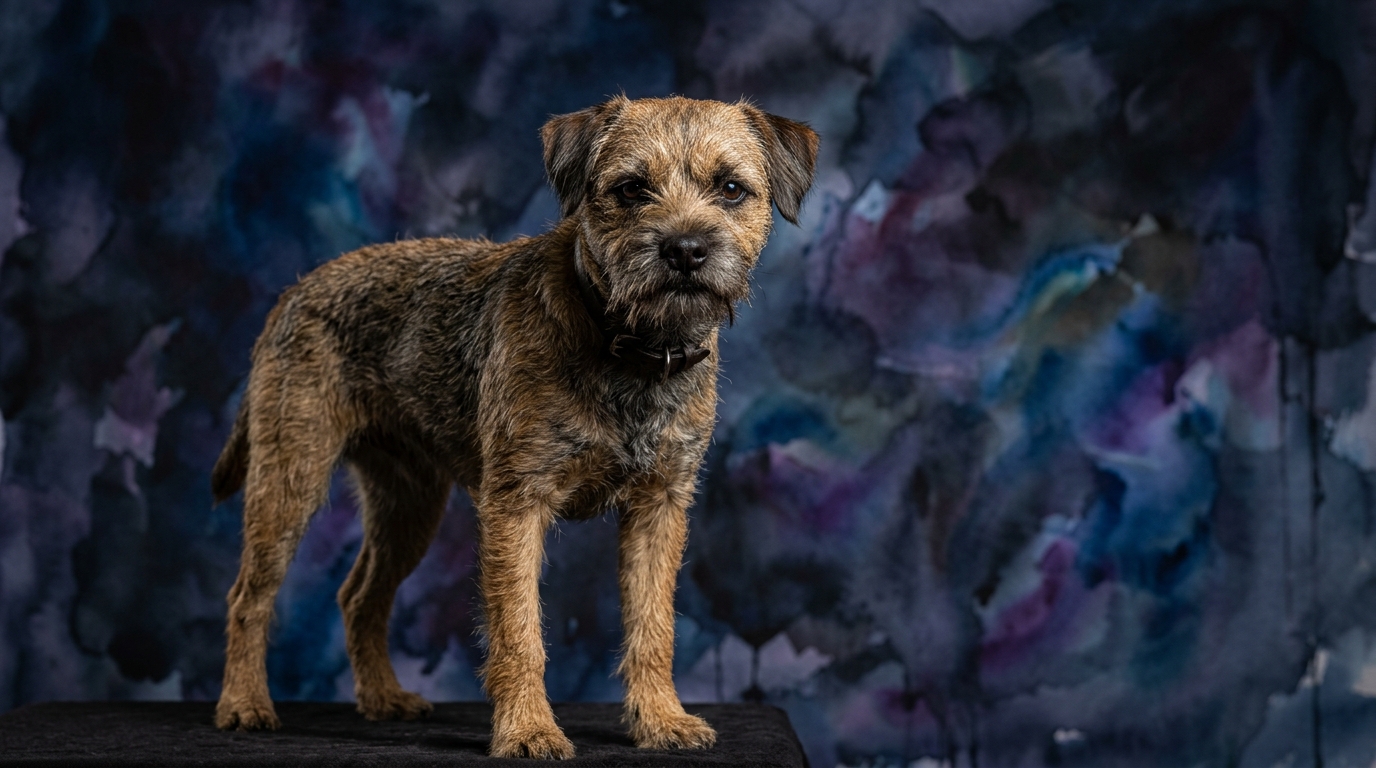
Holding a respectable Coren rank of #30, the Border Terrier presents a different, yet equally compelling, cognitive blueprint. Their Problem Solving is also 4/5, but this manifests as a tenacious and resourceful approach to overcoming obstacles, often driven by intense curiosity and a desire for independent discovery rather than cooperative task completion. Training Speed is 4/5; they learn efficiently, but their independent streak means consistent, engaging motivation is key to maintaining focus and enthusiasm during sessions. Social Intelligence at 3/5 suggests they form strong bonds with their immediate family but can be more reserved with strangers and less overtly expressive of empathy compared to some breeds, preferring a more direct interaction style. Their Instinctive Drive, 3/5, is a foundational terrier prey drive, translating into a strong, independent focus on scent and pursuit, a drive for individual success in the field. Memory is rated 4/5, indicating good retention of training and past experiences, allowing them to recall routes, boundaries, and learned behaviors effectively.
Where the Shetland Sheepdog Wins Cognitively
The Shetland Sheepdog's 5/5 Training Speed is a clear cognitive advantage. Their eagerness to engage and intrinsic motivation to work cooperatively with their handler means they assimilate complex sequences and multiple commands far quicker than many breeds. This isn't merely about basic obedience; it extends to mastering intricate agility courses, elaborate trick routines, or advanced competitive obedience exercises, often requiring significantly fewer repetitions to achieve fluid execution. This rapid learning curve makes them a joy for owners who relish teaching and developing their dog's potential.
With a perfect 5/5 in Instinctive Drive, the Sheltie's herding heritage translates into a powerful, inherent desire for structured activity and purpose. This isn't just energy; it's a cognitive predisposition to organize, gather, and respond to direction with precision. This drive makes them excel in tasks requiring focus, pattern recognition, and a collaborative effort, such as herding, rally obedience, or advanced scent work where methodical progression is key. Their minds are wired to understand and execute complex patterns of movement and control, making them exceptional partners in working disciplines.
The Sheltie’s 5/5 Memory score means they retain a vast repertoire of commands, routines, and environmental associations over extended periods. This cognitive strength allows for less frequent review of previously learned behaviors and enables them to perform intricate sequences flawlessly, even after a break. This recall ability is particularly valuable in competitive dog sports where long, complex routines must be executed precisely from memory, demonstrating a deep cognitive retention beyond simple recall.
Scoring 4/5 in Social Intelligence, Shelties often display a more nuanced understanding of human emotions and social dynamics. They are more likely to pick up on subtle shifts in tone or body language, offering comfort or adjusting their behavior based on their perception of human mood. This makes them highly empathetic companions, better at reading and adapting to their family's emotional landscape, fostering a deeper, more reciprocal bond.
Where the Border Terrier Wins Cognitively
While both breeds score 4/5 in Problem Solving, the Border Terrier's approach is distinct. Their cognitive strength lies in tenacious, independent problem-solving, often involving creative manipulation of their environment to achieve a goal. This might manifest as figuring out how to open a gate, unearth a hidden toy, or navigate a complex scent trail. Their drive isn't for cooperative task completion but for individual success in overcoming an obstacle, demonstrating a cleverness that can sometimes border on mischievous ingenuity. This self-reliant cognitive style is a hallmark of their breed.
While not a direct IQ metric, the Border Terrier's cognitive makeup imbues them with exceptional mental toughness and adaptability. Their history as working terriers, often operating independently in challenging and unpredictable terrains, has fostered a self-reliant mindset. They are less prone to anxiety in novel or chaotic situations and more likely to investigate and adapt rather than seek immediate reassurance. This cognitive resilience allows them to thrive in diverse living situations, from bustling city life to quiet rural settings, provided their needs for exercise and mental engagement are met.
Their instinctive drive, while rated 3/5 overall, is specifically geared towards independent hunting and pursuit. This translates into a deep cognitive focus when tracking a scent or pursuing a small animal, demonstrating a singular-minded determination that can be incredibly difficult to interrupt once engaged. This laser focus, though sometimes challenging for owners, is a profound cognitive strength in its original context, showcasing an ability to concentrate intensely on a specific, self-initiated task.
The Border Terrier's lower Social Intelligence (3/5) and Instinctive Drive (3/5) for cooperative tasks contribute to a greater degree of cognitive independence. This means they are often more content to entertain themselves, explore their surroundings, and make their own decisions without constant human direction. For owners who appreciate a dog with a strong, self-sufficient personality that doesn't demand constant interaction or supervision, this independent cognitive style is a definite advantage.
Which Is Easier to Train and Why
The Shetland Sheepdog generally presents as the easier breed to train, primarily due to their higher scores in Training Speed (5/5) and Social Intelligence (4/5), coupled with their strong Instinctive Drive (5/5) for cooperative work. Shelties possess an innate desire to please their handlers and a profound attentiveness to human cues. They absorb new commands quickly, often with just a few repetitions, and are highly motivated by positive reinforcement and the opportunity to engage in structured activities. Their herding background means they are predisposed to follow direction and work as part of a team, making them exceptionally responsive to guidance.
The Border Terrier, while trainable with a 4/5 in Training Speed, requires a different approach. Their social intelligence score of 3/5 suggests they are less overtly attuned to human emotional nuances, and their instinctive drive (3/5) leans more towards independent exploration and pursuit rather than collaborative effort. Border Terriers are resourceful and can learn, but their independent nature and occasional stubbornness mean training often demands more patience, consistency, and creative motivation. They are less likely to perform simply to please and more likely to engage if the task is stimulating or offers a tangible reward they value. Real behavioral differences include the Sheltie's immediate gaze focus on the handler versus the Border Terrier's tendency to follow a scent or investigate an interesting sound mid-training, requiring the owner to recapture their attention more frequently.
Which Suits Active Owners vs. Relaxed Owners
Shetland Sheepdogs are a better fit for active owners who are prepared to engage them not only physically but, more importantly, mentally. Their 5/5 instinctive drive and high training speed mean they thrive on structured activities like agility, obedience, herding trials, or even complex trick training. They need a consistent outlet for their sharp minds and abundant energy, enjoying long walks, runs, and interactive play that involves problem-solving. Owners who enjoy teaching and participating in dog sports will find a Sheltie incredibly rewarding and a true partner in their endeavors.
Border Terriers suit moderately active owners who appreciate a dog with a robust, independent spirit. While they need regular exercise to burn off energy – enjoying walks, hikes, and opportunities for scent work – their cognitive needs are often met by exploring, digging, and solving environmental puzzles rather than complex cooperative tasks. They are less demanding of constant mental instruction and more content with independent exploration and play. A relaxed owner who enjoys outdoor activities but doesn't necessarily seek a dog sports partner might find a Border Terrier more aligned with their lifestyle, provided they can manage their terrier tenacity and provide secure boundaries.
The Verdict
Opt for a Shetland Sheepdog if you're seeking a highly responsive, cooperative companion eager to learn and excel in structured activities and dog sports. They thrive with owners who can provide consistent mental engagement and appreciate a dog that is deeply attuned to their emotional state.
Select a Border Terrier if you desire a tenacious, resourceful, and independent companion that enjoys exploring and solving problems on their own terms. They suit owners who value a rugged, adaptable dog and are prepared to engage with their clever, sometimes mischievous, terrier spirit.
🧠 Find Your Pet's IQ Score
Our Pet IQ Lab assessment covers 25+ tests across 5 cognitive dimensions — personalized to your breed.
Take the Full IQ Test →Frequently Asked Questions
Are Shetland Sheepdogs good for first-time dog owners?
Yes, their high trainability and eagerness to please make them an excellent choice. Their responsiveness and quick learning curve can be very encouraging for new owners, though their need for consistent mental stimulation and structured activity shouldn't be underestimated.
Do Border Terriers need a lot of grooming?
Border Terriers have a wiry, double coat that requires minimal grooming. A weekly brush and occasional hand-stripping (typically 2-3 times a year) to remove dead hair is usually sufficient to keep their coat healthy and tidy, maintaining its weather-resistant properties.
How do their social intelligence scores impact family life?
A Sheltie's 4/5 social intelligence means they are often more empathetic and intuitive with family members, potentially anticipating needs and responding to subtle emotional cues. A Border Terrier's 3/5 score suggests they form strong bonds but may be less overtly expressive or attuned to subtle human emotional shifts, often being more independent in their interactions and requiring more direct communication.