Side-by-Side Cognitive Profiles
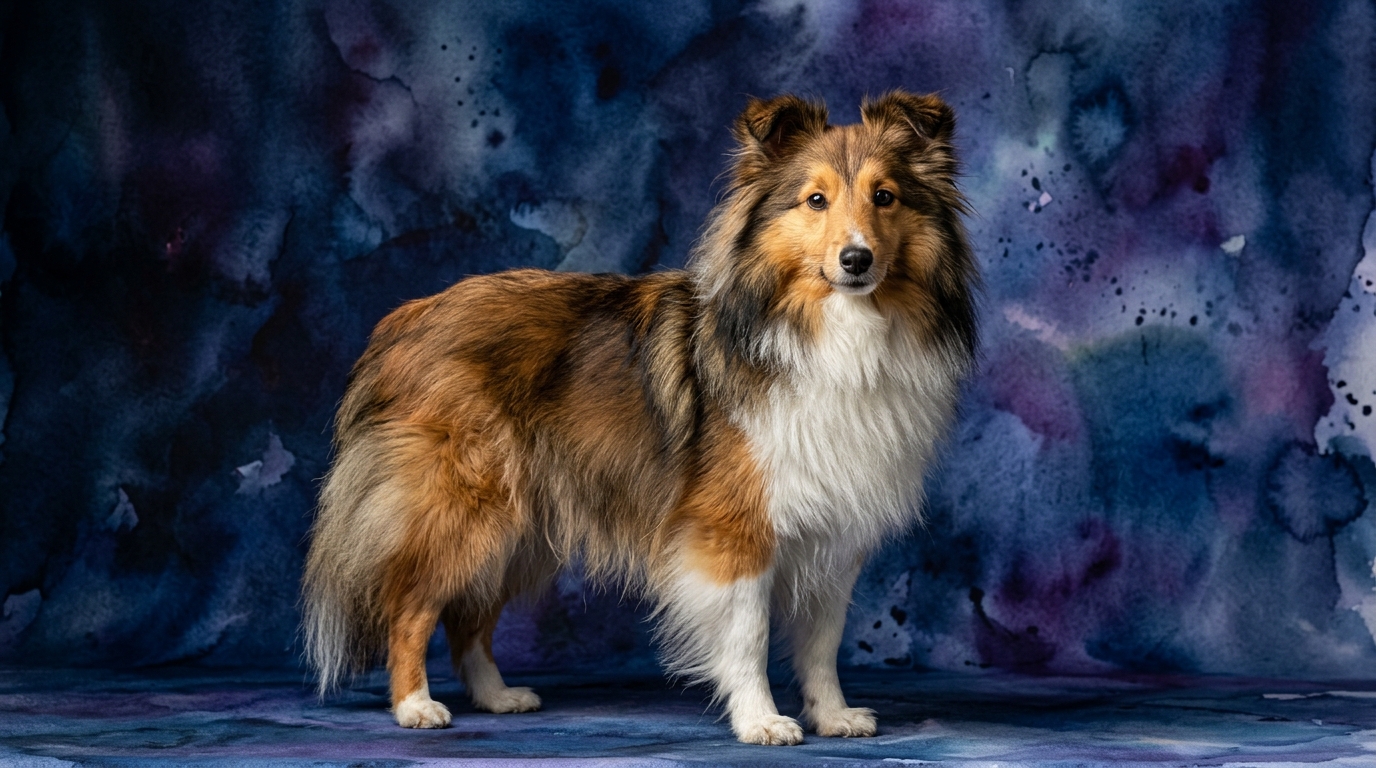
The Shetland Sheepdog, a breed rooted in herding, presents a formidable cognitive profile, reflected in its Coren rank of #6. Their problem-solving capacity, rated 4/5, indicates a robust ability to independently navigate complex situations and strategize solutions. Training speed, an exceptional 5/5, means they assimilate new commands with remarkable swiftness, often requiring minimal repetitions. Social intelligence, at 4/5, highlights their aptitude for understanding human cues and social dynamics, while their instinctive drive, a perfect 5/5, underscores their inherent motivation for purposeful activity. An equally perfect 5/5 in memory ensures their learned behaviors and experiences are retained with impressive longevity and accuracy.
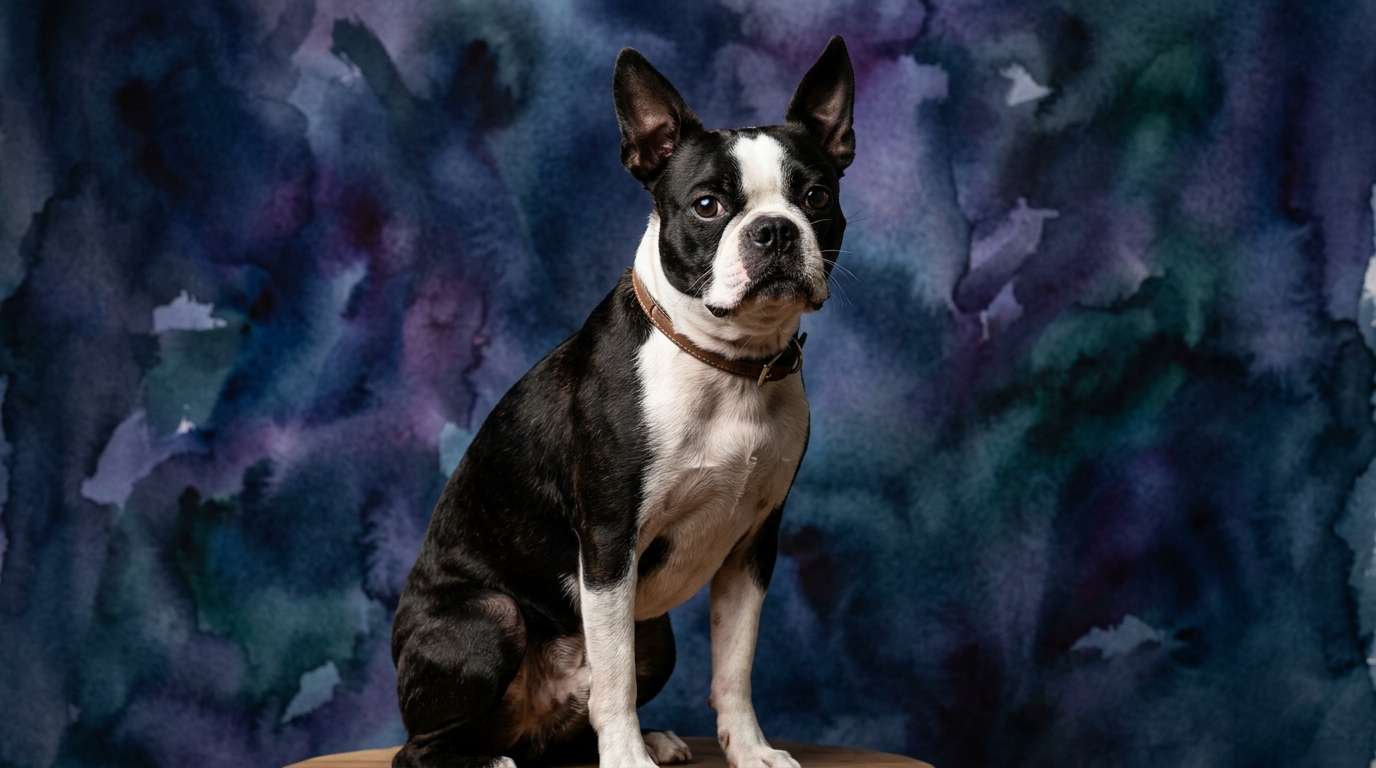
In contrast, the Boston Terrier, a non-sporting companion, occupies Coren rank #54, showcasing a different but equally valuable cognitive makeup. Their problem-solving ability, scored 3/5, suggests a moderate capacity for independent thought, capable of learning but often preferring guidance in novel situations. Training speed, also 3/5, means they learn at a steady pace, benefiting from consistent, engaging sessions. Interestingly, their social intelligence matches the Sheltie at 4/5, pointing to a strong connection with human companions. However, their instinctive drive is significantly lower at 2/5, indicating less inherent motivation for task-oriented work, while their memory stands at 3/5, solid for daily routines but perhaps not as expansive as the Sheltie's.
Shetland Sheepdog's Cognitive Edge
The Shetland Sheepdog's cognitive strengths are particularly evident in its capacity for independent thought and rapid learning. With a 4/5 rating in problem-solving, a Sheltie isn't just following commands; it's often actively analyzing its environment and devising strategies. For instance, presented with a complex puzzle toy, a Sheltie is more likely to experiment with different mechanisms and recall past successes to unlock its reward, demonstrating a proactive approach to challenges. This isn't merely trial and error; it's an application of cognitive reasoning to achieve a goal.
Furthermore, the Sheltie's unparalleled 5/5 training speed, coupled with its 5/5 memory, creates a highly efficient learning machine. A Sheltie can master an intricate agility course, remembering the sequence and specific obstacles after only a few run-throughs. This rapid acquisition and enduring retention of complex information mean less time spent on repetition and more time on advanced training or applying learned skills in diverse scenarios. Their strong instinctive drive (5/5) also means they often find the 'work' itself inherently rewarding, fostering sustained engagement in tasks.
Boston Terrier's Unique Cognitive Advantages
While the Boston Terrier's cognitive scores in areas like problem-solving and training speed are lower than the Sheltie's, their strengths lie in different, yet equally valuable, domains. The Boston's 4/5 social intelligence score, matching the Sheltie, is a significant asset. This enables them to form exceptionally deep and intuitive bonds with their human companions, often demonstrating a keen awareness of emotional states. Their cognitive approach frequently involves seeking human interaction and guidance, a testament to their strong social connection, rather than purely independent problem-solving.
The Boston Terrier's lower instinctive drive (2/5) can also be seen as a cognitive advantage for certain lifestyles. Unlike breeds with a perpetual need for a 'job,' Bostons are generally content with companionship and moderate activity. This translates to a dog that is less prone to developing destructive behaviors out of boredom when not constantly challenged with complex tasks. Their cognitive profile makes them inherently adaptable to a more relaxed home environment, thriving on affection and interaction without the intense mental stimulation demands of a working breed.
Trainability: A Tale of Two Speeds
When considering ease of training, the Shetland Sheepdog clearly takes the lead due to its exceptional 5/5 training speed and 5/5 memory. Shelties are renowned for their eagerness to learn and their ability to grasp new commands and concepts with remarkable efficiency, often after just a handful of repetitions. Their natural attentiveness, combined with a strong desire to please and their inherent working drive, makes them highly responsive students. They thrive on structured training, excelling in disciplines like obedience, rally, and agility where precision and quick, consistent responses are crucial.
The Boston Terrier, with its 3/5 training speed and 3/5 memory, requires a different approach to training. While certainly capable of learning a wide array of commands, Bostons typically need more consistent repetition and patience. Their motivation often stems strongly from positive reinforcement, such as high-value treats or enthusiastic praise, and they might have a shorter attention span for prolonged, repetitive drills. Training sessions are most effective when kept short, engaging, and fun, incorporating play to maintain their interest and capitalize on their social nature rather than relying on an innate drive for structured work.
Matching Cognition to Lifestyle
For active owners, the Shetland Sheepdog is an ideal match. Their robust problem-solving skills (4/5), intense instinctive drive (5/5), and excellent memory (5/5) mean they flourish in environments that provide consistent mental and physical challenges. Owners who enjoy dog sports, long hikes, advanced obedience training, or even simulated herding activities will find a Sheltie a deeply rewarding partner. Without sufficient engagement, a Sheltie's sharp mind and strong drive can lead to them inventing their own 'jobs,' which might manifest as excessive barking or attempts to 'herd' family members, indicating unmet cognitive needs.
Conversely, the Boston Terrier's cognitive profile makes it an excellent choice for more relaxed owners. Their lower instinctive drive (2/5) and moderate problem-solving (3/5) mean they are generally content with less structured activity and do not possess the same inherent need for complex tasks. While they certainly enjoy walks and interactive playtime, their primary fulfillment comes from companionship and close interaction with their human family, leveraging their 4/5 social intelligence. They are well-suited to apartment living and homes where daily intellectual challenges are not the primary focus, thriving on affection and a comfortable routine.
The Verdict
Choose the Shetland Sheepdog if you're an engaged owner seeking a highly trainable, driven companion for dog sports, advanced obedience, or a structured, active lifestyle where their sharp intellect can be consistently utilized.
Opt for the Boston Terrier if you desire a charming, socially adept companion who thrives on close interaction, enjoys moderate activity, and fits seamlessly into a more relaxed home environment without demanding complex mental tasks.
🧠 Find Your Pet's IQ Score
Our Pet IQ Lab assessment covers 25+ tests across 5 cognitive dimensions — personalized to your breed.
Take the Full IQ Test →Frequently Asked Questions
Do Shetland Sheepdogs require more mental stimulation than Boston Terriers?
Yes, Shetland Sheepdogs possess a higher problem-solving aptitude (4/5) and a very strong instinctive drive (5/5), meaning they genuinely need consistent mental challenges to prevent boredom. Boston Terriers, with a 3/5 problem-solving and 2/5 instinctive drive, are generally more content with moderate mental engagement.
Are Boston Terriers difficult to train due to their Coren rank?
Boston Terriers are not difficult to train, but their Coren rank of #54 and training speed of 3/5 indicate they learn at a steady pace, requiring more repetitions than breeds like the Sheltie. Consistency and positive reinforcement are key to their success, and they respond well to engaging, shorter training sessions.
How does social intelligence differ between these two breeds?
Both breeds score 4/5 in social intelligence, meaning they are adept at understanding human cues and forming strong bonds. While Shelties might apply this to working alongside their handler, Boston Terriers often express it through deep companionship and an intuitive understanding of their family's moods, making them excellent companions.