
Side-by-Side IQ Profile: Sheltie vs. Boxer
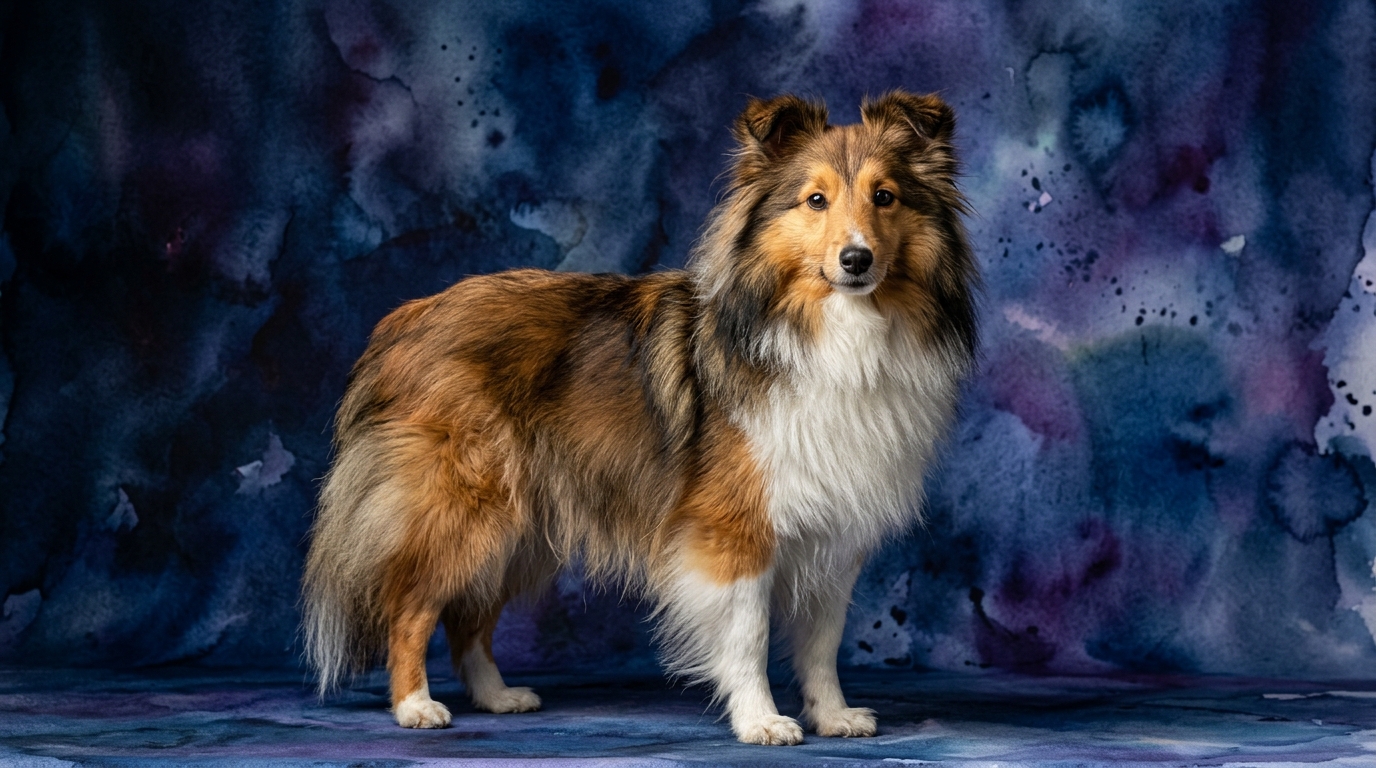
The Cosmic Pet Pet IQ Lab provides a nuanced framework for understanding canine cognition, assessing five key dimensions. For the Shetland Sheepdog, a Herding breed, its Coren rank of #6 places it among breeds demonstrating a rapid understanding of new commands and high obedience. Its IQ profile includes Problem Solving 4/5, Training Speed 5/5, Social Intelligence 4/5, Instinctive Drive 5/5, and Memory 5/5. This suggests a dog that not only learns quickly but also retains information and applies it in complex scenarios.
In contrast, the Boxer, a Working breed, holds a Coren rank of #48, indicating a moderate capacity for learning new commands and a generally good level of obedience. Its IQ profile shows Problem Solving 3/5, Training Speed 3/5, Social Intelligence 5/5, Instinctive Drive 4/5, and Memory 3/5. These metrics paint a picture of a dog whose strengths lie less in rapid rote learning and more in their interpersonal acumen and inherent drive, even if complex problem-solving requires more guidance.
Let's break down each dimension. Problem Solving refers to a dog's ability to figure out novel situations or puzzles independently. Training Speed measures how quickly a dog grasps new commands and behaviors. Social Intelligence reflects their capacity to understand human emotions and social cues. Instinctive Drive relates to their inherent breed-specific behaviors and motivation to perform tasks. Finally, Memory assesses their ability to retain learned information and experiences over time.
Where the Shetland Sheepdog Excels Cognitively
The Shetland Sheepdog's cognitive strengths are evident across multiple dimensions, particularly in its Training Speed (5/5) and Memory (5/5). This combination means a Sheltie can absorb new commands and routines with remarkable efficiency, often requiring only a handful of repetitions to solidify a behavior. Their exceptional memory ensures these learned behaviors are retained over long periods, making them ideal candidates for advanced obedience, agility, and other dog sports where precision and recall are paramount.
Their Problem Solving score of 4/5 complements this, enabling them to apply learned commands to novel situations or figure out multi-step tasks. For example, a Sheltie might quickly learn to navigate an intricate agility course after minimal instruction, or independently deduce how to open a complex puzzle toy. This capacity for independent thought and application of learned skills showcases a flexible and adaptive mind, eager to engage with intellectual challenges. Their Instinctive Drive (5/5), rooted in their herding heritage, further fuels their desire to work and respond to direction, channeling their innate behaviors into constructive tasks.
While their Social Intelligence at 4/5 is strong, it's often geared towards understanding their handler's cues and the dynamics of a 'flock' rather than the broad emotional attunement seen in some other breeds. They are perceptive to their owner's intentions and subtle body language, which is crucial for effective collaboration in working roles.
Where the Boxer Shines Cognitively
The Boxer's cognitive prowess truly stands out in its Social Intelligence, scoring a perfect 5/5. This metric signifies an unparalleled ability to interpret human emotions, social cues, and family dynamics. Boxers often display a profound empathy, sensing when their owners are upset or joyful, and responding with comforting or playful gestures. This makes them exceptional family companions, therapy dogs, and even intuitive protectors who understand subtle shifts in their environment and the people within it.
Their Instinctive Drive (4/5) is also a significant asset, translating into a strong desire to protect their family and engage in playful, energetic activities. While perhaps not as focused on intricate tasks as a herding breed, this drive ensures they are motivated to participate in family life and respond to their role as a loyal companion. This drive, combined with their social acumen, makes them incredibly responsive to positive reinforcement and connection-based training methods.
Though their Problem Solving (3/5), Training Speed (3/5), and Memory (3/5) are more moderate, these scores do not imply a lack of capability, but rather a different learning style. Boxers may require more consistent repetition and patience during training, but their deep social bond with their owners means they are highly motivated to please and cooperate once they understand what is expected. Their learning is often reinforced by the positive social interaction it brings.
Training Dynamics: Sheltie's Swiftness vs. Boxer's Steadfastness
When it comes to ease of training, the Shetland Sheepdog holds a distinct advantage due to its 5/5 Training Speed and 5/5 Memory. A Sheltie typically requires fewer repetitions to learn a new command and retains that information over extended periods. This means an owner can teach complex sequences of commands, such as those found in competitive obedience or freestyle, with relative efficiency. Their eagerness to please and high work drive mean they actively seek out opportunities to learn and perform, making training sessions engaging and productive. Owners often find Shelties pick up on subtle cues and generalize commands quickly across different environments.
The Boxer, with a 3/5 Training Speed and 3/5 Memory, presents a different training experience. While certainly trainable, they generally require more consistent repetition and patience. New behaviors might take longer to solidify, and occasional refreshers may be needed to maintain proficiency. However, their 5/5 Social Intelligence is a powerful training tool. Boxers thrive on positive reinforcement and connection with their handler; they respond best to training that fosters their bond and makes them feel like a valued part of the 'pack.' Forceful or inconsistent methods can be detrimental, but a patient, fair, and fun approach will yield a loyal, cooperative partner, even if the pace of learning is more deliberate. Their exuberance and inherent playfulness also mean training must be engaging and often incorporate movement and reward-based games.
Matching Canine Cognition to Owner Lifestyle
For active owners seeking a canine partner for sports, complex tasks, or a highly engaged intellectual companion, the Shetland Sheepdog is an excellent choice. Their high problem-solving, rapid training speed, and exceptional memory mean they thrive with consistent mental stimulation. Owners who enjoy agility, obedience trials, herding activities, or even advanced trick training will find a Sheltie to be an incredibly capable and enthusiastic participant. They require an owner who can channel their instinctive drive and sharp mind into productive outlets, preventing boredom-driven behaviors. A relaxed owner might find a Sheltie's constant need for engagement and mental work overwhelming, as under-stimulated Shelties can become restless or vocal.
The Boxer, with its robust social intelligence and moderate training metrics, is better suited for owners who prioritize a deeply affectionate, loyal, and socially attuned companion. Active owners will appreciate their playful energy for walks, runs, and games, but their cognitive profile suggests they might not be the top choice for highly competitive dog sports requiring extreme precision and rapid learning. They excel in environments where their social nature is valued, offering comfort and companionship. Relaxed owners, provided they can offer consistent, positive training and meet their exercise needs, will find a Boxer to be a devoted family member who thrives on interaction and being close to their people. Their moderate problem-solving means they are less likely to constantly seek out complex challenges independently, allowing for a more relaxed, yet still engaging, partnership.
The Verdict
Choose a Shetland Sheepdog if you seek a highly trainable, mentally agile companion eager for complex tasks and dog sports, thriving on consistent intellectual engagement and purposeful activity.
Choose a Boxer if you desire a profoundly social, empathetic, and loyal family member who excels at companionship and thrives on connection-based training, valuing affection over intricate cognitive challenges.
🧠 Find Your Pet's IQ Score
Our Pet IQ Lab assessment covers 25+ tests across 5 cognitive dimensions — personalized to your breed.
Take the Full IQ Test →Frequently Asked Questions
Are Shetland Sheepdogs good for first-time dog owners?
Shetland Sheepdogs can be excellent for first-time owners who are prepared for their significant mental and physical exercise needs. Their high trainability makes them responsive, but their sharp minds require consistent engagement to prevent boredom.
Do Boxers require a lot of exercise?
Yes, Boxers are an energetic breed that requires regular exercise to maintain their physical health and cheerful disposition. Daily walks, playtime, and opportunities to run are important to keep them happy and well-adjusted.
Which breed is better with children?
Both breeds can be good with children, but their approaches differ. Boxers, with their 5/5 social intelligence, often display a natural patience and protectiveness with children, integrating seamlessly into family dynamics. Shelties, while generally good, might be more sensitive to loud noises or boisterous play due to their herding instincts, requiring supervision.