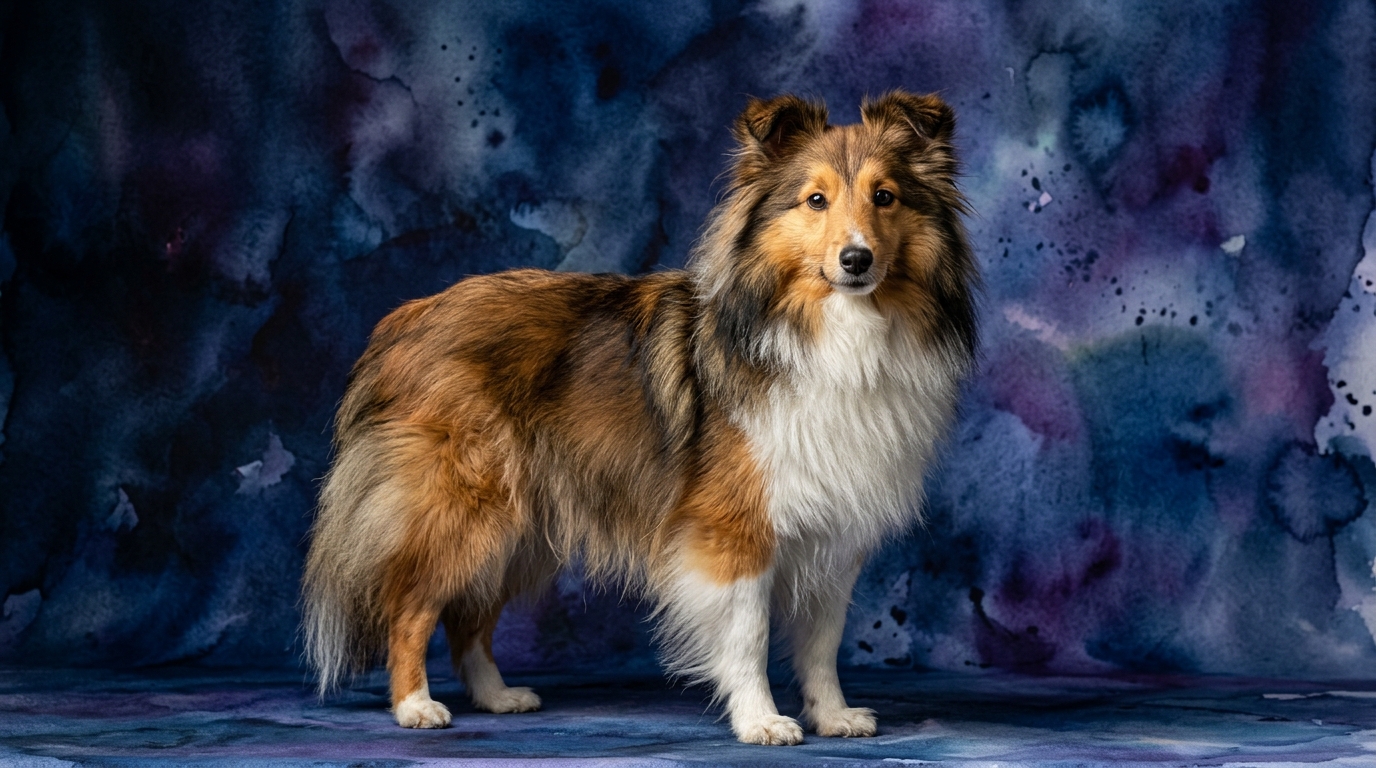

Side-by-Side IQ Profile: Shetland Sheepdog vs. Bulldog (English)
At The Cosmic Pet Pet IQ Lab, we evaluate canine intelligence across five critical dimensions to provide a nuanced understanding of each breed's cognitive architecture. For the Shetland Sheepdog, a breed rooted in herding, and the English Bulldog, a quintessential companion, these profiles paint very different pictures of mental aptitude and preference.
The Shetland Sheepdog, with a Coren rank of #6, demonstrates an exceptional cognitive toolkit. Their Problem Solving is rated 4/5, indicating a strong capacity for independent thought and navigating complex, dynamic situations, often involving anticipation and strategy. Training Speed is an impressive 5/5, meaning they grasp new commands and concepts with remarkable rapidity, requiring minimal repetition. Social Intelligence stands at 4/5, reflecting their keen ability to interpret human cues and form highly responsive, communicative bonds. An Instinctive Drive of 5/5 highlights their powerful internal motivation, particularly for tasks that engage their natural herding tendencies. Finally, their Memory is also 5/5, ensuring outstanding recall of learned behaviors, routines, and experiences over extensive periods.
In contrast, the English Bulldog, ranked #77 by Coren, presents a cognitive profile geared more towards companionship than complex task execution. Their Problem Solving is 2/5; they tend to approach challenges with a more direct, persistent, and often physical method rather than abstract reasoning. Training Speed is also 2/5, indicating that new behaviors require significant patience, consistency, and repetition to become ingrained. Social Intelligence, however, is a commendable 4/5, underscoring their capacity for deep emotional attachments and attunement to their primary caregivers' moods and presence. Instinctive Drive is 3/5, a moderate rating that often manifests as a desire for comfort, routine, and companionship rather than a strong urge for complex work. Their Memory is 2/5, meaning they retain familiar routines and beloved people well, but may struggle with extensive command vocabularies or intricate sequences of actions.
Where Shetland Sheepdog Excels Cognitively
The Shetland Sheepdog's cognitive strengths are particularly evident in areas demanding mental agility and rapid learning. Their 4/5 problem-solving score means they are adept at strategizing, learning through observation, and adapting quickly to novel situations, a trait honed by their historical role in managing unpredictable livestock. This enables them to excel in environments requiring quick thinking and independent decision-making, such as navigating complex obstacle courses in agility or anticipating changes in a herding pattern.
Their 5/5 training speed is a significant advantage, allowing them to absorb and execute a vast repertoire of commands and intricate tricks with minimal effort from their handler. This cognitive efficiency means they can master advanced obedience routines or learn new sports rapidly, thriving on the mental engagement these activities provide. Coupled with their 5/5 memory, the Shetland Sheepdog reliably retains these learned behaviors, making them consistent performers and dependable partners in various endeavors, from competitive obedience to complex service tasks. Their intense 5/5 instinctive drive further fuels this cognitive prowess, ensuring they remain highly motivated and focused on tasks that tap into their natural inclinations for organization and control.
Where Bulldog (English) Possesses Unique Cognitive Strengths
While the English Bulldog's cognitive profile differs significantly from the Sheltie's, they possess unique strengths that make them exceptional companions. Their 4/5 social intelligence is a standout feature, manifesting as profound, unwavering emotional bonds and a remarkable attunement to the emotional states of their human family. They excel not through eager participation in complex tasks, but through their ability to provide a calm, reassuring, and steadfast presence, often responding to emotional cues with quiet affection and a desire for closeness. This makes them masters of comfort and emotional support within the home.
Furthermore, while their problem-solving score is lower, the Bulldog's cognitive makeup includes a notable persistence and a placid disposition. This isn't about figuring out complex solutions, but rather a quiet determination in pursuing comfort or a desired outcome, often expressed with a stoic patience. Their ability to remain unruffled by minor disturbances or unexpected changes, a form of cognitive control, contributes to their reputation as stable, easygoing companions who bring a sense of serene calm to their environment. This unique blend of social acumen and calm persistence defines their distinctive cognitive appeal.
Which is Easier to Train and Why?
When considering ease of training, the Shetland Sheepdog unequivocally takes the lead. Their exceptional training speed (5/5), combined with a powerful desire to engage and please, means they grasp new commands and concepts almost instantly. This rapid learning curve is a direct result of their herding ancestry, where quick responsiveness to nuanced cues and independent problem-solving were crucial for managing livestock. Shelties thrive on mental stimulation and positive reinforcement, often viewing training as an engaging partnership, eagerly anticipating the next challenge.
The English Bulldog, conversely, presents a more significant training challenge due to their lower training speed (2/5) and different motivational drivers. They require immense patience, consistency, and a highly rewarding, positive reinforcement approach. Their cognitive focus is less on eager task execution and more on comfort and personal preference. While they can and do learn, the process is slower, demanding more repetitions and creative motivation to maintain their interest. Handlers must understand that a Bulldog's 'stubbornness' is often a reflection of their cognitive preference for efficiency and comfort over performing complex, repetitive tasks without clear, immediate rewards.
Which Suits Active Owners vs. Relaxed Owners?
The choice between these breeds hinges significantly on an owner's lifestyle and energy levels. Active owners, those who enjoy consistent engagement, outdoor adventures, and mental challenges, will find an ideal match in the Shetland Sheepdog. Their high instinctive drive and cognitive capacities demand regular mental and physical exercise. They flourish in activities like agility, competitive obedience, herding trials, or even long, engaging hikes that allow them to use their intellect and boundless energy. An owner prepared to provide consistent stimulation and opportunities for their Sheltie to 'work' will see this breed thrive.
For relaxed owners, those seeking a calm, steadfast companion content with a more leisurely pace of life, the English Bulldog is an excellent fit. Their moderate energy levels and strong preference for comfort and routine make them ideal companions for quieter homes. They are generally content with moderate, regular walks for exercise and plenty of time to relax and bond with their family. Owners who appreciate a devoted presence and a placid demeanor without the demand for intense daily activities will find the Bulldog's temperament perfectly aligns with their lifestyle.
The Verdict
Choose the Shetland Sheepdog if you seek an intellectually engaged, highly trainable companion eager for consistent mental and physical challenges, and who thrives on a strong working partnership.
Choose the English Bulldog if you desire a devoted, calm, and steadfast companion who thrives on routine, comfort, and a relaxed lifestyle, valuing emotional presence over complex training endeavors.
🧠 Find Your Pet's IQ Score
Our Pet IQ Lab assessment covers 25+ tests across 5 cognitive dimensions — personalized to your breed.
Take the Full IQ Test →Frequently Asked Questions
Do Shetland Sheepdogs need a 'job' to be content?
Yes, their high instinctive drive and problem-solving abilities mean they benefit greatly from engaging activities that mimic their herding past or provide consistent mental stimulation like puzzle toys, advanced obedience, or dog sports.
Are English Bulldogs genuinely stubborn during training?
Their lower training speed and different motivational drivers can make them appear stubborn, but with consistent, positive reinforcement and patience, they can learn commands effectively, albeit at their own pace and often with a focus on immediate rewards.
How do their social intelligences compare in a family setting?
Both breeds form deep family bonds. Shetland Sheepdogs are often more demonstrably responsive and attuned to subtle cues, eager to participate, while English Bulldogs express social intelligence through calm, loyal presence and affection, often enjoying simply being close by.