Side-by-Side IQ Profile: Herding Wit vs. Guardian Discernment
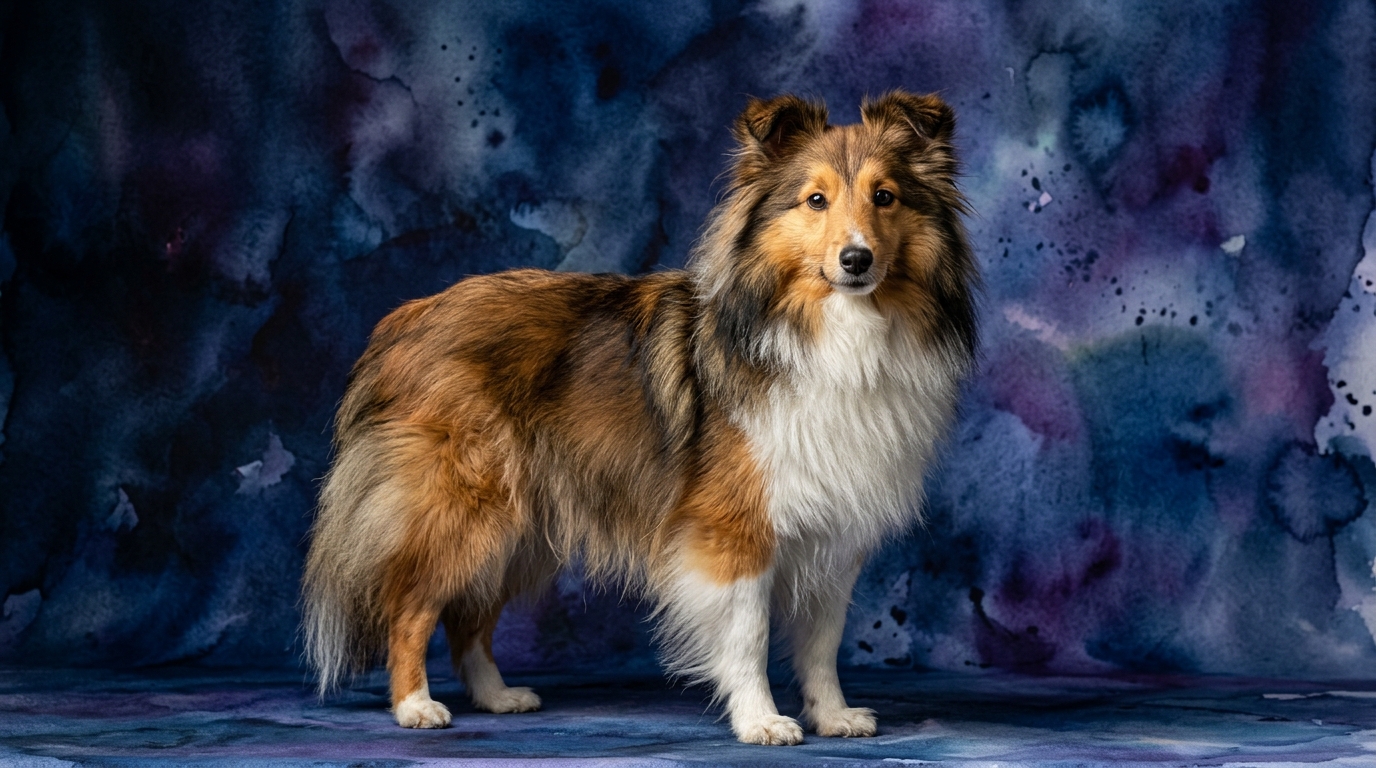
The Cosmic Pet Pet IQ Lab's framework provides a granular look at five key cognitive dimensions. For the Shetland Sheepdog, recognized with a Coren rank of #6, their profile is marked by exceptional scores: Problem Solving 4/5, Training Speed 5/5, Social Intelligence 4/5, Instinctive Drive 5/5, and Memory 5/5. This paints a picture of a canine designed for rapid learning, intricate task execution, and keen environmental awareness, all crucial for their historical role in managing livestock.
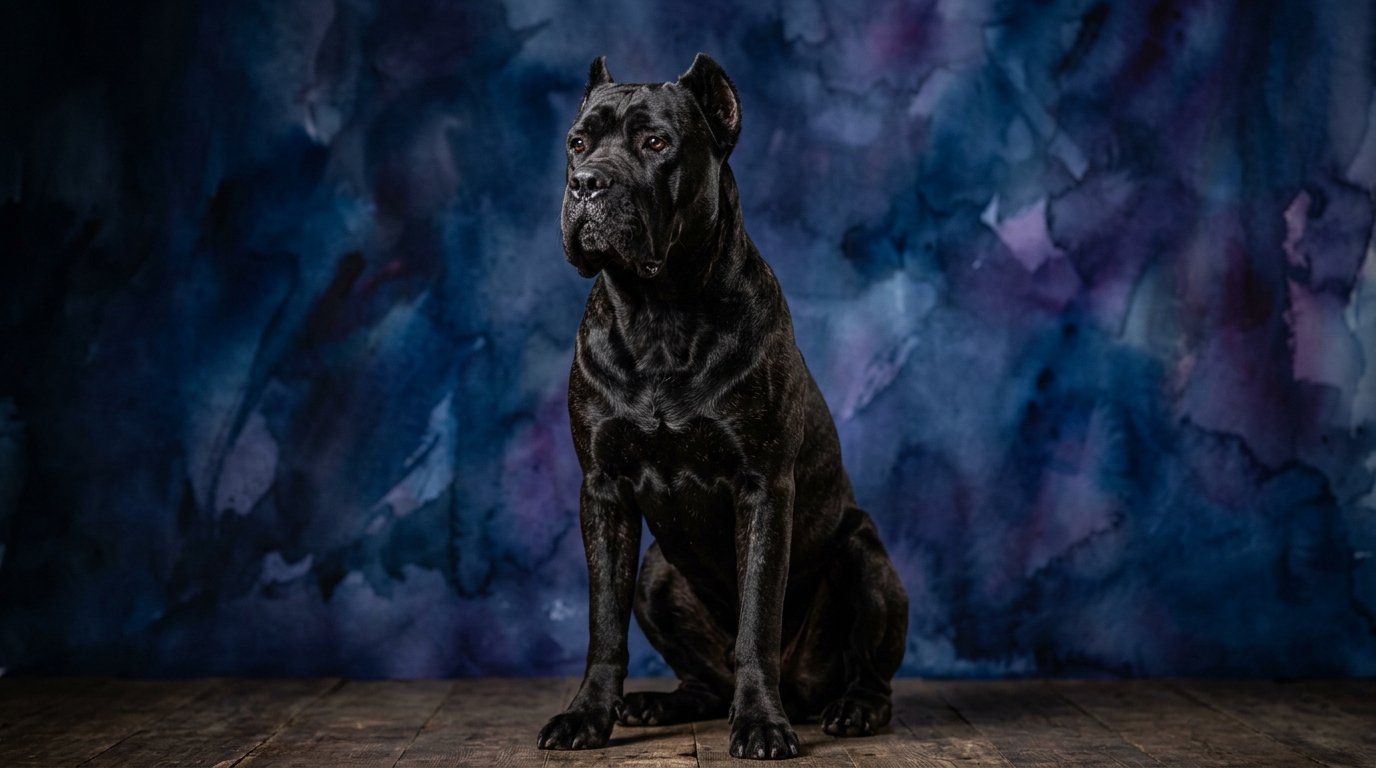
In contrast, the Cane Corso, a robust Working breed not listed in Coren's ranking, presents a more moderate yet equally purposeful cognitive blueprint: Problem Solving 3/5, Training Speed 3/5, Social Intelligence 3/5, Instinctive Drive 3/5, and Memory 3/5. These scores suggest a dog whose cognitive strengths lie not in lightning-fast reactions or complex multi-step routines, but in steady assessment, focused determination, and a measured approach to their duties, reflecting their heritage as protectors and companions.
The divergence in these profiles is significant, highlighting how evolutionary pressures and specific job requirements have sculpted the cognitive machinery of each breed. While the Sheltie excels in areas demanding agility of thought and quick adaptation, the Cane Corso demonstrates a more deliberate, enduring cognitive style, optimized for vigilance and protective duties rather than intricate problem-solving games or rapid-fire obedience sequences.
Where the Shetland Sheepdog Excels Cognitively
The Shetland Sheepdog's cognitive strengths are undeniably rooted in their herding lineage, where quick thinking and responsiveness are paramount. Their Problem Solving score of 4/5 indicates a significant capacity for navigating novel situations and devising solutions, whether it's figuring out how to retrieve a dropped toy from an awkward spot or understanding complex sequences in agility courses. This isn't just about following commands; it's about processing information and making decisions.
A Training Speed of 5/5 means the Sheltie picks up new commands and behaviors with remarkable alacrity. They often require fewer repetitions than many other breeds to grasp a concept, making them a joy for owners interested in advanced obedience, trick training, or dog sports. Coupled with a Memory score of 5/5, once a Sheltie learns something, it tends to stick, allowing for a vast repertoire of learned behaviors over their lifetime.
Their Social Intelligence (4/5) and Instinctive Drive (5/5) also contribute to their cognitive prowess. The high social intelligence allows them to read human cues and intentions effectively, fostering a deep partnership in training and daily life. The pronounced instinctive drive, while requiring appropriate outlets, fuels their engagement and provides a strong intrinsic motivation for tasks that mimic herding or problem-solving, further enhancing their cognitive engagement and learning.
Where the Cane Corso Demonstrates Unique Cognitive Strengths
While the Cane Corso's scores might appear lower on a general scale, their cognitive attributes are optimally adapted for their specific role as a guardian. Their Problem Solving score of 3/5, for instance, isn't about solving complex puzzles quickly, but rather about a measured, practical assessment of their environment. This manifests as a discerning ability to evaluate potential threats or changes in their territory, making deliberate, rather than impulsive, decisions regarding security.
The Cane Corso's Social Intelligence of 3/5 is not a deficit, but a specialization. Unlike breeds eager to engage universally, the Cane Corso's social cognition is geared towards loyalty and discernment. They form strong bonds with their immediate family, exhibiting a profound understanding of their household dynamics, while maintaining a more reserved or cautious stance towards strangers. This selective social intelligence is a cognitive asset for a protector, allowing them to accurately differentiate between friend and perceived foe.
Their Instinctive Drive (3/5) also reflects a controlled intensity. It's not a constant, high-energy urge to perform, but a deeper, more enduring drive to protect and oversee. This measured drive, combined with their Memory (3/5), means they retain crucial information about their environment and the people within it, applying a consistent and reliable protective vigilance rather than a reactive, easily distracted approach. Their cognitive strength lies in steady focus and unwavering commitment to their assigned duty.
Training Ease: A Tale of Two Temperaments
When it comes to ease of training, the data strongly favors the Shetland Sheepdog. Their Training Speed of 5/5 means they are highly receptive to instruction, often picking up new commands after just a few repetitions. This, coupled with their 5/5 Memory, ensures that once a behavior is learned, it's firmly established. Owners will find Shelties generally eager to please and quick to offer behaviors, making positive reinforcement a highly effective and rewarding method.
The Cane Corso, with a Training Speed of 3/5 and Memory of 3/5, requires a different approach. They will likely need more repetitions and consistent reinforcement to solidify new commands. Their training journey demands patience, clarity, and unwavering consistency from their owner. While capable of learning a wide range of commands, their learning curve is more gradual, and their adherence to commands might be more contingent on the perceived relevance or the strength of their bond with the trainer, reflecting their independent nature.
Real behavioral differences are evident: a Sheltie might pick up a new agility sequence in a few sessions, driven by their instinctive desire to work and problem-solve. A Cane Corso might take several weeks to reliably master a complex obedience routine, requiring the owner to build motivation through strong leadership and clear, consistent expectations, focusing on practical, reliable responses rather than flashy speed.
Matching Breeds to Lifestyles: Active Engagement vs. Steady Companionship
The cognitive profiles of these breeds directly influence the type of owner and lifestyle they thrive in. The Shetland Sheepdog, with its high Problem Solving (4/5), Instinctive Drive (5/5), and Memory (5/5), is an ideal companion for active owners who relish engaging their dog's mind as much as their body. They excel in dog sports like agility, obedience, rally, and even herding trials, requiring consistent mental stimulation to prevent boredom and channeling their innate drives constructively. Owners who enjoy teaching tricks, puzzle toys, and daily interactive play will find a Sheltie to be an incredibly fulfilling partner.
Conversely, the Cane Corso's more moderate cognitive scores (all 3/5) suggest a different fit. While they still require regular exercise and mental engagement, it's often less about fast-paced problem-solving and more about purposeful activity and focused companionship. They suit owners who appreciate a steady, deliberate presence and are prepared to provide consistent, calm leadership. Their ideal owner is someone who values a vigilant protector and loyal family member, understanding that their mental exercise might involve patrolling the yard, discerning visitors, or simply being a focused, attentive presence during family activities, rather than constant high-intensity training sessions.
Ultimately, an active owner seeking a co-pilot for intellectual challenges and dynamic activities will find the Sheltie incredibly rewarding. A relaxed owner, or one seeking a steadfast, protective companion who thrives on structure and clear guidance, will find the Cane Corso's cognitive makeup aligns perfectly with their desire for a deliberate and devoted family guardian.
The Verdict
Choose the Shetland Sheepdog if you seek a highly trainable, mentally agile companion for dog sports, complex tricks, and an engaging, active partnership.
Opt for the Cane Corso if you desire a discerning, protective family guardian who thrives on consistent leadership, purposeful activity, and a steady, devoted presence.
🧠 Find Your Pet's IQ Score
Our Pet IQ Lab assessment covers 25+ tests across 5 cognitive dimensions — personalized to your breed.
Take the Full IQ Test →Frequently Asked Questions
Which breed is better for first-time dog owners?
The Shetland Sheepdog's higher training speed and eagerness to please generally make them a more forgiving and adaptable choice for first-time owners who are committed to providing mental and physical stimulation. The Cane Corso's need for firm, consistent leadership might be more challenging for a novice.
Do Cane Corsos need a lot of mental stimulation?
Yes, Cane Corsos require mental stimulation, but it differs from a Sheltie's needs. Their stimulation often revolves around their guardian instincts, requiring clear boundaries, consistent training, and opportunities to 'patrol' or observe their environment purposefully, rather than constant puzzle-solving or rapid learning games.
How do their social intelligence differences impact household dynamics?
The Sheltie's higher social intelligence (4/5) generally means they are more open and adaptable to new people and situations, fitting well into busy households. The Cane Corso's more selective social intelligence (3/5) means they form deep bonds with their family but can be reserved with strangers, requiring careful socialization to ensure they are discerning guardians rather than overly suspicious.