Side-by-Side IQ Profiles: The Cosmic Pet Pet IQ Lab Assessment
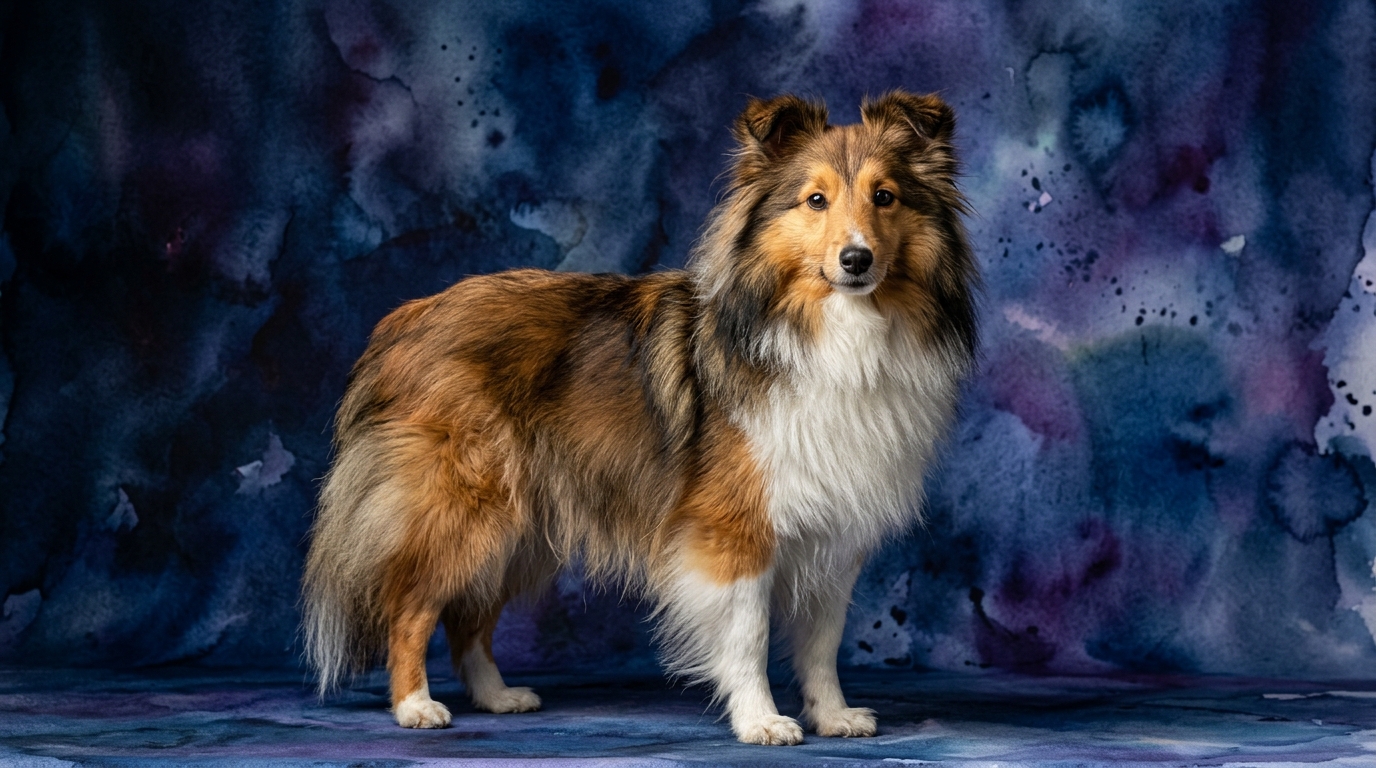
The Shetland Sheepdog, a breed with a Coren rank of #6, exhibits a robust cognitive profile tailored for intricate tasks and close partnership. Their Problem Solving is rated 4/5, indicating a strong capacity to analyze novel situations and devise effective solutions, often demonstrating ingenuity in navigating complex environments or understanding new concepts. Training Speed is an exceptional 5/5, reflecting their eagerness to learn and retain commands rapidly, making them highly responsive to instruction and capable of mastering a vast repertoire of behaviors. Social Intelligence stands at 4/5, meaning they are adept at reading human cues, understanding social dynamics within a household, and forming deep, empathetic bonds. Their Instinctive Drive, scored at 5/5, highlights their powerful innate desire to herd, work, and engage in purposeful activities, requiring significant mental and physical outlets. Finally, their Memory is also 5/5, allowing them to recall a wide array of commands, routines, and experiences with remarkable accuracy over extended periods.
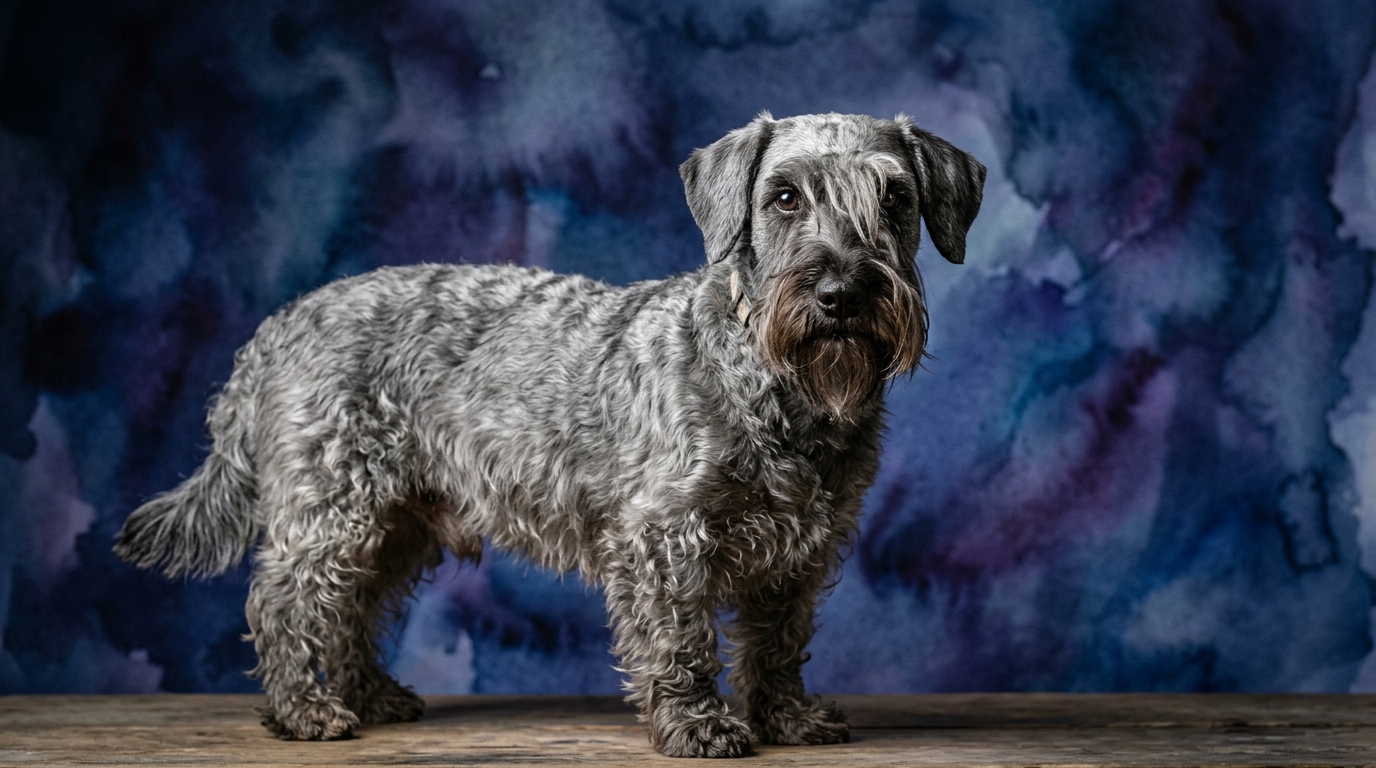
In contrast, the Cesky Terrier, a non-Coren-ranked breed from the Terrier group, presents a different cognitive blueprint, one suited for independent action and persistent pursuit rather than complex collaboration. Their Problem Solving registers at 3/5, suggesting they can tackle practical challenges, particularly those related to their terrier heritage like locating quarry, but may not exhibit the same level of abstract reasoning or strategic planning as a Sheltie. Training Speed is 3/5, indicating a moderate pace for learning new commands; they are certainly trainable, but may require more repetition and patience compared to breeds with higher scores. Social Intelligence is also 3/5, implying they are generally amiable but might be less attuned to subtle human emotional shifts or less inclined to constant interaction, often preferring a degree of independence. Their Instinctive Drive is 3/5, reflecting a focused, persistent drive for hunting and digging tasks, but less of an overarching need for constant work direction than a high-drive herding dog. Lastly, their Memory is 3/5, sufficient for retaining essential routines and a moderate number of commands, though perhaps not the extensive vocabulary a Sheltie can manage.
Where the Shetland Sheepdog Excels Cognitively
The Shetland Sheepdog's cognitive advantages are evident across nearly all assessed dimensions. Their 4/5 Problem Solving and 5/5 Memory mean they can quickly grasp complex sequences and adapt to new training challenges with impressive speed. For instance, a Sheltie can swiftly learn multi-step agility courses, understand intricate obedience routines, or even pick up on subtle changes in an owner's routine and anticipate needs. Their 5/5 Training Speed allows them to absorb new commands and behaviors in very few repetitions, making them ideal for advanced dog sports like competitive obedience, rally, or herding trials where precision and rapid learning are paramount. Coupled with a 4/5 Social Intelligence, Shelties are highly receptive to human communication, often anticipating intentions and responding with a nuanced understanding that goes beyond rote commands. This allows them to function as true partners, capable of sophisticated communication and collaborative problem-solving, such as navigating a crowded park while staying perfectly attuned to their handler's subtle body language.
Where the Cesky Terrier's Cognitive Profile Shines
While the Cesky Terrier's scores are more moderate, their cognitive profile offers distinct advantages for owners seeking a different type of canine companion. Their 3/5 Instinctive Drive, while lower than a Sheltie's, signifies a focused tenacity for specific tasks without the overwhelming need for constant mental engagement. This means a Cesky Terrier can be content with less structured 'work' and is less likely to invent its own 'jobs' if under-stimulated, a common trait in high-drive breeds. Their 3/5 Problem Solving, though not as broad, is highly effective within their niche; they are adept at persistent, independent problem-solving related to exploring and investigating, such as figuring out how to access a hidden scent or navigate varied terrains during a walk. This independence, partially stemming from their 3/5 Social Intelligence, means they are less prone to separation anxiety and can be more self-reliant, offering a robust companion for owners who appreciate a dog with a strong sense of self and less constant need for human direction or validation. Their memory and training speed, while moderate, are perfectly adequate for house manners and a solid foundation of basic commands, making them manageable without requiring an extensive training commitment.
Training Dynamics: Sheltie's Eagerness vs. Cesky's Persistence
When it comes to ease of training, the Shetland Sheepdog clearly holds an advantage due to its remarkable 5/5 Training Speed and 4/5 Social Intelligence. Shelties are often described as 'velcro dogs' due to their desire to please and their close bond with their owners. This translates into an eagerness to learn and a high responsiveness to cues, making them incredibly rewarding to train through positive reinforcement. They pick up new commands with minimal repetition and are highly motivated by praise and interaction, making complex training tasks feel like a collaborative game. Their strong memory (5/5) ensures that once a behavior is learned, it is retained reliably.
The Cesky Terrier, with a 3/5 Training Speed and 3/5 Social Intelligence, requires a different approach. They are certainly trainable, but their terrier independence means they may not always prioritize human directives over their own instincts. Training a Cesky often involves more patience, consistency, and finding high-value motivators to capture their attention. They might not learn as quickly as a Sheltie, and their moderate memory means refreshers might be more frequent for less commonly used commands. Their strong, albeit moderate (3/5), instinctive drive means they can be persistent in their own pursuits, sometimes requiring firm but fair guidance to redirect their focus from digging or scent-following to the training task at hand. Behavioral differences include the Sheltie's natural inclination to 'check in' with their handler versus the Cesky's tendency to explore independently, which needs to be managed during recall training.
Suitability for Active vs. Relaxed Owners
The cognitive profiles of these two breeds naturally align with different owner lifestyles. The Shetland Sheepdog, with its 5/5 Instinctive Drive, 5/5 Training Speed, and 4/5 Problem Solving, thrives with active owners who can provide consistent mental and physical stimulation. They require daily engagement that goes beyond a simple walk, benefiting immensely from activities like agility, obedience, rally, or even herding games that tap into their innate drives and problem-solving abilities. Owners who enjoy teaching new tricks, participating in dog sports, or simply engaging in interactive play that challenges their dog's mind will find a Sheltie to be an incredibly fulfilling partner. A relaxed owner who cannot meet these needs might find a Sheltie becoming restless or inventing their own, potentially undesirable, forms of entertainment.
Conversely, the Cesky Terrier, with its 3/5 scores across the board for instinctive drive, problem-solving, and social intelligence, is a better fit for owners who appreciate a more relaxed, yet still engaged, companion. While they still need regular exercise and mental stimulation to prevent boredom, their needs are less intense and constant than a Sheltie's. They are content with daily walks, opportunities to sniff and explore, and moderate play sessions. Their independent nature means they can be comfortable amusing themselves or relaxing quietly when their owner is busy, making them suitable for individuals who lead a less dog-centric lifestyle but still want a loyal and characterful companion. They are not high-strung and generally adapt well to a quieter home environment, provided their basic needs for exercise and companionship are met.
The Verdict: When to Choose Each Breed
The Verdict
Choose the Shetland Sheepdog if you are an active owner eager to engage in advanced training, dog sports, and daily mental challenges with a highly collaborative and responsive canine partner.
Opt for the Cesky Terrier if you appreciate an independent, persistent companion for moderate activity, a dog that is content with less constant human direction but still enjoys exploring and a secure, comfortable home life.
🧠 Find Your Pet's IQ Score
Our Pet IQ Lab assessment covers 25+ tests across 5 cognitive dimensions — personalized to your breed.
Take the Full IQ Test →Frequently Asked Questions
How does the Shetland Sheepdog's high instinctive drive manifest in daily life?
A Sheltie's 5/5 instinctive drive means they have a strong innate desire to herd and work. This often translates into a need for purposeful activities, a tendency to 'gather' family members, or a keen interest in engaging in interactive games that mimic herding behaviors, requiring owners to provide ample mental and physical outlets to prevent boredom.
Can a Cesky Terrier be trained for advanced tasks despite its moderate training speed?
Yes, a Cesky Terrier can certainly learn advanced tasks, but it will likely require more patience, repetition, and creative motivation compared to a Sheltie. Their persistence (even with a moderate problem-solving score) can be an asset, but owners should be prepared for a slower learning curve and a need for consistent reinforcement.
Which breed is generally more affectionate towards their owners?
The Shetland Sheepdog, with its 4/5 social intelligence, generally forms very strong, empathetic bonds and tends to be more overtly affectionate, often seeking close physical proximity and interaction. The Cesky Terrier, with 3/5 social intelligence, is loyal and affectionate but often expresses it with more independence, appreciating companionship without constant demand for attention.