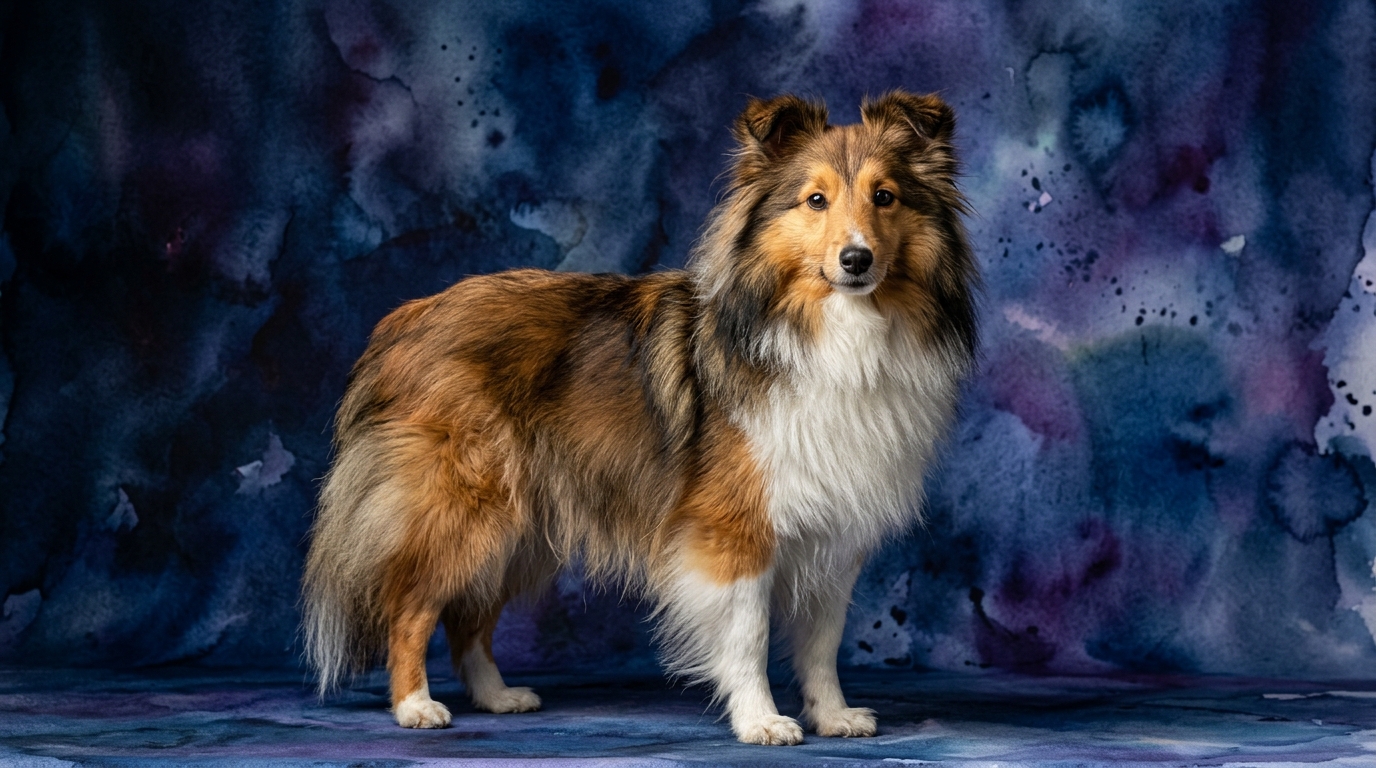

Side-by-Side IQ Profile: Sheltie vs. Crested
At The Cosmic Pet Pet IQ Lab, we assess canine intelligence across five key dimensions. For the Shetland Sheepdog, a breed Coren-ranked #6, its profile is geared towards complex tasks and cooperative work. Its Problem Solving is rated 4/5, indicating an adeptness at navigating intricate environments and understanding multi-step commands. Training Speed is an exceptional 5/5, meaning rapid acquisition of new behaviors. Social Intelligence is 4/5, showcasing a keen sensitivity to human cues. An Instinctive Drive of 5/5 highlights its strong herding legacy and desire to work, complemented by a Memory score of 5/5 for excellent retention of tasks and interactions.
The Chinese Crested, a Toy breed not listed in Coren's rankings, presents a cognitive profile more aligned with companionship and comfort. Its Problem Solving is 3/5, capable of practical solutions but less inclined towards intricate puzzles. Training Speed is 3/5, indicating a moderate learning pace requiring consistent repetition. Social Intelligence is 3/5, signifying a deep connection with its immediate family but perhaps less broad environmental interpretation. An Instinctive Drive of 3/5 suggests moderate task-oriented motivation, with Memory also at 3/5, retaining familiar routines adequately but less so for complex sequences.
Where the Shetland Sheepdog Excels Cognitively
The Shetland Sheepdog's cognitive strengths are particularly pronounced in its capacity for rapid learning, robust memory, and dedicated task orientation. Their remarkable training speed (5/5) means they assimilate new commands and intricate sequences with minimal repetition, often appearing to anticipate their handler's next instruction. This swift acquisition of information makes them prime candidates for advanced obedience, agility, and competitive herding trials, where precision and quick responses are paramount. This exceptional learning ability is underpinned by a powerful, inherent instinctive drive (5/5) to work and focus, a direct legacy of their herding ancestry. This drive translates into an eager willingness to engage in structured activities and follow direction. Furthermore, their superior memory (5/5) allows them to retain complex routines, elaborate command sets, and even subtle environmental cues over extended periods, making them incredibly reliable and consistent partners. This combination of traits also contributes to their 4/5 problem-solving ability, enabling them to independently navigate novel challenges and adapt learned behaviors to new situations.
Where the Chinese Crested Excels Cognitively
While the Chinese Crested may not boast the high scores of the Shetland Sheepdog across all cognitive dimensions, their intelligence profile presents a distinct set of advantages perfectly tailored for their role as dedicated companions. Their problem-solving ability, rated 3/5, is practical and often directed towards achieving comfort, security, or close proximity to their owners. For instance, they might cleverly figure out how to burrow under blankets for warmth or gently nudge a hand for attention. Their social intelligence, also 3/5, manifests as a profound emotional connection and a finely tuned sensitivity to their immediate family's moods and needs, making them incredibly empathetic and responsive pets. They excel in understanding the social dynamics within their small human pack, prioritizing affection and intimate interaction over complex task execution. The moderate instinctive drive (3/5) is a significant cognitive “win” for owners seeking a calm, present companion; it means they are not constantly seeking a “job” or exhibiting intense working behaviors. Instead, they are content with a more relaxed, companion-focused existence, requiring less mental stimulation directed at complex tasks and more at consistent social bonding and comfort. This profile makes them less prone to boredom behaviors stemming from unfulfilled working drives, offering a serene and devoted presence in the home.
Training Ease: Sheltie vs. Crested
The Shetland Sheepdog is demonstrably easier to train, primarily due to its exceptional training speed (5/5), powerful instinctive drive (5/5), and superior memory (5/5). Shelties possess an innate eagerness to learn and please, often picking up new commands after just a few repetitions. Their strong herding drive translates into a natural focus and desire to work collaboratively with their handler, making them highly responsive to guidance and direction. For instance, a Sheltie will typically master “sit,” “stay,” and even more complex sequences like retrieving specific objects with minimal effort, often seeking out opportunities to perform for rewards or praise. This high cognitive absorption rate allows for rapid progress in diverse training disciplines. In contrast, the Chinese Crested, with its 3/5 ratings across these dimensions, requires more patience, consistency, and highly motivating rewards during training. While certainly trainable for basic manners and house-training, they might take more repetitions to solidify a command, and their moderate instinctive drive means they are less inherently motivated by task completion and more by personal comfort or social interaction. This difference means a Sheltie might excel in intricate multi-step tasks and advanced competitive sports, while a Crested will thrive with positive reinforcement for foundational behaviors and social cues, albeit at a more deliberate pace.
Matching Cognitive Needs to Owner Lifestyles
The Shetland Sheepdog, with its robust instinctive drive (5/5), high problem-solving ability (4/5), and excellent memory (5/5), is an ideal match for active owners who relish engaging their dog in various mentally stimulating activities. These dogs thrive on having a purpose and a “job,” whether it's participating in agility, competitive obedience, herding, or even complex trick training and canine freestyle. Their cognitive profile demands consistent mental and physical exercise to prevent boredom and channel their considerable energy constructively, making them perfect for individuals or families who enjoy structured training sessions, long walks with varied environments, and interactive puzzle toys that challenge their intellect. Conversely, the Chinese Crested, characterized by its moderate scores (3/5 across the board), is better suited for more relaxed owners or those living in smaller spaces. Their cognitive needs are less about intense, task-oriented work and more about consistent social interaction, warmth, and comfortable companionship. While they certainly enjoy short, gentle walks and indoor playtime, their primary desire is to be physically close to their human family. Owners who prefer a calm home environment and derive joy from a dog that is content to cuddle on the couch, rather than constantly seeking a “job,” will find the Crested's gentle and affectionate disposition perfectly aligned with their lifestyle.
The Verdict
Choose a Shetland Sheepdog if you're an active owner seeking a highly trainable, intelligent partner for advanced obedience, dog sports, or a working role. Their robust cognitive abilities and eagerness to learn make them ideal for those who enjoy consistent mental engagement and structured activities with their canine companion.
Opt for a Chinese Crested if you desire a devoted, emotionally attuned companion who thrives on close social bonds and a more relaxed lifestyle. Their moderate cognitive needs mean they are content with less intense mental stimulation, prioritizing comfort and affection within their family unit.
🧠 Find Your Pet's IQ Score
Our Pet IQ Lab assessment covers 25+ tests across 5 cognitive dimensions — personalized to your breed.
Take the Full IQ Test →Frequently Asked Questions
Are Shetland Sheepdogs good with children?
Shetland Sheepdogs, with their 4/5 social intelligence, are generally good with children, often displaying patience and a protective instinct, though their herding drive might lead to gentle nipping at heels if not managed. Early socialization and training are key to ensuring positive interactions with younger family members.
Do Chinese Cresteds require a lot of exercise?
Chinese Cresteds have moderate exercise requirements (aligned with their 3/5 instinctive drive), enjoying short daily walks and indoor play rather than strenuous activities. Their needs are more focused on companionship and comfort, making them suitable for apartment living or owners with less active lifestyles.
What kind of mental stimulation do Chinese Cresteds need?
Chinese Cresteds primarily benefit from mental stimulation through social interaction, gentle puzzle toys, and positive reinforcement training for basic manners. Their 3/5 problem-solving and memory scores mean they enjoy engaging their minds in playful, low-pressure ways that reinforce their bond with their owner.