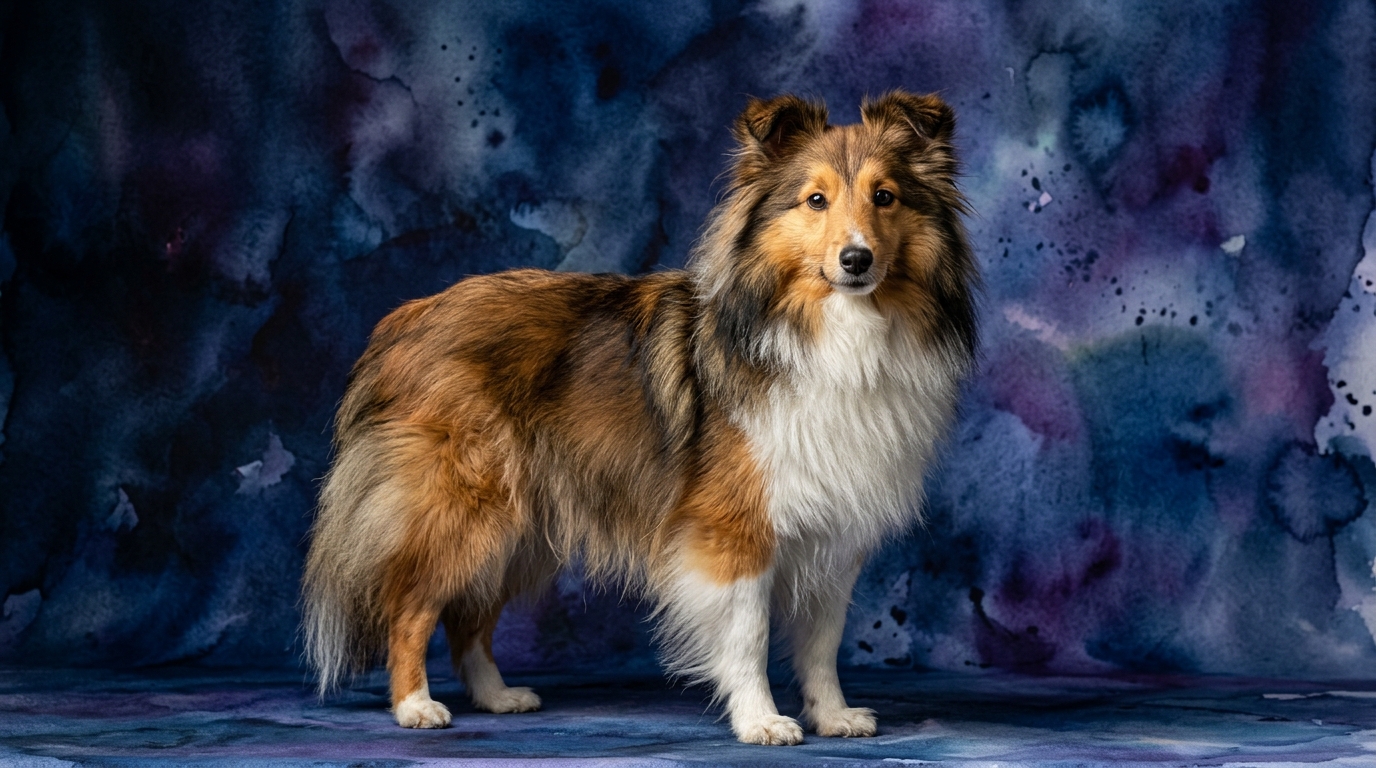
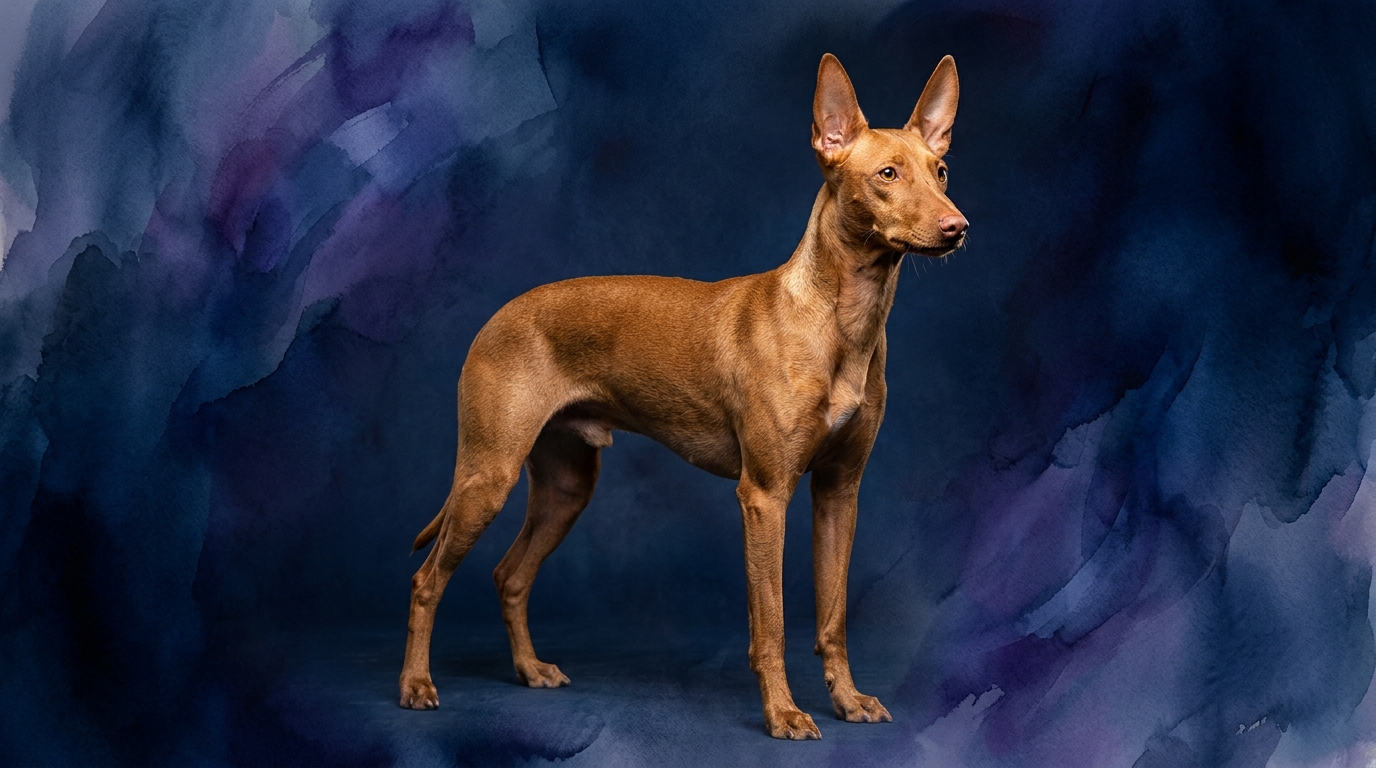
Side-by-Side IQ Profile: Sheltie vs. Cirneco dell'Etna
The Shetland Sheepdog, a member of the Herding group, consistently demonstrates a robust cognitive architecture, placing it at Coren rank #6. Its problem-solving abilities are rated at 4/5, indicating a strong capacity for navigating complex scenarios and figuring out solutions independently, often involving spatial reasoning or understanding cause-and-effect. Training speed is exceptional at 5/5, reflecting a deep eagerness to learn and rapidly associate commands with actions. Social intelligence, at 4/5, points to a nuanced understanding of human cues and emotional states, fostering strong bonds and cooperative behaviors. An instinctive drive of 5/5 underscores its inherent motivation for work and purpose, often manifesting as a desire to herd or engage in structured tasks. Finally, its memory is rated 5/5, suggesting an excellent retention of learned behaviors, routines, and experiences, crucial for intricate herding patterns and multi-step commands.
In contrast, the Cirneco dell'Etna, a spirited member of the Hound group, presents a different cognitive blueprint and is not currently Coren-ranked. Its problem-solving capacity is rated 3/5, suggesting it can resolve issues but often through more instinctual or trial-and-error methods, particularly those related to its hunting heritage like tracking or pursuit. Training speed stands at 3/5, indicating a moderate pace of learning, often requiring more repetition and motivational consistency due to its independent nature. Social intelligence is also 3/5, meaning it forms bonds and understands human interactions, but perhaps with a more reserved or less overtly cooperative demeanor compared to the Sheltie. Its instinctive drive, at 3/5, is strongly geared towards independent hunting and sensory exploration, rather than human-directed tasks. Memory, rated 3/5, is sufficient for basic commands and routines, but may not retain complex sequences with the same precision as a herding breed.
Where the Shetland Sheepdog Wins Cognitively
The Shetland Sheepdog excels in areas demanding intricate mental processing and a strong partnership with humans. Its superior problem-solving (4/5) shines in agility courses or obedience trials, where it deciphers novel obstacles and sequential commands with impressive speed. This isn't just about brute force intelligence, but a refined ability to analyze situations and adapt. The Sheltie's training speed (5/5) is a clear cognitive advantage, allowing it to master a vast repertoire of commands and tricks quickly, absorbing new information with minimal repetition. This rapid acquisition makes them highly adaptable to various training disciplines, from advanced obedience to service work. Furthermore, its memory (5/5) allows for consistent performance of complex routines and a reliable recall of past lessons, ensuring a dependable and predictable learning trajectory. Its social intelligence (4/5) also means it actively seeks to understand and respond to human intentions, making it a highly responsive and empathetic partner in cognitive tasks.
Where the Cirneco dell'Etna Wins Cognitively
While the Cirneco dell'Etna's cognitive profile differs from the Sheltie's, it possesses distinct intellectual strengths rooted in its ancient sighthound heritage. Its problem-solving (3/5) is particularly effective when driven by its senses, excelling at tasks requiring independent thought to track or locate prey using sight and scent. This isn't about solving human-designed puzzles, but efficiently navigating natural environments to achieve a goal. The Cirneco's instinctive drive (3/5) is a win in its own right, as it fuels a strong, self-directed motivation for activities like lure coursing or exploring vast spaces. This independent drive means it doesn't always require human direction to find fulfillment, a cognitive trait that appeals to owners who appreciate a dog with strong personal initiative. Its social intelligence (3/5), while perhaps less effusive than a Sheltie's, allows it to form deep, affectionate bonds on its own terms, thriving in a relationship built on mutual respect for its independent spirit, rather than constant instruction.
Which is Easier to Train and Why
When it comes to ease of training, the Shetland Sheepdog holds a significant advantage. Its exceptional training speed (5/5) means it grasps new commands and concepts with remarkable rapidity, often requiring only a few repetitions before a behavior is learned. This is underpinned by its strong instinctive drive (5/5) to cooperate and work alongside its human, a characteristic deeply ingrained from generations of herding. Shelties are typically eager to please and highly motivated by praise and rewards, making them responsive to various training methods. Their strong memory (5/5) ensures that once a lesson is learned, it tends to stick, leading to consistent performance over time. A Sheltie's typical behavior includes attentiveness and a desire for structured interaction, which simplifies the training process for most owners.
The Cirneco dell'Etna, conversely, presents a more nuanced training experience. Its training speed (3/5) is moderate, meaning it will learn, but often requires more patience, consistency, and positive reinforcement than a Sheltie. Its instinctive drive (3/5) is primarily geared towards independent hunting and exploration, which means it may not possess the same inherent desire to perform human-directed tasks. This independence can manifest as a selective hearing or a tendency to follow its nose or eyes rather than a command, particularly in distracting environments. Real behavioral differences include a lower inherent motivation for constant human engagement during training sessions, preferring to engage on its own terms. While capable of learning, owners must understand that a Cirneco's focus can be more challenging to capture and maintain, demanding creative and engaging training approaches that respect its sighthound nature.
Which Suits Active Owners vs. Relaxed Owners
The Shetland Sheepdog, with its high mental and physical energy, is ideally suited for active owners. Its 5/5 instinctive drive means it thrives on having a job, whether that's herding, agility, obedience, or even complex trick training. These dogs require consistent mental stimulation to prevent boredom and channel their problem-solving (4/5) and memory (5/5) into productive outlets. An owner who enjoys daily structured activities, engaging training sessions, and has the time to dedicate to a highly interactive companion will find the Sheltie incredibly rewarding. They are not content to be mere couch potatoes and will actively seek engagement, making them a poor fit for truly relaxed owners who prefer minimal daily interaction beyond basic care. Their social intelligence (4/5) also means they thrive on close human companionship and participation in family activities.
The Cirneco dell'Etna, while not a 'relaxed' dog in terms of physical activity, suits owners who appreciate a dog with a strong independent streak and a different kind of mental engagement. Its instinctive drive (3/5) for running and exploring means it needs regular, vigorous exercise, making it suitable for active owners who enjoy activities like running, hiking, or lure coursing. However, its lower social intelligence (3/5) and training speed (3/5) suggest it doesn't demand constant human-directed mental work in the same way a Sheltie does. An owner who understands and respects a sighthound's propensity for independent thought and action, and who can provide ample physical outlets without needing a dog to constantly 'check in' mentally, would be a good match. They can be wonderfully affectionate but are often more self-sufficient in their mental pursuits, making them suitable for active owners who might be described as 'relaxed' in their approach to demanding constant cognitive interaction.
The Verdict
Choose the Shetland Sheepdog if you desire a highly trainable, responsive, and cooperative canine partner eager for complex mental challenges and constant interaction. Their exceptional memory and drive for structured work make them ideal for various dog sports and active family life.
Opt for the Cirneco dell'Etna if you appreciate a spirited, independent sighthound that excels in sensory-driven tasks and requires vigorous physical outlets, but with a less demanding need for constant human-directed cognitive engagement. Their unique intelligence thrives when given freedom to explore and follow their instincts.
🧠 Find Your Pet's IQ Score
Our Pet IQ Lab assessment covers 25+ tests across 5 cognitive dimensions — personalized to your breed.
Take the Full IQ Test →Frequently Asked Questions
Is the Shetland Sheepdog a good choice for first-time dog owners?
Yes, their high trainability and eagerness to please make them an excellent choice for first-time owners who are committed to providing consistent training and mental stimulation. Their cooperative nature helps new owners succeed in building a strong bond and understanding canine behavior.
Do Cirneco dell'Etna dogs require a lot of exercise?
Absolutely, the Cirneco dell'Etna requires significant daily exercise to satisfy its sighthound instincts, including opportunities for running in a secure area. Without adequate physical activity, their independent nature can lead to restlessness or undesirable behaviors.
How do their social intelligence ratings impact household dynamics?
The Sheltie's 4/5 social intelligence means they are often highly attuned to family emotions and thrive on being involved in daily activities, making them very integrated family members. The Cirneco's 3/5 social intelligence indicates they form strong bonds but might display affection more subtly and appreciate personal space, making them well-suited for households that respect their independent nature.