Side-by-Side IQ Profile
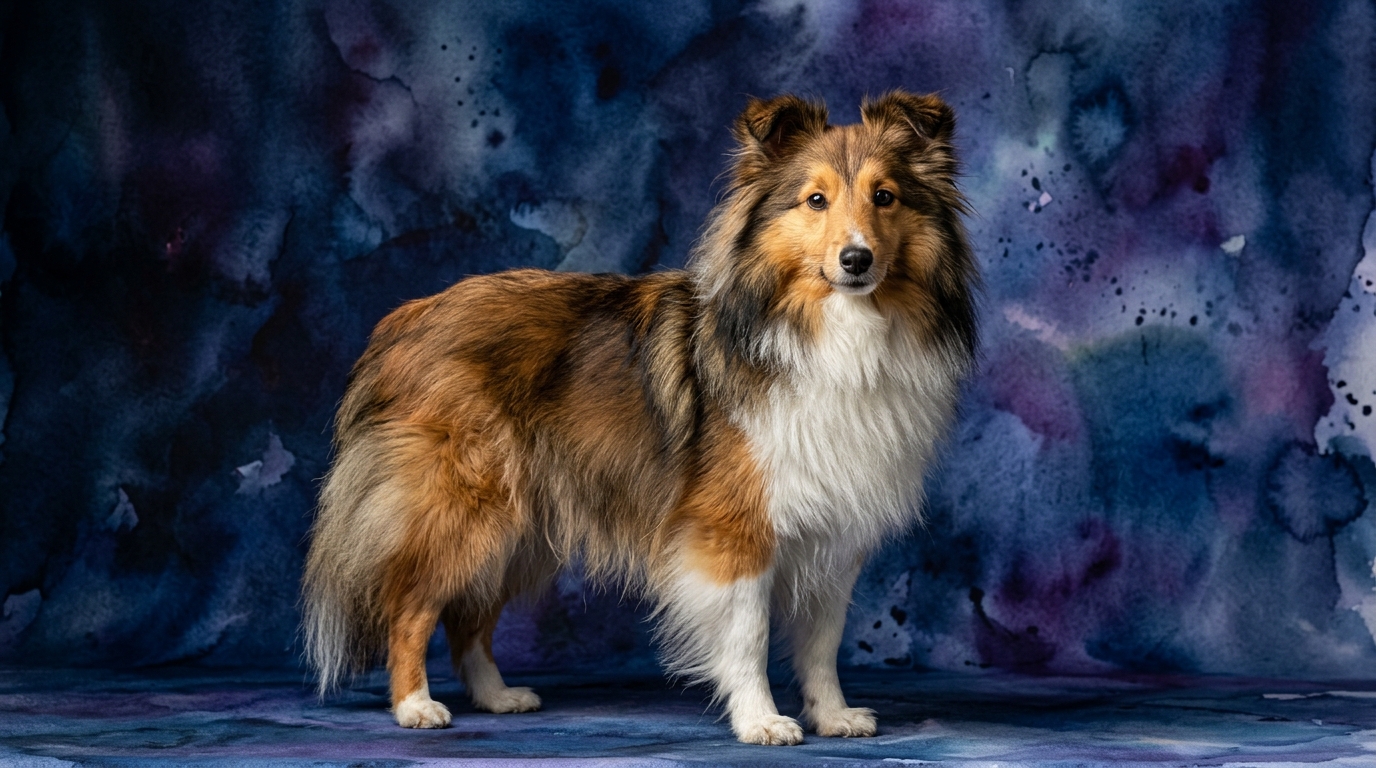
The Shetland Sheepdog, ranking #6 in Coren's intelligence scale, demonstrates a Problem Solving score of 4/5, often devising strategies to achieve goals, whether navigating complex agility courses or outsmarting a gate latch. Their Training Speed is an exceptional 5/5, indicating an eagerness to learn and retain commands rapidly, often grasping new concepts in very few repetitions. With a Social Intelligence of 4/5, Shelties possess a keen awareness of human cues and emotional states, forming deep bonds, though they can be reserved with strangers. Their Instinctive Drive is a powerful 5/5, manifesting as a desire to gather and control movement, translating into intense focus during tasks. Finally, their Memory is a perfect 5/5, recalling learned behaviors, commands, and experiences with remarkable fidelity over extended periods.
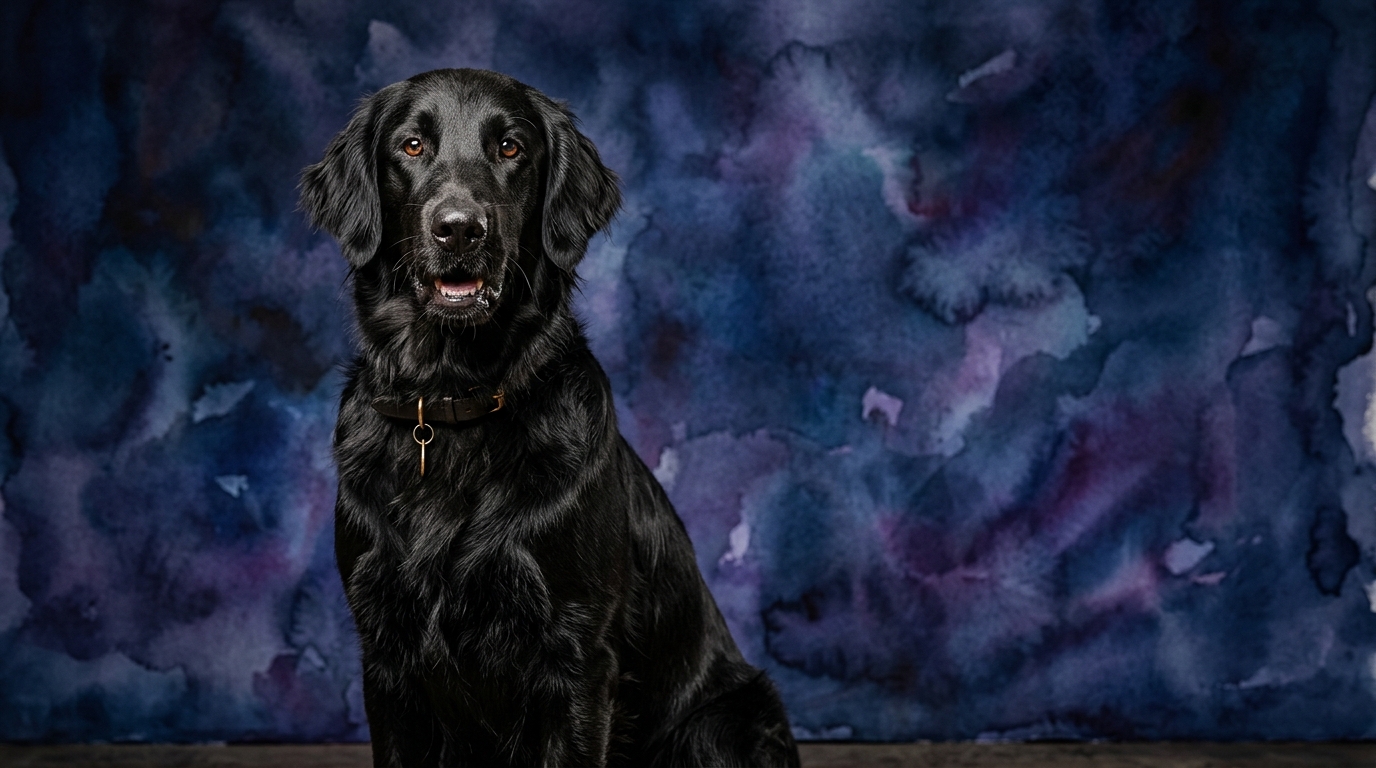
The Flat-Coated Retriever, holding Coren's #17 rank, also scores 4/5 in Problem Solving, capably analyzing situations, particularly in tasks related to their retrieving heritage like locating hidden objects. Their Training Speed is a solid 4/5, meaning they learn new tasks efficiently and respond well to positive reinforcement, though they might require slightly more repetitions than the most rapid learners. Social Intelligence for the Flat-Coat is 3/5; they engage warmly and display an outgoing demeanor but may not pick up on subtle human emotional shifts with the same nuance as a herding breed. Their Instinctive Drive is a moderate 3/5, encompassing a love for games of fetch and working with a handler, but it is less intense and pervasive than the Sheltie's herding impulse. Like the Sheltie, their Memory is 5/5, effectively retaining information, routines, and past interactions, supporting consistent behavior and the learning of complex sequences.
Where Shetland Sheepdog Wins Cognitively
The Sheltie's cognitive edge is most apparent in its Training Speed (5/5) and Instinctive Drive (5/5). Their inherent desire to work collaboratively and their rapid acquisition of new commands make them incredibly pliable in structured training environments. This isn't just about obedience; it extends to complex tasks like competitive obedience, agility, and even service dog work where precision and quick learning are paramount. Their potent herding drive translates into an intense focus and a natural inclination to respond to direction, effectively turning that instinct into a powerful training tool. While both breeds score 4/5 in Problem Solving, the Sheltie's cognitive problem-solving often manifests in intricate pattern recognition and quick adaptation to changing instructions, a direct benefit of their herding lineage requiring rapid decision-making to manage livestock. Their higher Social Intelligence (4/5 vs 3/5) also means they are often more attuned to human emotional states and subtle body language, allowing for a deeper, more nuanced communication during training and daily life. This sensitivity can make them more responsive to handler feedback and more adept at adjusting their behavior based on perceived human reactions.
Where Flat-Coated Retriever Wins Cognitively
While the Sheltie shines in rapid-fire learning, the Flat-Coated Retriever offers a different, equally valuable cognitive profile. Their Problem Solving at 4/5, combined with a robust Memory (5/5), makes them particularly adept at tasks requiring sustained effort and recall, especially those involving scent work or retrieving. A Flat-Coat will methodically work through a complex retrieve, remembering the fall of a dummy and the terrain, often demonstrating a cheerful persistence that can outlast other breeds. This isn't about quick, reactive decisions, but rather a deliberate, joyful application of their cognitive resources to achieve a goal. Their moderate Instinctive Drive (3/5) is a strength in scenarios where an overwhelming herding instinct might be a distraction. It means their focus, while strong, is more easily directed towards a variety of tasks beyond herding, making them versatile companions for activities like hiking, swimming, and general family life without the constant need to "manage" an intense drive. Furthermore, their Social Intelligence, while rated 3/5, translates into an inherently outgoing and less reserved nature compared to the Sheltie, making them typically more instantly welcoming and less prone to shyness with new people or experiences. This open social disposition means they are often more adaptable to varied social settings without requiring extensive desensitization.
Which Is Easier to Train and Why
Based on The Cosmic Pet Pet IQ Lab's metrics, the Shetland Sheepdog (Training Speed 5/5) generally presents as an easier breed to train compared to the Flat-Coated Retriever (Training Speed 4/5). The Sheltie's exceptional eagerness to please and their ability to grasp new commands with minimal repetitions mean they progress rapidly through training stages. Their intense focus, fueled by a high instinctive drive, allows them to maintain concentration on tasks, making them highly receptive to instruction. For instance, a Sheltie might pick up a complex multi-step obedience routine in a fraction of the time it takes a Flat-Coat. Conversely, while the Flat-Coat learns efficiently, their training often benefits from a slightly more patient and playful approach. Their joyful, sometimes boisterous nature means they can be prone to momentary distractions, requiring a handler to maintain engagement with enthusiasm and positive reinforcement. A Flat-Coat's training might feel more like a fun game, whereas a Sheltie often approaches it with a serious, almost academic precision. Their memory scores are identical (5/5), meaning both breeds retain what they learn, but the initial acquisition speed differs. The Sheltie's higher Social Intelligence also means they are often more attuned to their handler's subtle cues and desires, further streamlining the training process.
Which Suits Active Owners vs. Relaxed Owners
Both breeds thrive with active engagement, but their preferred activities and intensity levels differ, making them suitable for distinct types of active owners. The Shetland Sheepdog, with its strong Instinctive Drive (5/5) and high Training Speed (5/5), thrives with owners who relish structured, mentally stimulating activities like competitive dog sports, agility, obedience, or herding trials. They demand consistent mental engagement and physical exertion to prevent boredom, which can manifest as undesirable behaviors such as excessive barking or nervous habits. An owner who enjoys teaching intricate tricks, practicing complex routines, and dedicating time to daily focused training sessions will discover a Sheltie to be an exceptionally rewarding and eager partner. For owners seeking a truly relaxed canine companion, the Sheltie's intense cognitive needs and drive might prove overwhelming and lead to an unfulfilled dog.
The Flat-Coated Retriever, while undeniably active, possesses a more moderate Instinctive Drive (3/5) and an inherently joyful, outgoing temperament (Social Intelligence 3/5). They are superb companions for active owners who appreciate outdoor adventures like long hikes, swimming excursions, or enthusiastic games of fetch in spacious parks. Their strong problem-solving skills (4/5) and excellent memory (5/5) make them proficient in scent work or retrieving games, yet they don't typically require the same rigorous, structured mental "work" as a Sheltie. Flat-Coats are often content being a happy, energetic presence alongside their family, making them an ideal fit for active owners desiring a less intense, more free-spirited companion. While a truly relaxed owner might find the Flat-Coat's energy levels challenging, their adaptability generally allows them to integrate into a slightly less rigid routine than a Shetland Sheepdog.
The Verdict
Choose a Shetland Sheepdog if you are an owner seeking a highly responsive, quick-learning partner for structured activities like dog sports, and appreciate a dog that is deeply attuned to your emotional state and subtle cues.
Opt for a Flat-Coated Retriever if you desire an outgoing, cheerful companion for varied outdoor adventures and playful engagement, valuing a dog that applies its problem-solving and memory with joyful persistence.
🧠 Find Your Pet's IQ Score
Our Pet IQ Lab assessment covers 25+ tests across 5 cognitive dimensions — personalized to your breed.
Take the Full IQ Test →Frequently Asked Questions
Are Shetland Sheepdogs good with children?
Shetland Sheepdogs can be excellent family dogs, often forming strong bonds with children. Their higher social intelligence means they can be sensitive to a child's temperament, but their herding instincts might lead them to "herd" active children, so supervision and teaching gentle interactions are key.
Do Flat-Coated Retrievers require a lot of grooming?
Flat-Coated Retrievers have a single coat that requires regular grooming to prevent matting and manage shedding. Weekly brushing is typically sufficient to keep their coat healthy and reduce loose hair, along with occasional trims around the ears and feet.
Which breed is more prone to barking?
Shetland Sheepdogs are generally more prone to barking, a trait rooted in their herding heritage where vocalization was used to manage livestock. Flat-Coated Retrievers can bark, especially when excited or as an alert, but typically not with the same frequency or intensity as a Sheltie.