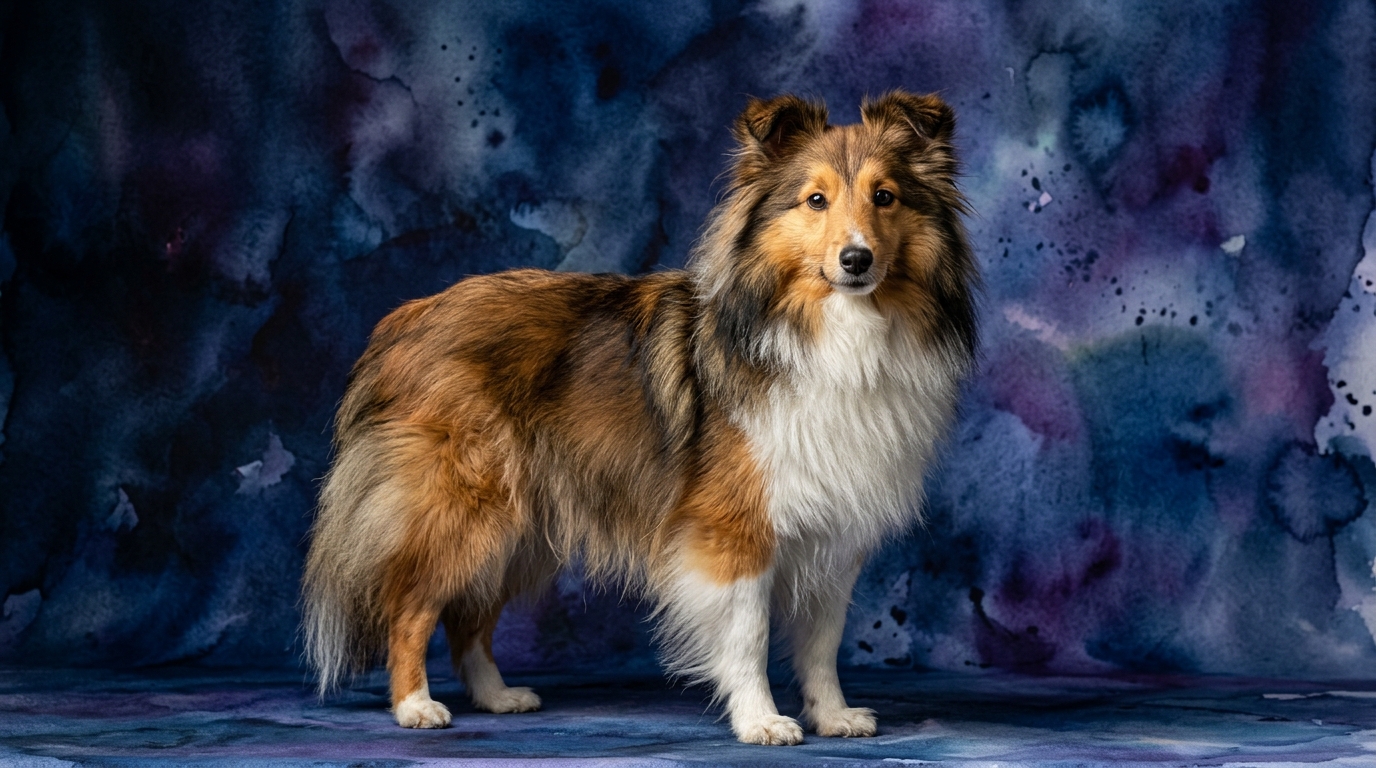
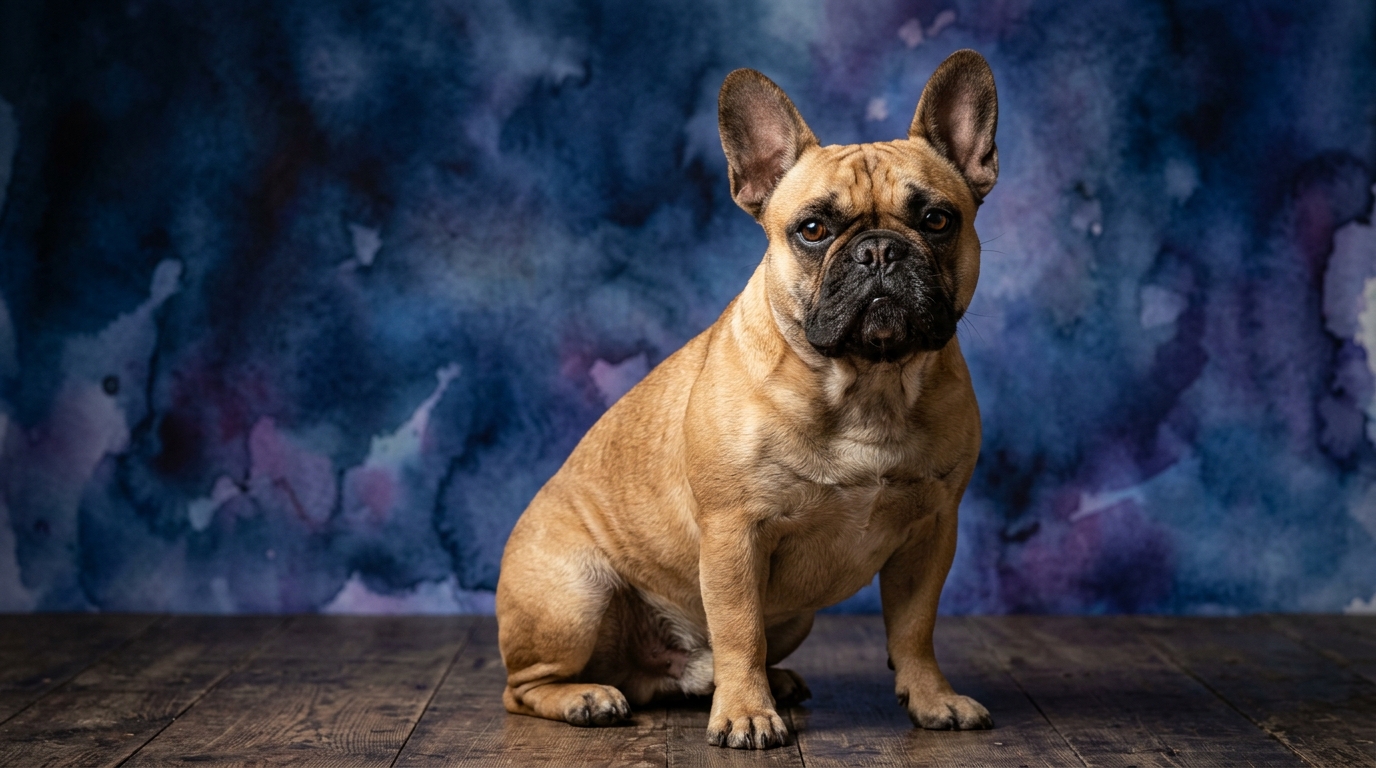
Side-by-Side IQ Profile: Sheltie vs. Frenchie
The Cosmic Pet Pet IQ Lab provides a structured lens through which to examine the cognitive dimensions of these two breeds. For the Shetland Sheepdog, a Herding group member, their profile includes: Problem Solving 4/5, indicating an excellent capacity for navigating complex scenarios and adapting strategies independently; Training Speed 5/5, meaning they grasp new commands with astonishing rapidity; Social Intelligence 4/5, reflecting their strong attunement to handler intentions and cooperative spirit; Instinctive Drive 5/5, highlighting a powerful intrinsic motivation for purpose-driven tasks; and Memory 5/5, signifying exceptional recall for learned behaviors and routines.
The French Bulldog, a Non-Sporting breed, presents a different cognitive blueprint: Problem Solving 3/5, suggesting a moderate ability to solve challenges, often preferring learned patterns or human guidance; Training Speed 3/5, indicating a steady, patient approach to acquiring new commands; Social Intelligence 5/5, showcasing an extraordinary capacity for emotional connection and reading human cues; Instinctive Drive 2/5, denoting a primary focus on companionship rather than task-oriented work; and Memory 3/5, representing functional recall for daily routines and frequently reinforced commands.
Where the Shetland Sheepdog Excels Cognitively
The Shetland Sheepdog's cognitive strengths are deeply rooted in their history as diligent herding dogs, positioning them as clear frontrunners in areas demanding precision and purpose. Their exceptional Problem Solving at 4/5 means they are not merely following commands but actively engaging with the environment, devising strategies to achieve goals, whether it’s navigating an agility course or figuring out a complex puzzle toy. This capacity for independent, adaptive thought is far removed from simple rote learning. Paired with a top-tier Training Speed of 5/5 and Memory of 5/5, they absorb multi-step instructions and intricate routines almost effortlessly, retaining them over long periods without significant decay. Imagine a Sheltie learning a dozen distinct agility obstacles in a single session and executing them perfectly weeks later; this is their cognitive norm. Their Instinctive Drive, also 5/5, is a powerful engine, providing an intrinsic motivation to engage with tasks and a deep satisfaction from fulfilling a 'job,' making them tirelessly committed partners in activities ranging from competitive obedience to search and rescue. This confluence of rapid learning, robust memory, and a profound desire to work sets the Shetland Sheepdog apart in tasks requiring sustained mental effort and precise execution.
Where the French Bulldog Excels Cognitively
While the Shetland Sheepdog's brilliance lies in task-oriented cognition, the French Bulldog’s unique cognitive triumph resides squarely in the realm of social intelligence, scoring a perfect 5/5. This isn't about solving complex puzzles or mastering obedience routines; it’s about an unparalleled ability to connect and communicate emotionally with humans. A French Bulldog excels at reading the subtlest shifts in a person’s mood, understanding unspoken cues, and providing comfort or companionship precisely when needed. They possess an innate empathy that allows them to seamlessly integrate into family dynamics, often becoming the emotional anchor of a household. Their social acumen means they understand the nuances of human interaction, not just basic commands, but the *intent* behind them. This profound social connection means they can adapt effortlessly to various social situations, making them exemplary companions in diverse environments, from quiet evenings at home to bustling social gatherings. Their cognitive energy is channeled into understanding and responding to their human world, making them masters of relational intelligence rather than operational intelligence. This capacity for deep, intuitive social bonding is a distinct and valuable form of intelligence, making them incredibly fulfilling companions for those seeking a profound emotional connection.
Training Dynamics: Which Breed Learns with More Ease?
When it comes to ease of training, the Shetland Sheepdog generally presents a more straightforward and rewarding experience for owners seeking a responsive, compliant partner. Their exceptional Training Speed (5/5), combined with a powerful Instinctive Drive (5/5) and Memory (5/5), means they approach training with an eager enthusiasm and a deep desire to engage. They are often quick to offer behaviors, thrive on structured learning environments, and find immense satisfaction in performing tasks correctly. A Sheltie learns not just *what* to do, but *why* it matters to their human, making them highly motivated by praise and the opportunity to work collaboratively. Their herding background instills a natural attentiveness and responsiveness, meaning they are less likely to be distracted and more focused on the task at hand.
In contrast, the French Bulldog, with a moderate Training Speed (3/5) and Memory (3/5), and a lower Instinctive Drive (2/5), requires a different training approach. While they are certainly trainable, their motivation often stems from their strong Social Intelligence (5/5) and a desire for positive human interaction, rather than an intrinsic drive for task completion. They might learn at a slower pace, requiring more patience, consistent positive reinforcement, and a playful approach. French Bulldogs can be more prone to 'selective hearing' if they don't perceive immediate value or fun in the exercise, meaning trainers often need to be more creative with rewards, utilizing treats, play, or social praise effectively. Their training is less about commanding and more about engaging their affectionate nature, making consistency and positive motivation key to success.
Matching Breeds to Lifestyles: Active vs. Relaxed Owners
The choice between a Shetland Sheepdog and a French Bulldog largely hinges on an owner’s lifestyle and their capacity to meet a dog's specific needs for engagement. For active owners who relish outdoor adventures, structured activities, and a canine partner eager for mental and physical challenges, the Shetland Sheepdog is an ideal match. Their high Instinctive Drive (5/5) and Problem Solving (4/5) mean they thrive on having a 'job,' whether it's participating in agility, obedience, rally, or even complex trick training. They require consistent mental stimulation to prevent boredom, which can manifest as undesirable behaviors if their sharp minds are left undirected. These dogs are not content to simply lounge; they want to be involved, learning, and moving.
Conversely, for relaxed owners who prioritize companionship, comfort, and a less demanding daily routine, the French Bulldog is an excellent fit. Their lower Instinctive Drive (2/5) and moderate exercise requirements mean they are generally content with shorter walks, indoor play, and significant cuddle time. While they enjoy interaction, their cognitive needs are primarily met through social bonding and being part of the family’s daily rhythm, rather than through rigorous training sessions or high-intensity sports. A French Bulldog is perfectly happy to be a couch companion, offering unwavering affection and a calm presence, making them suitable for apartment living or owners with a more sedentary lifestyle.
The Verdict
Choose a Shetland Sheepdog if you're an active owner seeking a highly trainable, intelligent partner for dog sports, complex tasks, and a dynamic lifestyle where mental engagement is a priority.
Choose a French Bulldog if you desire a devoted, emotionally perceptive companion whose primary joy is close human interaction, fitting seamlessly into a relaxed home environment with moderate activity needs.
🧠 Find Your Pet's IQ Score
Our Pet IQ Lab assessment covers 25+ tests across 5 cognitive dimensions — personalized to your breed.
Take the Full IQ Test →Frequently Asked Questions
Are Shetland Sheepdogs good with children?
Yes, Shetland Sheepdogs are generally excellent with children, especially when properly socialized, often displaying a gentle and protective nature. Their herding instincts can sometimes lead to mild nipping at heels, but this is usually easily managed with training.
Do French Bulldogs require a lot of grooming?
No, French Bulldogs have short, smooth coats that require minimal grooming, typically just weekly brushing to remove loose hair and occasional baths. Their facial folds do need regular cleaning to prevent skin irritation.
What are the main health concerns for these breeds?
Shetland Sheepdogs can be prone to certain genetic conditions like Collie Eye Anomaly (CEA) and hip dysplasia. French Bulldogs, due to their brachycephalic (flat-faced) structure, are susceptible to breathing difficulties, heatstroke, and spinal issues.