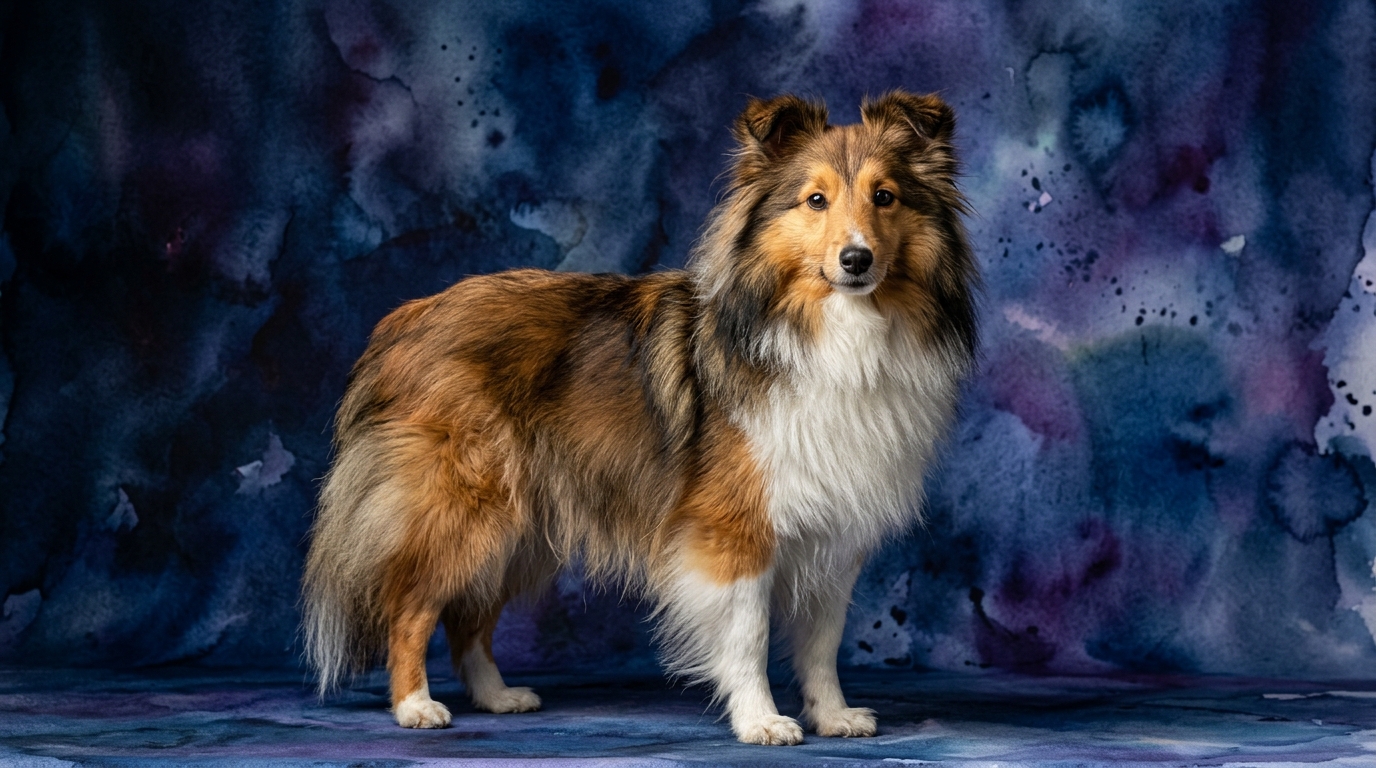
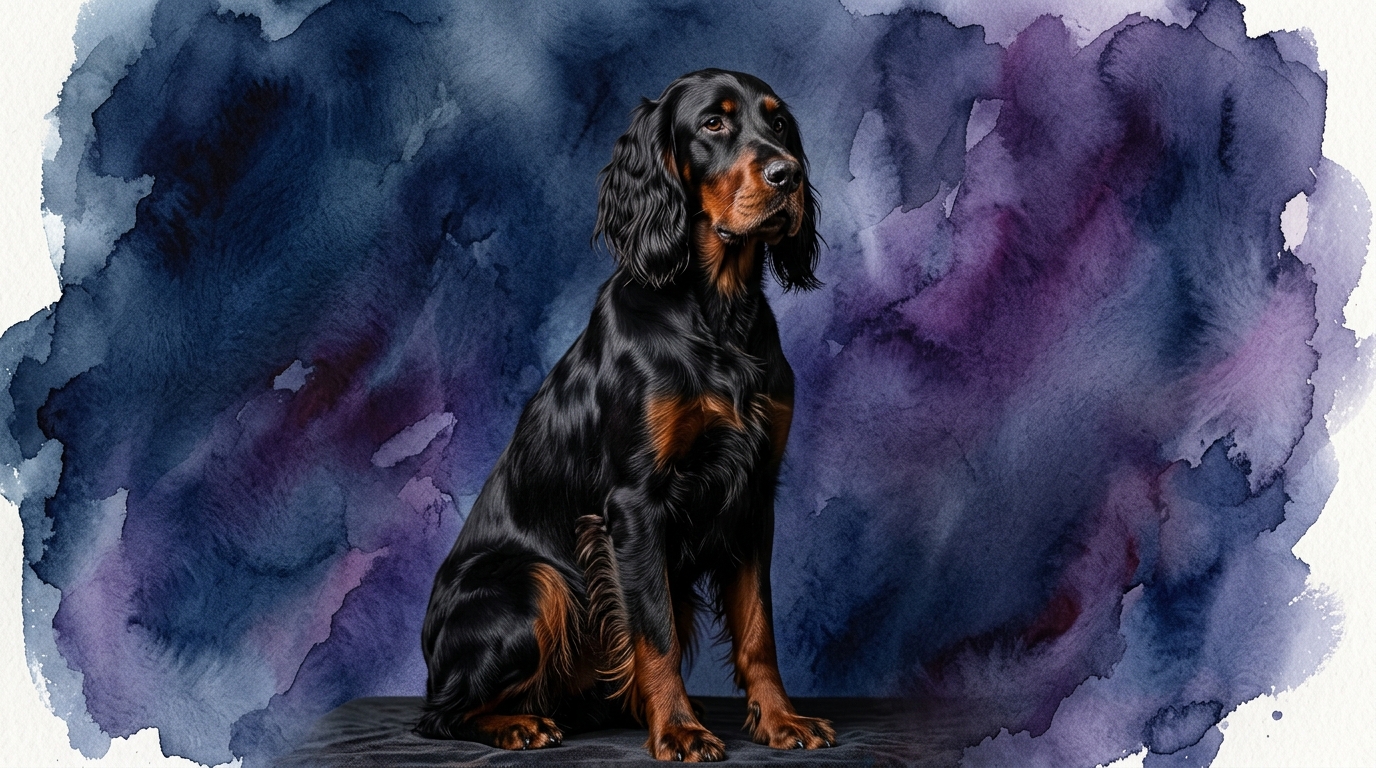
Side-by-Side IQ Profile: Shetland Sheepdog vs. Gordon Setter
The Cosmic Pet Pet IQ Lab categorizes canine intelligence across five key dimensions, revealing fascinating distinctions between the Shetland Sheepdog and the Gordon Setter.
• **Coren Rank:** The Shetland Sheepdog stands at an impressive #6, indicating a profound capacity for working and obedience intelligence, while the Gordon Setter holds a respectable #39, demonstrating solid learning capabilities, though not in the top tier for rapid obedience.
• **Problem Solving:** Both breeds score 4/5. Shelties excel at complex, multi-step tasks, rapidly assessing and adapting strategies for herding or agility. Gordon Setters showcase independent, tenacious problem-solving in natural environments, adept at deciphering scent trails and navigating terrain for game.
• **Training Speed:** The Shetland Sheepdog earns a perfect 5/5, absorbing new commands with remarkable alacrity due to an eagerness to cooperate. The Gordon Setter, with a 4/5, learns efficiently but may require more consistent repetition and motivation, sometimes exhibiting a more independent streak.
• **Social Intelligence:** Shelties rate 4/5, displaying a finely tuned ability to read human cues and intentions, fostering a deep partnership. Gordon Setters, at 3/5, are loyal to their families but generally less overtly people-focused or eager to please strangers, often preferring observation.
• **Instinctive Drive:** The Shetland Sheepdog’s 5/5 reflects a highly sophisticated herding drive involving strategic movement and proactive decision-making. The Gordon Setter’s 3/5 is a potent, singular drive for hunting and scent work, demanding sustained focus on a specific objective rather than broad, complex control.
• **Memory:** Shelties achieve a 5/5, retaining complex command sequences and routines over long periods with exceptional recall. Gordon Setters score 4/5, possessing strong memory for locations, scent patterns, and learned hunting behaviors, crucial for effective field work.
Where the Shetland Sheepdog Wins Cognitively
The Shetland Sheepdog’s cognitive architecture is fundamentally geared towards intricate cooperation and rapid learning, giving it distinct advantages in specific areas. Their exceptional Training Speed (5/5) means they absorb new commands and complex sequences with remarkable alacrity, often anticipating the next step in a routine. This rapid assimilation is underpinned by their superior Memory (5/5), allowing them to retain vast amounts of information, from dozens of verbal cues to elaborate agility courses, over long periods. Moreover, their advanced Social Intelligence (4/5) enables them to interpret subtle human body language and vocal intonations, fostering a deep, almost symbiotic relationship with their handler that is critical for precision work. The Sheltie's Instinctive Drive (5/5) isn't just about movement; it's a highly sophisticated cognitive process involving strategic positioning, boundary setting, and proactive decision-making to manage a flock, translating into a keen ability for problem-solving in dynamic environments. This combination of quick learning, strong retention, and nuanced social understanding positions the Shetland Sheepdog as a highly adaptable and versatile cognitive partner, excelling in tasks requiring precision, responsiveness, and collaborative effort.
Where the Gordon Setter Wins Cognitively
While the Shetland Sheepdog thrives on cooperative complexity, the Gordon Setter's cognitive strengths lie in focused independence and unwavering persistence, particularly in outdoor pursuits. Their Problem Solving (4/5) manifests differently; rather than orchestrating a group, they excel at independent navigation and strategic search patterns in challenging terrains. This involves intricate spatial reasoning and the ability to extrapolate from scent information to locate game, often without direct human intervention. The Gordon Setter's Instinctive Drive (3/5), though rated lower in broad applicability, is incredibly potent and singularly directed towards hunting. This translates into an unparalleled focus and stamina in the field, allowing them to maintain concentration on a task for extended periods, ignoring distractions that might deter other breeds. Their Memory (4/5) is particularly adept at recalling specific scent trails, game locations, and geographical landmarks, essential for efficient hunting. This breed’s cognitive makeup is optimized for sustained, self-directed work, where tenacity and an acute sensory focus are paramount. They possess a robust mental fortitude that allows them to push through environmental challenges, making them exceptional at tasks requiring endurance and singular purpose.
Which is Easier to Train and Why
When evaluating ease of training, the Shetland Sheepdog clearly presents a more straightforward experience for most owners. Their Training Speed is an exceptional 5/5, meaning they pick up new commands and behaviors in very few repetitions. This is largely due to their profound Social Intelligence (4/5) and a strong desire to cooperate with their human companions. Shelties were bred to work closely with shepherds, requiring them to be highly attentive to human signals and eager to please. Their superior Memory (5/5) ensures that once a lesson is learned, it's retained, leading to consistent performance. For example, a Sheltie might master a complex multi-step retrieve on the first few attempts, remembering the sequence for weeks. They thrive on positive reinforcement and mental challenges, making them highly biddable and responsive partners in obedience, agility, and other dog sports.
The Gordon Setter, while intelligent, offers a different training dynamic. With a Training Speed of 4/5, they learn well but may require more patience and repetition. Their Social Intelligence (3/5) is more independent; while loyal to their family, they are less overtly people-pleasing than a Sheltie. Their powerful Instinctive Drive (3/5) for scent work and hunting can sometimes override immediate obedience commands, especially in stimulating outdoor environments. For instance, a Gordon Setter on a walk might become intensely focused on a scent trail, requiring a more robust and consistent recall command than a Sheltie might. Training a Gordon often involves harnessing their natural drives and channeling them into desired behaviors, which can be immensely rewarding but demands a more engaging and persistent approach from the owner. They respond best to training that makes sense to their natural inclinations and offers clear, tangible rewards, rather than relying solely on a desire to please.
Which Suits Active Owners vs. Specific Lifestyles
Neither the Shetland Sheepdog nor the Gordon Setter is suited for truly relaxed owners, as both breeds possess significant energy and a need for mental engagement. However, they appeal to different types of active lifestyles.
The Shetland Sheepdog is an ideal companion for active owners who enjoy intricate, cooperative activities and mental challenges. Owners who love participating in dog sports like agility, obedience, flyball, or even herding trials will find the Sheltie's rapid learning, exceptional memory, and eager-to-please nature incredibly rewarding. They thrive on daily structured walks, interactive play sessions, and consistent mental stimulation through training and puzzle toys. Their activity needs are often intertwined with cognitive work; a Sheltie wants to *do* things with you, making them perfect for owners who see their dog as a partner in a variety of shared endeavors.
The Gordon Setter, conversely, suits active owners whose passion lies in extensive outdoor adventures and activities that allow for independent exploration and sustained physical exertion. Owners who enjoy long runs, vigorous hikes, field training, or even hunting will find the Gordon Setter's stamina, focused drive, and robust problem-solving skills in natural environments a perfect match. While they enjoy family interaction, their exercise needs lean more towards purposeful, often self-directed, physical activity rather than constant human-directed mental games. They are excellent companions for covering long distances and exploring new territories, making them ideal for individuals or families who spend significant time in nature and can provide consistent outlets for their formidable physical and scenting capabilities.
The Verdict
Choose the Shetland Sheepdog if you seek a highly responsive, cooperative partner for engaging in dog sports, advanced obedience, and a companion that thrives on intricate mental challenges and close, interactive partnership.
Opt for the Gordon Setter if you desire a steadfast, independent companion for extensive outdoor adventures and field work, and are prepared to engage with a dog whose powerful, focused drive for exploration and scent work requires patient, consistent guidance.
🧠 Find Your Pet's IQ Score
Our Pet IQ Lab assessment covers 25+ tests across 5 cognitive dimensions — personalized to your breed.
Take the Full IQ Test →Frequently Asked Questions
Are Shetland Sheepdogs good family dogs?
Yes, Shetland Sheepdogs are generally affectionate and loyal to their families, often forming strong bonds. However, their strong herding instincts mean they might attempt to "herd" children or other pets, requiring early socialization and consistent training to channel these behaviors positively and ensure harmonious family integration.
How much exercise does a Gordon Setter need?
Gordon Setters require substantial daily exercise, typically 1-2 hours of vigorous activity such as running, hiking, or dedicated field work. Their impressive stamina and inherent drive necessitate consistent outlets for their energy to prevent boredom and maintain their physical and mental well-being.
Can a Gordon Setter live in an apartment?
While a Gordon Setter can potentially adapt to apartment living if their considerable exercise requirements are met daily, it is not their ideal environment. They generally thrive with access to a secure yard and ample opportunities for extensive outdoor exploration, as their sporting heritage is best suited for more expansive surroundings.