Side-by-Side IQ Profile: Shetland Sheepdog vs. Jack Russell Terrier
The Cosmic Pet Pet IQ Lab assesses canine intelligence across five key dimensions, offering a nuanced view beyond simple rankings. Here, we delve into the specific cognitive makeup of the Shetland Sheepdog and the Jack Russell Terrier.
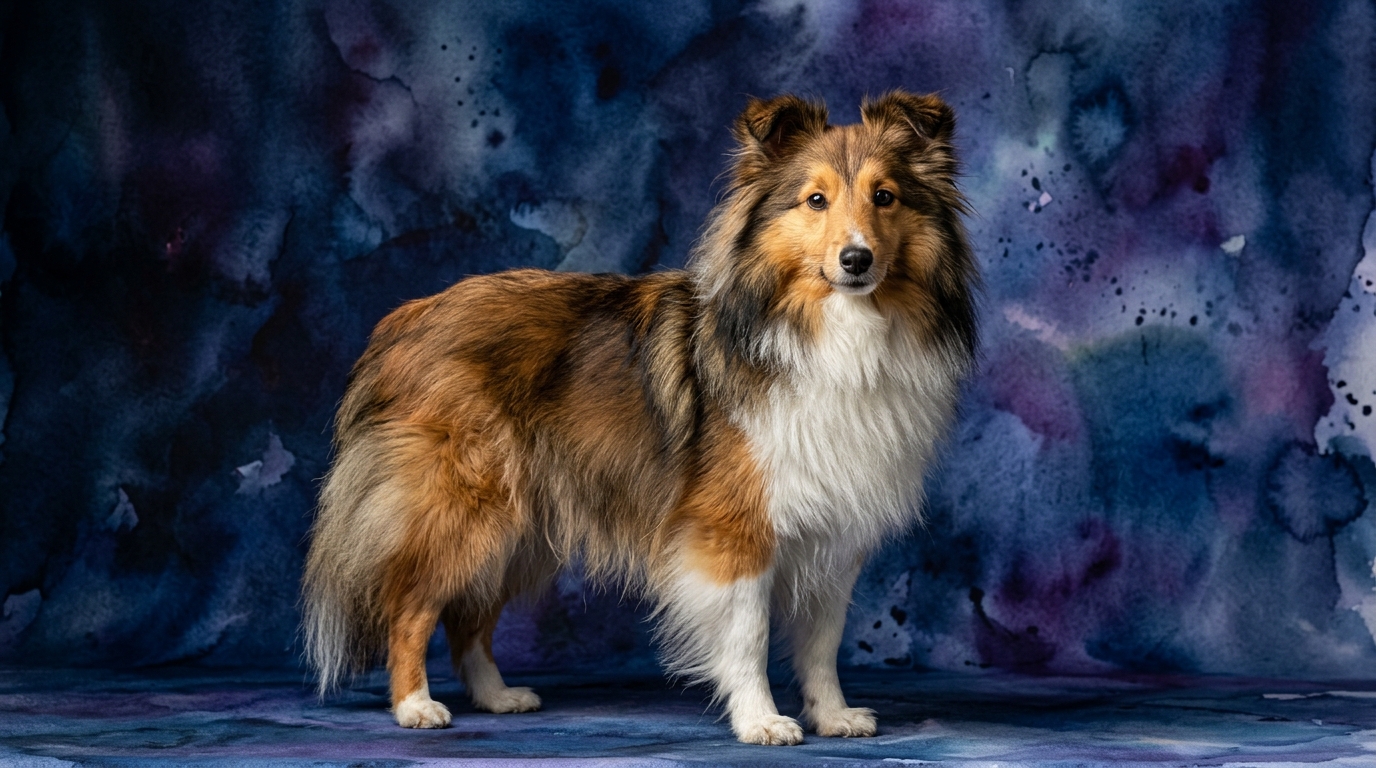
**Shetland Sheepdog (Herding Group, Coren Rank #6)**: This breed’s cognitive profile is deeply rooted in its herding heritage, emphasizing cooperative work and structured learning. Their **Problem Solving (4/5)** manifests as a methodical, often cooperative approach, where solutions frequently involve understanding sequences and responding to learned cues. They excel at applying known behaviors to new, similar situations, demonstrating strong pattern recognition. Their **Training Speed (5/5)** is exceptional; Shelties absorb new commands and behaviors with remarkable quickness, often grasping concepts in very few repetitions due to their eagerness to please and focus on their handler. **Social Intelligence (4/5)** is a hallmark, showing a refined understanding of both human and animal social cues, contributing to their strong bonds and ability to navigate complex social dynamics. Their **Instinctive Drive (5/5)** is a powerful herding impulse, expressed through gathering, controlling, and moving, involving keen spatial awareness and strategic thinking. Lastly, their **Memory (5/5)** is outstanding, allowing them to retain a vast repertoire of commands, routines, and experiences over long durations, crucial for intricate tasks.
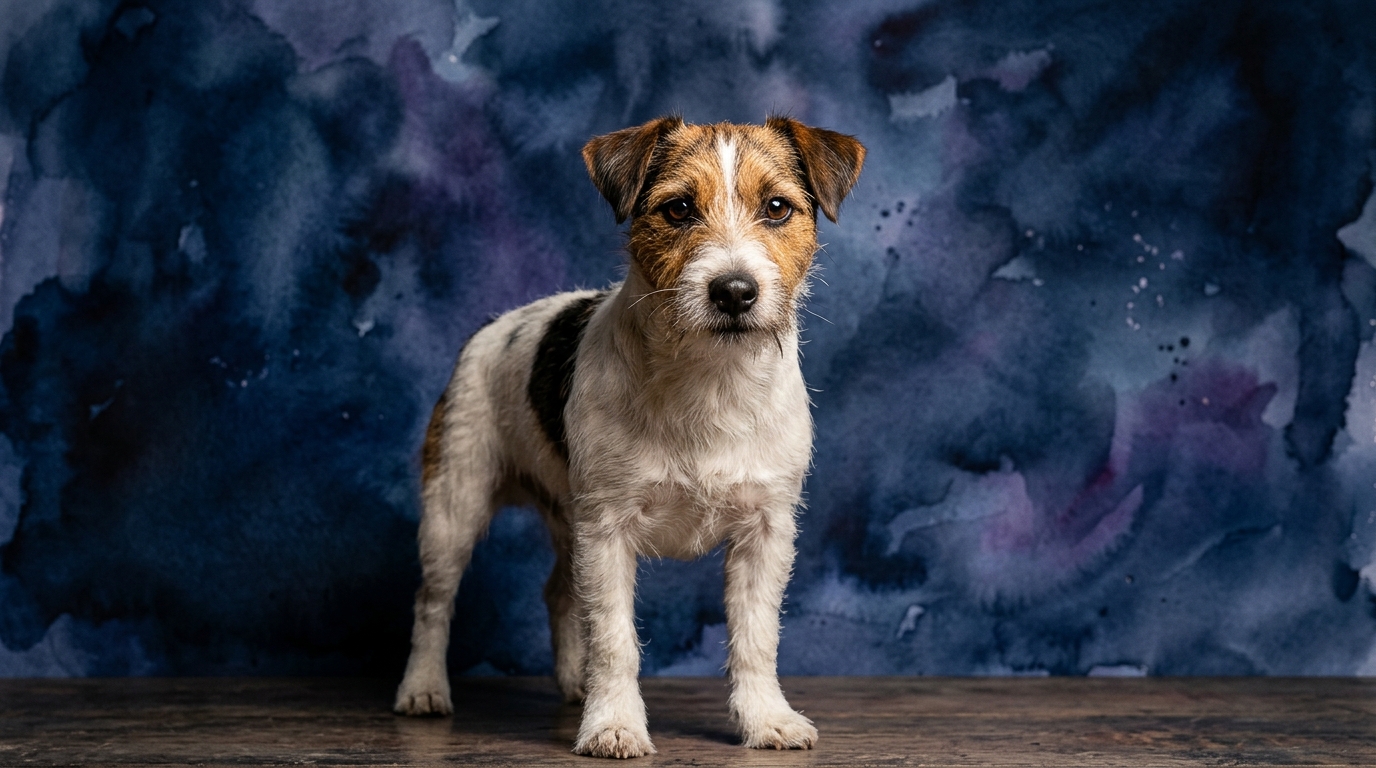
**Jack Russell Terrier (Terrier Group, Not Coren-ranked)**: The JRT's cognitive strengths are forged in its independent hunting background, prioritizing tenacity and self-reliance. Their **Problem Solving (5/5)** is a standout trait, characterized by an independent and tenacious approach. Faced with obstacles, JRTs frequently devise their own solutions, displaying remarkable ingenuity and persistence, especially when motivated by prey drive. Their solutions are often direct and physical, reflecting their role in flushing quarry from burrows. In **Training Speed (3/5)**, while capable of learning, JRTs generally require more patience and consistency; their independent nature can sometimes make them less inclined to follow commands if a more interesting alternative presents itself. **Social Intelligence (3/5)** for JRTs is typically more direct and less nuanced; they are often confident and assertive but may not pick up on subtle social cues as readily as breeds bred for close human-animal cooperation, often prioritizing their own objectives. Their **Instinctive Drive (5/5)** is overwhelmingly focused on hunting and prey pursuit—an incredibly powerful urge to explore, dig, chase, and investigate, fueling their boundless energy. Their **Memory (4/5)** is solid, particularly for things related to their hunting instincts or routines that benefit them directly, though their independent streak might sometimes be mistaken for "forgetting" when it's simply a choice not to comply.
Where the Shetland Sheepdog Wins Cognitively
The Shetland Sheepdog's cognitive strengths primarily reside in its cooperative intelligence and structured learning capabilities. Their superior training speed (5/5) and exceptional memory (5/5) mean they absorb and retain commands with remarkable efficiency, making them outstanding candidates for complex obedience routines, agility courses, and even service work where precise, recallable actions are paramount. Their social intelligence (4/5) also provides an edge in understanding human intentions and emotional states, fostering a deeper, more empathetic bond. This allows them to anticipate needs and respond appropriately in various social contexts, making them highly attuned companions and partners in diverse activities.
Where the Jack Russell Terrier Wins Cognitively
The Jack Russell Terrier truly shines in independent problem-solving (5/5) and raw, unyielding instinctive drive (5/5). While Shelties might wait for direction, a JRT will frequently devise its own path to a goal, displaying incredible resourcefulness and tenacity. This manifests as a dog that can figure out how to open gates, escape enclosures, or track a scent relentlessly, driven by its powerful prey instinct. Their cognitive prowess here is less about following instructions and more about autonomous action and persistent pursuit of an objective, a trait honed by generations of solitary hunting work where self-reliance was essential for survival and success.
Which Is Easier to Train and Why
When evaluating ease of training, the Shetland Sheepdog clearly holds an advantage, scoring 5/5 in training speed compared to the Jack Russell Terrier's 3/5. The Sheltie’s Herding background instilled a deep desire to work collaboratively with a handler, making them highly attentive and eager to please. They thrive on direction and respond quickly to cues, often requiring fewer repetitions to master a new skill, which contributes to their high Coren ranking. Conversely, the Jack Russell Terrier’s independent, problem-solving nature, while impressive, often means they prioritize their own objectives over immediate compliance. Training a JRT requires a more creative approach, focusing on making lessons highly engaging and rewarding to overcome their inherent self-direction and strong prey drive. While they are certainly capable of learning, their attention span for formal obedience can be shorter, and consistency is paramount to prevent them from 'self-employing' with less desirable behaviors.
Which Suits Active Owners vs. Relaxed Owners
Both breeds demand active engagement, but the *type* of activity required differs significantly. The Shetland Sheepdog, with its high instinctive drive (5/5) and need for mental stimulation, thrives with owners who can provide structured activities like agility, obedience trials, or even simulated herding games. While they enjoy physical exercise, their cognitive needs lean towards tasks that engage their problem-solving and memory skills in a cooperative setting. They are not suited for entirely relaxed owners, but their activity can be more directed and less chaotic, making them suitable for active individuals who appreciate a thinking partner. The Jack Russell Terrier, also with a 5/5 instinctive drive and a high problem-solving score, requires an owner who can match its relentless physical energy and mental persistence. These dogs need extensive daily exercise, often involving running, digging, or chasing, coupled with puzzle toys and scent work to satisfy their independent hunting instincts. A relaxed owner would quickly find a JRT inventing its own (often destructive) forms of entertainment, making them better suited for highly active individuals or families who embrace their tenacious, exploratory nature and can provide consistent, vigorous outlets.
The Verdict
Choose a Shetland Sheepdog if you seek a highly trainable, cooperative companion for canine sports or a family dog that thrives on structured interaction and mental challenges.
Opt for a Jack Russell Terrier if you are an experienced, highly active owner who appreciates an independent, tenacious problem-solver with boundless energy and a strong drive for adventure.
🧠 Find Your Pet's IQ Score
Our Pet IQ Lab assessment covers 25+ tests across 5 cognitive dimensions — personalized to your breed.
Take the Full IQ Test →Frequently Asked Questions
Is the Shetland Sheepdog truly smarter than the Jack Russell Terrier?
Our Pet IQ Lab data suggests different cognitive strengths rather than one being universally 'smarter.' Shetland Sheepdogs excel in cooperative learning and memory, while Jack Russell Terriers demonstrate superior independent problem-solving and tenacity. The 'smarter' choice depends on the specific tasks and environment.
Can a Jack Russell Terrier be trained for advanced obedience?
Yes, a Jack Russell Terrier can absolutely be trained for advanced obedience, but it typically requires more patience, consistency, and highly engaging, reward-based methods than with a Shetland Sheepdog. Their independent nature means trainers must work to channel their drive and persistence effectively, making learning a rewarding game.
How do their instinctive drives impact their daily lives?
The Shetland Sheepdog's herding drive means they might try to 'herd' children or other pets and need outlets for this instinct through structured activities like agility or herding games. The Jack Russell Terrier's hunting drive translates into an intense need to chase, dig, and explore, requiring secure environments and engaging activities like scent work to prevent them from following their instincts into trouble.